

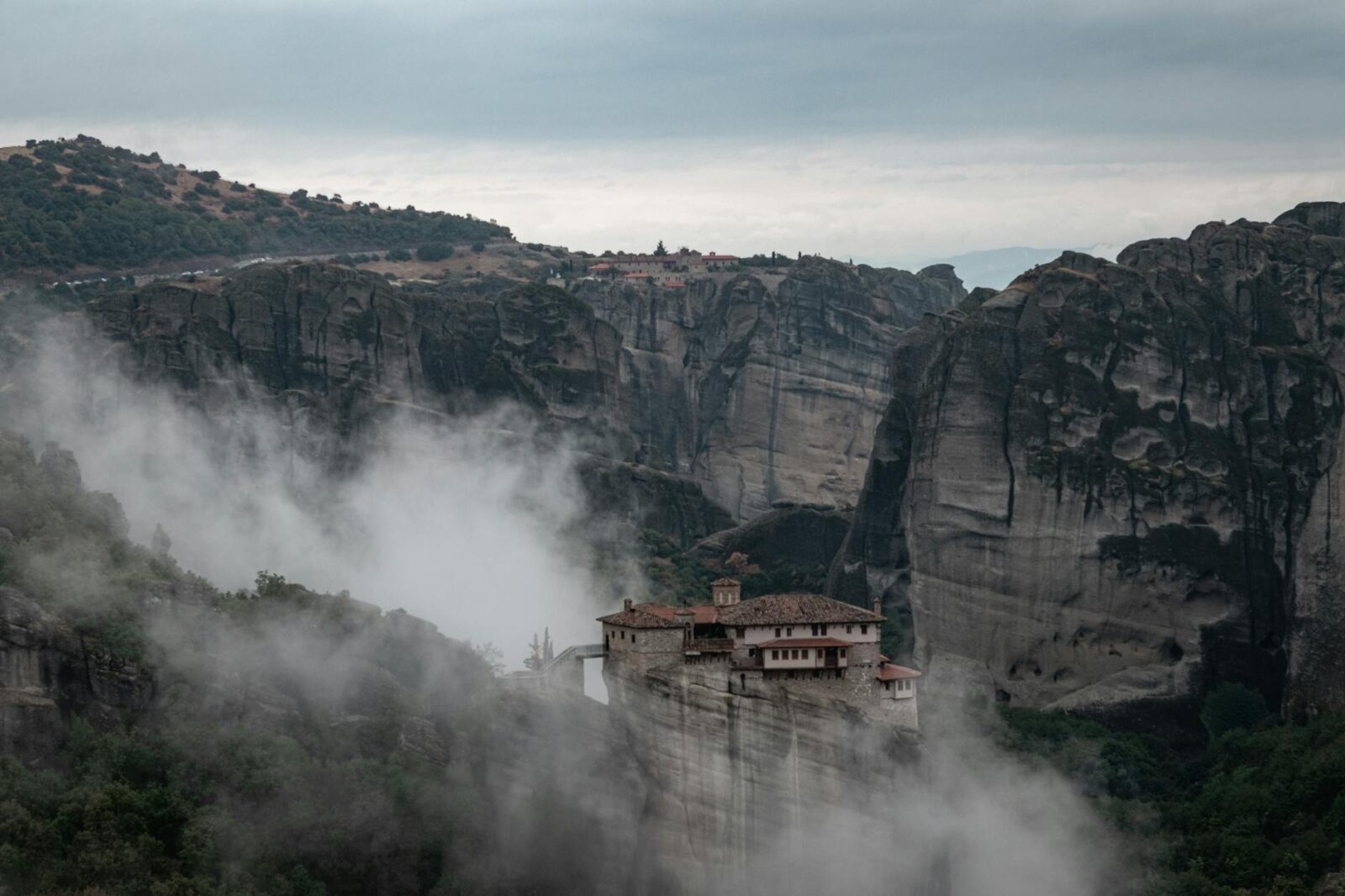
A Misty Dawn Over Paro Valley Awakens the Dragon Kingdom
Imagine standing at the edge of Paro Valley as the first light of dawn pierces the mist-shrouded Himalayas, revealing Bhutan’s iconic Tiger’s Nest Monastery clinging impossibly to a sheer cliffside. The air carries the deep toll of a bronze prayer bell, mingling with the scent of burning juniper incense from a nearby lhakhang. This is Bhutan, the Last Shangri-La, where ancient Buddhist traditions thrive amid jagged peaks that soar above 7,000 meters, offering seasoned travelers a rare blend of spiritual depth and untouched mountain majesty. Our 20 years covering Himalayan destinations reveal Bhutan as more than a destination—it’s a deliberate sanctuary preserving Gross National Happiness over unchecked tourism.
Unlike Nepal’s crowded trails or India’s bustling hill stations, Bhutan’s controlled access ensures pristine landscapes and genuine encounters with locals who measure wealth in community bonds, not bank accounts. Travelers from Nigeria to the Philippines report transformative journeys here, hiking through rhododendron forests to remote gompas where monks chant ancient sutras. This guide draws from official sources and on-ground insights to equip you with everything needed for a 7-8 day cultural trek circuit, focusing on Paro, Thimphu, and Punakha valleys—perfect for intermediate trekkers seeking cultural immersion over extreme high-altitude challenges.
The journey begins with Bhutan’s unique entry: no independent travel allowed outside major valleys without guides, ensuring sustainability while adding structure to your adventure. Expect daily Sustainable Development Fees (SDF) of $100 USD per person (reduced to $50 for ages 6-12, free under 6), funding free education, healthcare, and conservation. With flights landing at Paro International Airport amid stunning 5,500-meter peaks, your adventure starts the moment wheels touch down.
Bhutan’s Signature Cultural Trek: Paro to Punakha Valley Circuit
This 7-night, 8-day itinerary forms Bhutan’s most accessible “trek,” blending moderate hikes with cultural drives, ideal for those building Himalayan experience. Total distance covers about 150 km by road plus 20-25 km hiking, with max altitude at Tiger’s Nest (3,120m)—manageable for fit travelers over 40 with prior hill walking. Difficulty: intermediate; requires good cardiovascular fitness for 4-6 hour daily exertions, including 800m ascents on uneven stone paths.
Seasoned Himalayan trekkers from Asia and the Middle East praise this route for its low crowds (under 50 visitors daily at key sites) versus Everest Base Camp’s throngs. Duration suits working professionals: fly in Day 1, explore, depart Day 8. Fitness baseline: stair climbing 30 minutes daily for two months pre-trip, plus weekend hikes with 500m elevation gain. Those from sea-level regions like the UAE or Indonesia should add acclimatization days.
- Day 1: Paro Arrival & Acclimatization – Land at Paro (2,200m), transfer to hotel. Gentle 2km valley walk. Altitude gain: minimal.
- Day 2: Tiger’s Nest Hike – 6km roundtrip, 800m up/down to Taktsang (3,120m). 5-7 hours. Stunning cliffside monastery views.
- Day 3: Paro to Thimphu Drive – 55km scenic road (1.5 hours), visit Kyichu Lhakhang. Evening Thimphu market stroll.
- Day 4: Thimphu Cultural Immersion – Hike to Cheri Monastery (3km, 300m gain). Explore giant Buddha statue.
- Day 5: Thimphu to Punakha – 77km (3 hours) via Dochu La Pass (3,100m). Punakha Dzong riverside hike.
- Day 6: Punakha Valley Exploration – Rice paddy trails to Chimmi Lhakhang fertility temple (4km flat). Local farm lunch.
- Day 7: Punakha to Paro – Return drive, optional hot stone bath ritual.
- Day 8: Depart Paro – Morning yoga or souvenir shopping.
Distances factor winding mountain roads; private vehicles with licensed drivers are mandatory, costing $50-80 USD/day extra via your operator. This circuit hits Bhutan’s essence without extreme permits like those for Snowman Trek.
Prime Seasons: March-May and September-November Shine Brightest
Spring (March-May) delivers Bhutan’s floral explosion—rhododendrons blanket hills in pink and red, temperatures hover 15-25°C daytime (5-10°C nights). Pros: Clear skies for Tiger’s Nest vistas, festivals like Paro Tshechu (March/April) with masked dances. Cons: Peak SDF crowds, higher tour costs ($250-350 USD/day all-inclusive).
Autumn (September-November) mirrors spring with golden rice fields and crisp 10-20°C days, minimal rain for dust-free trails. Pros: Stable weather, lower humidity than monsoon; shoulder deals drop packages to $200-300 USD/day. Cons: Early frost at passes, shorter days. Avoid winter (December-February): sub-zero nights (-5°C), Dzongs snow-dusted but trails icy, flights canceled 20% of time.
Monsoon (June-August) brings lush greens and 70% discounts on SDF ($30/night), but relentless rain swells rivers, leeches on paths, and landslide risks close Dochu La. Shoulder pros: Emptied trails, vibrant waterfalls; cons for sea-level starters: humidity spikes altitude discomfort. Our experts recommend spring for first-timers from warmer climates like South America or Africa.
Visa, Permits, and Costs: Navigate Bhutan’s Strict Gateway
Bhutan mandates visas via licensed tour operators—no walk-ins. Submit passport scan (valid 6+ months, 2 blank pages), photo, itinerary; approval in 3-5 business days, $40 USD visa fee stamped on arrival at Paro or land borders like Phuentsholing (India entry). Indians, Bangladeshis, Maldivians enter visa-free with ID; Swiss/Thai diplomats too.
Outside Paro/Thimphu, road permits (free via operator) restrict access—checkpoints verify itineraries. SDF: $100 USD/night (2026 rates), covering guides, vehicles, meals, mid-range hotels ($15,000 NPR equivalent for Indians). Total 8-day trip: $2,000-2,800 USD/person (double occupancy), including all but flights ($300-500 USD roundtrip from Delhi/Bangkok).
Key stat: SDF generated $70 million in 2025, funding 80% of rural schools.
Book operators via bhutan.travel; US/EU travelers need clearance letter pre-flight. No self-drive; motorcycles require special permits. HIV tests for stays >2 weeks—check travel.state.gov.
Gear Essentials for Bhutan’s Misty Mountain Trails
Tailor for variable weather: breathable layers for 5-25°C swings. Base: Merino wool top/base layer ($40 USD), fleece mid-layer ($50), Gore-Tex jacket/pants ($150 each). Footwear: Mid-cut trekking boots (broken-in, $120), gaiters for mud ($30). Pack light: 40L backpack ($100), trekking poles ($40/pair) reduce knee strain on descents.
Hydration/nutrition: 3L bladder ($25), purification tablets ($10/100 tabs)—Bhutan streams safe but treat. Sun/high-alt: SPF50 cream ($15), wide-brim hat ($20), glacier glasses (UV400, $50). Misc: Headlamp ($25), power bank (20,000mAh, $30) for remote charging, quick-dry towel ($15). Women: Modest knee-covering clothes for temples.
- Insulated sleeping bag (10°C rating, $80)—teahouses chilly.
- First-aid: Diamox (altitude, $20/30 tabs), ibuprofen, blister kit.
- Personal: Adapter (Type D/G plugs), eSIM ($20/10GB via Airalo).
Rent poles/boots in Paro ($5-10/day). Total gear investment: $500 USD, reusable for Nepal/India treks.
Teahouses, Guides, and Local Economics: Spend Wisely
Teahouses (homestays) cost $20-40 USD/night with breakfast; Punakha farmstays offer ema datse (chili-cheese curry, $5/plate) and suja (butter tea, $2). All-inclusive tours bundle these, but extras like hot stone baths ($10) add flavor. Hire guides ($30/day tip recommended, 10-15% total bill)—they’re storytellers decoding Drukpa Kuenley legends at Chimmi Lhakhang.
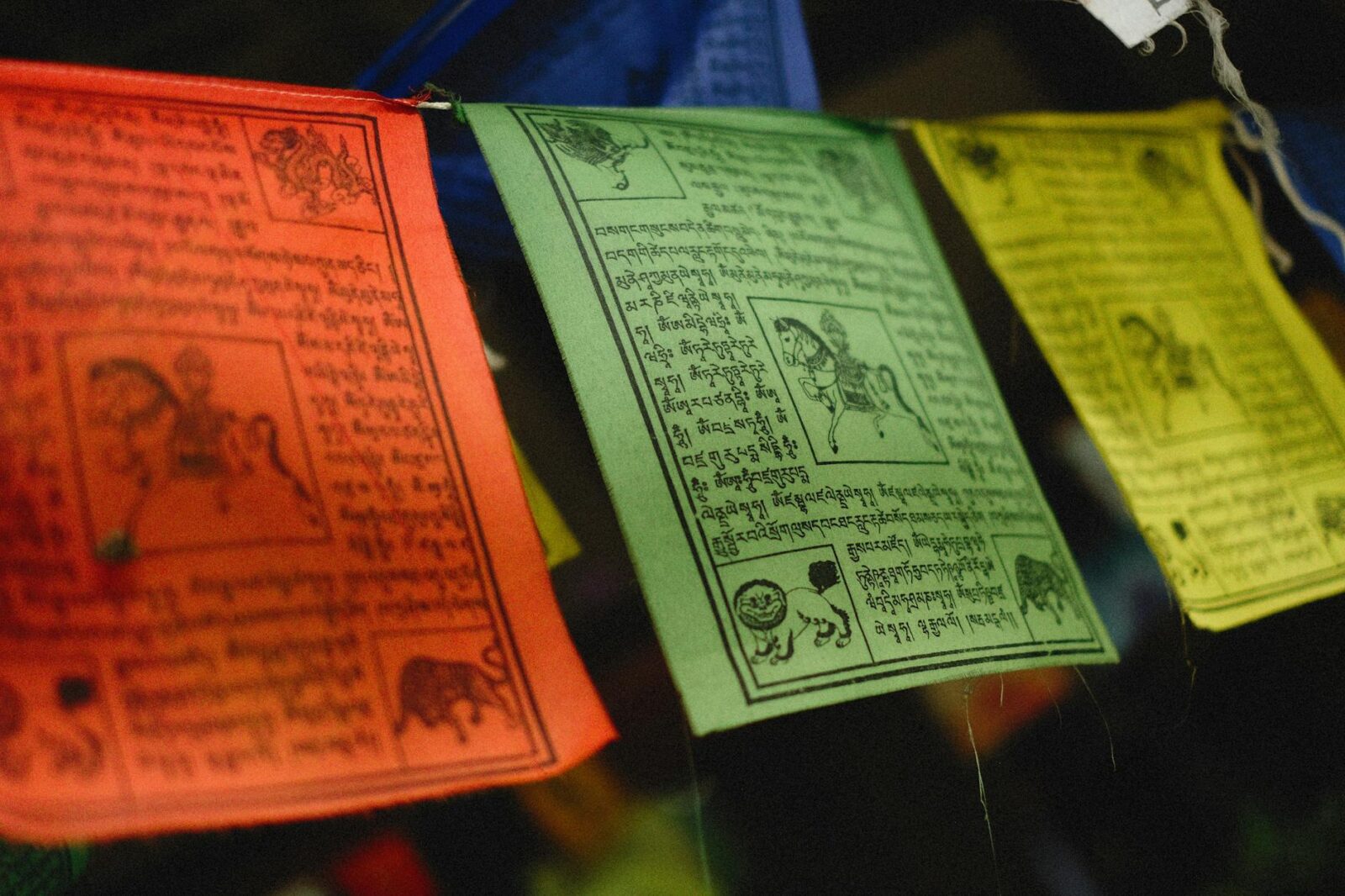
Porters rare on cultural routes ($15/day + tip), but tip $5-10/day/person. Customs: Remove shoes/suns at temples, right-hand giving, clockwise circumambulation. Bargain souvenirs (prayer flags $3) 20%, but pay full for thangkas supporting artisans. Sustainable tip: Skip plastic—refill at lodges.
Altitude, Health, and Safety: Proactive Himalayan Wisdom
Max 3,120m poses mild risks; prevent with hydration (4L/day), slow ascent (no >500m/day gain). Diamox (125mg twice daily) if history; symptoms (headache, nausea)—rest, descend if severe. Water: Boil or tablets; no Giardia outbreaks reported. Insurance: Mandatory evacuation ($300k coverage via World Nomads, $100/year)—helicopters $5,000+.
Temple etiquette: No photos inside, women cover shoulders/knees, accept tsampa (barley flour) offerings. Sustainable practices: Stick trails, no gem mining support, adopt ‘leave no trace’—Bhutan’s 72% forest cover depends on it. Vaccinations: Routine + Hep A/B, Typhoid; no malaria risk above 1,800m.
Preserving Shangri-La: Etiquette and Eco-Stewardship
Bhutanese greet with ‘Kuzuzangpo la’—respond warmly. At dzongs (fort-monasteries), join prayer wheels mindfully. Avoid feeding monkeys at Taktsang—they’re bold. Support via fair-trade: Buy from cooperatives (pashmina shawls $30). Future outlook: 2026 sees SDF tweaks for off-peak, new eco-lodges in Bumthang.
Travelers from diverse spots like Pakistan and Malaysia share how these customs deepened their trips. Contribute: Offset flights ($20 via myclimate.org), choose solar-powered operators.
FAQ: Answers to Top Bhutan Trekker Questions
Can I travel to Bhutan solo without a group? No, all non-SAARC visitors need licensed operators for visas/guides outside Paro/Thimphu. Solo travelers join small groups or private tours—perfect for introverts seeking structure.
Is the $100 SDF worth it? Absolutely—covers luxury (guides, 3-star hotels, meals). Indians pay INR 1,200/night equivalent. Discounts make it accessible.
Best flights to Bhutan? Drukair/Bhutan Airlines from Delhi ($250), Bangkok ($400), Kathmandu. Book post-visa clearance.
Vegetarian food available? Yes—dal bhat, momos everywhere. Request via operator; ema datse adaptable.
Cell service on trails? B-Mobile SIM ($10/5GB) works valleys; eSIM for roaming. WiFi spotty in Punakha.
Step Into Bhutan’s Timeless Embrace Today
Bhutan isn’t just a trip—it’s a reset, where mountain panoramas and monk chants remind us of simpler joys. From Paro’s prayer flags fluttering in the wind to Punakha’s rushing Mo Chhu River, this Last Shangri-La awaits your footprint. Share your Bhutan dreams in comments below—what calls you to the Dragon Kingdom? Tag friends planning Himalayan escapes and let’s keep the wanderlust alive.
Stay informed with the latest travel news, visa updates, and destination guides. Follow HimalayanCrest.com for weekly travel intelligence delivered by our editorial team.