

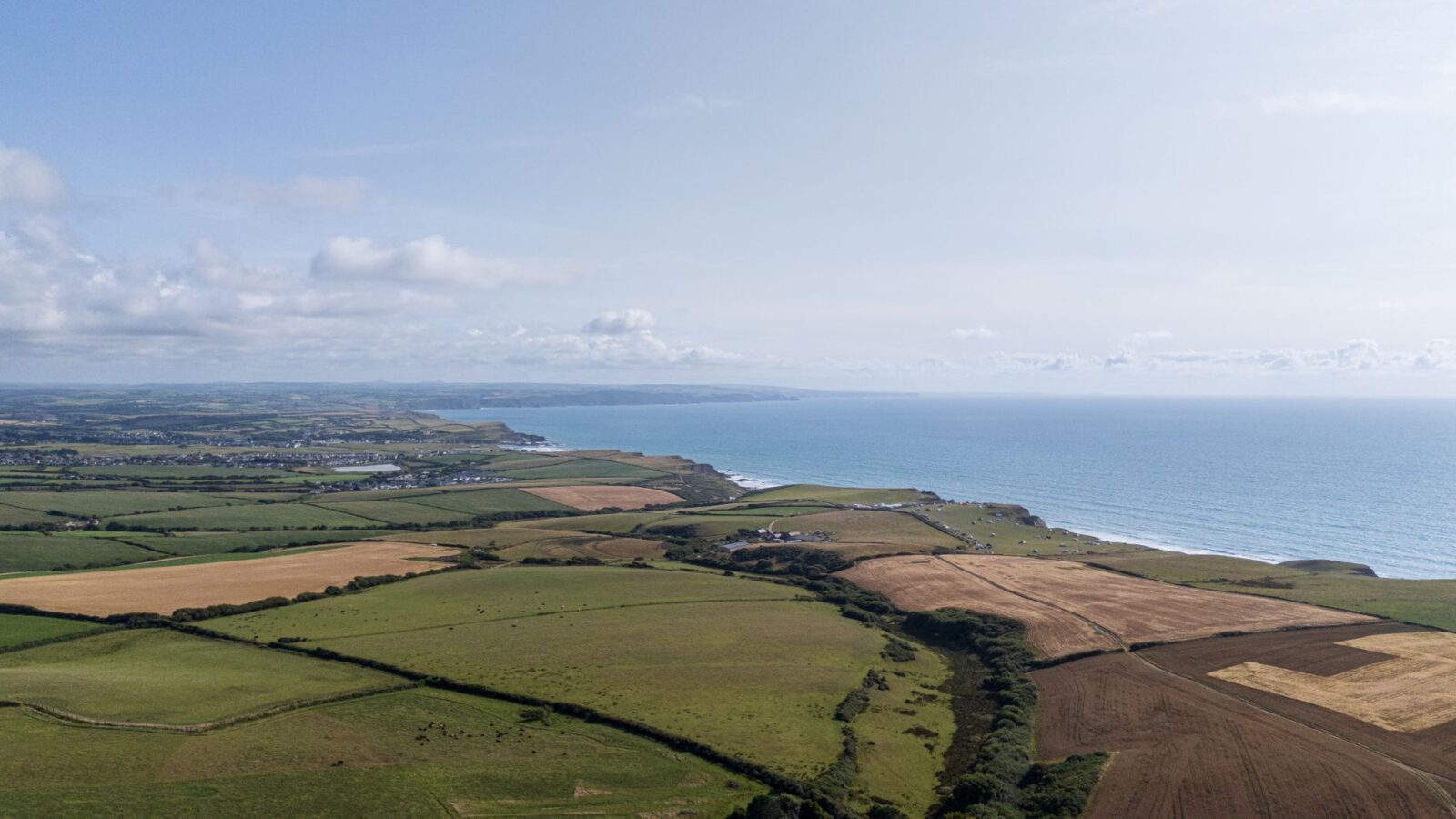
Remarkable Seaweed Discoveries Reshape Understanding of UK Coastal Ecosystems
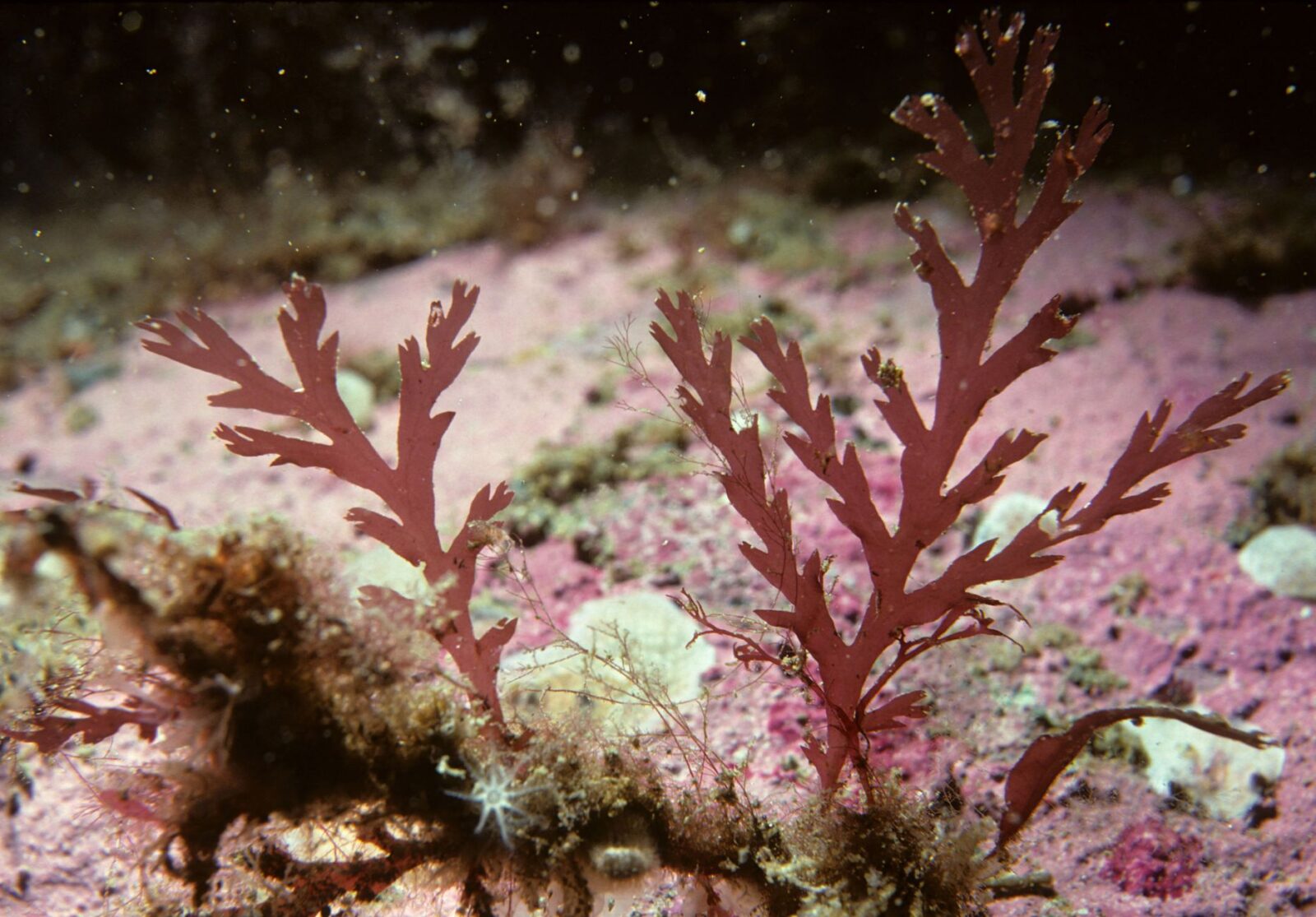
In a significant development for marine science, underwater surveys conducted off Cornwall’s south coast have revealed species of seaweed previously unknown to science. Natural England’s research team, working in the specialized maerl bed habitats, documented multiple rare finds during summer 2026 surveys. Among these discoveries is a minute red seaweed species measuring just a few millimeters across, which has now been confirmed as completely new to scientific records after successful laboratory cultivation and DNA sequencing.
This discovery represents more than just an academic curiosity. For travelers interested in coastal ecology, diving, or sustainable tourism, these findings highlight the extraordinary biodiversity that exists even in well-studied European waters. The maerl beds where these discoveries were made form unique underwater landscapes that support hundreds of marine species, creating destinations of particular interest to eco-conscious visitors and underwater photographers.
Why Cornwall’s Maerl Beds Matter for Marine Travelers
Maerl beds, composed of free-living coralline algae that form intricate underwater structures, are recognized as critical marine habitats. Natural England’s surveys have recorded over 350 species living on these beds’ surfaces alone, with many more species inhabiting the complex internal structures or appearing seasonally. These ecosystems function as living archives of natural history, preserving biodiversity patterns that have developed over centuries.
For travelers, this means Cornwall’s coastal areas offer exceptional opportunities for responsible marine observation. The discovery of species last seen centuries ago, alongside entirely new finds, underscores how these habitats continue to yield surprises. Visitors interested in contributing to conservation efforts can participate in guided eco-tours that educate about these fragile ecosystems while minimizing environmental impact.
The Scientific Process Behind Identifying Microscopic Marine Life
Identifying the tiny Ceramium species (commonly called pincer weed) presented unique challenges due to its minuscule size. Divers had to collect living fragments and transport them to the surface immediately for laboratory cultivation. Only after growing sufficient material could scientists perform the DNA sequencing necessary to confirm its status as a species new to science. This painstaking process highlights why such discoveries often take decades to verify.
Professor Christine Maggs, a world-renowned seaweed taxonomy expert, first encountered fragments of this organism in the 1980s but lacked the technology to study it properly. The recent surveys finally provided the conditions needed for definitive identification. This timeline demonstrates how marine biodiversity research builds incrementally, with each generation of scientists building upon previous observations.

Conservation Implications for Coastal Tourism Destinations
The discovery reinforces why protecting maerl beds is essential for maintaining marine biodiversity. These habitats face threats from coastal development, certain fishing practices, and climate change impacts. Natural England emphasizes that safeguarding these areas isn’t just about preserving individual species but maintaining entire ecological systems that support fisheries, coastal protection, and tourism value.
For the travel industry, this creates both responsibility and opportunity. Destinations with healthy maerl beds can attract visitors seeking authentic ecological experiences while contributing to conservation funding. Travelers can support these efforts by choosing tour operators with strong environmental credentials, participating in citizen science programs when available, and following guidelines that minimize disturbance to sensitive marine areas.
How These Findings Connect to Global Marine Biodiversity Trends
Cornwall’s discoveries align with broader patterns in marine science where technological advances and dedicated survey work continue to reveal new species, even in regions long studied by scientists. Similar discoveries have occurred in diverse locations from the Coral Triangle to the Mediterranean, suggesting that our understanding of marine biodiversity remains incomplete despite centuries of exploration.
This ongoing discovery process has practical implications for travelers. It means that even popular coastal destinations may harbor undocumented ecological wonders. Responsible travelers who educate themselves about local marine environments can enhance their experiences while contributing to the collective knowledge that helps protect these areas for future visitors.
Practical Guidance for Travelers Interested in Marine Conservation
Those wishing to engage with Cornwall’s marine discoveries can access specific resources. Natural England provides information about designated marine conservation zones through their official website, including maps of protected areas and guidelines for responsible visitation. The Marine Conservation Society also offers detailed information about maerl bed ecology and how to minimize impact when visiting coastal sites.
For underwater enthusiasts, several licensed dive operators in Cornwall specialize in ecological tours that include education about maerl beds and associated species. These operators typically partner with conservation organizations and follow strict protocols to ensure their activities don’t harm the very ecosystems they showcase. Travelers should verify operators’ environmental credentials before booking.
Future Outlook: What These Discoveries Mean for Coastal Travel
The identification of new species in UK waters suggests that similar discoveries could occur in other coastal regions worldwide as survey techniques improve. For the travel sector, this reinforces the value of preserving marine habitats not just for their current appeal but for their potential to yield future discoveries that enhance visitor experiences. Destinations investing in marine protection may gain competitive advantages in attracting ecologically conscious travelers.
Looking ahead, continued monitoring of these maerl beds will be essential. Natural England plans to maintain regular surveys to track changes in biodiversity over time. This long-term approach creates opportunities for travelers to participate in citizen science initiatives or visit during organized survey periods, turning vacation time into meaningful contribution to marine conservation efforts.
Connecting Marine Discoveries to Broader Travel Trends
These findings reflect a growing traveler interest in destinations that offer authentic ecological experiences alongside traditional attractions. Modern travelers increasingly seek to understand the natural systems that make places unique, rather than simply visiting scenic spots. Coastal areas with well-documented biodiversity like Cornwall’s maerl beds can cater to this demand through interpretive centers, guided ecological walks, and marine education programs.
For travel planners and tourism authorities, such scientific discoveries provide compelling content for sustainable marketing. Highlighting ongoing research and conservation efforts can attract visitors who value environmental stewardship. This approach aligns with global trends where travelers demonstrate willingness to pay premiums for experiences that contribute positively to destination preservation.
Stay informed with the latest travel news, visa updates, and destination guides. Follow HimalayanCrest.com for weekly travel intelligence delivered by our editorial team.