

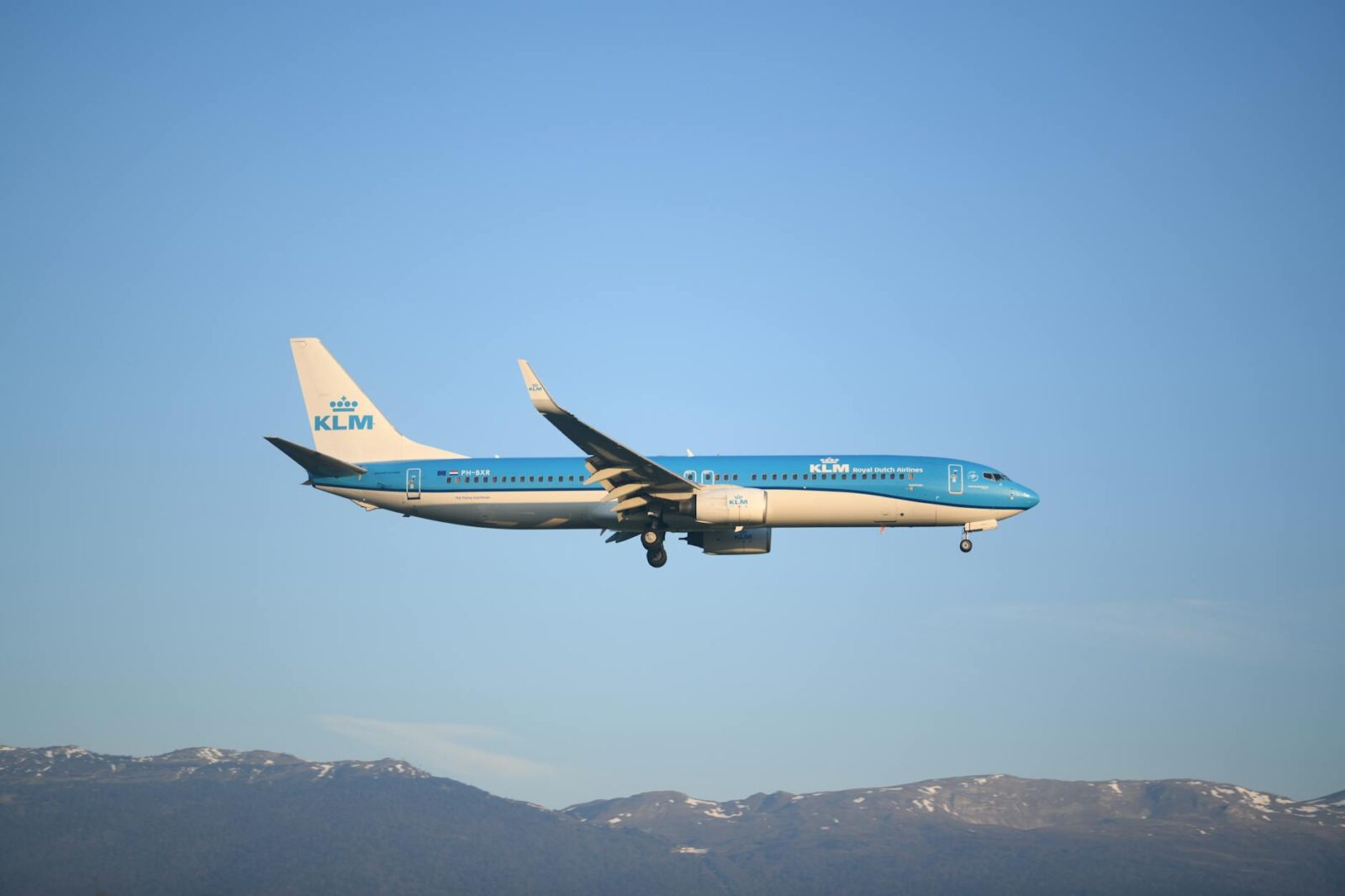
Why FlySafair Is Dominating African Skies Right Now
Imagine snagging a one-way flight from Johannesburg to Cape Town for under $40 USD while knowing your plane will arrive on time more reliably than any other major carrier in South Africa. That’s the FlySafair magic captivating travelers across Africa and beyond in 2026. As fuel prices spike due to Middle East tensions and holiday demand surges, this low-cost powerhouse is trending for its unbeatable fares, punctuality, and smart expansions like extra Easter flights to Harare.
FlySafair, a subsidiary of the veteran Safair group founded in 1965, has grown from a two-plane operation into South Africa’s first true budget airline with a fleet of 36 Boeing 737s. Operating from Johannesburg’s O.R. Tambo International Airport, it serves 15 destinations across Sub-Saharan Africa, slashing prices on domestic routes and earning a 3-Star rating from Skytrax for efficient service. Seasoned travelers report it’s the go-to for hassle-free hops between bustling hubs like Durban, Cape Town, and now more frequently, Harare in Zimbabwe.
Our research shows FlySafair’s on-time performance leads Africa, making it a lifeline for business folks and families chasing Easter reunions or quick getaways. With recent news of a temporary fuel surcharge—sparked by a 70% jet fuel hike at coastal airports—this airline’s adaptability keeps it ahead. Whether you’re plotting a Victoria Falls adventure or a Joburg-Durban beach escape, FlySafair delivers value that high-end carriers can’t match.
The FlySafair Fleet and Network: What Connects Africa Today
FlySafair’s backbone is its modern fleet of 36 Boeing 737-400 and 737-800 aircraft, all configured for efficiency with comfortable seats that punch above their low-cost weight. Based at O.R. Tambo (JNB), the airline blankets South Africa with routes to Cape Town (CPT), Durban (DUR), George (GRJ), and beyond, while stretching into East Africa. Popular paths like Durban-Johannesburg see heavy traffic, with the carrier serving 52 routes to 15 airports in five countries.
International jaunts include Harare (HRE) in Zimbabwe, where FlySafair just added a second daily flight from March 27 to April 7, 2026, boosting Easter capacity. This responds to surging demand for family visits and tourism between South Africa and Zimbabwe. Domestic stars shine too: Johannesburg-Cape Town remains the backbone, often dipping to R550 ($29 USD) one-way during sales, letting you pair a flight with a Table Mountain hike for under $100 total.
Safair’s 60-year legacy in specialized aviation ensures safety and reliability, with recent shareholder shifts in February 2026 positioning Harith affiliates to take the reins pending approvals. Travelers from Nigeria to the Philippines appreciate how FlySafair bridges Africa’s economic hubs without the frills markup. If you’re eyeing Namibia’s dunes or Mauritius beaches, watch for expansions—their model thrives on high volume and low overhead.
Fares, Fuel Surcharges, and Budgeting Like a Pro
FlySafair’s fares start at rock-bottom R550 ($29 USD) for short hops, making a round-trip Johannesburg-Durban under $60 USD feasible even post-surcharge. But with jet fuel jumping 70% in early 2026 due to Middle East conflicts, a temporary “dynamic fuel surcharge” hit select flights from March 2026, adding roughly $10-20 USD per leg on coastal routes. Our analysis confirms it’s temporary, so book mid-week for the best deals—avoiding peaks like Easter when Harare flights doubled.
Budget $50-100 USD round-trip for domestic jaunts, plus $25 USD for checked bags (20kg allowance). Cabin baggage caps at 22x14x9 inches—pack light with a capsule wardrobe of neutrals for multi-stop trips. Apps from regions like the UAE or India users love the official FlySafair app for real-time pricing; it flags flash sales, like recent Joburg-Cape Town offers at $35 USD one-way.
For longer hauls to Harare, expect $120-180 USD round-trip in peak season, still half the price of legacy airlines. Factor in airport transfers: JNB’s Gautrain to the city center costs $10 USD, while Harare taxis run $15 USD. Pro tip: Use USD equivalents in the app for global planning, and lock fares 4-6 weeks out for 20-30% savings, per traveler data.
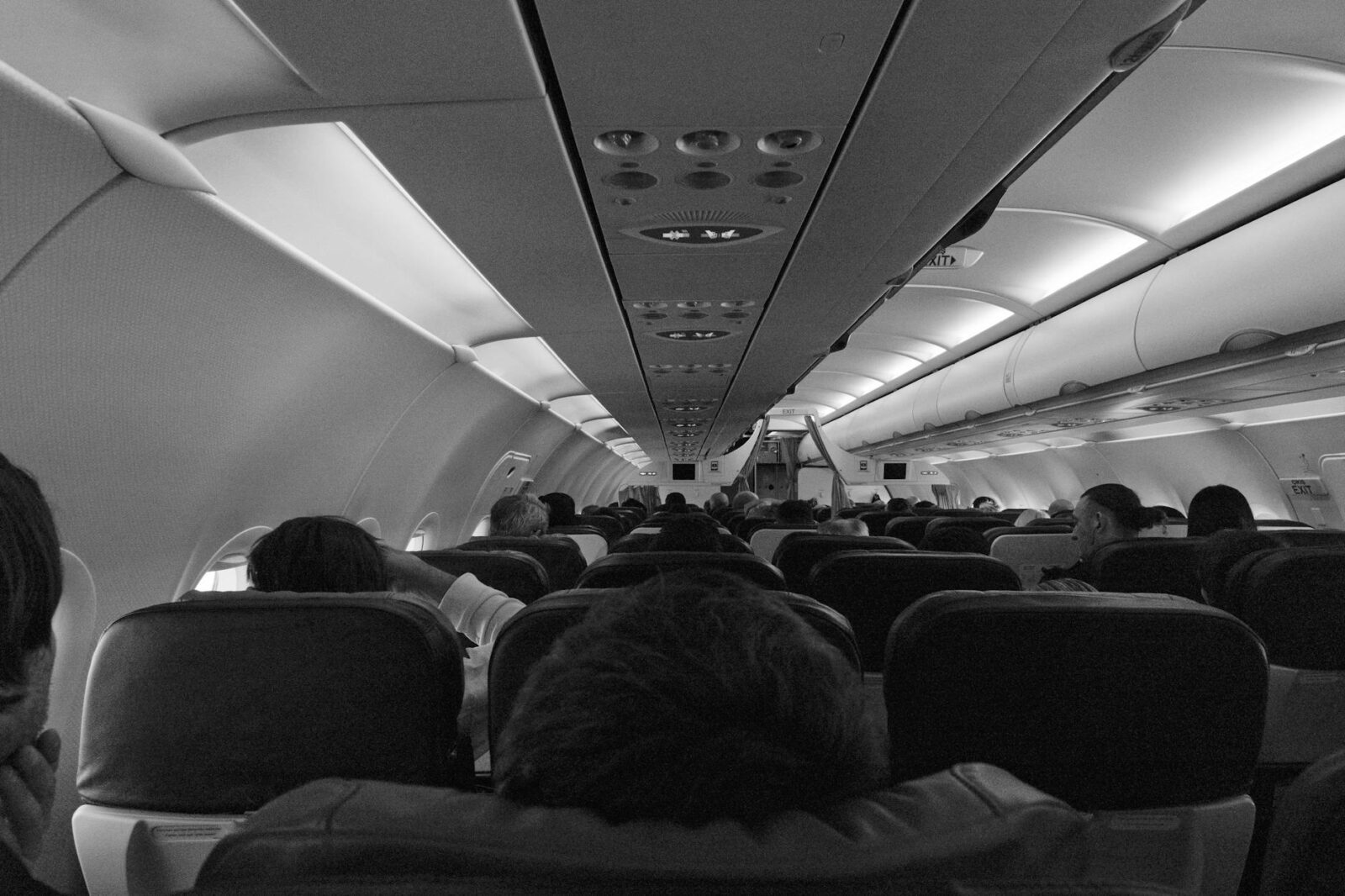
On-Time Kings: Why FlySafair Wins Reliability
FlySafair holds the crown as Africa’s most punctual airline and the world’s best on-time low-cost carrier, with monthly stats boasting over 90% arrivals within 15 minutes. This edges out rivals on domestic routes, where delays plague competitors amid air traffic woes. Cabin crew efficiency earns Skytrax’s 3-Star nod, with friendly service on compact but comfy seats.
Recent Easter boosts to Harare prove their agility—extra flights from March 27-April 7 ensured no one missed family feasts. Travelers from Asia or South America, used to chaotic hubs, rave about JNB’s smooth operations. Our experts note this reliability shines for tight connections, like flying Joburg-Durban then bussing to Drakensberg hikes.
Downsides? No free meals or entertainment—bring your own snacks and downloaded shows. But for 2-hour flights, it’s perfect, keeping costs low. Compare to Europe’s Ryanair: similar no-frills vibe, but FlySafair’s warmth feels more welcoming, like chatting with a local auntie mid-flight.
Planning Your FlySafair Adventure: Step-by-Step Guide
Start with the official app or website for fares—search flexible dates to nab $30 USD steals. Step 1: Pick routes like JNB-CPT for coastal vibes or JNB-HRE for Victoria Falls day trips. Step 2: Budget extras—$25 USD checked bag, $10 USD seat selection. Step 3: Check visa needs; South Africans zip freely domestically, but Zimbabwe requires e-visas ($30 USD, apply at zim.gov.zw).
Step 4: Download the app for check-in 24 hours prior, skipping lines. Step 5: Arrive 90 minutes early at JNB’s domestic terminal. For Harare, confirm Easter schedules if traveling soon post-April 7. International travelers from India or Nigeria: No ETA needed for SA transit under 90 days, but verify at travel.state.gov.
- Book mid-week for lowest fares.
- Pack to cabin limits: Roll clothes, use compression bags.
- Grab pre-paid SIMs at JNB for $5 USD data.
- Pair flights with buses: Durban to Ballito Beach for $8 USD.
This checklist has helped thousands fly smarter—print it for your wallet.

Insider Tips and Common Pitfalls to Dodge
Locals swear by FlySafair’s quiet Tuesday flights—fewer crowds, more legroom. Avoid checked bags if possible; overhead bins fill fast on popular Durban runs. For Harare bound? Time flights for morning arrivals to catch affordable shuttles to Great Zim Ruins ($50 USD tour). Fuel surcharges ease soon—monitor via app notifications.
Beyond basics, upgrade to “Max” bundles for $20 USD including bags and seats—worth it for families. If you love AirAsia’s Asia hops, FlySafair mirrors that thrift with African flavor: Pair a CPT flight with biltong snacks and a Winelands winery crawl. Pitfall: Strict bag enforcement—measure at home. From Middle East flyers: Their punctuality rivals Emirates domestics but at 1/10th cost.
Pro move: Combine with intercity buses like Greyhound for full loops, like JNB-East London via CPT for under $150 USD total. Watch for sales post-Easter; April-May fares plummet 25%.
FlySafair vs. Rivals: Is It Right for You?
Stack FlySafair against Airlink: FA wins on price (30-50% cheaper) and punctuality, but Airlink offers free meals on regionals. Vs. Mango (defunct vibes): FlySafair’s fleet youth (average 15 years) trumps. Love Spirit in the Americas? FlySafair’s similar but with better seats and African hospitality.
For Harare, it’s unmatched—extra Easter flights beat bus marathons. Budget backpackers from Philippines or Indonesia: Perfect for multi-hops. Families? Reliability seals it over riskier options. If frills matter, skip to SAA; else, FlySafair rules value.
Future outlook: With Harith buy-in, expect East Africa growth. Fuel woes temporary—2026 promises more routes.
Frequently Asked Questions About FlySafair
What are FlySafair’s baggage rules? Cabin bags max 22x14x9 inches, no weight limit but must fit overhead. Checked: 20kg for $25 USD. Exceed? Gate fees double—pack smart.
Are FlySafair flights safe and reliable? Yes, backed by Safair’s 60 years. Tops Africa punctuality at 90%+, 3-Star Skytrax rated. Track live at flysafair.co.za/otp.
How much for Johannesburg to Cape Town? One-way from $29-50 USD, plus surcharge if active. Round-trip under $100 USD off-peak. Book via app.
Visa for FlySafair’s Harare flights? Zimbabwe e-visa $30 USD at zim.gov.zw (SA citizens exempt). SA domestic: ID suffices.
Any recent changes due to fuel prices? Temporary dynamic surcharge from March 2026 on select flights, $10-20 USD. Monitor site; Middle East-driven but short-term.
Ready to soar with South Africa’s budget king? Share your FlySafair stories in comments—did that Harare hop change your trip? Bookmark for your next Africa adventure and tag friends plotting escapes.
Stay informed with the latest travel news, visa updates, and destination guides. Follow HimalayanCrest.com for weekly travel intelligence delivered by our editorial team.