

Under the Dancing Lights: Why Winter Iceland Calls Right Now
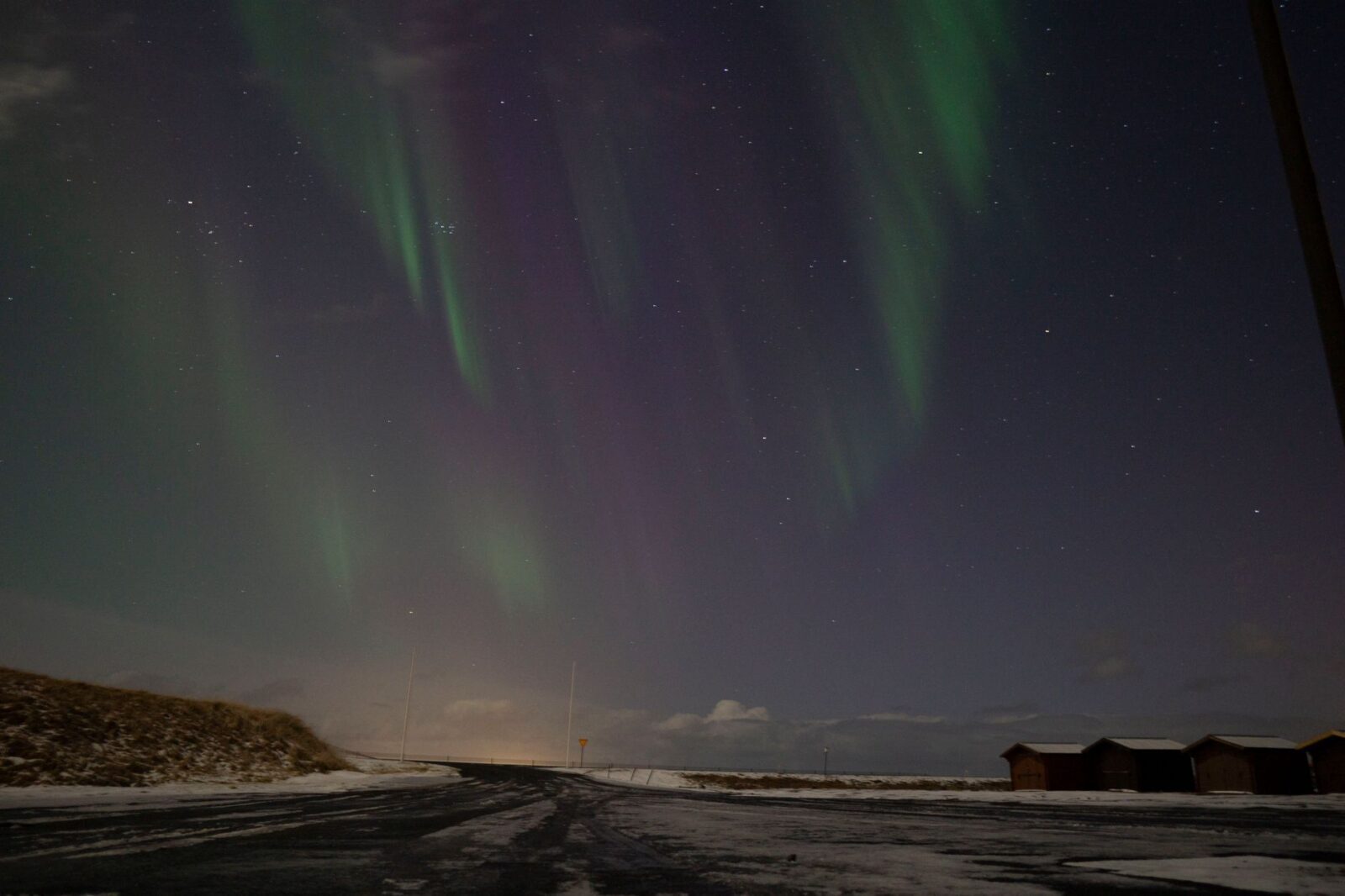
Imagine standing on a black sand beach as ribbons of green and violet swirl overhead, the cold air crisp enough to make your breath visible. This is the promise of an Icelandic winter, a season when the island’s raw beauty feels amplified by darkness and silence. The aurora borealis is not just a spectacle; it becomes a companion on long drives across lava fields and past steaming geothermal vents. For travelers seeking both adventure and tranquility, the months from September to March offer the highest probability of witnessing the lights in their full glory.
Recent reports confirm that aurora activity has already begun in early August 2026, with sightings along the South Coast as daylight wanes. This early start is linked to increased solar activity, which experts say will continue to strengthen through the coming winter. The combination of longer nights and clearer skies creates ideal conditions for photographers and casual observers alike. If you have ever dreamed of chasing the northern lights, now is the moment to turn that dream into a plan.
Beyond the lights, winter transforms Iceland’s landscape into a playground of ice caves, frozen waterfalls, and quiet hot springs tucked into snowy valleys. The contrast between fire and ice is literal here, as geothermal energy heats pools even while glaciers creep nearby. This duality invites visitors to experience both extremes in a single day, making every itinerary feel like a story of opposites harmonizing.
Chasing the Aurora: Best Months for Northern Lights and the 2026 Solar Eclipse
The northern lights season in Iceland officially runs from late September to mid‑April, but the peak months for clarity and frequency are October through February. During these weeks, the country averages only four to six hours of daylight, giving ample darkness for aurora hunting. Statistically, the strongest displays tend to occur around the equinoxes, when solar wind interacts most effectively with Earth’s magnetic field.
August 12, 2026 brings a rare celestial event: a total solar eclipse that will sweep across western Iceland, plunging towns like Ísafjörður and Patreksfjörður into darkness for over two minutes at midday. While the eclipse itself is a daytime phenomenon, its arrival signals a period of heightened solar activity that often translates into more intense auroral displays in the weeks that follow. Travelers who plan a late‑summer visit can witness the eclipse and then stay for the early aurora season that begins in September.
For those focused purely on maximizing aurora odds, late September and early October offer a sweet spot: nights are long enough for darkness, yet temperatures are milder than mid‑winter lows, making road travel more comfortable. By November, temperatures regularly dip below freezing, especially inland, but the snow‑covered scenery adds a magical layer to any northern lights excursion. Whatever month you choose, checking the aurora forecast and cloud cover each evening will greatly improve your chances.
Road Trip Essentials: The Ring Road Winter Route and Hot Spring Detours
The classic way to explore Iceland in winter is to drive the Ring Road (Route 1), the 1,332‑kilometer highway that circles the island and connects its most iconic sights. In winter, certain sections—particularly the East Fjords and the northern stretch near Akureyri—can experience sudden weather changes, so a four‑wheel‑drive vehicle is strongly recommended. Rental companies in Reykjavik and at Keflavík Airport offer winter‑equipped cars with studded tires, GPS, and roadside assistance for around $75‑$120 per day.
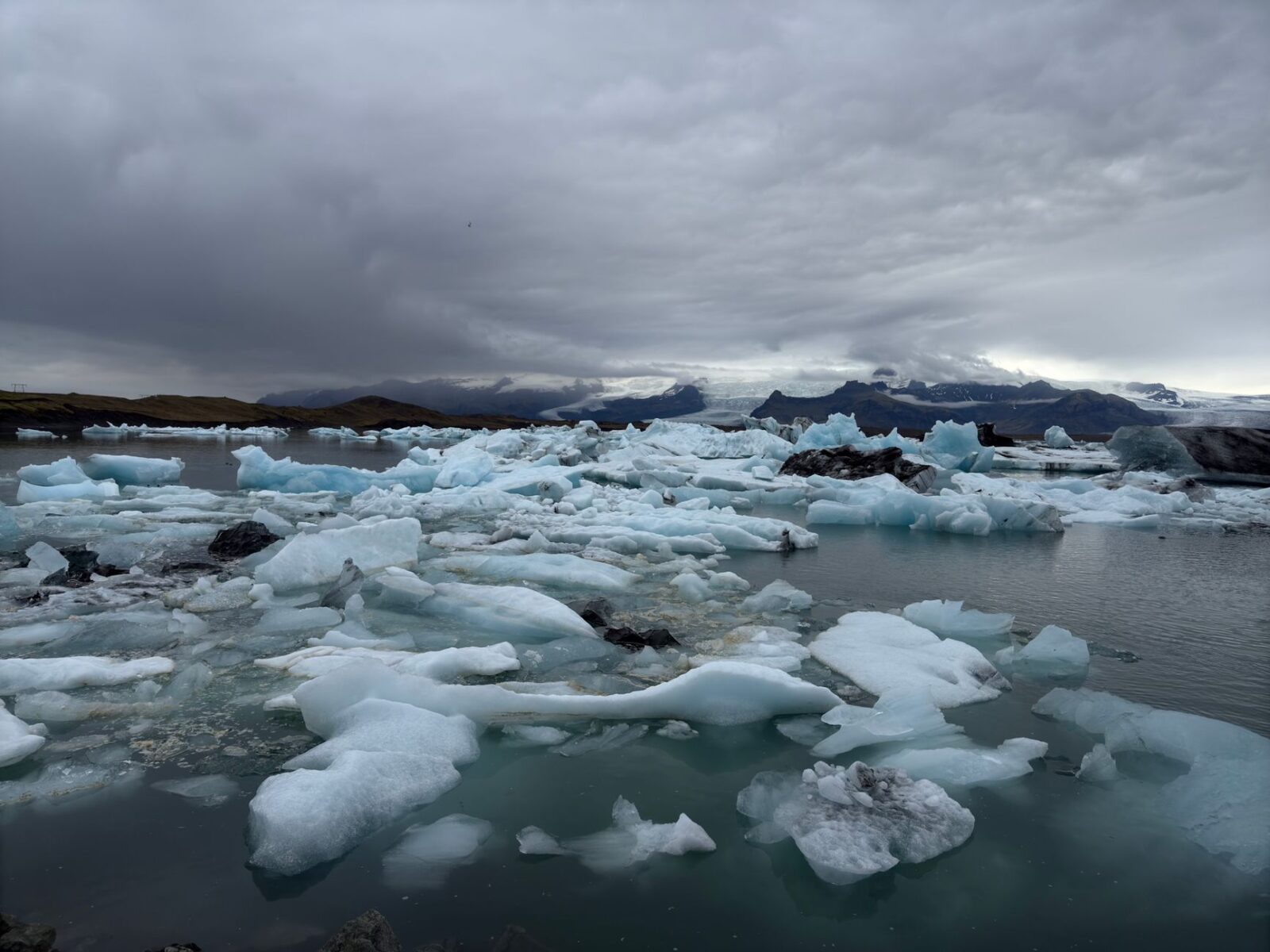
Driving the Ring Road in winter allows you to chase the aurora from one remote location to another, stopping whenever the sky lights up. Popular viewing spots include Jökulsárlón glacier lagoon, where icebergs float under the lights, and the black sand beach of Reynisfjara near Vík, where the contrast of dark sand and glowing aurora creates dramatic photographs. Always pull over in designated safe areas; stopping on the highway shoulder is illegal and dangerous.
Along the route, several geothermal valleys offer natural hot springs that are perfect for warming up after a day of aurora hunting. Reykjadalur Hot Spring Valley, a short hike from the town of Hveragerði, features a warm river where you can bathe amid steaming hills. A newer development, Reykjabod Hot Springs, is set to open in late August 2026 near the same valley, offering private pools and sauna facilities with entry fees expected to be around $25 per person. These spots let you experience Iceland’s geothermal heart without the crowds of the Blue Lagoon.
Where to Rest Your Head: From Budget Hostels to Luxury Lodges
Reykjavik remains the most convenient base for short trips, with a range of accommodations to suit every budget. Budget travelers can find clean, sociable hostels in the city center for $30‑$50 per night, often including free breakfast and organized northern lights tours. Mid‑range options such as guesthouses and three‑star hotels in neighborhoods like Vesturbær or Laugardalur average $80‑$150 per night, providing private bathrooms and easier access to restaurants and museums.
For those seeking luxury, Reykjavik’s boutique hotels and waterfront properties offer rooms from $200 upward, many with spa services, fine dining, and guided aurora excursions included. Outside the capital, the countryside presents unique stays: farm stays in South Iceland cost roughly $70‑$110 per night and often include home‑cooked meals made with local lamb or fish. In the north, igloo‑style glass accommodations near Akureyri let you watch the northern lights from bed, with prices starting at $180 per night.
When booking, look for properties that offer free cancellation and flexible dates, as winter weather can sometimes shift travel plans. Many lodgings also provide a wake‑up service for aurora alerts, calling you when activity spikes. Reading recent guest reviews on trusted platforms will help you spot places that keep walkways shoveled and heating reliable during storms.
Soaking in Nature: Top Hot Springs and Geothermal Pools to Visit
Iceland’s geothermal wealth means hot springs are scattered across the island, each with its own character. The Blue Lagoon, located in a lava field near Grindavík, remains the most famous, with milky‑blue waters rich in silica and algae. Entry starts at $69 for the basic package, which includes a silica mask, use of a towel, and one drink. For a quieter experience, consider the Secret Lagoon in Flúðir, a smaller pool where locals gather; admission is about $20 and the water stays at a steady 38‑40°C year‑round.
In the west, the geothermal area of Deildartunguhver feeds several natural pools, including the family‑friendly Krauma Spa, where you can alternate between hot and cold baths for $28. The Westfjords offer hidden gems like the pool at Landbrotalaug, a tiny, rock‑lined spring that requires a short hike and offers no facilities—just pure, untouched water. Always respect nature by leaving no trace and checking whether a spring is safe for bathing, as some have extremely high temperatures or acidic water.
For a truly off‑the‑beaten‑path experience, venture to the Highlands in summer (accessible only with a modified 4×4) to find springs like Landmannalaugar, where you can bathe in a river surrounded by colorful rhyolite mountains. While the Highlands are closed in winter due to snow, the lower‑elevation springs along the Ring Road remain open and plentiful. Combining a hot spring soak with an aurora watch creates a quintessential Icelandic moment: warmth against the cold, stillness under moving light.
Taste of Iceland: Must‑Try Dishes, Street Food, and Where to Find Them
Icelandic cuisine reflects the island’s harsh climate and reliance on fresh, local ingredients. A must‑try is the traditional lamb stew known as kjötsúpa, slow‑cooked with root vegetables and herbs; a hearty bowl costs around $12‑$16 at casual eateries. Another staple is fresh fish, particularly haddock or Arctic char, often grilled and served with boiled potatoes and rye bread for about $18‑$22.
For something quick and iconic, seek out the pylsur, Iceland’s take on the hot dog, made from a blend of lamb, pork, and beef and topped with raw onions, sweet mustard, and remoulade. A pylsur from the famous Bæjarins Beztu stand in Reykjavik costs roughly $3‑$4 and is best enjoyed while walking along the old harbor. Street food markets such as Kolaportið, held weekly near the old harbor, offer delicacies like fermented shark (hákarur) and rye bread ice cream, letting adventurous eaters sample flavors that have sustained Icelanders for centuries.
If you have a sweet tooth, try skyr, a thick, protein‑rich dairy product similar to yogurt, available plain or flavored with berries for $2‑$3 per cup. Pair it with a slice of rye bread topped with smoked salmon and cream cheese for a classic open‑face sandwich. Coffee culture is strong; a cappuccino in a Reykjavik café averages $4‑$5, and many roasters source beans locally, offering unique notes that hint at the island’s volcanic soil.
Getting There and Around: Flights, Car Rentals, Public Transport, and Visa Basics
Most international travelers arrive at Keflavík International Airport (KEF), located about 50 kilometers southwest of Reykjavik. Direct flights from North America, Europe, and increasingly from the Middle East and Asia operate year‑round, with airlines such as Icelandair, Play, and Delta offering competitive fares. A round‑trip ticket from New York to Reykjavik in winter typically ranges from $450‑$650 when booked two to three months in advance.
From the airport, the Flybus shuttle connects to the BSÍ bus terminal in Reykjavik for about $25 one‑way, or you can pick up a rental car directly at the terminal. Public buses (Strætó) serve the capital region and major towns, but service frequency drops in winter, especially in remote areas, making a car the most flexible option for aurora chasing. If you prefer not to drive, organized northern lights tours depart daily from Reykjavik, costing $80‑$130 per person and including transport, guide, and often warm overalls.
Visa requirements depend on your nationality. Citizens of the Schengen Area, the United States, Canada, Australia, and many other countries can enter Iceland visa‑free for stays up to 90 days within a 180‑day period. Travelers should ensure their passport is valid for at least three months beyond the planned departure date. No specific vaccinations are required for entry, but routine travel insurance that covers medical evacuation is strongly advised due to the remote nature of some attractions.
Living Like a Local: Customs, Etiquette, and Common Mistakes to Avoid
Icelanders value personal space and privacy, so a friendly nod or brief greeting is customary when passing someone on a trail or in a small shop; loud conversations are generally frowned upon in public spaces. When visiting someone’s home, it is polite to remove your shoes at the door, a practice that helps keep interiors clean in a country where outdoor gear can be muddy or sandy. Tipping is not expected; service charges are included in bills, though leaving small change for exceptional kindness is appreciated.
One common mistake travelers make is underestimating the speed of weather changes. A clear morning can turn into a whiteout blizzard by afternoon, especially in the highlands or near glaciers. Always check the road.is website for real‑time road conditions and closures before setting out, and keep emergency supplies in your vehicle, including warm blankets, food, water, and a charged phone. Another oversight is ignoring the aurora forecast; relying solely on luck can lead to missed opportunities, whereas a quick glance at the vedur.is website or app can point you toward the best viewing windows each night.
Respect for nature is deeply ingrained in Icelandic culture. Stay on marked paths when walking near geothermal areas, as the ground can be thin and hide scalding water. Do not drive off‑road; it is illegal and damages fragile moss that takes decades to recover. Finally, remember that many hot springs are considered sacred or private; if a pool lacks clear signage inviting public use, assume it is not for tourists and seek out designated bathing spots instead.
Frequently Asked Questions: Quick Answers for Your Icelandic Adventure
What is the best time to see the northern lights in Iceland?
The northern lights are visible from late September to mid‑April, with peak activity typically occurring between October and February when nights are longest and darkest. Clear, cold nights away from city lights give the highest chances, and monitoring the aurora forecast improves success rates.
How much does a typical winter road trip around the Ring Road cost?
A self‑driven Ring Road trip covering fuel, accommodation, meals, and entry fees averages $150‑$200 per day for two people. Budget travelers can reduce costs by staying in hostels and cooking their own meals, while luxury seekers may spend $300‑$400 per day for private guides and high‑end lodges.
Are hot springs open in winter, and are they safe to use?
Most low‑land hot springs remain accessible year‑round, though some high‑land sources close due to snow. Always check local advisories; water temperatures can vary greatly, so test with your hand before entering and never bathe in springs marked as unsafe or private.
Do I need a four‑wheel‑drive vehicle to drive in Iceland during winter?
While the main Ring Road is kept open and plowed, a four‑wheel‑drive vehicle is strongly recommended for better handling on icy or snowy stretches, especially in the East Fjords and northern areas. Rental companies offer winter‑tire packages that include studded tires and emergency kits.
Is Iceland expensive to visit, and how can I save money?
Iceland has a higher cost of living than many destinations, but savings are possible by traveling in shoulder seasons (late September or early April), using public buses where available, eating at grocery stores or hot dog stands, and booking accommodations with kitchen facilities to prepare meals.
Stay informed with the latest travel news, visa updates, and destination guides. Follow HimalayanCrest.com for weekly travel intelligence delivered by our editorial team.