

Massive Crane Lifts Mark a Turning Point at Sellafield’s SIXEP Continuity Plant
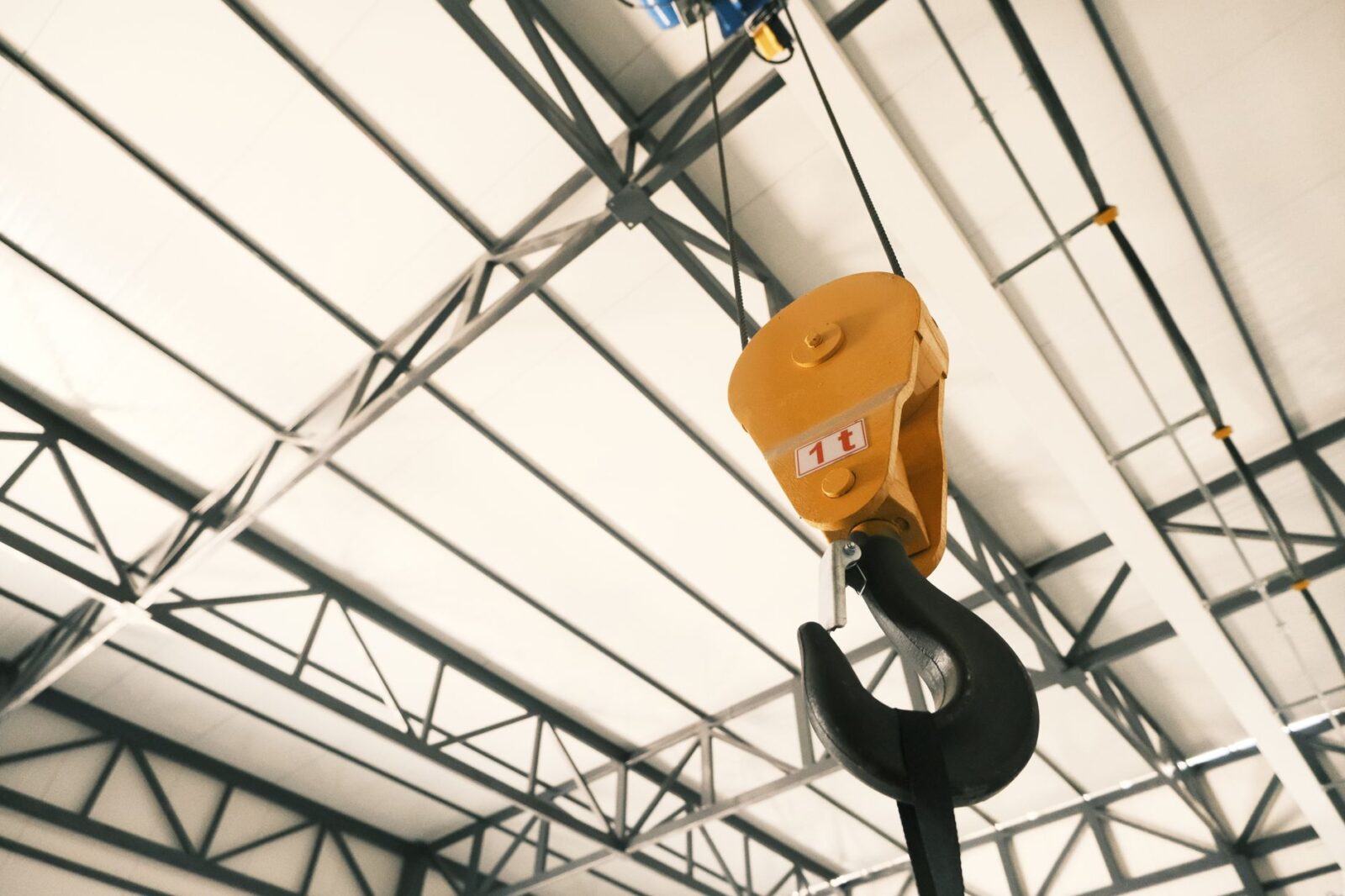
In mid‑August 2026, observers at the Sellafield site in Cumbria watched as a series of heavy lifts positioned fourteen pump and valve modules into place. A 55‑tonne gantry crane was also installed, moving the SIXEP Continuity Plant (SCP) project to roughly three‑quarters completion. These milestones were announced by Sellafield Ltd on 18 August 2026, highlighting the scale of effort required to replace the ageing Site Ion Exchange Effluent Plant. The work is being carried out by the Programme and Project Partners consortium under strict nuclear safety protocols.
The SIXEP Continuity Plant will eventually take over the role of the existing SIXEP facility, which treats radioactive liquids produced across the site before they are discharged to the sea. Often described as the site’s “kidneys,” the plant removes contaminants such as cesium and strontium, ensuring that effluent meets stringent environmental standards. Its continued operation is vital for the safe decommissioning of legacy nuclear assets and for any future activities on the Sellafield campus.
What the Recent Lifts Reveal About Project Progress
Project officials reported that the main buildings of the SCP are now complete and weather‑protected, allowing interior fit‑out work to begin. The installation of specialist equipment, including the fourteen pump and valve modules, represents a critical step toward operational readiness. Each module contains precision‑engineered components designed to handle highly radioactive fluids without leakage.
The newly erected gantry crane will support ongoing heavy‑lift tasks inside the plant, reducing reliance on external cranes and improving schedule resilience. According to the PPP managing director, the arrival of this equipment validates years of design, engineering, and manufacturing effort. The project remains on track to begin operations in 2029, assuming no major regulatory or technical setbacks.
Why Nuclear Infrastructure Matters for Global Talent Mobility
Large‑scale nuclear projects like the SIXEP Continuity Plant create demand for highly skilled engineers, welders, radiation protection technicians, and quality assurance specialists. Many of these roles require specific certifications and experience that are not always readily available in the local labour market. Consequently, international recruitment becomes a practical necessity for meeting project timelines.
For professionals considering a move to the United Kingdom, the Sellafield development signals a medium‑term increase in job openings within the nuclear decommissioning sector. While the plant itself is a civilian facility, the skill sets overlap with those needed in nuclear power generation, medical isotope production, and radioactive waste management worldwide.

UK Immigration Routes Relevant to Nuclear Sector Workers
The primary pathway for skilled overseas workers is the UK Skilled Worker visa, which replaced the Tier 2 (General) route in 2021. Applicants must have a job offer from an approved sponsor, meet a minimum salary threshold (generally £26,200 per year or the “going rate” for the occupation, whichever is higher), and demonstrate English language proficiency. Points are awarded for salary, qualifications, and shortage occupation status.
Certain nuclear‑related occupations appear on the UK’s Shortage Occupation List, which can lower the required salary threshold and make the visa application more favorable. Examples include welding engineers, non‑destructive testing technicians, and health physics specialists. The Global Talent visa also offers an option for individuals recognized as leaders or potential leaders in academia, research, or digital technology, though it is less commonly used for hands‑on nuclear trades.
Applicants should consult the official UK Visas and Immigration guidance at gov.uk/skilled-worker-visa for the most current fee schedules, processing times, and document requirements. As of 2026, the application fee ranges from £625 to £1,500 depending on circumstances, with an additional healthcare surcharge of £624 per year.
How Other Countries Attract Nuclear Expertise
Comparing the UK approach with other nations highlights both similarities and distinctive features. In the United States, the H‑1B visa program permits employers to sponsor foreign workers in specialty occupations, including nuclear engineering. However, the annual cap and lottery system can create uncertainty, prompting some firms to rely on the L‑1 intracompany transfer or the O‑1 visa for individuals with extraordinary ability.
Canada’s Global Skills Strategy offers a two‑week processing window for certain high‑skill occupations, and the Express Entry system awards points for French language ability, provincial nominations, and arranged employment. Specific nuclear roles such as radiation protection officers often qualify under the National Occupational Classification (NOC) 2212 (Technical occupations in life sciences).
France, with its extensive nuclear fleet, utilizes the “Talent Passport” visa for skilled workers, researchers, and investors. The procedure emphasizes recognition of qualifications and offers a pathway to long‑term residency after three years of continuous employment. These examples illustrate that while the UK’s points‑based system is competitive, prospective applicants may find alternative routes that better match their personal circumstances.
Practical Steps for Professionals Interested in Sellafield‑Related Opportunities
First, monitor the Sellafield Ltd careers portal (sellafieldsites.com/careers) and the websites of the Programme and Project Partners partners for vacancy announcements. Roles frequently advertised include mechanical engineers, electrical designers, health physics monitors, and quality assurance auditors.
Second, ensure that any overseas qualifications are recognized by the UK authorities. The UK ENIC service provides statements of comparability for academic credentials, while professional bodies such as the Institution of Mechanical Engineers (IMechE) or the Society for Radiological Protection offer guidance on chartership or registration processes.
Third, prepare the standard Skilled Worker visa documentation: a valid Certificate of Sponsorship from the employer, proof of English proficiency (e.g., IELTS Academic with a minimum overall score of 6.0), bank statements showing maintenance funds (unless the sponsor certifies coverage), and a valid passport. Keep digital copies ready for upload via the UKVI online portal.
Fourth, consider timing your application to align with the plant’s commissioning phase. While the SCP is not expected to go live until 2029, early‑stage construction and installation contracts often run for several years, creating a window for skilled workers to gain UK experience before the operational phase begins.
Potential Impact on Investors, Digital Nomads, and Retirees
Although the SIXEP Continuity Plant is primarily an industrial undertaking, its progress can indirectly affect other migrant categories. Investors looking at the UK’s Innovator Founder visa may see ancillary opportunities in supply‑chain firms that provide specialized welding robots, radiation shielding materials, or remote handling equipment to Sellafield projects.
Digital nomads, whose work is location‑independent, are less likely to be directly affected by nuclear construction timelines. However, the broader economic activity generated by large infrastructure projects can boost demand for coworking spaces, short‑term rentals, and local services in nearby towns such as Whitehaven and Workington, potentially enhancing the area’s appeal for remote workers seeking a quieter base.
Retirees interested in the UK’s retirement‑focused routes (e.g., the UK Ancestry visa for Commonwealth citizens or various pension‑based schemes) will find little direct link to the Sellafield development. Nonetheless, a stable regional economy supported by major projects can contribute to long‑term property value stability and public service quality, factors that weigh into relocation decisions.
Frequently Asked Questions
- Does the SIXEP Continuity Plant project create new visa sponsorship opportunities?
Yes. As the project advances, contractors and subcontractors frequently seek skilled workers from overseas to fill specialty roles. Prospective applicants should watch for sponsorship licenses on the UKVI sponsor list and target employers that have demonstrated a history of sponsoring Skilled Worker visas.
- Which occupations related to nuclear decommissioning are on the UK Shortage Occupation List?
Examples include welding engineers (code 2126), non‑destructive testing technicians (3119), health physics specialists (2113), and radiation protection supervisors (3545). Being listed in these codes can reduce the required salary threshold and increase points under the Skilled Worker system.
- How long does it typically take to obtain a UK Skilled Worker visa for a nuclear role?
Processing times vary, but standard applications submitted from outside the UK are usually decided within three weeks when using the priority service. Standard service can take up to eight weeks. Applicants should check the latest processing times on the gov.uk visa checking tool.
- Are there any language exemptions for highly technical nuclear positions?
The English language requirement is mandatory for all Skilled Worker applicants unless they are nationals of a majority‑English‑speaking country or have completed a degree taught in English that is recognized by UK ENIC. There are no occupation‑specific exemptions.
- What should I do if my job offer does not meet the minimum salary threshold?
First, verify whether the occupation appears on the Shortage Occupation List, which can lower the threshold. Second, discuss with the employer the possibility of adjusting the salary or combining the role with additional responsibilities that raise the overall compensation. If neither option works, consider alternative visas such as the Global Talent visa or exploring opportunities in countries with different salary benchmarks.
Looking Ahead: Nuclear Progress and Global Mobility
The recent crane lifts at Sellafield are more than a milestone in civil engineering; they reflect a broader trend where major infrastructure projects shape labor markets and influence immigration patterns. As the SIXEP Continuity Plant moves toward its 2029 commissioning date, the demand for specialized nuclear talent will likely persist, creating ongoing avenues for skilled professionals to consider the United Kingdom as a destination.
For individuals evaluating their options, the key is to align qualifications with the specific needs of the project, secure a credible job offer from a licensed sponsor, and stay informed about evolving immigration rules through official channels. By doing so, engineers, technicians, and specialists can contribute to one of Europe’s most important environmental safety initiatives while advancing their own international careers.
Stay informed with the latest travel news, visa updates, and destination guides. Follow HimalayanCrest.com for weekly travel intelligence delivered by our editorial team.