


Why Travel Insurance Matters: Real-World Scenarios
Picture this: You’re on a dream vacation in Bali, exploring the lush rice terraces of Ubud. Suddenly, you slip and sprain your ankle. Without travel insurance, you’d be left covering the hefty medical bills yourself. According to the Global Travel Insurance Association, medical emergencies abroad can cost anywhere from $10,000 to $100,000 USD, depending on severity and location. This is where travel insurance steps in as your financial safety net.
Understanding Core Coverage: The Basics You Need
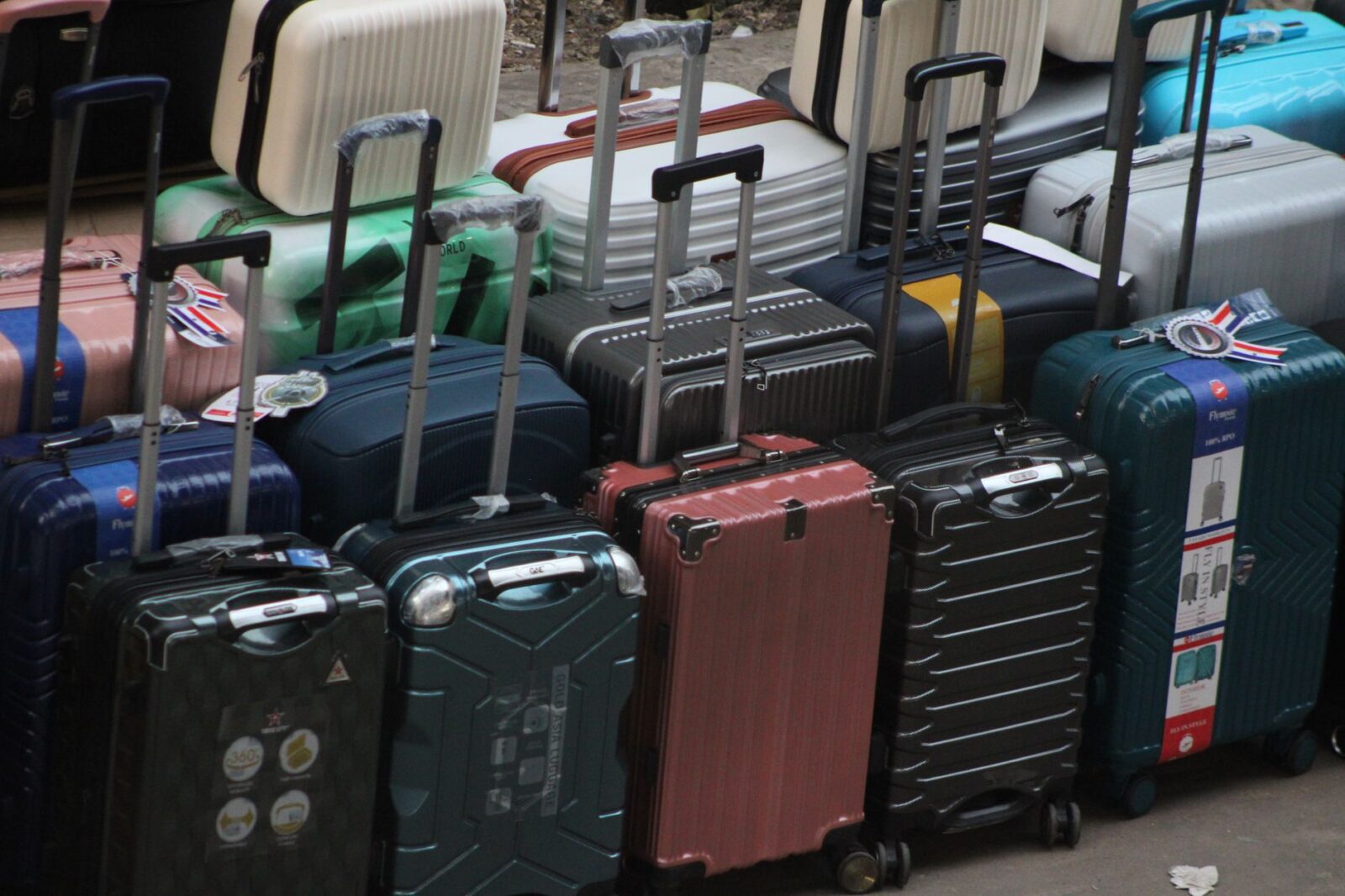
Travel insurance typically covers three main areas: trip cancellations, medical emergencies, and baggage loss. Trip cancellation policies protect you if unforeseen events, like illness or severe weather, force you to cancel your plans. These policies usually cover prepaid, nonrefundable expenses such as flights and hotel bookings. Medical coverage handles emergency medical expenses incurred during your trip, a must-have if you’re traveling to regions without reciprocal healthcare agreements. Baggage insurance reimburses you for lost, stolen, or damaged luggage, offering peace of mind when airlines misplace your bags.
When Travel Insurance is Worth the Investment
Travel insurance costs generally range from 4-10% of your total trip cost. For a $5,000 USD vacation, expect to pay between $200 and $500 USD for comprehensive coverage. It’s especially advisable for international trips, expensive vacations, or if you’re participating in high-risk activities like skiing or scuba diving. According to a 2026 survey by TravelSafe Insurance, travelers who insured trips valued over $3,000 USD reported a 95% satisfaction rate with their policies, citing peace of mind as the primary benefit.

Common Exclusions: What Insurance Doesn’t Cover
Not all mishaps are covered by travel insurance. Pre-existing medical conditions are often excluded unless you’ve purchased a waiver. Similarly, insurance won’t cover incidents resulting from risky behaviors like extreme sports unless you’ve opted for specific coverage. Also, travel advisories related to pandemics or terrorism can nullify coverage. Always read the fine print and consult with your provider to understand what exclusions apply to your policy.
Choosing the Right Policy: Key Factors to Consider
When selecting travel insurance, consider the nature of your trip and personal needs. Are you carrying expensive equipment? Opt for a policy with high baggage limits. Planning to trek in the Himalayas? Ensure your medical coverage includes evacuation services. Websites like InsureMyTrip and Squaremouth allow you to compare policies side-by-side, helping you find the best fit. Remember, the cheapest option isn’t always the best—focus on comprehensive coverage tailored to your specific trip.
Maximizing Your Policy: Tips for Filing Claims
Filing a claim can be daunting, but preparation eases the process. Keep detailed records of expenses and incident reports. Take photos of damaged items and maintain all relevant receipts. Most insurers have a 30-day window for filing claims, so act promptly. According to the International Association of Travel Insurance, claims filed within this window have a 20% higher success rate than those submitted later. Utilize apps like Allianz TravelSmart to track claims and communicate with your insurer in real time.
Practical Tips for Saving on Travel Insurance
To save on travel insurance, consider purchasing an annual policy if you travel frequently—this can be more cost-effective than buying separate policies for each trip. Also, booking insurance through credit cards offering travel benefits can reduce costs. For instance, the Chase Sapphire Reserve card includes trip cancellation and interruption insurance, saving cardholders approximately $200 USD per trip. Always compare policies and look for promotions or discounts.
FAQs: Your Travel Insurance Questions Answered
Is travel insurance necessary for domestic trips?
While not always essential, travel insurance for domestic trips can be beneficial if you’re making significant prepaid arrangements, such as a wedding or a high-cost tour.
Can I buy travel insurance after booking my trip?
Yes, but it’s best to purchase it soon after booking to cover any unforeseen cancellations. Most policies require you to buy insurance within a certain period post-booking for full coverage.
Does travel insurance cover missed flights?
Generally, travel insurance covers missed connections due to circumstances beyond your control, like weather delays. However, personal errors like oversleeping aren’t covered.
What should I do if my claim is denied?
If your claim is denied, review the denial letter carefully to understand the reasons. You can appeal the decision by providing additional documentation or clarifications to support your case.
Does travel insurance cover COVID-19 related issues?
Policies vary, but many now include COVID-19 coverage for medical expenses and trip cancellations if you contract the virus. Check specific terms with your insurer.
Travel insurance is more than just a safety net; it’s a tool that allows you to explore the world with confidence. By understanding what it covers and when to buy it, you can protect your travel investments and focus on creating unforgettable memories. We invite our readers to share their experiences and tips in the comments below.
Stay informed with the latest travel news, visa updates, and destination guides. Follow HimalayanCrest.com for weekly travel intelligence delivered by our editorial team.