

The Promise That Drew Billions
For nearly a decade, travel analysts and hotel chains projected that the 2026 FIFA World Cup would unleash a once‑in‑a‑generation surge of visitors across the United States, Canada and Mexico. The forecast promised packed stadiums, record‑breaking hotel occupancy and billions of dollars in fresh spending that would ripple through restaurants, retail and transport sectors. Industry leaders pointed to the expanded 48‑team format and the three‑nation hosting model as evidence that North America was poised for a tourism windfall unlike any previous mega‑event.
Investments followed the optimism. Hotel groups added rooms, airlines increased seat capacity and tour operators crafted World Cup‑centric itineraries priced at premium levels. Cities such as Atlanta, Dallas and Toronto launched marketing campaigns that highlighted the tournament as a catalyst for long‑term brand exposure. The narrative was simple: a global sporting spectacle would translate directly into sustained travel demand.
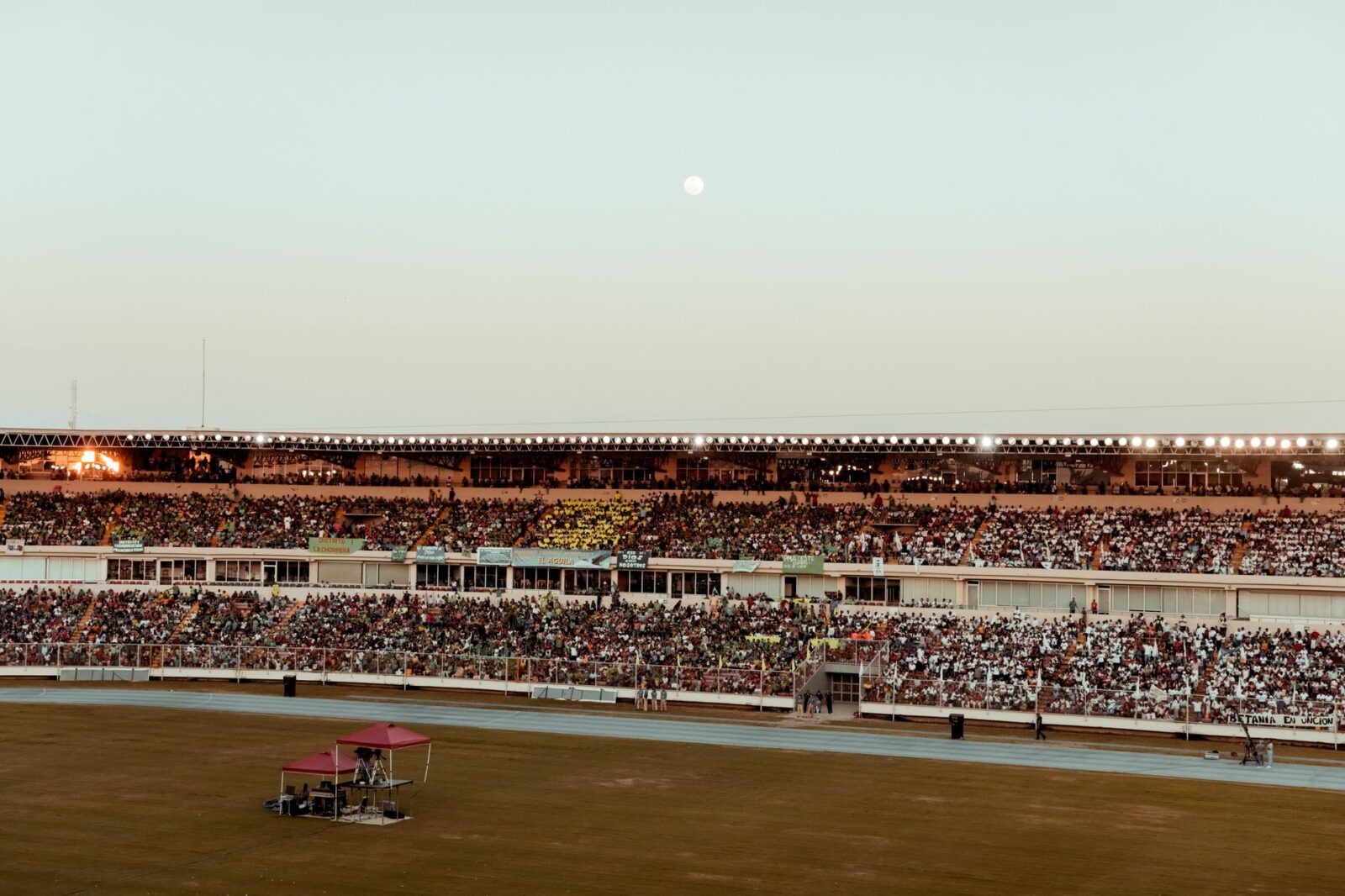
When the tournament kicked off in June 2026, the reality on the ground diverged sharply from those expectations. While the matches themselves attracted enthusiastic crowds, the broader inflow of international visitors failed to match the projected scale. This gap between promise and outcome has become a case study for anyone involved in planning future mega‑events on American soil.
What Actually Happened on the Ground
Data collected from airport immigration cards, hotel occupancy reports and city‑wide visitor surveys showed that international arrivals during the World Cup window were not only below the eight‑year forecast but also fell short of the same period in 2025. In several host metros, hotel occupancy rates lingered eight to ten percentage points lower than the previous year, despite the presence of 104 matches across 16 venues.
At the same time, nightly room rates in key host cities spiked sharply, driven by a combination of limited last‑minute availability and dynamic pricing algorithms that reacted to perceived demand. Travelers who booked early often secured rooms at reasonable prices, but those who waited found themselves paying premiums that exceeded typical peak‑season levels by 30 % or more.
The anticipated hiring boom in hospitality, retail and event services did not materialize in payroll figures. Many hotels reported stable staffing levels rather than the surge of temporary workers that had been budgeted. This mismatch between expected labor needs and actual visitor volumes left operators with excess capacity in some areas and strained resources in others.
Why the Forecasts Fell Short
Several inter‑related factors contributed to the shortfall. Political sentiment and travel‑related anxieties in certain source markets dampened enthusiasm for long‑haul trips to North America, even as the tournament proceeded. Visa processing delays and heightened security screenings at major airports added friction for potential visitors from regions such as Southeast Asia and Latin America.
FIFA’s ticketing strategy also played a role. The organization employed a dynamic pricing model that adjusted match‑day costs based on real‑time demand, which led to higher prices for marquee fixtures and discouraged some budget‑conscious fans from attending multiple games. Consequently, the overall spend per visitor was lower than anticipated, even though stadiums appeared full on match days.
Finally, the logistical complexity of co‑hosting across three nations introduced challenges for travelers. Navigating different customs procedures, currency systems and domestic transport networks between the United States, Canada and Mexico required additional planning that deterred spontaneous or last‑minute decision‑making.

Hoteliers’ Dilemma: Empty Rooms and Spike Pricing
Hotel operators entered 2026 with room inventories sized for the projected influx, only to confront occupancy gaps that translated into lost revenue despite higher average daily rates. In cities like Miami and Seattle, revenue per available room (RevPAR) fell short of pre‑tournament forecasts by roughly 12 %, illustrating how price spikes cannot fully compensate for vacant nights.
The experience highlighted a critical flaw in relying solely on dynamic pricing to manage risk. When demand is weaker than modeled, raising rates can further depress bookings, creating a feedback loop that exacerbates under‑occupancy. Industry veterans now recommend a more balanced approach that combines flexible inventory management with targeted promotional packages.
Looking ahead, many hotel chains are revisiting their long‑term capacity plans for host cities of future events. Some are opting for modular room designs that can be temporarily taken offline during low‑demand periods, while others are negotiating revenue‑share agreements with event organizers that align financial incentives with actual attendance figures.
Impact on Travelers and Local Economies
For the individual traveler, the 2026 World Cup offered a mixed bag. Fans who secured tickets early enjoyed vibrant match‑day atmospheres and often explored host cities beyond the stadiums, contributing to local dining and cultural venues. However, travelers who arrived without pre‑booked accommodations sometimes faced steep lodging costs or limited availability, prompting some to shorten stays or seek alternative lodging such as short‑term rentals.
Local businesses that depended on tourist spend reported uneven results. Restaurants near stadiums saw strong lunch and dinner crowds on match days, yet many reported weaker weekday sales compared with typical summer seasons. Retailers selling World Cup merchandise experienced brisk sales initially, but inventory lingered after the tournament, leading to post‑event discounting.
The broader economic lesson is that mega‑events can generate concentrated spikes of activity that do not automatically translate into sustained benefits for the wider hospitality sector. Destination marketing organizations are now emphasizing the importance of leveraging event exposure to attract visitors in the shoulder seasons before and after the main competition window.
Lessons for Los Angeles 2028 Olympics
As Los Angeles prepares to host the 2028 Summer Olympics, the 2026 World Cup experience serves as a cautionary tale. The same assumptions that fueled World Cup optimism—namely, a guaranteed influx of international visitors and corresponding hotel demand—are being woven into the financing models for Olympic‑related infrastructure.
City planners and private investors are being urged to stress‑test their projections against a range of scenarios, including lower‑than‑expected international attendance. This includes building flexibility into venue contracts, negotiating clauses that allow for temporary reduction of hospitality services, and earmarking contingency funds that can be activated if occupancy targets are not met.
Moreover, the World Cup highlighted the value of diversifying visitor sources. Rather than relying solely on long‑haul travelers, Los Angeles is strengthening domestic tourism campaigns and promoting regional drive‑in markets from neighboring states. By broadening the audience base, the city hopes to mitigate the risk of overreliance on any single traveler segment.
How Travelers Should Adjust Their Plans
For those considering trips to major sporting events or similar mega‑gatherings, the 2026 World Cup offers concrete takeaways. First, book accommodations as early as possible to lock in rates before dynamic pricing algorithms push costs upward. Second, consider refundable rates or travel insurance that covers trip disruptions linked to unexpected changes in event‑related demand.
Third, research the host city’s public transport options and consider purchasing multi‑day passes in advance; this can reduce reliance on costly ride‑hailing services during peak periods. Finally, stay informed about entry requirements, including visa processing times and any health‑related advisories, especially if traveling from regions that have shown heightened sensitivity to political climates.
By adopting a flexible, well‑researched approach, travelers can enjoy the excitement of world‑class competitions while protecting their budgets and minimizing logistical headaches.
FAQ: What Travelers Want to Know
- Why were hotel occupancies lower despite full stadiums?
Stadium attendance reflects ticket holders, many of whom are local or regional fans who do not require overnight stays. International visitors, who typically drive hotel demand, were fewer than forecast due to a mix of political sentiment, visa hurdles and high travel costs.
- How much did room prices increase during the tournament?
In several host cities, nightly rates rose 25 % to 40 % above comparable summer 2025 levels, particularly for last‑minute bookings. Early bookers often secured rates closer to baseline, illustrating the advantage of advance planning.
- What impact did the three‑nation format have on travelers?
Moving between the United States, Canada and Mexico meant navigating different customs procedures, currencies and domestic transport networks. This added complexity discouraged spontaneous cross‑border trips and encouraged visitors to stay within a single host country for the duration of their stay.
- Should I expect similar pricing patterns for the 2028 Olympics?
Los Angeles organizers are aware of the 2026 experience and are implementing more flexible pricing contracts with hotels. While some rate increases are still likely during peak events, travelers who book early and monitor promotional offers can still find competitive prices.
- What is the best way to save money when attending a mega‑event?
Book flights and accommodations at least three to four months ahead, use fare‑alert tools, consider staying in neighboring cities with good rail or highway links, and purchase multi‑day transit passes. Additionally, look for official fan zones that offer free entertainment and reduce the need for costly venue‑side concessions.
Stay informed with the latest travel news, visa updates, and destination guides. Follow HimalayanCrest.com for weekly travel intelligence delivered by our editorial team.