

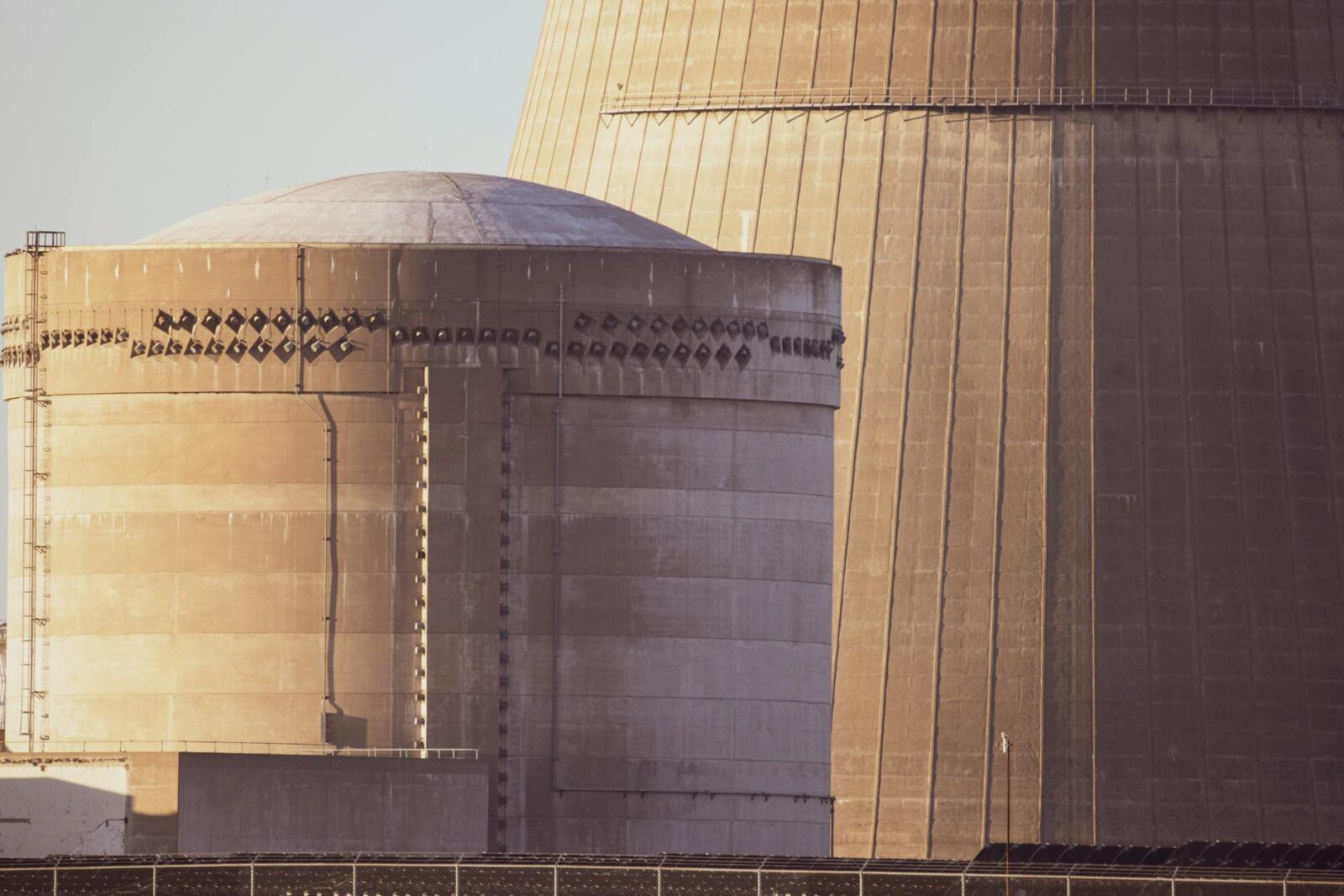
Nuclear Power Surge Reshapes UK Security Landscape
On April 7, 2026, the Civil Nuclear Constabulary (CNC) unveiled its Annual Business Plan for 2026/27, signaling a bold expansion in armed protection for the UK’s civil nuclear sector and beyond. This plan aligns with the Civil Nuclear Police Authority’s three-year Strategic Plan, now in its final year, amid national police reforms and global uncertainties. For expats, investors eyeing UK residency through nuclear energy projects, and global travelers, this development underscores the UK’s commitment to safeguarding critical infrastructure, potentially opening doors for skilled workers in a booming industry.
The CNC, a unique armed police force, protects nuclear sites, materials in transit globally, and now extends to non-nuclear national infrastructure like ferries. With government backing significant investments in nuclear energy, the plan emphasizes flexibility to meet new demands. Seasoned travelers report that heightened security could streamline operations at key ports and energy hubs, indirectly benefiting those relocating for work or investment in Britain’s green energy push.
Our research shows the CNC achieved 93% of its 2024/25 targets, building confidence in its expansion capabilities. This isn’t just about police strategy—it’s a green light for international talent in nuclear innovation. Whether you’re a digital nomad in tech-security hybrids or an investor in sustainable energy, understanding this plan positions you ahead of the curve.
CNC’s Core Mission Evolves with Global Ambitions
The CNC’s primary role remains 24/7 protection of civil nuclear sites across Great Britain and materials transported worldwide, a mission now expanding under the 2026/27 plan. Teams at four non-nuclear facilities reached full capability last year, with ambitions to lead armed protective security for the UK’s critical national infrastructure nationally and internationally. This shift responds to an evolving threat picture, including world events and police reforms, ensuring resilience in energy supply chains vital for economic stability.
For visa applicants from Asia, the Middle East, or Africa, this means enhanced security at nuclear-related entry points could influence processing at ports like those serving cross-channel ferries, where CNC has trialed operations. Investors in UK nuclear projects, such as small modular reactors, benefit from this fortified protection, reducing risks that might deter foreign capital. Practical takeaway: Monitor CNC expansions if your residency path ties to energy infrastructure in regions like Sellafield or Dungeness.
The plan’s goals include maintaining core protection while broadening armed services to scale with demand fluctuations. This commercial approach drives efficiency, promising best value for stakeholders. Expats planning long-term stays should note how this bolsters the UK’s appeal as a secure hub for high-tech industries, comparable to France’s robust nuclear policing.
Key Goals Driving CNC’s 2026/27 Expansion
Structured around two main goals, the plan prioritizes maintaining 24/7 core protection while enhancing effectiveness and efficiency. Goal 1 focuses on deterring threats through strengthened capabilities and expanding armed protection offerings for wider policing needs. Goal 2 targets business sustainability via continuous improvements, commercial strategies, and savings across operations.
93% of 2024/25 focus areas met or on track, per official reports.
This track record fuels ambitions to diversify services, including technology and cyber initiatives for resilient operations. For citizenship-seekers via UK investment routes like the now-defunct Tier 1 Investor visa successors, nuclear sector stability enhances portfolio security.
Corporate risks addressed include funding shortfalls, stakeholder expectations, and sustainability targets. Travelers from Nigeria or the Philippines, often in engineering fields, can leverage this by targeting CNC-protected sites for job-linked visas. Step one: Review the official plan on GOV.UK to align your application timeline with sector growth.

Impacts on Expats and Visa Holders in Nuclear Hubs
While not altering visa rules directly, the CNC plan indirectly affects expats in nuclear vicinities like Cumbria or Somerset, where heightened security may tighten access protocols. Families relocating for nuclear jobs—common for Indian or UAE professionals—should prepare for armed checkpoints at sites, similar to enhanced screenings at US nuclear facilities. Digital nomads in remote UK work might find opportunities in cybersecurity for CNC-supported infrastructure.
Retirees seeking UK ancestry or retirement visas near coastal energy sites benefit from safer environments, with CNC’s ferry protections easing Channel crossings from France or Belgium. Our experts note that this expansion mirrors Australia’s protective security for critical infrastructure, offering stability for long-term residents. Actionable advice: If applying for Skilled Worker visas in energy, highlight nuclear expertise to match CNC’s demand surge.
Nationalities from high-growth regions like South Korea or Indonesia, with strong nuclear programs, may see reciprocal opportunities. Verify via CNC’s official site and UK Visas and Immigration for site-specific travel advisories.
Step-by-Step Guide for Affected Travelers and Investors
First, download the CNC Annual Business Plan 2026/27 from GOV.UK to understand expansion sites. Second, assess your travel or relocation plans: If visiting nuclear-adjacent areas like Heysham or Sizewell, check UK government travel advice for security updates. Third, for investors, consult Invest in Great Britain on nuclear opportunities, noting CNC’s role in risk mitigation.
Fourth, apply for relevant visas early via GOV.UK visa portal, specifying energy sector ties for priority processing. Fifth, network through British embassies in your home country—e.g., in Manila or Lagos—for nuclear job leads protected by CNC. Retirees: Pair this with health surcharges planning, as secure regions lower insurance needs.
Sixth, monitor CNPA Strategic Plan updates at CNPA site. This proactive approach ensures smooth transitions amid expansions.
Global Comparisons: UK’s Edge in Nuclear Security
The UK’s CNC model stands out against peers: France’s Gendarmerie handles nuclear protection with military integration, but lacks CNC’s commercial expansion focus. In the US, the Nuclear Regulatory Commission oversees private security, less centralized than CNC’s armed police force. Canada employs RCMP for similar duties, yet without CNC’s international transit protection.
For Middle Eastern investors from Saudi Arabia, the UK’s plan rivals UAE’s Tawazun for critical infrastructure, but with nuclear specificity. Asian applicants from Japan note similarities to their Nuclear Regulation Authority policing, though UK’s global material transport is unique. Retirees from Portugal or South America appreciate UK’s efficiency drives, akin to New Zealand’s infrastructure safeguards.
This positions the UK as a leader, attracting citizenship-seekers via Innovator or Global Talent visas in green tech.
Opportunities for Investors and Digital Nomads
Nuclear energy’s government push creates investor hotspots, with CNC ensuring site security for returns. Digital nomads in AI-cybersecurity can target CNC efficiency programs, qualifying for Youth Mobility visas. From Africa to Asia, professionals in sustainability align with Goal 2’s targets.
Costs remain standard: Skilled Worker visa fees around $800 USD base, plus health surcharge. Compare to Australia’s points-based system, UK’s flexibility shines for nuclear specialists. Future outlook: By 2027, expanded CNC roles could boost residency pathways.
FAQ: Answering Top Searches on CNC Plan and UK Visas
What is the CNC Annual Business Plan 2026/27? It’s the Civil Nuclear Constabulary’s roadmap for protecting nuclear sites and expanding to other infrastructure, aligned with the CNPA Strategic Plan until 2027. Download it from GOV.UK for full details on goals like 24/7 protection and efficiency savings.
How does this affect UK visa applications? No direct changes, but it signals growth in secure nuclear jobs, ideal for Skilled Worker or Global Talent visas. Check gov.uk/skilled-worker-visa and mention energy expertise.
Which nationalities benefit most? Engineers from India, South Korea, UAE, and Nigeria, with nuclear ties, gain from job opportunities at protected sites. Investors worldwide see reduced risks in UK energy projects.
Is travel to UK nuclear sites restricted now? Enhanced security may add checks, but standard tourist visas suffice. Visit travel advice for updates.
What’s next for CNC expansion? Full capability at more non-nuclear sites, cyber enhancements, and international recognition by 2027.
As the UK doubles down on nuclear security through the CNC’s ambitious plan, expats and investors stand to gain from a safer, more innovative landscape. Share your thoughts in the comments—have you worked in nuclear sectors abroad? Forward this to friends eyeing UK opportunities and subscribe for more insider updates on global mobility.
Stay informed with the latest travel news, visa updates, and destination guides. Follow HimalayanCrest.com for weekly travel intelligence delivered by our editorial team.