

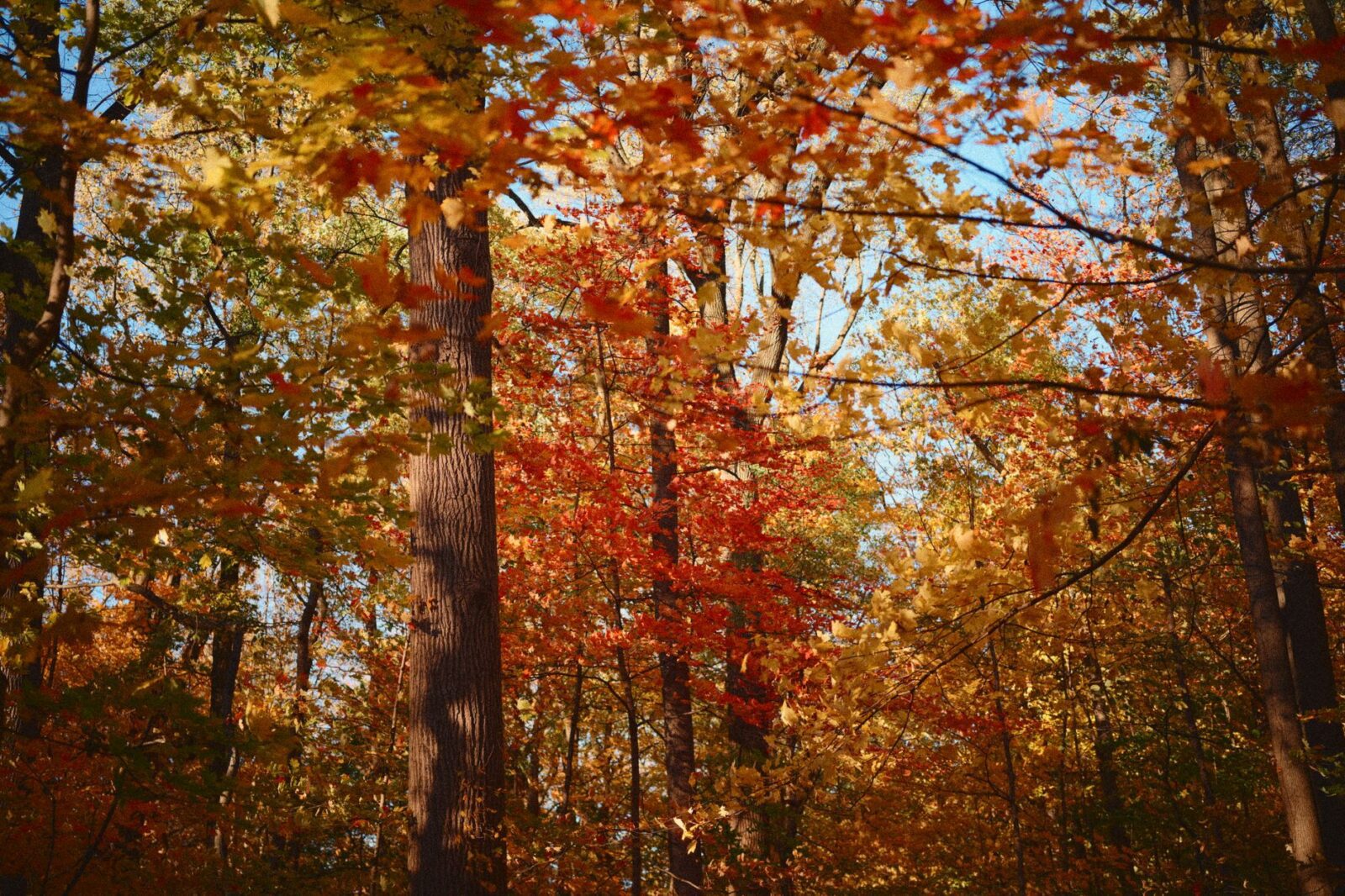
Why 2026 Promises a Longer, More Vibrant Fall Color Season
After a relatively short and muted display in 2025, climate models and historical data suggest that the 2026 autumn season will deliver a slower start but a more extended period of peak color across much of the United States. The Old Farmer’s Almanac notes that cooler nighttime temperatures and adequate precipitation in the spring have set the stage for pigments to develop more fully in deciduous trees. This combination often results in richer reds, deeper oranges, and brighter yellows that linger longer on the branches.
Experts point to a delayed onset in the northern tier, meaning that areas such as northern Maine, the Adirondacks, and the higher elevations of the Rockies will begin to show color in late September rather than early September. As the chlorophyll breaks down gradually, the wave of color moves southward, reaching the mid‑Atlantic and parts of the Southeast by early November. This staggered progression gives travelers a wider window to plan trips without rushing to catch a fleeting peak.
The broader implication for global travelers is that the United States remains a premier destination for fall foliage tourism, rivaling the classic displays of Japan and Europe. With the season stretching from late September into early November, visitors from Asia, the Middle East, and Africa can align their leaf‑peeping adventures with other seasonal attractions, such as harvest festivals or early‑winter ski openings.
How Experts Forecast the Peak: Tools and Timelines
Travel planners rely on a handful of trusted resources to anticipate when leaves will reach their most brilliant hue. The Old Farmer’s Almanac releases an annual Fall Foliage Map that blends historical averages, current temperature trends, and precipitation data to predict peak weeks for each state. Their 2026 outlook indicates that the northernmost regions will hit peak around September 28, while the Carolinas and northern Georgia may not see their best colors until the first week of November.
Another widely consulted tool is the Smoky Mountains Fall Foliage Prediction Map, which updates weekly using satellite imagery and on‑the‑ground reports from park rangers. This map is especially useful for travelers targeting the Great Smoky Mountains National Park, where elevation creates a micro‑climate that can shift peak timing by several days even within a few miles.
According to The Old Farmer’s Almanac, peak foliage in northern Maine is expected around September 28, 2026, with a gradual decline through mid‑October.
Additionally, the camping platform Hipcamp launched an interactive map that overlays foliage forecasts with available campgrounds, allowing road‑trippers to reserve sites that are both scenic and conveniently located. By cross‑referencing these tools, travelers can build itineraries that chase the color wave as it moves south, maximizing the chances of witnessing trees at their most vivid.
New England: Classic Brilliance with Updated Timing
New England continues to be the poster child for fall foliage, and the 2026 forecast suggests a notable improvement over the previous year’s disappointing show. Vermont, New Hampshire, and western Maine are projected to experience peak color during the week of October 5, with the higher elevations of the Green Mountains and White Mountains leading the way. The region’s mix of sugar maple, red oak, and birch contributes to the iconic patchwork of crimson and gold that draws millions of visitors each autumn.
Travelers should consider basing themselves in towns such as Stowe, Vermont, or North Conway, New Hampshire, where lodging options range from historic inns to modern boutique hotels. A scenic drive along Route 100 in Vermont or the Kancamagus Highway in New Hampshire offers uninterrupted vistas of rolling hills blanketed in color. For those who prefer water‑level perspectives, a cruise on Lake Champlain or a kayak trip down the Saco River provides reflective views of the foliage.
Costs in New England tend to be higher than the national average, particularly for accommodation during peak weekends. Mid‑week stays can reduce hotel rates by 20‑30 percent, and many campgrounds offer discounted rates for early‑season bookings. Travelers using airline miles or hotel points often find that transferring flexible rewards to partners like JetBlue or Marriott can yield significant savings on flights to Burlington or Portland.
Hudson River Valley and Catskills: Easy Access from New York City
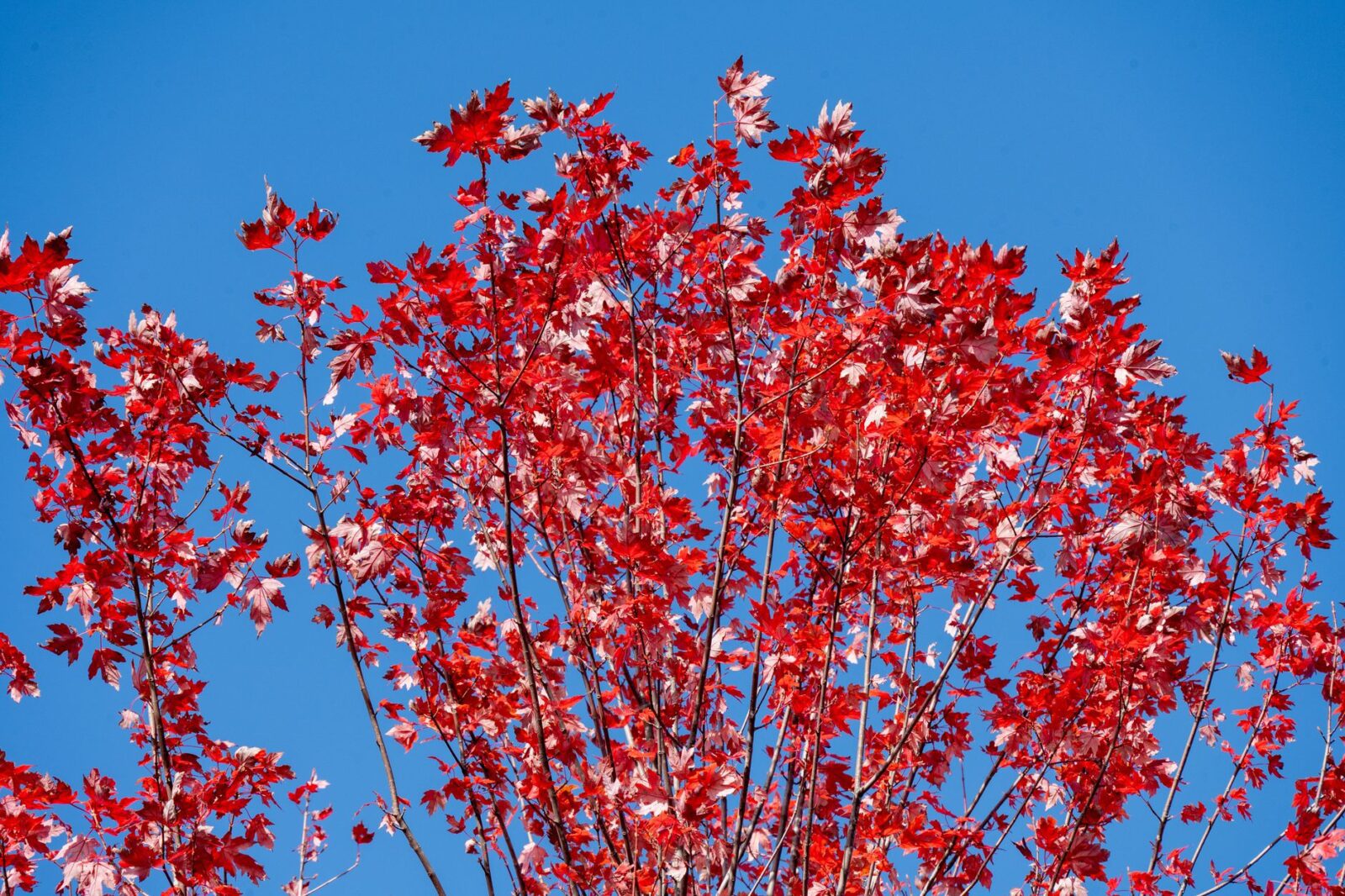
For travelers based in the Northeast corridor, the Hudson River Valley and the Catskill Mountains provide a spectacular foliage experience without the need for a long flight. The Old Farmer’s Almanac and AFAR both indicate that peak color in this region is expected around the week of October 13, 2026. The combination of river valleys, steep cliffs, and dense hardwood forests creates a layered panorama that is especially striking when viewed from the Metro‑North rail line or the scenic Route 9.
Popular bases include the historic towns of Beacon and Cold Spring, where visitors can explore art galleries, farm‑to‑table restaurants, and hiking trails such as Breakneck Ridge. In the Catskills, destinations like Hunter Mountain and Phoenicia offer both gondola rides for panoramic views and extensive trail networks for immersive leaf‑peeping. The region’s proximity to New York City means that a weekend trip can be accomplished with a short train ride or a two‑hour drive, making it ideal for travelers with limited vacation time.
Budget‑conscious travelers will find that accommodation costs in the Hudson Valley are generally lower than those in New England, with many bed‑and‑breakfasts offering rates under $150 per night in mid‑October. Additionally, the region’s numerous state parks provide free or low‑cost camping options, and the MTA offers discounted weekend passes for rail travel, further reducing the overall expense of a foliage getaway.
Pacific Northwest: Columbia River Gorge and Beyond
While the East Coast often steals the headlines, the Pacific Northwest delivers its own breathtaking autumn display, particularly in the Columbia River Gorge National Scenic Area that straddles the border of Washington and Oregon. The 2026 forecast from sources such as USA Today and Yahoo Travel highlights the Gorge as one of the country’s most spectacular places to experience fall foliage, with peak color anticipated in the first half of October. The unique micro‑climate created by the river’s elevation change allows a variety of species—including bigleaf maple, vine maple, and Oregon ash—to turn at slightly different times, extending the visual spectacle.
Travelers can explore the Gorge via the Historic Columbia River Highway, stopping at vista points such as Crown Point and Multnomah Falls, where the waterfall’s mist often enhances the color contrast. For a more active experience, the Dog Mountain trail offers a steep ascent rewarded with panoramic views of the river valley awash in red and gold. Nearby, the Mount Hood National Forest provides additional leaf‑peeping opportunities, with larch trees turning a brilliant yellow later in the season.
Accommodation options range from charming bed‑and‑breakfasts in Hood River to campgrounds within the Gorge itself. Because the Pacific Northwest sees fewer international tourists during the fall compared to summer, travelers often find better availability and slightly lower prices. Those traveling from abroad can take advantage of frequent flyer programs that partner with Alaska Airlines or Delta to reach Portland International Airport, often using fewer miles than a transatlantic flight to Europe.

Midwest and Mountain West: Hidden Gems for Leaf Peepers
Beyond the well‑known corridors, several under‑the‑radar locations offer impressive foliage with fewer crowds. In the Midwest, the Door County peninsula in Wisconsin features a shoreline lined with maples and oaks that reflect color off the waters of Lake Michigan, with peak expected around mid‑October. The Ozark National Forest in Arkansas also puts on a show, particularly along the Scenic 7 Byway, where hickory and sweetgum trees create a warm palette.
In the Mountain West, aspens dominate the fall landscape. Areas such as Maroon Bells near Aspen, Colorado, and the Sawtooth Range in Idaho are renowned for their quaking aspens that turn a luminous gold. The Old Farmer’s Almanac notes that higher elevations in these regions typically peak in late September, making them ideal for travelers who want to combine leaf peeping with early‑season hiking or photography trips. The combination of alpine scenery and golden aspens draws visitors from around the world, including many from South Asia and the Middle East seeking a distinctive autumn experience.
These regions often provide more affordable lodging options than the coastal hotspots. Campgrounds in national forests frequently charge under $30 per night, and many small towns offer motels or cabins at competitive rates. Travelers should be aware that services such as restaurants and fuel stations can be sparse in remote areas, so advance planning and stocking up on supplies is advisable.
Planning Your Trip: Costs, Booking Strategies, and Using Points/Miles
A successful leaf‑peeping trip hinges on timing, budget, and smart use of loyalty programs. Based on current 2026 data, the average cost for a three‑night foliage getaway in New England—including mid‑range accommodation, meals, and fuel—runs approximately $900 USD for a solo traveler and $1,600 USD for a couple. In the Hudson Valley, comparable expenses drop to about $700 USD solo and $1,300 USD for two, while Pacific Northwest trips average $800 USD solo and $1,400 USD for a couple.
To maximize value, consider the following practical tips:
- Book accommodation at least six weeks in advance for the best selection and rates, especially for weekends.
- Travel mid‑week (Tuesday through Thursday) to secure hotel discounts of 20‑30 percent and avoid the heaviest traffic on scenic routes.
- Use flexible airline points to book flights to regional hubs such as Burlington (BTV), Portland, Maine (PWM), or Albany (ALB), then rent a car or use regional rail.
- Transfer hotel points to properties that offer free night awards after a certain number of stays, effectively lowering the per‑night cost.
- Check for fall‑specific packages that include guided foliage tours, sunset cruises, or wine tastings, which often bundle experiences at a reduced total price.
Travelers should also monitor weather forecasts in the days leading up to departure, as an early frost or unseasonable warmth can shift peak timing by several days. Having a flexible itinerary—such as reserving a refundable campsite or a hotel with a lenient cancellation policy—allows you to chase the color if it arrives earlier or later than expected.
FAQ: Your Top Leaf-Peeping Questions Answered
When is the absolute best time to see fall colors in the United States in 2026?
There is no single nationwide peak because foliage progresses from north to south and from high to low elevation. According to The Old Farmer’s Almanac, the earliest peak occurs in northern Maine and the Adirondacks around September 28, 2026. The Hudson River Valley and Catskills reach their zenith during the week of October 13. New York City’s urban trees usually peak later, around early November. The southernmost displays in the Carolinas and northern Georgia can last into the first week of November.
Which destinations offer the most reliable foliage displays year after year?
Consistently strong performers include the Green Mountains of Vermont, the White Mountains of New Hampshire, the Berkshires of Massachusetts, and the Columbia River Gorge in Washington/Oregon. These areas benefit from a mix of species, ample rainfall, and elevation gradients that promote a prolonged and vivid color change. The Smoky Mountains National Park also ranks highly for reliability, especially in the mid‑elevation zones where maple, oak, and hickory dominate.
How can I save money on a fall foliage trip using points and miles?
Start by checking for award flight availability to the nearest major airport—such as Burlington, Portland (ME), Albany, or Portland (OR). Many airlines release saver awards 330 days out, so setting alerts can help you snag a low‑mileage seat. For lodging, look for hotel chains that participate in points transfer programs (e.g., Marriott, Hilton, Hyatt) and aim for properties that offer a free night after a certain number of paid stays. Additionally, some credit cards provide bonus points on travel purchases made in the fall, which can be redeemed for future trips.
Are there any risks or downsides to traveling during peak foliage season?
The primary challenges are higher accommodation prices, increased traffic on popular scenic routes, and limited availability at campgrounds and inns. Weather can also be unpredictable; an early storm may strip leaves prematurely, while an unseasonably warm spell can delay the color change. To mitigate these issues, book flexible rates, consider traveling just before or after the absolute peak weekend, and keep an eye on short‑term forecasts.
What should I pack for a leaf‑peeping adventure?
Layered clothing is essential, as temperatures can swing from cool mornings to mild afternoons. A waterproof jacket, sturdy walking shoes, and a hat are recommended. Bring a reusable water bottle, snacks for trail hikes, and a camera or smartphone with extra storage for photos. If you plan to camp, pack a warm sleeping bag rated for temperatures near freezing, as nighttime lows can dip into the 30s °F in higher elevations.
Stay informed with the latest travel news, visa updates, and destination guides. Follow HimalayanCrest.com for weekly travel intelligence delivered by our editorial team.