

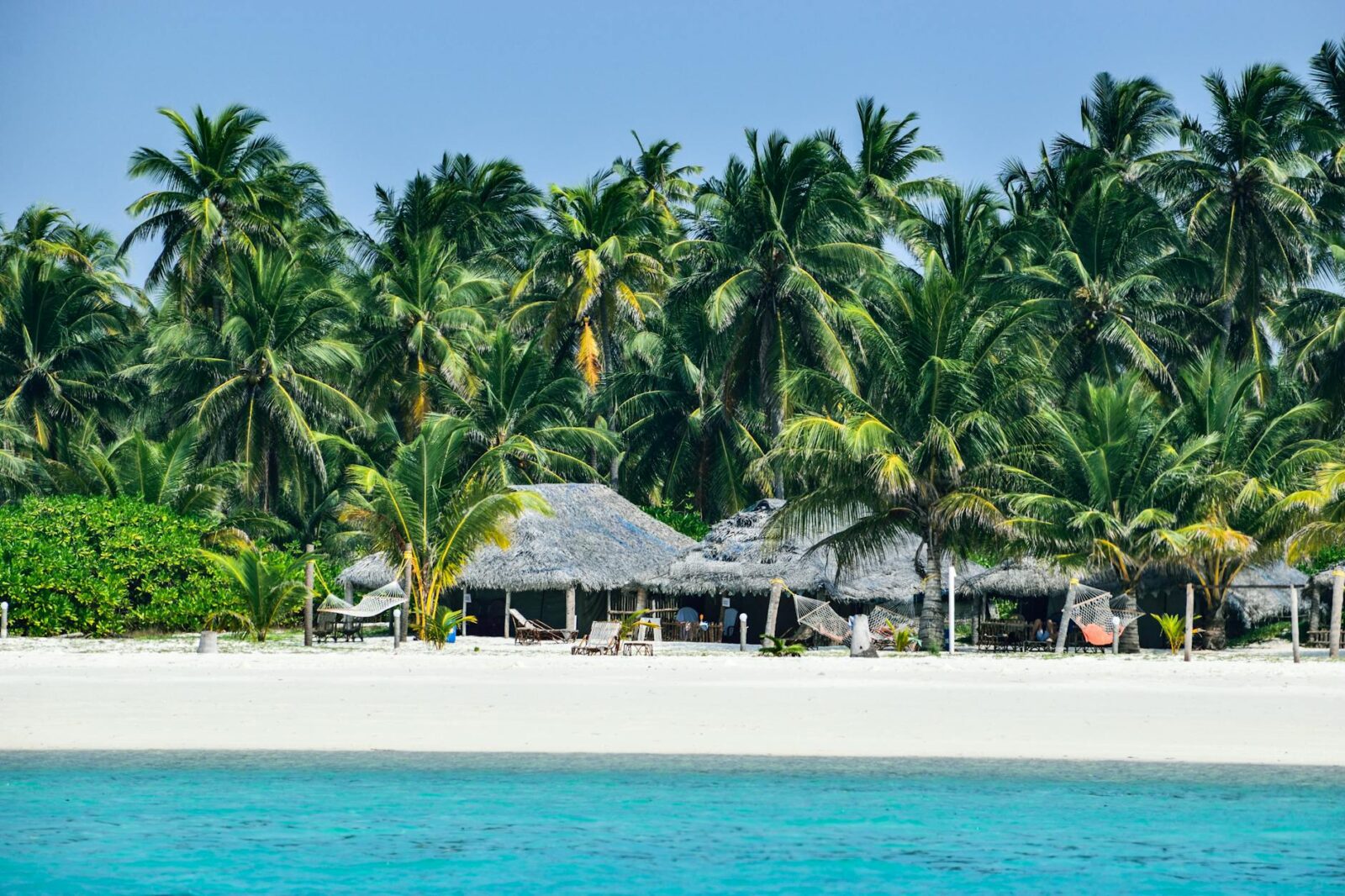
Surrounded by the Pacific: The Story of Japan
Japan is an island nation comprised of over 6,800 islands, and it’s fascinating how such a technologically advanced society thrives completely surrounded by water. Its geographical isolation has not hindered its economic prowess; rather, it has fostered a unique blend of ancient traditions and cutting-edge innovation.
The country’s lack of land borders with any other nation has shaped its culture and history significantly. This isolation allowed Japan to develop a distinct culture, marked by customs like the tea ceremony and sumo wrestling. For travelers, Japan offers a plethora of experiences ranging from the serene temples of Kyoto to the bustling streets of Tokyo.
Malta: A Mediterranean Jewel with No Neighbors
Nestled in the heart of the Mediterranean Sea, Malta is a small archipelago renowned for its rich history, stunning coastlines, and vibrant culture. As one of the world’s smallest and most densely populated countries, Malta’s lack of land borders has made it a crossroads of civilizations.
Malta’s strategic location has historically made it a coveted prize for various empires, from the Phoenicians to the British. Today, it stands as an independent nation, offering travelers a mix of ancient history, including the megalithic temples of Hagar Qim, and modern luxury resorts. Its culinary scene, heavily influenced by Italian and North African cuisines, is a delight for food enthusiasts.
Iceland: Land of Fire, Ice, and No Borders
Iceland’s stunning landscapes, characterized by volcanoes, geysers, hot springs, and lava fields, are a testament to its volcanic activity. The island nation, located in the North Atlantic Ocean, is devoid of land borders, which has contributed to its unique geological and cultural identity.
For nature lovers, Iceland offers unparalleled opportunities to explore its natural wonders. The Golden Circle, a popular tourist route, includes Thingvellir National Park, Gullfoss waterfall, and the geothermal area in Haukadalur. The absence of land borders has also helped Iceland preserve its unique language and Norse heritage, making it a fascinating destination for history buffs.
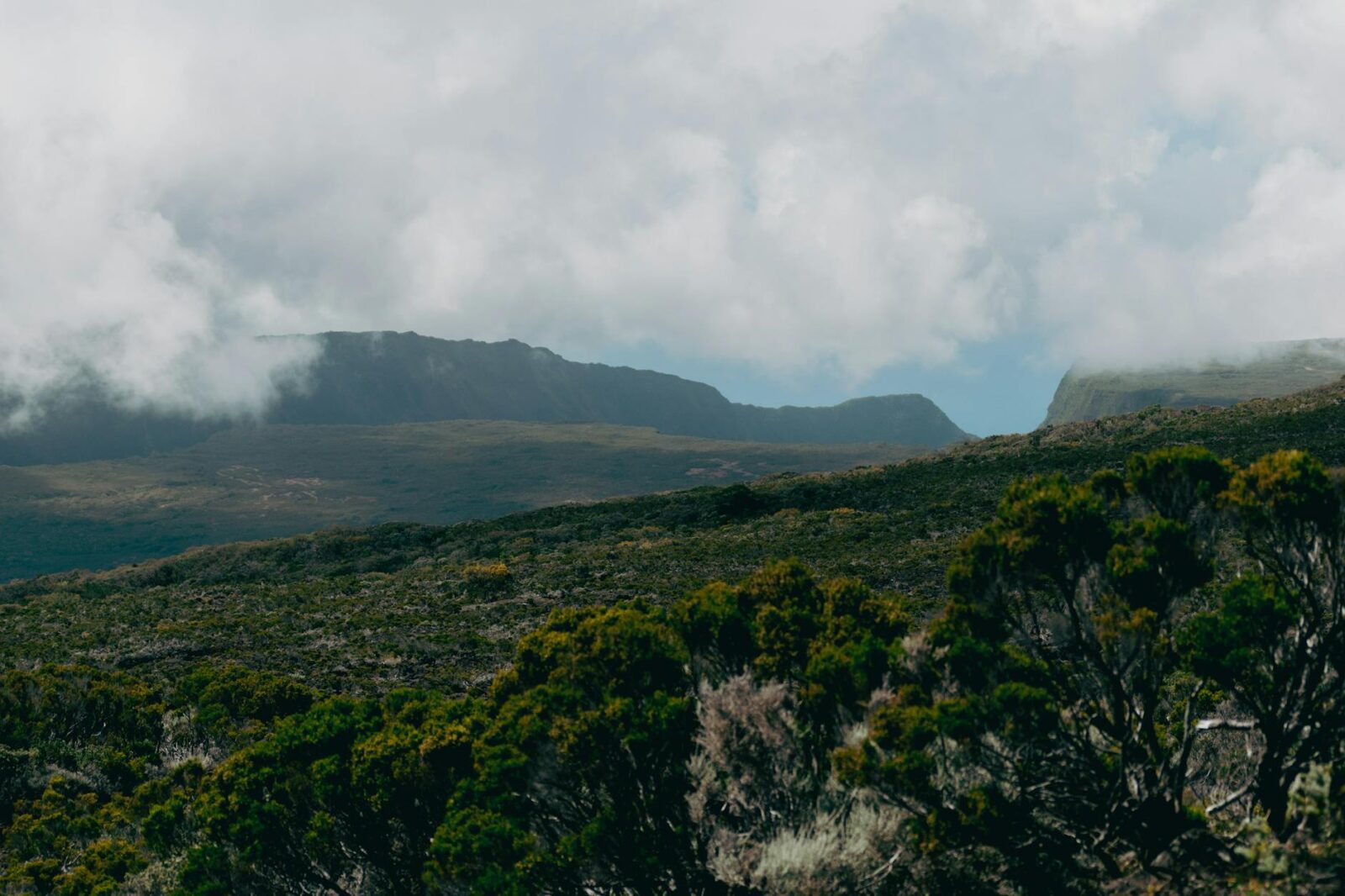
Madagascar: An Island of Unique Biodiversity
Madagascar, located off the southeast coast of Africa, is the world’s fourth-largest island and a biodiversity hotspot. Separated from the African continent millions of years ago, the island’s isolation has led to the evolution of countless species found nowhere else on Earth, including the iconic lemurs and the baobab trees.
This lack of land borders has allowed Madagascar to maintain a distinct ecological environment. Travelers can explore the rainforests of Andasibe-Mantadia National Park or relax on the pristine beaches of Nosy Be. The island’s cultural landscape is equally diverse, with a mix of African, Asian, and European influences visible in its language, food, and traditions.
New Zealand: A Land of Adventure and Isolation
New Zealand’s dramatic landscapes, from the snow-capped peaks of the Southern Alps to the rolling hills of the North Island, are a haven for adventure seekers. Situated in the southwestern Pacific Ocean, it comprises two main landmasses and numerous smaller islands, with no land borders.
This geographical isolation has fostered a unique natural environment, home to species like the kiwi bird and the ancient tuatara. For travelers, New Zealand offers a wide range of activities, from bungee jumping in Queenstown to exploring the glowworm caves in Waitomo. The Maori culture adds a rich layer to the country’s identity, with traditional performances and crafts accessible to visitors.
Singapore: A City-State with Global Ambitions
Singapore, a vibrant city-state located at the crossroads of Asia, is a prime example of how a country can thrive without land borders. Despite its small size, Singapore boasts a robust economy, driven by finance, trade, and tourism.
Its strategic location has made it a global hub for business and travel, attracting millions of visitors annually. The city’s multicultural landscape is reflected in its diverse culinary offerings, ranging from hawker centers to Michelin-starred restaurants. With its efficient public transportation system and iconic landmarks like Marina Bay Sands and Gardens by the Bay, Singapore is a must-visit destination.
Sri Lanka: An Island with Ancient Heritage
Known as the ‘Pearl of the Indian Ocean,’ Sri Lanka is a tropical paradise with a rich cultural heritage. The island nation, located off the southern coast of India, has no land borders, which has allowed it to develop a unique identity.
Travelers can explore ancient cities like Anuradhapura and Sigiriya, or relax on the beaches of Mirissa and Unawatuna. Sri Lanka’s cuisine, heavily influenced by Indian, Dutch, and Portuguese flavors, is a highlight for food lovers. The country’s natural beauty, from the tea plantations of the Hill Country to the wildlife of Yala National Park, offers a wide array of experiences for adventurers.
Bahrain: An Island Oasis in the Arabian Gulf
Bahrain, an archipelago in the Persian Gulf, is a modern nation with a rich history. Despite its lack of land borders, Bahrain has become a major financial and cultural center in the Middle East.
The country’s strategic location has made it a bridge between East and West, attracting expatriates and tourists alike. Visitors can explore the historic Bahrain Fort, a UNESCO World Heritage site, or enjoy the vibrant nightlife of Manama. Bahrain’s culinary scene, with its mix of traditional Arabian dishes and international cuisine, is a delight for gastronomes.
Fiji: The Heart of the South Pacific
Fiji, an archipelago of over 300 islands, is known for its stunning beaches, coral reefs, and vibrant culture. Located in the South Pacific Ocean, Fiji’s lack of land borders has preserved its natural beauty and cultural heritage.
For travelers, Fiji offers a perfect blend of relaxation and adventure. Snorkeling and diving enthusiasts can explore the Great Astrolabe Reef, while those seeking cultural experiences can visit traditional Fijian villages. The warmth and hospitality of the Fijian people, along with their traditional ceremonies and dances, leave a lasting impression on visitors.
Cyprus: A Crossroads of Cultures in the Mediterranean
Cyprus, an island in the eastern Mediterranean, is a nation steeped in history and mythology. Although it lacks land borders, Cyprus has a rich cultural heritage, influenced by Greek, Turkish, and Middle Eastern civilizations.
Visitors can explore ancient ruins, such as the Tombs of the Kings and the mosaics of Paphos, or enjoy the beautiful beaches of Ayia Napa and Protaras. Cyprus’s culinary scene, with its blend of Mediterranean and Middle Eastern flavors, is a feast for the senses. The island’s diverse landscapes, from the Troodos Mountains to the Akamas Peninsula, offer endless opportunities for exploration.
Practical Takeaways for Travelers
Exploring countries without land borders can offer unique travel experiences. These nations often have distinct cultures and ecosystems that have developed independently over centuries.
- Consider visiting during off-peak seasons to enjoy a more relaxed experience.
- Research local customs and traditions to enrich your travel experience.
- Explore beyond the typical tourist spots to discover hidden gems.
FAQ
What are the benefits of visiting countries without land borders?
Visiting countries without land borders allows travelers to experience unique cultures and ecosystems that have developed independently. These nations often offer distinct traditions, landscapes, and histories.
How can I plan a trip to an island nation?
When planning a trip to an island nation, consider booking flights and accommodations well in advance. Research transportation options within the country and look for guided tours to explore remote areas.
Are there any specific travel tips for island nations?
When visiting island nations, be mindful of local customs and environmental conservation efforts. Pack essentials like sunscreen and insect repellent, and try local cuisine for an authentic experience.
How do island nations maintain their economies?
Many island nations rely on tourism, finance, and trade to sustain their economies. Their strategic locations often make them hubs for international business and travel.
What should I consider when traveling to countries with no land borders?
Travelers should consider the country’s climate, cultural norms, and travel logistics. It’s also important to respect local customs and support sustainable tourism practices.
Stay informed with the latest travel news, visa updates, and destination guides. Follow HimalayanCrest.com for weekly travel intelligence delivered by our editorial team.