

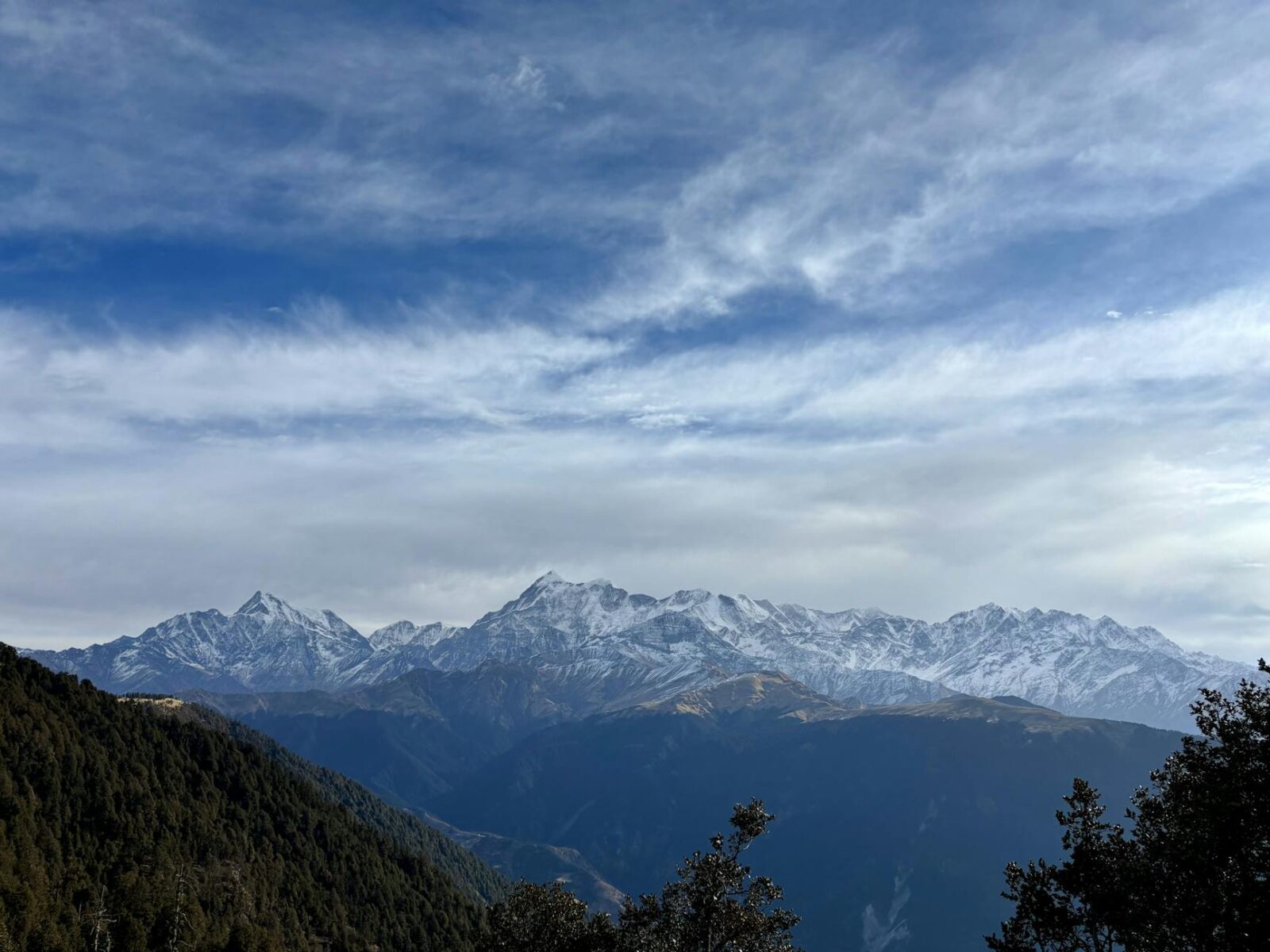
Whispers of the Himalayas: The Enigmatic Call of Hidden Monasteries
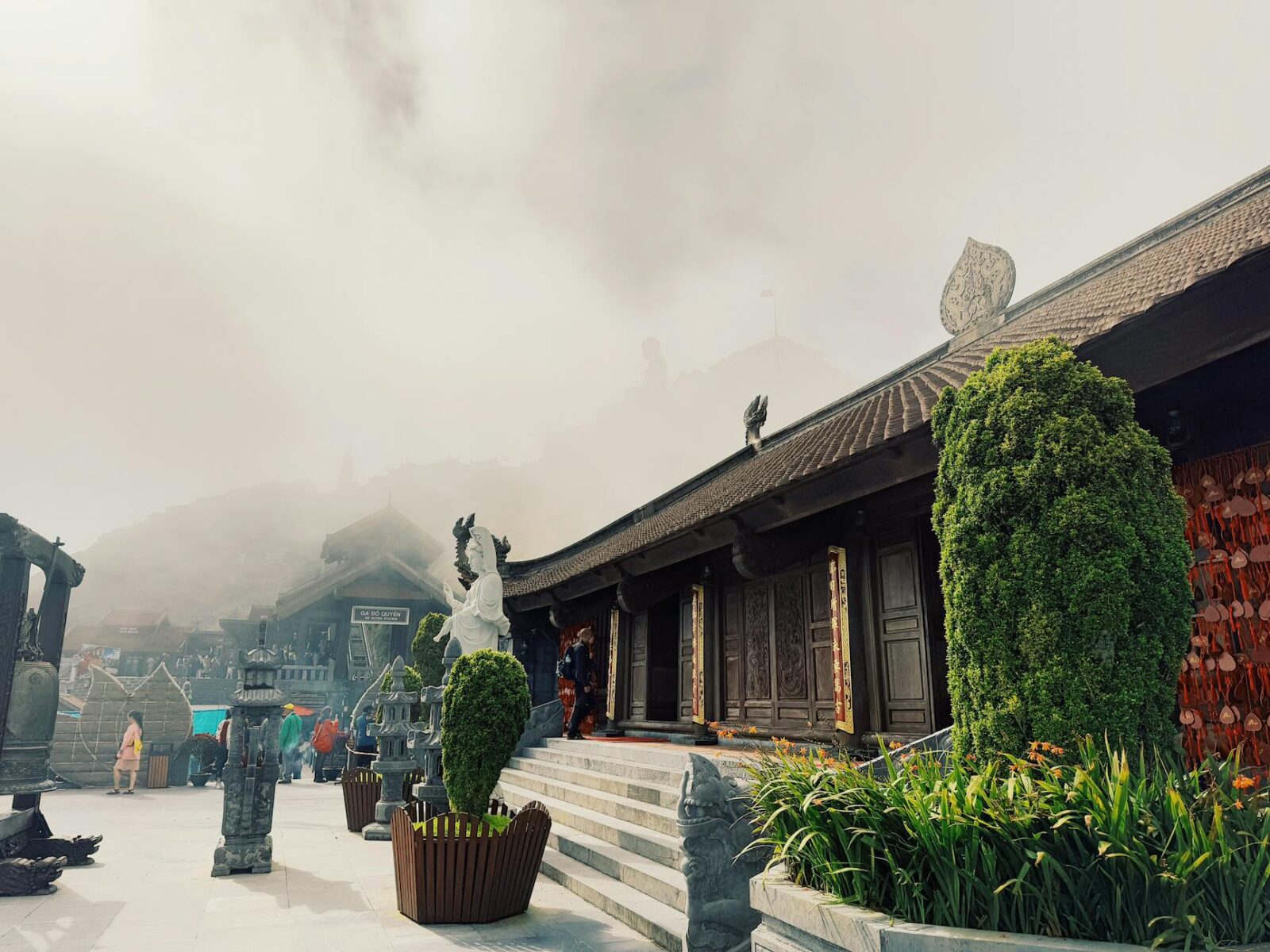
Imagine standing on the edge of a cliff, the crisp Himalayan air filling your lungs as the faint ringing of a monastery bell echoes across the valleys. This is the magical allure of the hidden temples and monasteries nestled within the world’s most majestic mountain range. These sacred sites, often shrouded in mist, offer not only spiritual insights but also some of the most breathtaking panoramas you’ll ever witness.
Tracing Sacred Footsteps: Route Overview and Fitness Requirements
The journey to these hidden gems is as rewarding as the destinations themselves. Treks vary in difficulty, with routes like the Manaslu Circuit requiring a moderate to high level of fitness, spanning approximately 177 kilometers over 14 days. The trek reaches a maximum altitude of 5,160 meters at the Larkya La Pass, demanding acclimatization and resilience. Meanwhile, the trek to Tengboche Monastery is a more accessible option, suitable for those with moderate fitness, as it peaks at 3,867 meters.
Unveiling the Mystical: A Day-by-Day Trek Itinerary
For those embarking on the Manaslu Circuit, the adventure begins at Soti Khola. Over the next two weeks, trekkers will traverse lush forests, cross suspension bridges, and ascend through terraced fields. Key stages include reaching Samagaun by Day 8, where the ancient monastery offers spiritual respite. The journey culminates with the challenging ascent to Larkya La Pass before descending to Bhimtang, where the journey’s end feels like a rebirth.
Choosing the Perfect Season: Timing Your Trek
The best seasons for trekking these mystical trails are pre-monsoon (March to May) and post-monsoon (September to November). During these times, the weather is stable, with clear skies offering stunning mountain views. However, the pre-monsoon season can be warmer, while the post-monsoon season provides cooler, more comfortable trekking conditions. It’s crucial to avoid the monsoon months of June to August when trails can become treacherous and landslides common.
Essential Permits and Costs: Navigating Bureaucratic Terrain
Before setting out, ensure you have the necessary permits. For Nepal, this includes a TIMS card and an Annapurna Conservation Area Permit, costing approximately $40 USD combined. Entry into the Sagarmatha National Park, home to Tengboche Monastery, requires an additional $30 USD fee. These permits support conservation efforts and ensure the preservation of these sacred sites for future generations.
Gear Up: Packing the Essentials for Your Himalayan Adventure
Preparing for a Himalayan trek demands careful planning. Essential gear includes a robust pair of trekking boots, a high-quality sleeping bag rated for sub-zero temperatures, and layered clothing to adapt to the varying climates. Don’t forget a reliable water purification system and sun protection. Hiring a local guide or porter is advisable, with costs around $20-30 USD per day, which not only aids navigation but also supports the local economy.
Living the Trekker’s Life: Accommodation and Etiquette
Accommodations along these routes range from basic teahouses to more comfortable lodges. Expect to spend $5-10 USD per night. When visiting temples and monasteries, show respect by removing shoes before entering and dressing modestly. Photography may be restricted in sacred areas, so always ask for permission. Tipping your guide or porter is customary, with a 10% tip of the total trek cost considered generous.
Health and Safety: Altitude Sickness and Trekking Insurance
Altitude sickness is a serious risk in the Himalayas. Ascend gradually, hydrate frequently, and consider carrying Diamox as a preventive measure. It’s imperative to have evacuation insurance that covers altitudes above 4,000 meters. In case of emergency, helicopter evacuation can cost upwards of $5,000 USD, so ensure your policy covers this.
Embracing the Spiritual: Temple Etiquette and Sustainable Practices
When visiting these sacred sites, engage with local customs and traditions. Join in the communal chants if invited, and immerse yourself in the serene atmosphere. Sustainable practices are vital; carry out all trash, respect wildlife, and use eco-friendly products. By doing so, you help preserve the pristine beauty and spiritual sanctity of these Himalayan wonders.
FAQ: Navigating Common Trekker Queries
What is the best time to trek in the Himalayas?
The best times are pre-monsoon (March-May) and post-monsoon (September-November) for stable weather and clear views.
How can I prevent altitude sickness?
Ascend gradually, stay hydrated, and consider taking Diamox. Be aware of symptoms and descend if they worsen.
What permits do I need for trekking in Nepal?
A TIMS card and the Annapurna Conservation Area Permit are required, along with a Sagarmatha National Park entry fee for certain areas.
Is hiring a guide necessary?
While not mandatory, hiring a guide enhances safety, enriches your experience, and supports the local economy.
What should I pack for a Himalayan trek?
Pack layered clothing, sturdy boots, a sleeping bag, sun protection, a water purifier, and emergency supplies like a first-aid kit.
Stay informed with the latest travel news, visa updates, and destination guides. Follow HimalayanCrest.com for weekly travel intelligence delivered by our editorial team.