

Into the Heart of the Himalayas
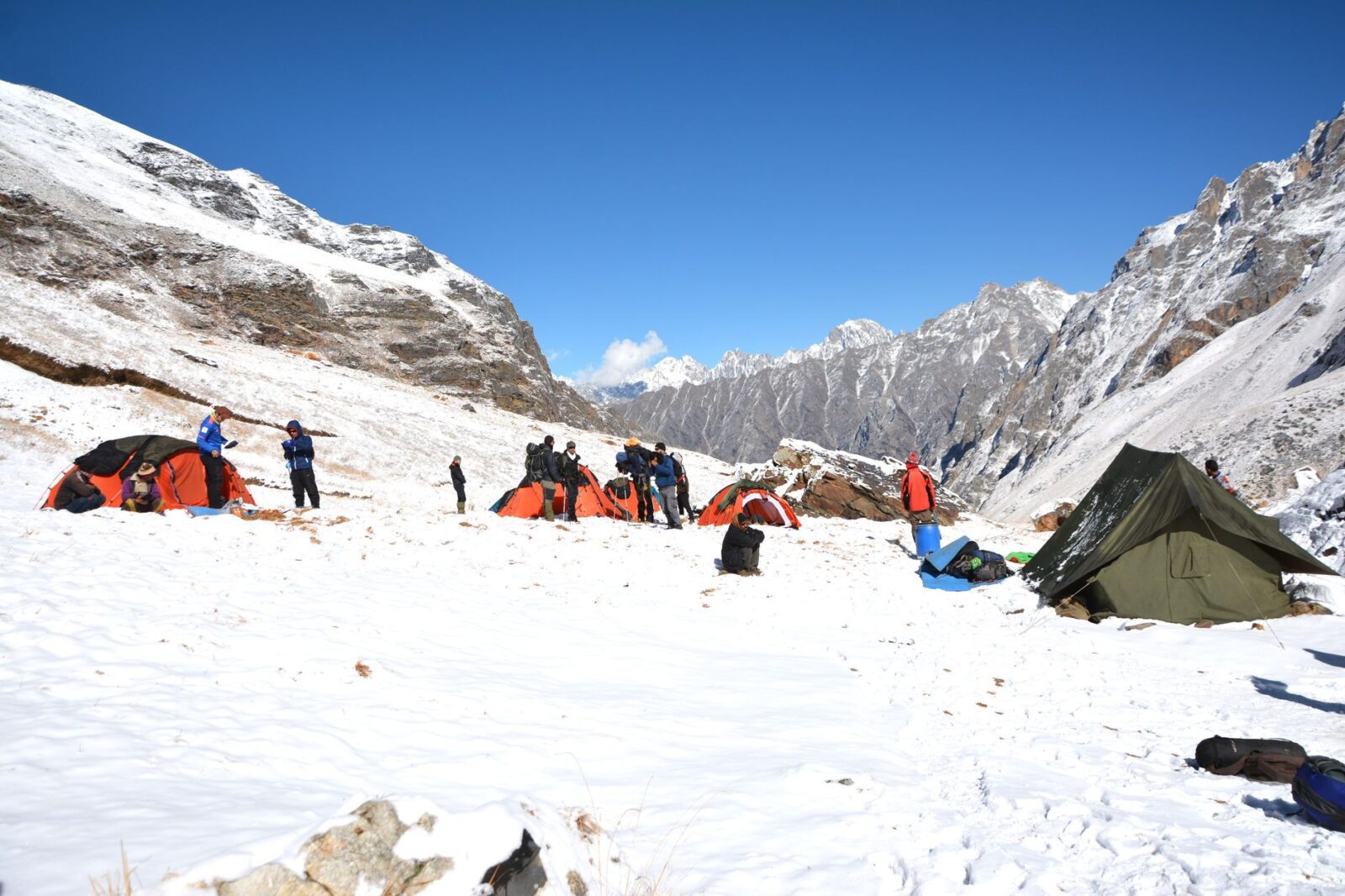
As dawn breaks over the Khumbu Valley, a serene calm envelops the landscape, broken only by the distant chime of a monastery bell. This is the allure of the Everest Base Camp (EBC) trek—a journey not just across physical terrain, but a pilgrimage to the heart of the Himalayas. The 130 km round-trip trek to the foot of the world’s highest peak is a testament to human spirit and endurance.
Trek Overview: Route, Difficulty, and Duration
The Everest Base Camp trek begins in Lukla, Nepal, and stretches over 12 to 14 days. With a maximum altitude of 5,364 meters (17,598 feet) at the base camp, trekkers traverse through Sagarmatha National Park, a UNESCO World Heritage Site, home to diverse flora and fauna. The trek is classified as moderate; while it requires no technical climbing skills, a good level of fitness is essential to manage the long days and high altitudes.
Day-by-Day Itinerary: A Journey Through Altitude
The trek can be broken down into stages, each offering unique landscapes and cultural experiences:
- Day 1-2: Fly to Lukla (2,860m) and trek to Phakding (2,610m). Distance: 8 km.
- Day 3: Phakding to Namche Bazaar (3,440m). Distance: 11 km, acclimatization day in Namche.
- Day 4-5: Trek to Tengboche (3,860m), visiting its famed monastery.
- Day 6: Tengboche to Dingboche (4,410m). Distance: 9 km.
- Day 7: Acclimatization hike to Nangkartshang Peak (5,083m).
- Day 8: Dingboche to Lobuche (4,940m).
- Day 9: Lobuche to Everest Base Camp (5,364m) via Gorak Shep (5,164m), then return to Gorak Shep.
- Day 10: Gorak Shep to Kala Patthar (5,545m) for sunrise views, descend to Pheriche.
- Day 11-14: Return journey via Namche to Lukla.
When to Trek: Seasons and Their Challenges
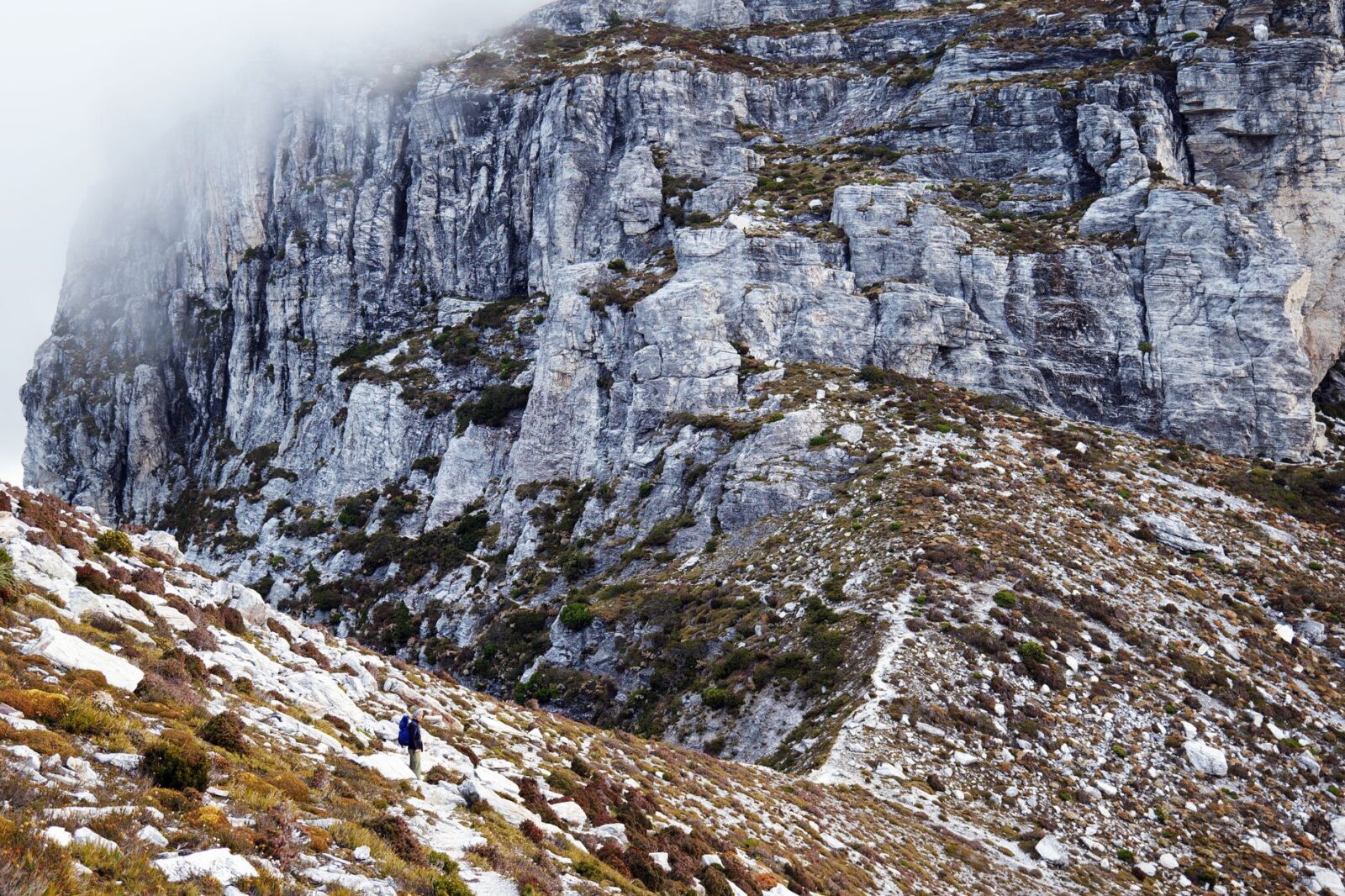
The best seasons for the EBC trek are pre-monsoon (March to May) and post-monsoon (September to November). During these times, the weather is stable, and visibility is excellent. However, the trail can be crowded. The winter months (December to February) offer solitude but come with harsh cold, while the monsoon season (June to August) brings heavy rains and slippery paths, though it’s the quietest time.
Permits and Costs: Navigating the Paperwork
Trekkers need two main permits: a TIMS card (Trekkers’ Information Management System) costing approximately $20 USD and a Sagarmatha National Park entry permit costing $30 USD. Ensure you obtain these in Kathmandu or from the Nepal Tourism Board offices.
Essential Gear: Packing for the Peaks
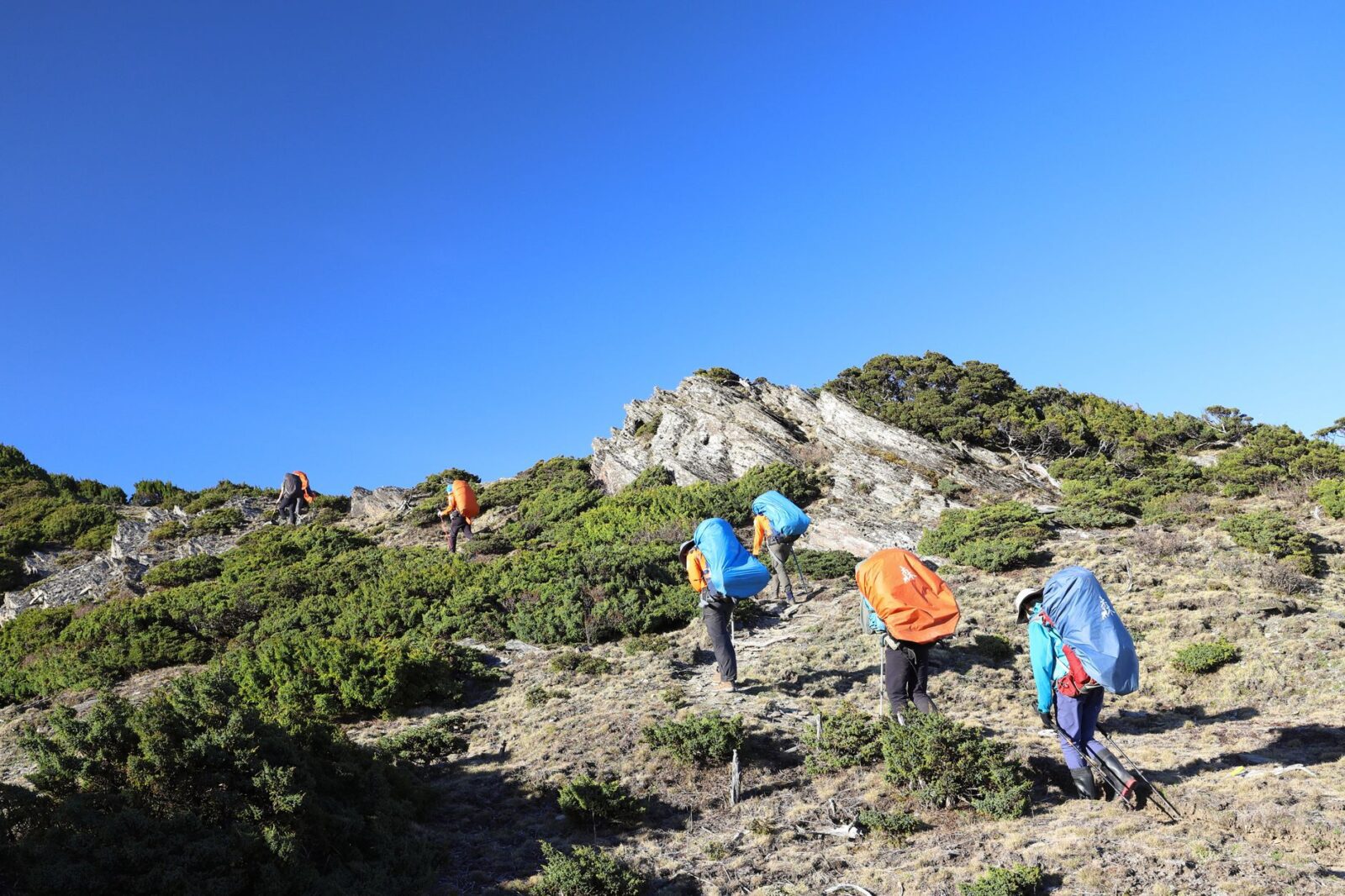
Your packing list should be tailored to the season and includes essentials such as warm layers, a good sleeping bag (rated for -10°C), trekking poles, and a quality pair of hiking boots. Don’t forget a water purification system, either tablets or a filter, to ensure safe drinking water along the way.
Teahouse Accommodation and Hiring Guides
Teahouses along the route offer basic lodging, typically costing $5 to $10 USD per night. Meals range from $5 to $15 USD depending on the location. Hiring a guide ($30 to $40 USD per day) and porter ($20 to $25 USD per day) is recommended for both safety and to support the local economy. Tipping is customary, with $5 to $10 USD per day per staff being standard.
Staying Safe: Altitude Sickness and Insurance
Acclimatization is crucial to avoid Acute Mountain Sickness (AMS). Ascend slowly, stay hydrated, and consider medications like Diamox if advised by a physician. Comprehensive travel insurance that covers high-altitude trekking and helicopter evacuation is indispensable.
Cultural Etiquette and Responsible Trekking
Respect local customs, especially when visiting monasteries—remove shoes, and dress modestly. Sustainable trekking practices include sticking to trails, minimizing waste, and supporting local businesses. As you trek, remember that you are a guest in these communities.
FAQs About the Everest Base Camp Trek
How difficult is the Everest Base Camp trek?
The trek is moderately difficult, requiring good fitness and stamina but no technical climbing skills.
What is the best time of year to do the trek?
The pre-monsoon (March to May) and post-monsoon (September to November) seasons are ideal.
Do I need a guide or porter?
While not mandatory, hiring a guide and porter is recommended for safety and to ease the trek.
How do I prepare for altitude sickness?
Acclimatize properly, stay hydrated, and consider altitude sickness medication as a precaution.
What permits do I need?
You need a TIMS card and a Sagarmatha National Park entry permit, obtainable in Kathmandu.
The Everest Base Camp trek is a journey of a lifetime, offering breathtaking vistas and cultural immersion. Whether you’re an experienced trekker or a first-time adventurer, this guide will help you prepare for a safe and memorable journey. Share your experiences and connect with fellow trekkers—your story might inspire the next adventurer!
Stay informed with the latest travel news, visa updates, and destination guides. Follow HimalayanCrest.com for weekly travel intelligence delivered by our editorial team.