

A Magical Winter Landscape Awaits in Iceland
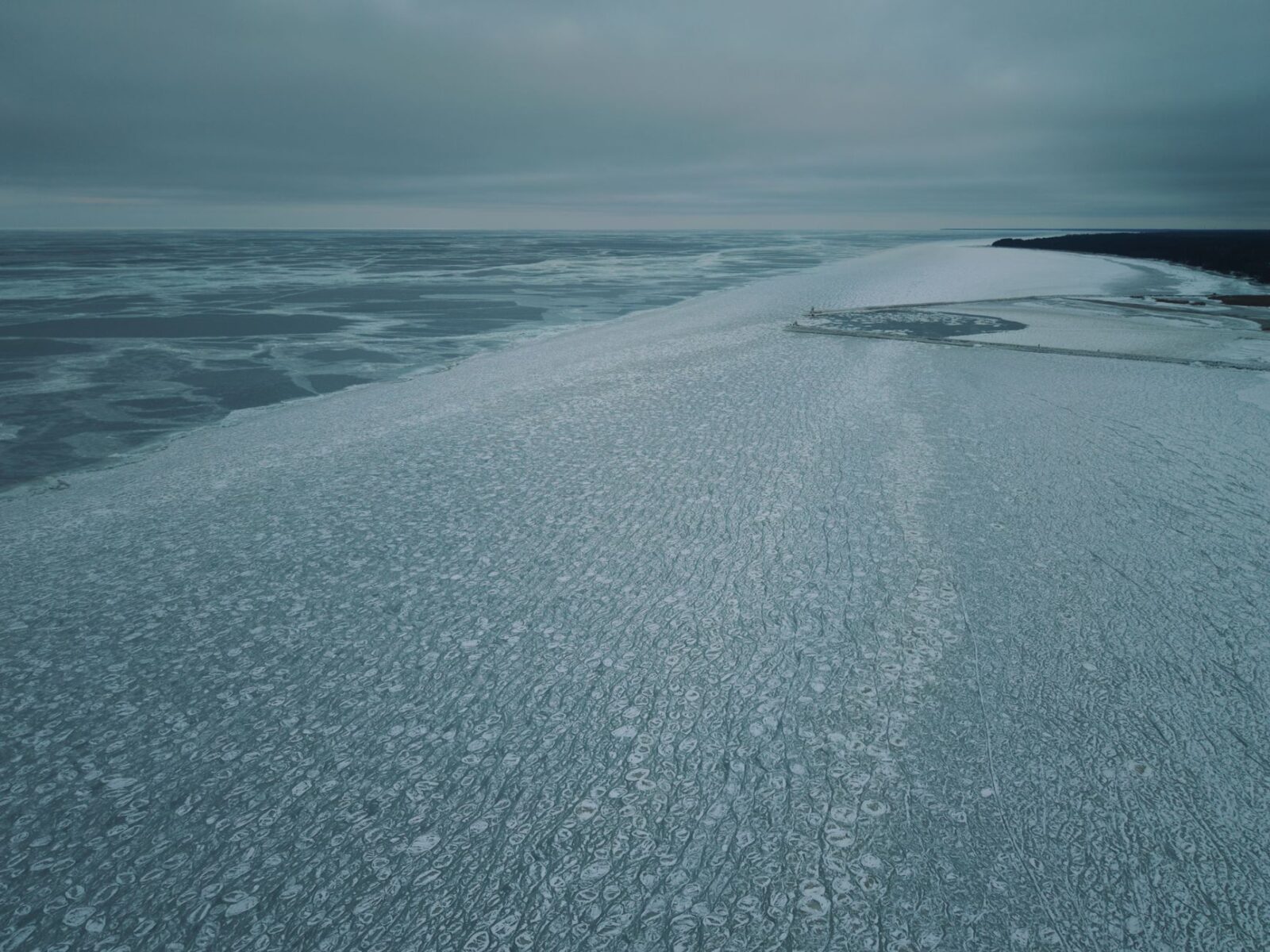
Picture this: a vast expanse of snow stretching to the horizon, punctuated by towering ice formations that glisten under the weak winter sun. Above, the sky dances with ribbons of green, pink, and violet—the mesmerizing Northern Lights that have drawn travelers to Iceland’s frozen frontiers for centuries. This is not just a destination; it is an experience that envelops you in the stark, otherworldly beauty of the Arctic.
Why Visit Iceland in Winter?
Winter in Iceland offers a unique charm that rivals its summer counterpart. While the island nation welcomed an all-time high of 2.3 million visitors in 2024, the majority flock during the warmer months. Winter, however, offers a quieter, more intimate encounter with Iceland’s natural wonders. The country’s commitment to sustainable tourism has enhanced its appeal, with eco-lodges and guided tours emphasizing minimal environmental impact. The Northern Lights, visible from September to April, are a top draw, but so are the ice caves and geothermal hot springs that are best experienced during the colder months.
Best Time to Visit: Month-by-Month Guide
The ideal time to visit Iceland in winter depends on your interests. From November to February, the nights are longest, providing the best chances to witness the auroras. However, December and January can be particularly harsh, with short daylight hours and potentially severe weather. March offers a balance of longer days and continued Northern Lights visibility. For those interested in winter sports, February and March are ideal, with more stable weather conditions.
Where to Stay: Neighborhoods and Budget Options
Reykjavik, the capital, is the best base for exploring Iceland’s winter wonders. Budget travelers can find hostels and guesthouses for $30-50 USD per night. Mid-range options, such as boutique hotels or apartments, range from $80-150 USD. For luxury seekers, upscale hotels and lodges often start at $200 USD and up, offering amenities like spa services and guided tours. Staying in more rural areas, such as Vik or Hofn, provides closer access to natural attractions but may require a higher budget due to limited options.
Top Winter Experiences
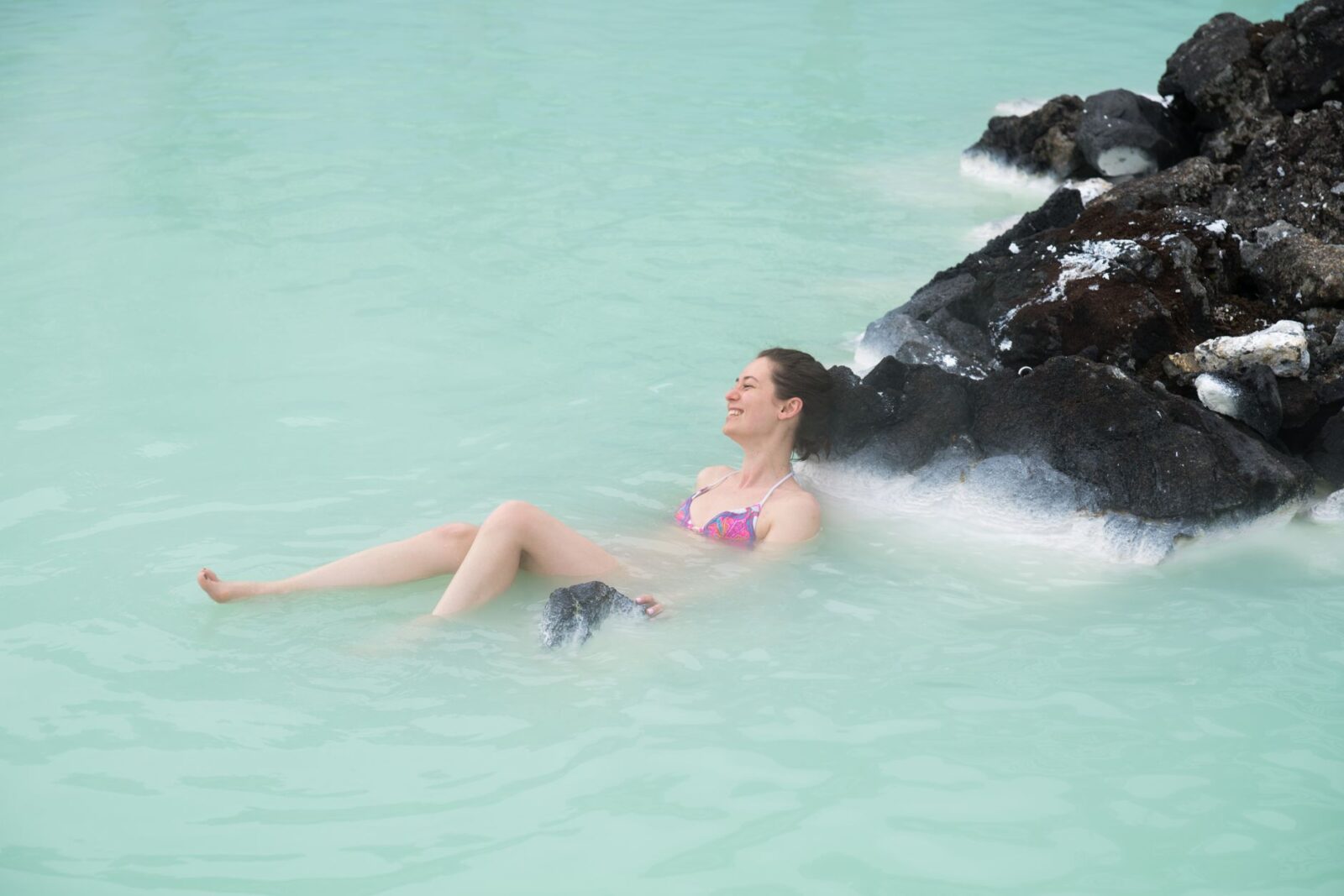
Embark on a road trip around the Golden Circle, where you can marvel at the geysers at Geysir Geothermal Area, the thundering Gullfoss waterfall, and the tectonic rift at Thingvellir National Park. For a truly unforgettable experience, venture into the Crystal Ice Cave, where the light filters through the blue ice in a stunning display. Don’t miss a visit to the Blue Lagoon, where you can soak in warm, milky waters while snowflakes dance around you.
Delve into Icelandic Cuisine
Iceland’s culinary scene is as unique as its landscape. Try the traditional lamb soup, Kjötsúpa, perfect for warming up after a day in the cold. For a more adventurous palate, fermented shark, known as Hákarl, offers a taste of Icelandic heritage. Reykjavik’s food scene is diverse, with options ranging from street food like pylsur (hot dogs) to upscale dining experiences. Expect to pay around $15-20 USD for a casual meal and upwards of $50 USD for a gourmet experience.
Travel Logistics: Getting There and Around
Keflavik International Airport, located about 50 kilometers from Reykjavik, is Iceland’s main gateway. Most major airlines offer flights from North America, Europe, and beyond. Renting a car is highly recommended for those wanting to explore beyond Reykjavik, although winter driving requires caution due to unpredictable weather. Public transportation is limited outside the capital, making a self-drive itinerary the best option for adventurers. Visitors from most countries, including the US and EU, can enter Iceland visa-free for up to 90 days.
Cultural Insights and Local Etiquette
Icelanders are known for their friendliness and hospitality. However, understanding a few cultural nuances can enhance your experience. Tipping is not customary, as service charges are included in bills. When visiting natural sites, respect the environment by staying on marked paths and following Leave No Trace principles. The locals take pride in their language, so learning a few Icelandic phrases, like ‘Takk’ (thank you), can go a long way.
FAQs About Iceland Winter Travel
What should I pack for an Iceland winter trip?
Pack layers, including thermal underwear, waterproof outerwear, insulated boots, and accessories like hats and gloves. Don’t forget a swimsuit for hot springs.
How can I see the Northern Lights?
Join a guided tour for the best chances, as guides know optimal viewing spots. Self-driving to remote areas away from city lights also increases your odds.
Are winter road conditions safe in Iceland?
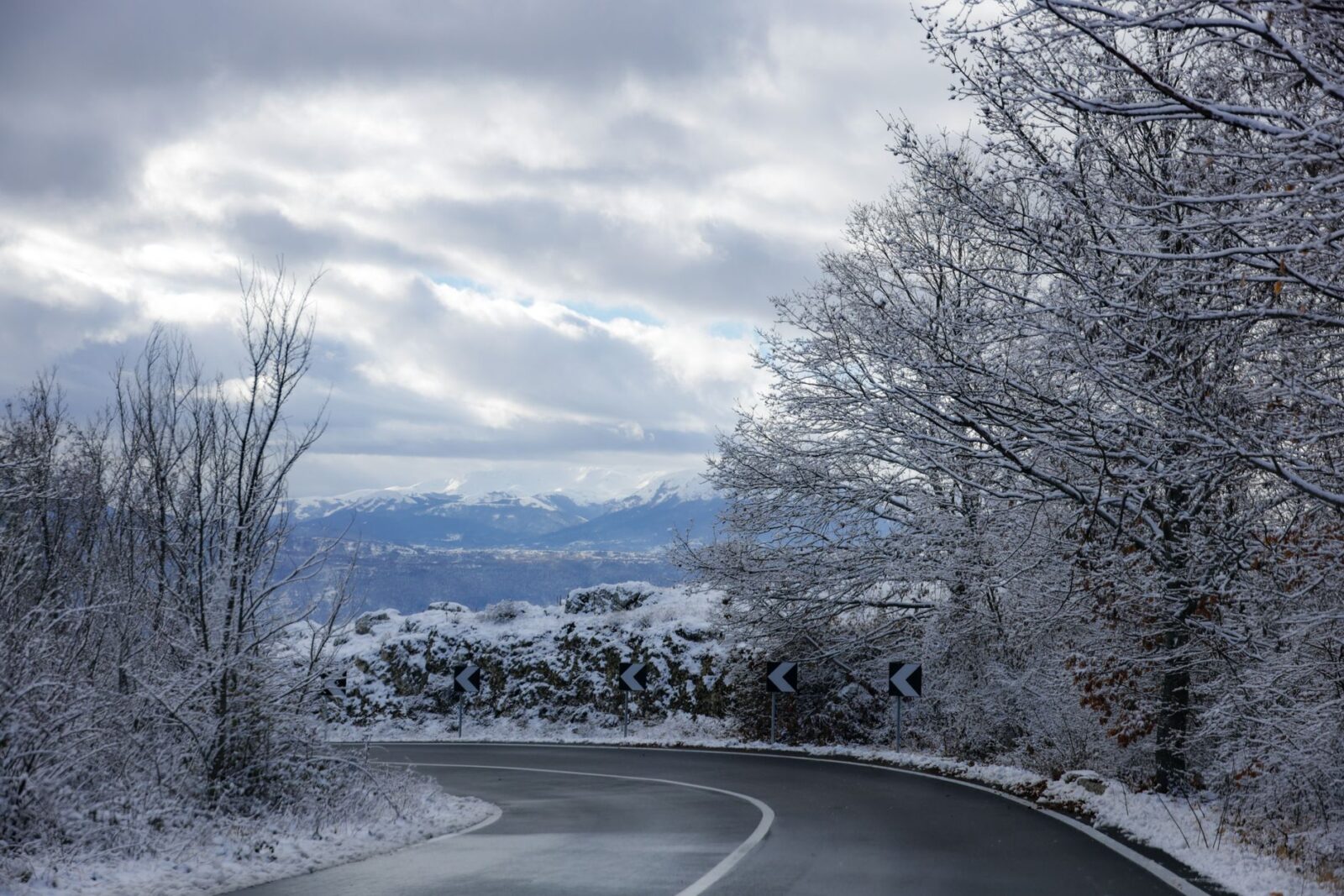
Road conditions can be challenging due to ice and snow. Check weather forecasts and road conditions regularly, and consider renting a 4WD vehicle.
Is it expensive to travel to Iceland in winter?
While Iceland is generally pricey, winter offers more affordable accommodation and flights. Budget around $100-150 USD per day, excluding flights.
Can I visit Iceland’s hot springs in winter?
Yes, many hot springs are accessible year-round. The Blue Lagoon and Secret Lagoon are popular spots to enjoy geothermal waters during winter.
Stay informed with the latest travel news, visa updates, and destination guides. Follow HimalayanCrest.com for weekly travel intelligence delivered by our editorial team.