

Whispers of Ancient Bells in the Himalayan Mist
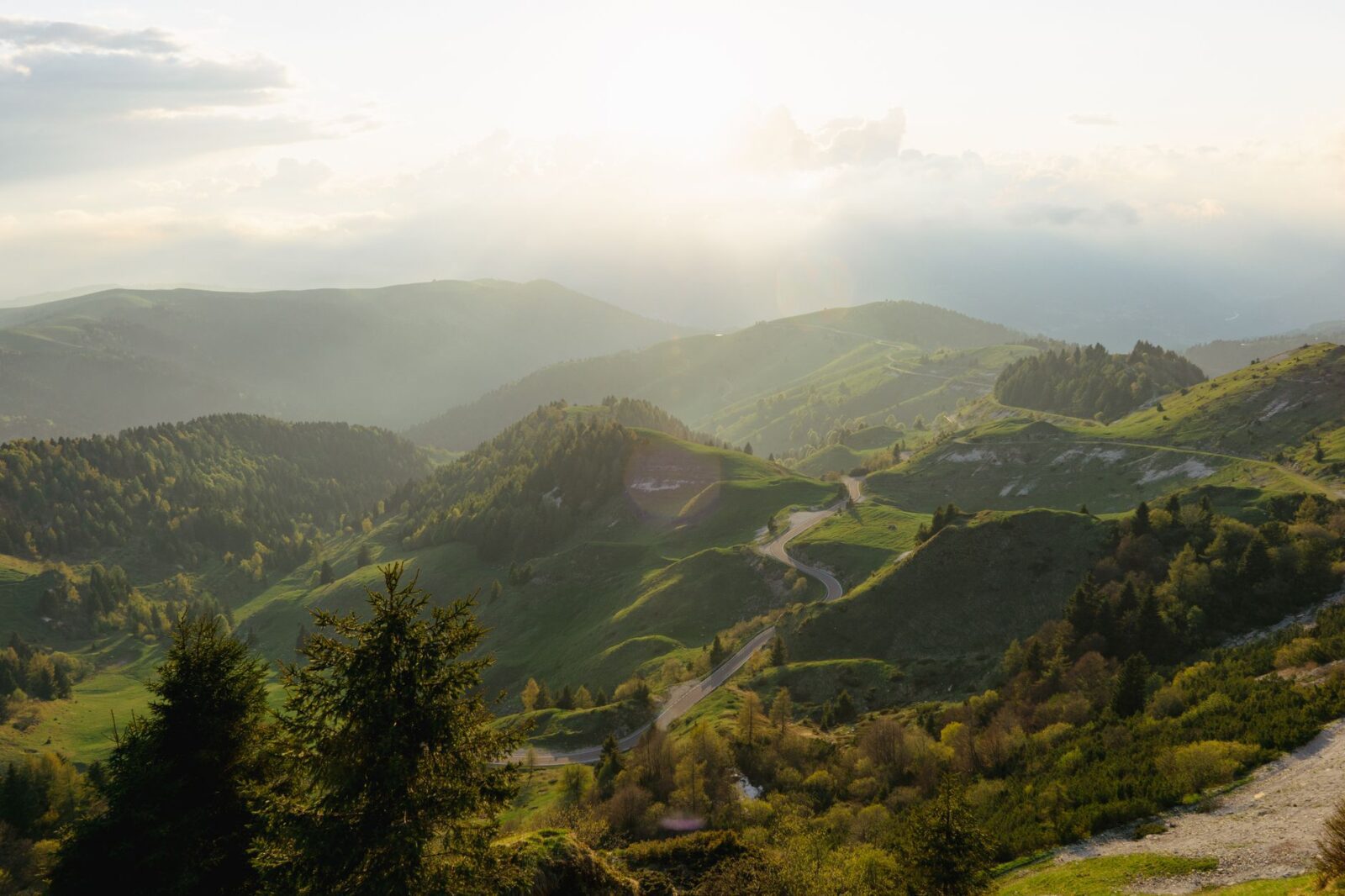
Imagine standing on a rugged trail, the crisp mountain air filling your lungs as a faint, melodic bell echoes through the mist. This is the soundscape of the hidden temples and monasteries nestled in the heart of the Himalayas, where time seems to pause and the sacred intertwines with the sublime. These spiritual havens, often perched precariously on cliff sides or tucked away in serene valleys, offer more than just breathtaking views—they provide a glimpse into centuries-old traditions and cultures that continue to thrive in isolation.
Mapping the Sacred Path: Routes and Difficulty Levels
Embarking on a journey to these hidden sanctuaries requires more than just wanderlust. The trails leading to places like the Tabo Monastery in Spiti Valley or Bhutan’s cliff-hanging Tiger’s Nest are as demanding as they are rewarding. Most treks range from moderate to challenging, with altitudes reaching up to 3,800 meters (12,467 feet) at Tabo Monastery and 3,120 meters (10,236 feet) at Tiger’s Nest. Trekkers should prepare for steep ascents and descents, with routes often requiring 3 to 6 days to complete.
Day-by-Day Exploration: A Trekker’s Itinerary
For those heading to Spiti Valley, the journey typically begins in Kaza, the largest town in the region. Day one involves a gentle acclimatization trek to Key Monastery, a stunning 11th-century marvel. Day two pushes further to Dhankar Monastery, an ancient fort monastery perched dramatically on a cliff. The next few days lead you through surreal landscapes to the enchanting Tabo Monastery, a UNESCO World Heritage Site. Each day covers approximately 10-15 kilometers (6-9 miles) with altitude gains averaging 300 meters (984 feet).
Choosing the Right Season: When to Embark
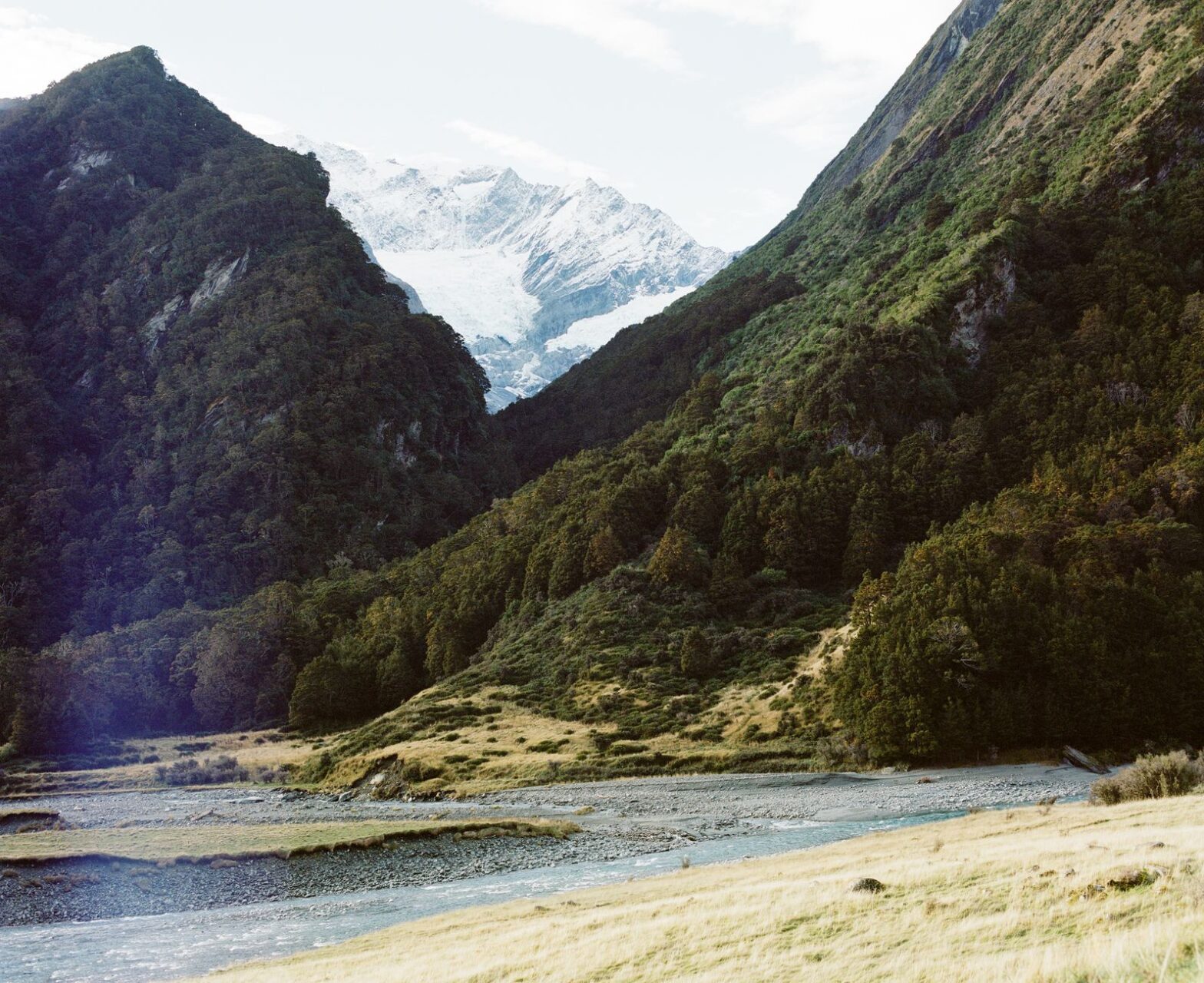
The best time to explore these mystical locations is between May and October. During these months, the trails are clear of snow, and the weather is relatively stable. However, be wary of the monsoon months (July-August), when landslides can occur, and road access might be compromised. Winter treks are possible but only for the experienced, as temperatures can plummet to -30°C (-22°F) with heavy snowfall blocking many paths.
Permits and Costs: Navigating the Red Tape
Traveling in these regions often requires permits. In Nepal, a TIMS (Trekkers’ Information Management System) card costs approximately $20 USD. Entry to the Sagarmatha National Park in the Everest region is another $30 USD. Bhutan requires all travelers to book tours through a licensed operator, with daily tariffs starting around $200 USD per day, covering accommodation, food, and guide services.
Gear Essentials: Packing Smart for the Himalayas
Essential gear includes a sturdy pair of hiking boots, warm layers for fluctuating temperatures, a high-quality sleeping bag rated for sub-zero temperatures, and a reliable backpack. Don’t forget trekking poles, a headlamp, and a water purification system. Given the altitude, packing altitude sickness medication is wise, along with snacks high in carbohydrates for energy.
The Economics of Trekking: Costs and Customs
Teahouse stays in Nepal cost between $5 to $15 USD per night, with meals averaging $10 USD daily. Hiring a guide ranges from $25 to $50 USD per day, while porters cost about $20 USD daily. Tipping is customary, with guides receiving around 10% of the total cost, and porters $5 to $10 USD per day.
Health and Safety: Staying Fit and Informed
Altitude sickness is a serious risk. Acclimatize properly, ascend gradually, and stay hydrated. Carry a first aid kit, know the symptoms of acute mountain sickness, and have a comprehensive evacuation insurance plan. Water purification tablets or filters are essential as natural water sources may not be safe to drink.
Respect and Responsibility: Temple Etiquette and Sustainable Practices
Visitors should dress modestly when visiting temples—long sleeves and pants are ideal. Always ask permission before photographing monks or temple interiors. Practice Leave No Trace principles: carry out all waste and respect wildlife. Supporting local economies by buying local products and services helps preserve the cultural fabric of these regions.
Frequently Asked Questions
What is the best way to reach these temples and monasteries?
Most routes begin from nearby towns accessible by road. Hiring local guides is recommended for navigation and cultural insights.
Are these treks suitable for beginners?
Some treks are beginner-friendly, like those to Key Monastery. However, higher altitude treks require prior experience and fitness.
Do I need to learn local languages for the trek?
While it’s not necessary, learning a few basic phrases can enhance interactions and show respect to locals.
What are the main risks associated with these treks?
Risks include altitude sickness, weather changes, and terrain challenges. Preparation and guided tours mitigate these risks.
How can I ensure my trip is environmentally sustainable?
Travel with eco-friendly operators, minimize plastic use, and engage in community-based tourism.
Stay informed with the latest travel news, visa updates, and destination guides. Follow HimalayanCrest.com for weekly travel intelligence delivered by our editorial team.