

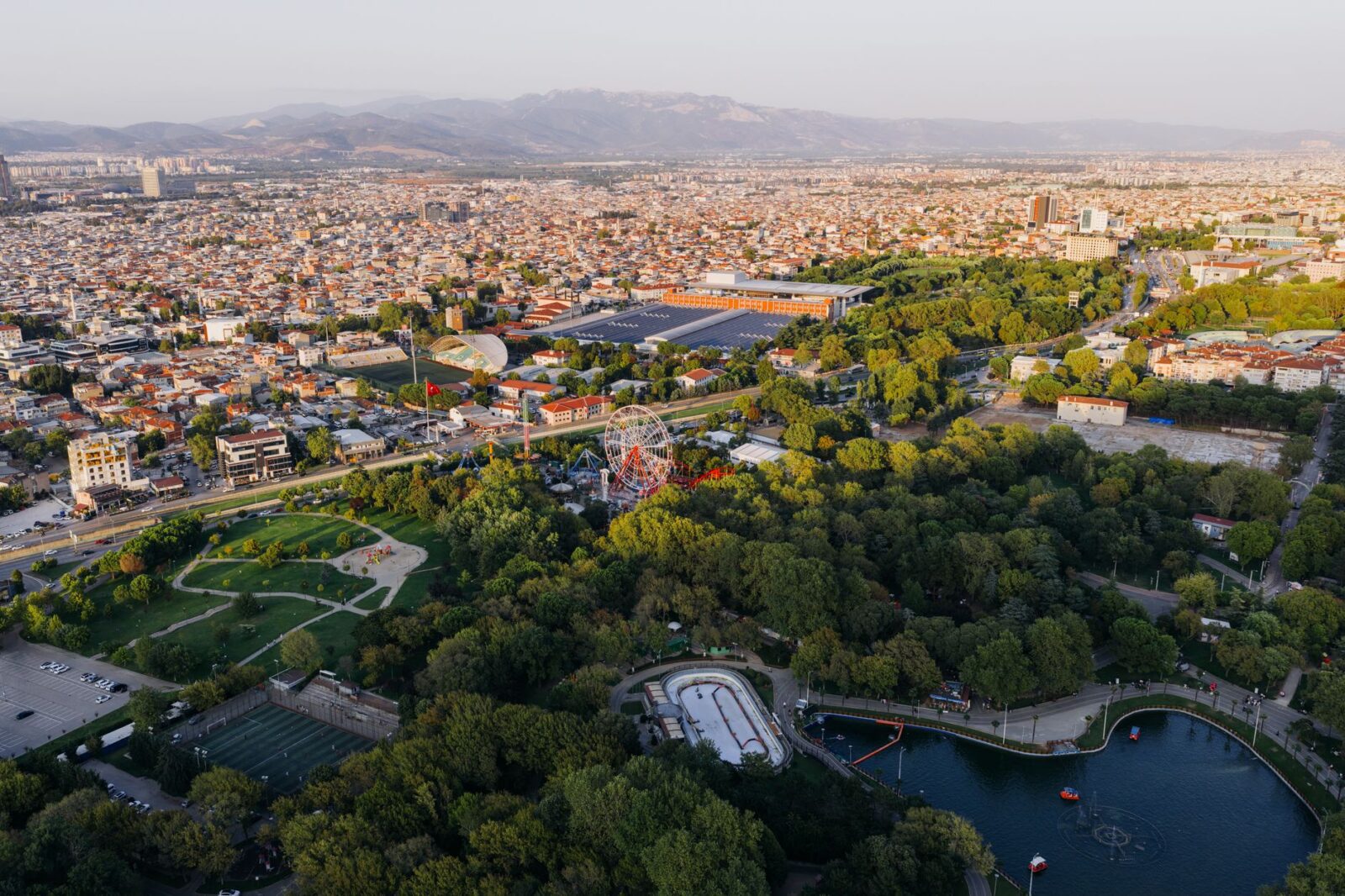
Sweden: Where Nature Outshines Churches
Sweden, a country renowned for its breathtaking landscapes and the Nobel Prize, is also notable for its secularism. With less than 20% of Swedes identifying as religious, the country exemplifies a society where religious institutions are less influential compared to nature and science. This shift towards secularism began in the late 20th century, paralleling a global trend of declining church attendance.
The practical implications of this secularism are visible in Swedish policies, which emphasize environmental sustainability and social welfare over religious considerations. For travelers, this means an opportunity to explore a society deeply connected to nature. From the Northern Lights in Kiruna to the urban charm of Stockholm, Sweden offers a unique blend of natural wonders and modern innovation.
Japan: Traditions Without Devotion
Japan presents an intriguing paradox: a land steeped in ancient traditions, yet largely non-religious. While over 70% of Japanese people engage in Shinto or Buddhist rituals, fewer than 10% identify as religious. This cultural phenomenon is rooted in Japan’s history, where religious practices are more cultural than spiritual.
For travelers, this means experiencing a society where religious festivals like Hanami (cherry blossom viewing) are celebrated for their beauty and community spirit rather than religious fervor. Visiting Japan offers insights into how a culture can maintain its rich traditions while embracing modernity.
Czech Republic: The Atheist Heart of Europe
The Czech Republic is often cited as one of the most atheistic countries in the world. Only about 20% of the population identifies with any religion, a trend that emerged after the fall of communism in 1989. This secularism is reflected in the country’s liberal attitudes and vibrant cultural scene.
Visitors to Prague or Brno can enjoy a rich tapestry of historical architecture and contemporary art without the overshadowing presence of religious institutions. The Czech Republic offers a fascinating case study of how societies can thrive in the absence of religious influence.

Estonia: Digital Pioneers with Secular Minds
Estonia, a leader in digital innovation, is also among the least religious countries globally. Only about 29% of Estonians consider themselves religious, a statistic that aligns with the nation’s focus on technology and education.
Travelers to Estonia can witness how this secularism translates into a forward-thinking society that prioritizes digital literacy and progressive policies. Whether exploring the medieval streets of Tallinn or the high-tech business districts, visitors can appreciate a society that looks to the future rather than the past.
China: Ancient Traditions, Modern Atheism
Despite its rich tapestry of historical religious practices, modern China is predominantly non-religious. Officially, the Chinese government promotes atheism, with less than 15% of the population practicing a formal religion. This atheism is largely a result of state policies and cultural shifts over the past century.
For travelers, China’s secularism manifests in its focus on economic development and cultural heritage rather than religious observance. From the Great Wall to the bustling cities of Beijing and Shanghai, China’s attractions are rooted in history and progress, offering a unique perspective on a nation where religion plays a minimal role.
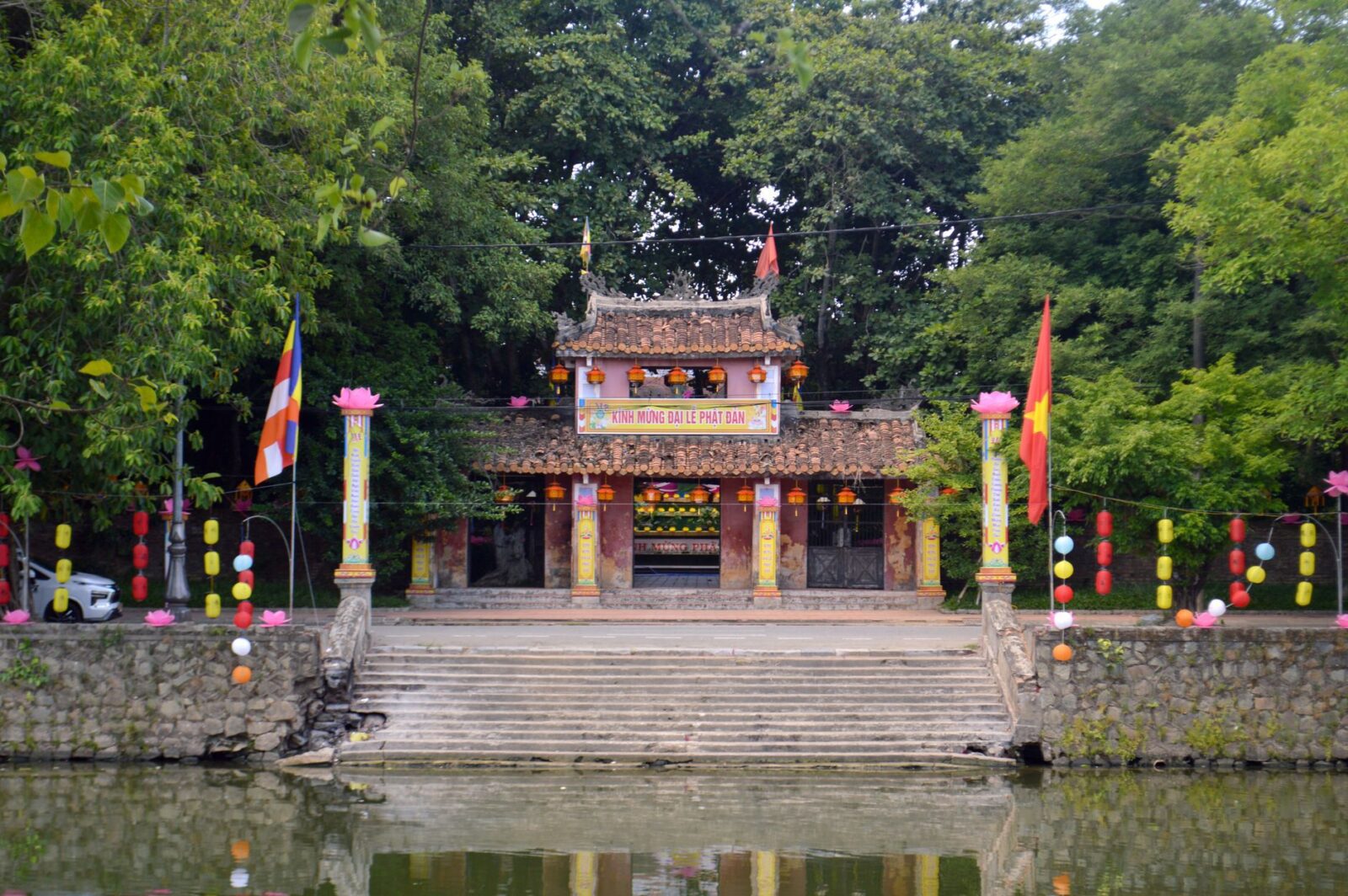
Denmark: Where Happiness Trumps Religion
Denmark consistently ranks among the happiest countries in the world, yet it is also one of the least religious. With only about 25% of Danes considering religion an important part of their lives, Denmark showcases how secularism and well-being can coexist.
Travelers to Denmark can explore a society that values social welfare, education, and environmental sustainability. The Danish focus on hygge (comfort and coziness) offers a glimpse into how a secular society can create a fulfilling and harmonious lifestyle.
Netherlands: Freedom Over Faith
The Netherlands is renowned for its liberal policies and progressive attitudes, with religion playing a minor role in the daily lives of its citizens. Only about 31% of Dutch people identify as religious, reflecting the country’s emphasis on individual freedom and equality.
Visitors to the Netherlands can enjoy a vibrant cultural landscape where art, innovation, and social progress take center stage. From the canals of Amsterdam to the windmills of Kinderdijk, the Netherlands offers a secular paradise for travelers seeking culture and freedom.
Norway: The Land of Fjords and Secularism
Norway, with its stunning fjords and northern lights, is also a bastion of secularism. Fewer than 30% of Norwegians regularly participate in religious activities, a trend influenced by the country’s focus on equality and education.
For travelers, Norway’s secularism is evident in its emphasis on outdoor activities and sustainable living. Whether hiking in the Lofoten Islands or enjoying Oslo’s modern architecture, visitors can experience a society where nature and science guide daily life.
South Korea: Technology and Secular Growth
South Korea is a technological powerhouse, yet it is also becoming increasingly secular. While traditional religions like Buddhism and Christianity have a presence, less than 50% of South Koreans identify as religious, a number that is declining as younger generations prioritize education and innovation.
Travelers to South Korea can experience a society that balances ancient traditions with cutting-edge technology. From the historic palaces of Seoul to the bustling markets of Busan, South Korea offers a dynamic blend of past and future.
France: Liberté, Égalité, Laïcité
France, the birthplace of secularism, remains committed to the principle of laïcité, or the separation of church and state. Only about 40% of French citizens identify as religious, reflecting the nation’s dedication to freedom and equality.
Visitors to France can explore a culture where art, philosophy, and gastronomy thrive without religious constraints. From the Eiffel Tower in Paris to the vineyards of Bordeaux, France offers a secular wonderland for travelers.
Practical Takeaways for Travelers
For those planning to visit these secular nations, understanding the cultural context can enhance the travel experience. Engage with locals to learn how secularism shapes their values, and explore attractions that highlight the balance between tradition and modernity.
Respect local customs and be mindful of the secular nature of these societies, which often prioritize environmental sustainability and social welfare. Whether you’re hiking in Norway or exploring urban landscapes in Japan, these countries offer unique insights into how societies can flourish with minimal religious influence.
Frequently Asked Questions
Are there completely non-religious countries?
No country is completely non-religious, but several have low percentages of religious affiliation, such as Sweden, Japan, and the Czech Republic.
Why are some countries less religious than others?
Factors include historical events, government policies promoting secularism, and societal shifts towards science and technology over traditional beliefs.
How does secularism affect travel?
Secularism often leads to societies focusing on sustainability, education, and cultural experiences, offering travelers a unique perspective on local life.
Can I practice my religion in these countries?
Yes, most secular countries uphold religious freedom, allowing individuals to practice their faith privately or within community groups.
Stay informed with the latest travel news, visa updates, and destination guides. Follow HimalayanCrest.com for weekly travel intelligence delivered by our editorial team.