

Arrival and First Impressions: Setting the Scene
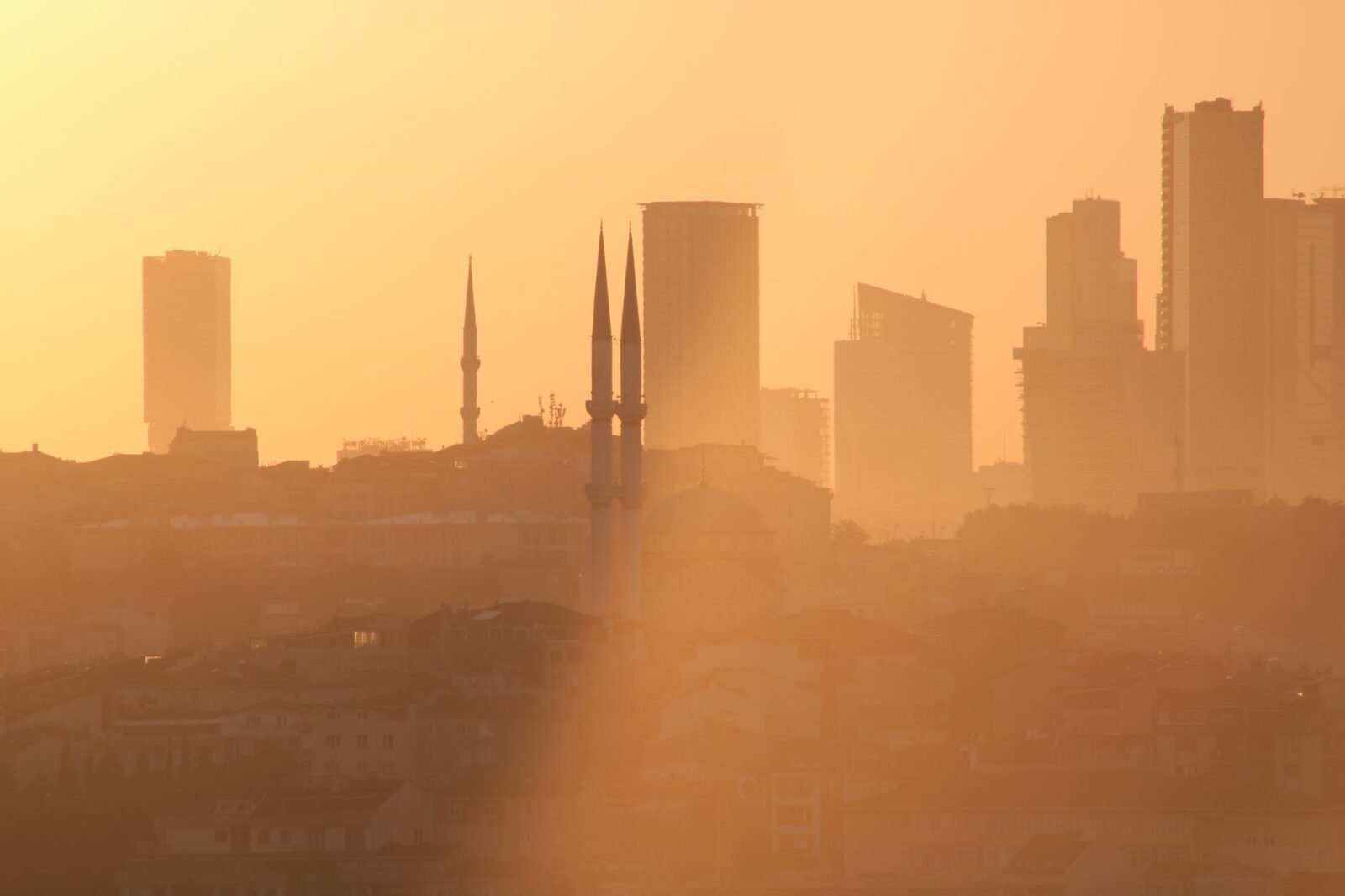
Stepping off the plane at Istanbul Airport, the first thing that hits you is the warm, spiced air tinged with the scent of roasting coffee and simmering kebabs. The city stretches out beyond the terminals, a sprawling mosaic of minarets, modern glass towers, and the shimmering curve of the Bosphorus. A quick ride on the Havaist bus or a taxi drops you into the heart of Sultanahmet, where centuries of history sit side by side with bustling cafés and street vendors selling fresh simit. Within minutes you hear the call to prayer echo over ancient stone walls, a reminder that Istanbul lives at the crossroads of continents and cultures.
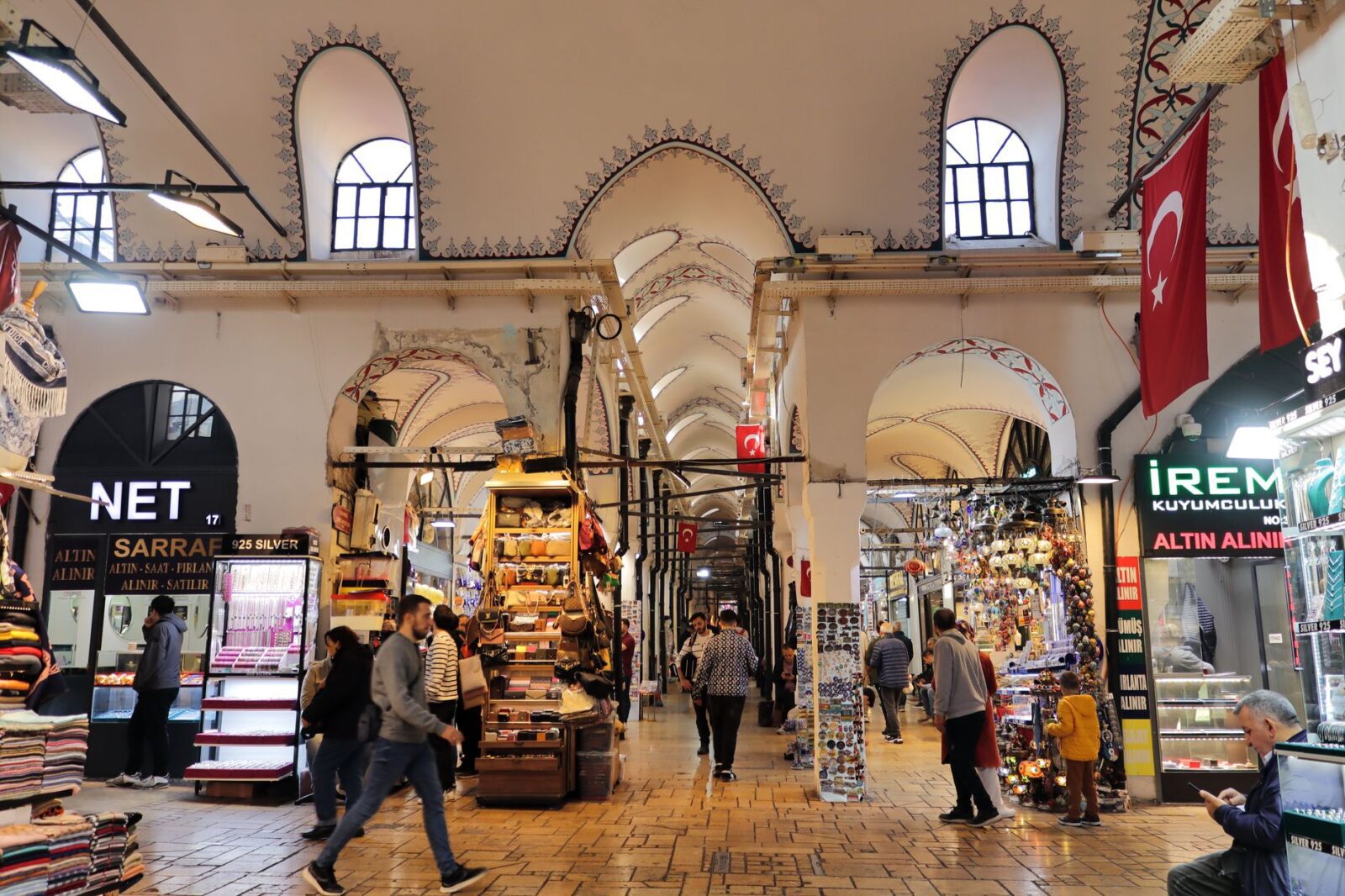
Even if you have only two days, the city rewards those who move with purpose and curiosity. The compact layout of the historic peninsula means you can walk from the Hagia Sophia to the Topkapi Palace in under fifteen minutes, pausing to admire the intricate tile work of the Rustem Pasha Mosque along the way. The energy is palpable: traders shout prices in the Grand Bazaar, ferries hiss as they dock at Eminönü, and locals sip strong Turkish tea while debating football scores. This sensory overload is exactly what makes a weekend in Istanbul feel like a mini‑adventure rather than a rushed checklist.
Why Istanbul Deserves Your Weekend Right Now
In 2026 Istanbul is experiencing a cultural renaissance that blends reverence for tradition with a surge of contemporary creativity. International flight arrivals have risen by roughly 18 percent compared to 2023, bringing fresh energy to neighborhoods like Karakoy and Kadikoy without erasing the city’s gritty authenticity. New boutique hotels occupy restored Ottoman mansions, while independent galleries pop up in repurposed warehouses along the Golden Horn.
The city’s culinary scene has also evolved, with chefs reinterpreting classic dishes using locally sourced ingredients from Anatolian farms and Aegean fisheries. At the same time, historic sites have benefited from careful restoration projects funded by both public and private partners, ensuring that the mosaics of Hagia Sophia and the frescoes of the Chora Church remain vibrant for future visitors. This combination of accessibility, affordability, and depth makes Istanbul an ideal destination for a short but meaningful escape.
When to Go: Weather Month-by-Month
Istanbul’s climate is temperate, but the best windows for a weekend trip are late spring and early autumn. April through June offers mild temperatures averaging 15‑22°C (59‑7‑72°F), blooming tulips in Emirgan Park, and relatively low rainfall, making outdoor exploration comfortable. September and October provide similar warmth, with the added bonus of fewer crowds after the summer peak and the golden light that bathes the Bosphorus in the evenings.
Winter months from December to February can be chilly, often hovering around 5‑8°C (41‑46°F) with occasional snow, which lends a romantic atmosphere to the historic districts but may limit time spent wandering open-air markets. July and August are the hottest, with daytime highs frequently reaching 30‑33°C (86‑91°F) and higher humidity; while the city remains lively, sightseeing under the midday sun can be exhausting, and accommodation prices tend to rise.
If you prefer festive atmospheres, consider timing your visit around major events such as the Istanbul Film Festival in April or the Istanbul Biennial in September, both of which bring additional cultural programming to the city’s venues.
Where to Stay: Neighborhoods and Budgets
For first‑time visitors, staying in Sultanahmet (the Fatih district) places you within walking distance of the major monuments and reduces transit time dramatically. Budget travelers can find clean hostels and guesthouses for $30‑50 per night, such as the popular Cheers Hostel or the friendly Ottoman House, both offering rooftop terraces with views of the Suleymaniye Mosque.
Mid‑range options ranging from $80‑150 per night include boutique hotels like the Hotel Amira Istanbul, housed in a restored 19th‑century building, or the sophisticated Sirkeci Mansion, which blends Ottoman elegance with modern amenities. These properties often provide complimentary breakfast and easy access to the tram line that connects Sultanahmet to Beyoglu.
Luxury seekers will find plenty to love in the $200+ bracket, with iconic choices such as the Four Seasons Hotel Istanbul at Sultanahmet, set in a former prison with panoramic views of the Hagia Sophia, or the Çırağan Palace Kempinski, a former Ottoman palace on the Bosphorus shoreline offering private boat transfers and a lavish spa. Staying on the Asian side in neighborhoods like Kadikoy or Moda provides a more local vibe, with stylish hotels averaging $120‑180 per night and excellent ferry connections to Europe.
Day One: Sultanahmet Imperial Core
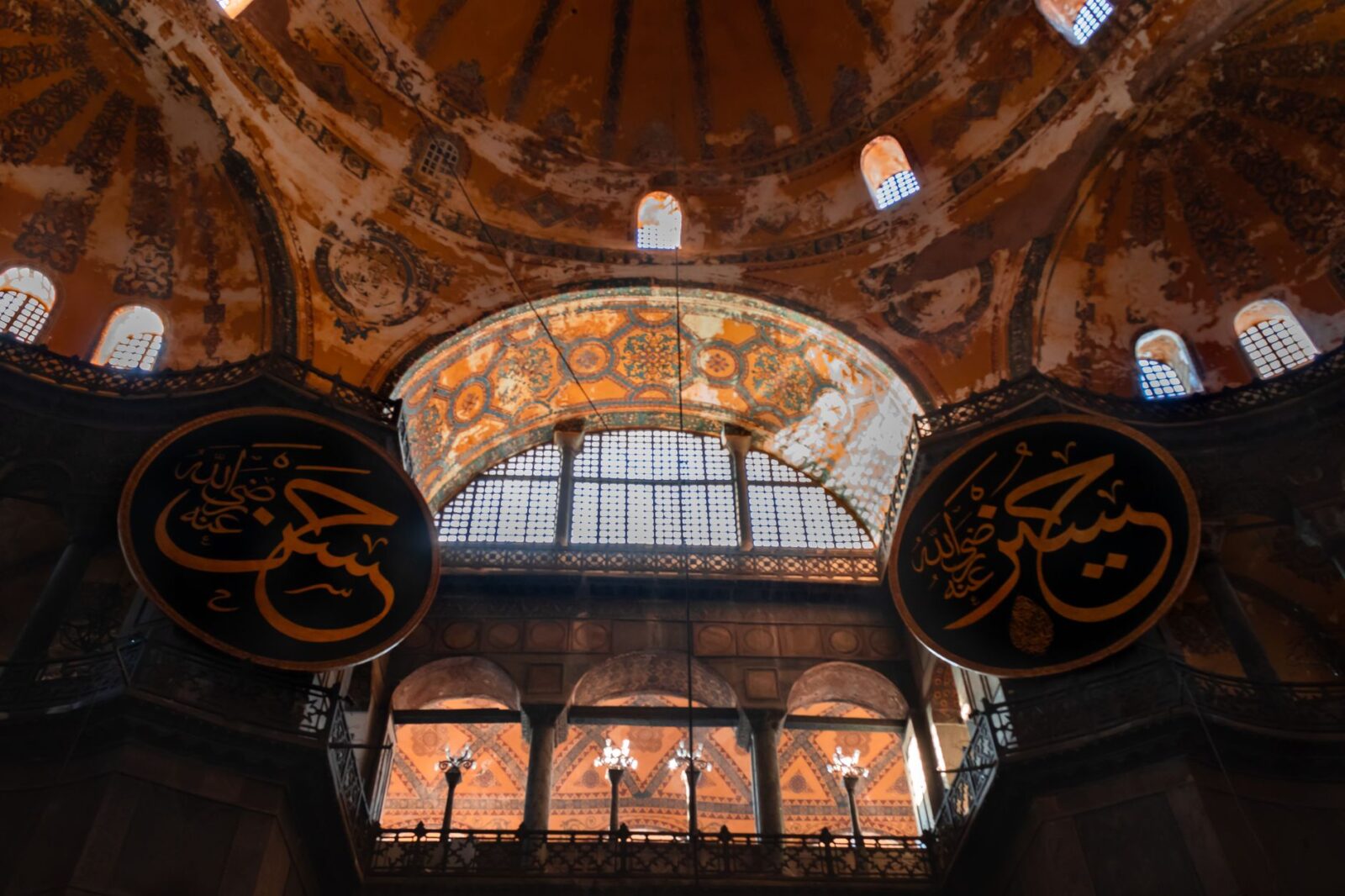
Begin your morning with a traditional Turkish breakfast of menemen (scrambled eggs with tomatoes and peppers), fresh white cheese, olives, honey, and endless glasses of çay at a local café such as Van Kahvalti Evi in Sultanahmet. Fuel up, then head to the Hagia Sophia, where the skip‑the‑line ticket (approximately $25 USD) lets you bypass the queues and step directly into the awe‑inspiring nave. Spend at least an hour marveling at the massive dome, the Byzantine mosaics, and the Ottoman calligraphic panels that testify to the building’s layered history.
From the Hagia Sophia, walk a few minutes to the Topkapi Palace, the former residence of Ottoman sultans. Allocate two to three hours to explore the Imperial Treasury, the Harem quarters (additional ticket ~$15), and the sweeping courtyards that offer views over the Bosphorus. The palace’s vast kitchens display an impressive collection of porcelain and silverware, while the Holy Relics chamber draws pilgrims from around the world.
After the palace, wander into Gülhane Park, the former palace gardens now open to the public. Find a shaded bench beneath centuries‑old plane trees, enjoy a cup of Turkish coffee, and watch locals practice yoga or read newspapers. The park’s elevated paths provide a pleasant vista of the sea, making it an ideal spot to decompress before the afternoon’s adventures.
In the late afternoon, make your way to the Basilica Cistern, an underground marvel supported by 336 marble columns. The dim lighting and the soft sound of dripping water create an almost mystical atmosphere; tickets are roughly $10 USD. Finish your first day with a leisurely stroll along the waterfront promenade in Eminönü, where you can sample a balik ekmek (grilled fish sandwich) from a floating boat for about $4 USD, and watch the ferries crisscross the golden horn as the sun sets behind the minarets.
Day Two: Beyoglu, Karakoy and the Bosphorus
Start day two with a quick bite of simit and ayran at a street vendor near the Galata Bridge, then hop on the nostalgic Tünel funicular (the world’s second‑oldest underground railway) up to Beyoglu’s lively Istiklal Avenue. This pedestrian thoroughfare stretches nearly 1.4 kilometers, lined with historic pasajes, international brands, and countless cafés offering fresh börek and juicy kebabs. Take your time to explore the side streets, where you’ll discover hidden art galleries, vintage bookshops, and the iconic Çiçek Pasajı (Flower Passage) buzzing with taverns serving meze and rakı.
Continue uphill to the Galata Tower, a medieval stone structure that offers a 360‑degree panorama of the city. The entrance fee is around $15 USD, and the elevator saves you the climb, though the stairs provide a fun workout and a chance to admire the tower’s interior exhibits. From the top, you can spot the sprawling contours of the Asian side, the glittering Bosphorus bridges, and the distant Princes’ Islands on a clear day.
Descend into Karakoy, a revitalized waterfront district where old warehouses have become new‑style fish markets sit beside trendy coffee roasters and design boutiques. Here you can embark on a short Bosphorus cruise (public ferry line costs about $2 USD per ride) or opt for a private tour that lasts roughly two hours and includes commentary on the palaces, mansions, and fortresses lining the strait. The cruise offers unparalleled views of the Dolmabahçe Palace, the Ortaköy Mosque, and the Maiden’s Tower, all bathed in the soft afternoon light.
If time permits, cross to the Asian side via the ferry from Eminönü to Kadikoy. Wander the bustling market streets, sample a slice of künefe (shredded pastry with cheese and syrup) from a renowned bakery, and sip a glass of fresh pomegranate juice. Return to Europe before dusk to enjoy a rooftop dinner at a venue such as Mikla or 360 Istanbul, where you can savor modern Turkish cuisine while the city lights flicker on across the water.
Food and Drink: Must‑Try Dishes and Where to Find Them
Istanbul’s cuisine is a delicious reflection of its geographic position, blending Central Asian, Middle Eastern, and Mediterranean influences. Start with a classic breakfast spread that includes menemen, sucuk (spicy sausage), börek (flaky pastry filled with cheese or minced meat), and a variety of jams and honey. A satisfying breakfast at a reputable café will set you back roughly $8‑12 USD.
For lunch, seek out a dürüm wrap filled with tender lamb or chicken shish, accompanied by grilled vegetables and a drizzle of sumac‑spiced yogurt; these handheld meals are widely available at lokantas (traditional eateries) for $5‑8 USD. Seafood lovers should not miss the balik ekmek from the boats moored near the Galata Bridge, or a plate of grilled sea bass (levrek) served with lemon and olive oil at a meyhane (tavern) in Kumkapı, where a full meal costs around $15‑20 USD.
Dinner offers an opportunity to indulge in richer fare. Try a lamb tandır (slow‑cooked until melt‑in‑your‑mouth tender) or a hearty köfte platter with bulgur pilaf and roasted peppers. Vegetarian options abound, from Imam Bayildi (stuffed eggplant) to various zeytinyağlı dishes (vegetables cooked in olive oil). A three‑course meal at a mid‑range restaurant typically ranges from $20‑35 USD, while fine‑dining establishments such as Nicole or Zuma Istanbul may charge $45‑70 USD per person for a tasting menu.
No visit is complete without sampling Turkish sweets. Baklava, with its layers of filo pastry, pistachios, and sweet syrup, is best enjoyed fresh from a pastry shop like Hafız Mustafa or Karaköy Güllüoğlu, where a piece costs about $2‑3 USD. For something uniquely Istanbul, try a slice of künefe, a warm cheese‑filled pastry drenched in syrup and topped with crushed pistachios, often served with a scoop of clotted cream (kaymak). Pair any dessert with a glass of strong Turkish coffee or a cup of apple tea for a truly local experience.
Getting Around, Visa, and Practical Tips
Most international travelers arrive at Istanbul Airport (IST) on the European side, though some low‑cost carriers use Sabiha Gökçen (SAW) on the Asian side. From IST, the Havaist airport shuttle offers direct routes to Sultanahmet, Taksim, and Kadikoy for roughly $8‑10 USD per person; taxis are also plentiful, with fares to the city center averaging $15‑20 USD depending on traffic. Purchasing an Istanbulkart (the reloadable transit card) upon arrival is highly recommended; it works on metros, trams, buses, funiculars, and ferries, and a single ride costs about $0.60 USD.
Visa requirements vary by nationality. Citizens of the United States, Canada, the United Kingdom, Schengen Area countries, Australia, Japan, and South Korea can obtain an e‑visa online for approximately $50 USD, valid for multiple entries over 180 days. Travelers from many Gulf Cooperation Council states, Malaysia, and Singapore enjoy visa‑free entry for up to 90 days. Always verify the latest entry rules on the official Republic of Turkey Ministry of Foreign Affairs website before departure.
Budgeting a weekend trip, a frugal traveler can expect to spend around $150‑200 USD total, covering accommodation in a hostel ($40/night), meals ($30/day), local transport ($10), and entry fees to major sights ($50). Mid‑range travelers staying in boutique hotels ($120/night), dining at a mix of lokantas and nicer restaurants ($50/day), and enjoying a private Bosphorus cruise ($40) might budget $400‑500 USD. Luxury travelers opting for five‑star hotels ($250/night), fine dining ($100/day), private tours, and spa treatments can easily exceed $1,000 USD for two nights.
Cultural Nuances and Common Mistakes to Avoid
Respect for religious customs goes a long way in Istanbul. When entering mosques such as the Blue Mosque or Süleymaniye, remove your shoes, dress modestly (women should cover their heads with a scarf, which is often provided at the entrance), and avoid loud conversation or photography during prayer times. It is also courteous to refrain from eating, drinking, or smoking inside the mosque premises.
In the bustling bazaars, haggling is expected but should be done with a smile and a sense of humor. Start by offering about half the asking price and work your way up; remember that vendors rely on these sales for their livelihood, so extreme lowballing can be seen as disrespectful. Keep small change handy for purchases in street markets, as many vendors prefer exact amounts.
Public displays of affection, while tolerated in tourist areas, may attract uneasy glances in more conservative neighborhoods. It is best to keep gestures modest, especially during the holy month of Ramadan when many locals are fasting. Additionally, be mindful of the call to prayer (ezan) that sounds five times daily; many locals pause their activities briefly, and showing patience during these moments is appreciated.
A common mistake among first‑time visitors is trying to see too much in too little time. Istanbul rewards slow exploration; rather than rushing from one monument to another, allow yourself to linger in a café, watch the ferries glide by, or simply sit in a park and absorb the atmosphere. Another oversight is neglecting to carry a reusable water bottle; tap water is generally safe, but many locals prefer filtered or bottled water, and staying hydrated is essential when walking the city’s hilly streets.
Frequently Asked Questions
Do I need a visa to visit Istanbul as a U.S. citizen? Yes, U.S. passport holders require an e‑visa, which can be obtained online before travel. The fee is approximately $50 USD, and the visa allows multiple stays of up to 90 days within a 180‑day period. Apply through the official Republic of Turkey e‑visa website to avoid third‑party surcharges.
What is the most convenient way to get from the airport to Sultanahmet? The Havaist airport shuttle runs directly from Istanbul Airport to Sultanahmet with a travel time of about 90‑110 minutes, depending on traffic. Tickets cost roughly $8‑10 USD. Taxis are faster (45‑60 minutes) but more expensive, typically $15‑20 USD. Using the Istanbulkart on the M11 metro line to Gayrettepe and transferring to the M2 metro to Vezneciler is another economical option, though it requires a couple of transfers.
Is it safe to drink tap water in Istanbul? While the municipal water is treated and considered safe by local standards, many visitors and residents prefer to drink bottled or filtered water due to taste preferences and occasional pipe‑borne sediment. Bottled water is inexpensive, usually $0.30‑0.50 USD for a 500 ml container, and widely available at kiosks and supermarkets.
How much should I budget for meals each day? A modest breakfast from a local café costs $3‑5 USD, a satisfying lunch of dürüm or pide ranges $5‑8 USD, and a dinner at a mid‑range restaurant averages $15‑25 USD. If you opt for street food such as simit, balik ekmek, or roasted chestnuts, expect to spend $1‑3 per item. Fine‑dining experiences can push daily food costs to $40‑60 USD.
What is the best time of year to see the Bosphorus at its most beautiful? Late April through early June and mid‑September through early October offer the clearest skies, mild temperatures, and the soft golden light that makes the water sparkle. During these periods, the Bosphorus shores are lined with blooming Judas trees in spring and vibrant foliage in autumn, creating picture‑perfect vistas from both the European and Asian sides.
Stay informed with the latest travel news, visa updates, and destination guides. Follow HimalayanCrest.com for weekly travel intelligence delivered by our editorial team.