

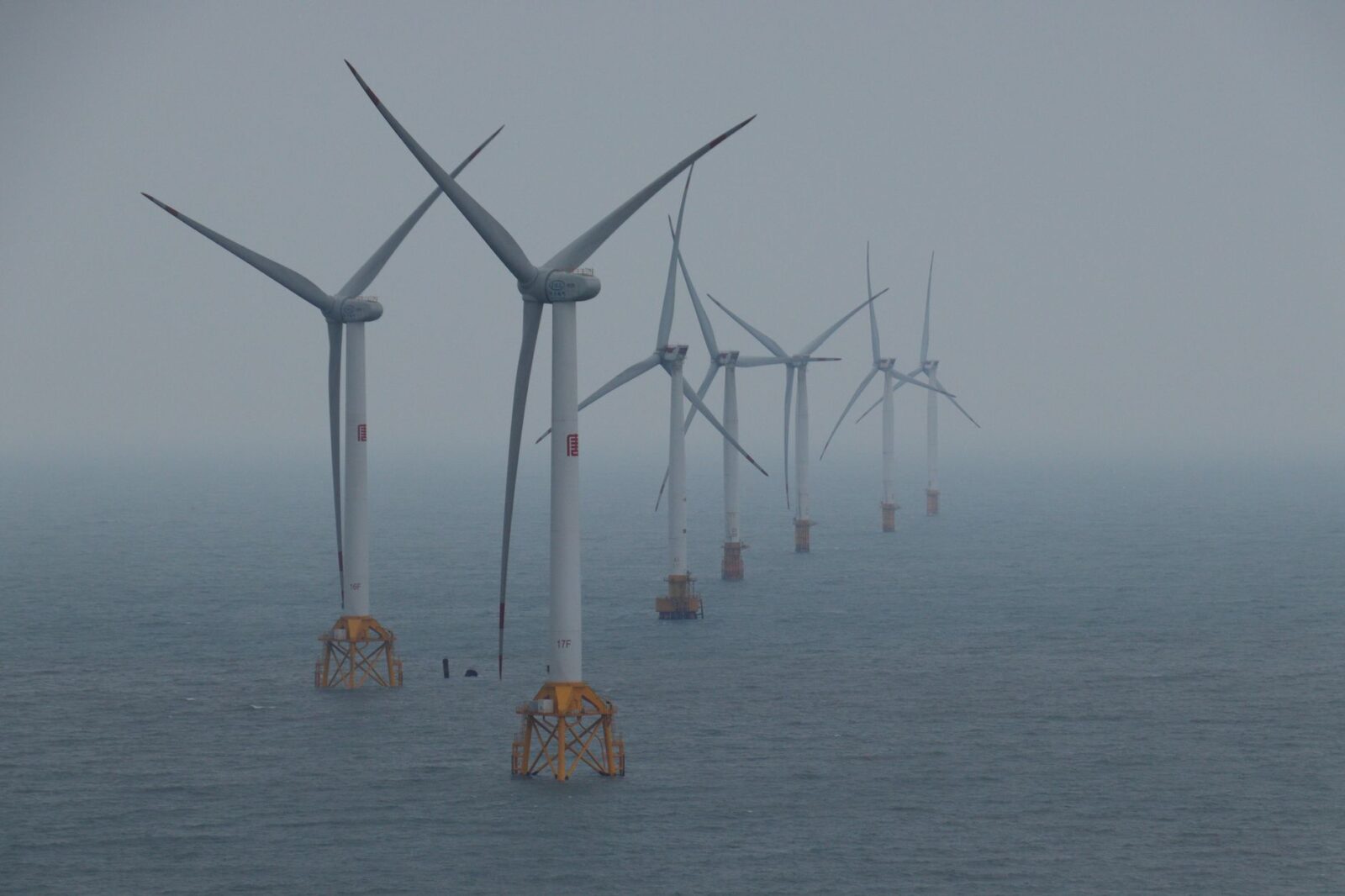
Stronger Protections for Offshore Wind Workers
On June 5, 2026, a landmark agreement was forged in the United Kingdom, marking a significant step forward for workers’ rights in the clean energy sector. The Offshore Wind Fair Work Charter, endorsed by 37 supply chain companies and five major trade unions, is set to transform the landscape for workers in coastal towns and industrial regions. This initiative promises enhanced workplace standards, including health and safety measures, and greater union access to work sites. The ultimate goal is to ensure that those powering the nation with renewable energy have a voice and equitable working conditions.
The Offshore Wind Fair Work Charter Explained
The Offshore Wind Fair Work Charter is an ambitious framework designed to address longstanding labor issues in the offshore wind sector. It mandates improved access for trade unions, aiming to facilitate direct communication between workers and their representatives. This, in turn, is expected to lead to better terms and conditions for employees, apprenticeships, and more inclusive work environments. The charter is part of the UK government’s broader strategy to drive forward the clean power mission amidst geopolitical challenges, such as the ongoing tensions in Iran.
Impact on Workers and Employers
For workers, the charter offers the promise of a more secure and supportive work environment. Enhanced health and safety standards are particularly crucial in the offshore wind industry, where working conditions can be hazardous. Employers, on the other hand, are expected to benefit from a more engaged and motivated workforce. The charter also includes provisions for a skills fund, to which developers will contribute, ensuring ongoing training and development opportunities for employees. This aligns with the government’s $5 billion youth employment package, aimed at providing young people with work experience and skills development across various sectors.

Global Context: How Other Nations Handle Workers’ Rights
Globally, the approach to workers’ rights in the clean energy sector varies. In Norway, for example, agreements between oil companies and unions have traditionally emphasized strong wage deals and worker protections, a model from which the UK seems to draw inspiration. In contrast, countries like the Philippines are currently advocating for stronger labor rights protections amidst ongoing concerns. These international perspectives highlight the UK’s proactive stance in ensuring fair treatment and opportunities for its workforce in the burgeoning offshore wind industry.
What Affected Travelers and Workers Should Do Now
For those in the offshore wind sector or considering entering it, understanding the implications of the Offshore Wind Fair Work Charter is essential. Workers should engage with their unions to stay informed about their rights and any changes in their employment terms. Employers must ensure compliance with the charter to avoid potential legal and reputational risks. Additionally, individuals seeking to work in the UK’s clean energy sector should familiarize themselves with the charter’s provisions and consult relevant government websites for updates. The UK government’s official site offers comprehensive information and resources related to this initiative.

Opportunities for Investors and Expats
The Offshore Wind Fair Work Charter also presents new opportunities for investors and expatriates. As the UK continues to invest in clean energy, the sector’s growth could attract significant foreign investment, particularly from those looking to capitalize on the UK’s commitment to renewable energy. Expats with expertise in energy or labor relations might find the evolving landscape ripe for career opportunities, especially in regions heavily involved in offshore wind production.
Future Outlook for Workers’ Rights in Clean Energy
The introduction of the Offshore Wind Fair Work Charter sets a precedent for future labor agreements in the clean energy sector. As the demand for renewable energy increases, so too will the need for a skilled and well-supported workforce. This initiative could inspire similar policies in other countries, reinforcing the importance of fair labor practices as a cornerstone of sustainable development. The UK’s approach may serve as a model, promoting international standards for workers’ rights in clean energy sectors worldwide.
Frequently Asked Questions
What is the Offshore Wind Fair Work Charter?
The Offshore Wind Fair Work Charter is a framework designed to enhance workers’ rights in the UK’s offshore wind sector, providing better union access and improved workplace standards.
Who benefits from the new charter?
Workers in the offshore wind industry will benefit from improved conditions and opportunities, while employers can expect a more engaged workforce. Investors may also see growth opportunities in this expanding sector.
How does this affect international workers?
International workers in the UK’s offshore wind sector are subject to the same protections and opportunities as local workers, promoting inclusivity and fairness.
What should companies do to comply with the charter?
Companies should ensure they adhere to the charter’s provisions, engage with unions, and contribute to the skills fund to support workforce development.
Where can I find more information?
Visit the UK government’s official website for detailed information on the Offshore Wind Fair Work Charter and related labor rights initiatives.
Stay informed with the latest travel news, visa updates, and destination guides. Follow HimalayanCrest.com for weekly travel intelligence delivered by our editorial team.