

A Heritage Home Steps from Halifax’s Waterfront
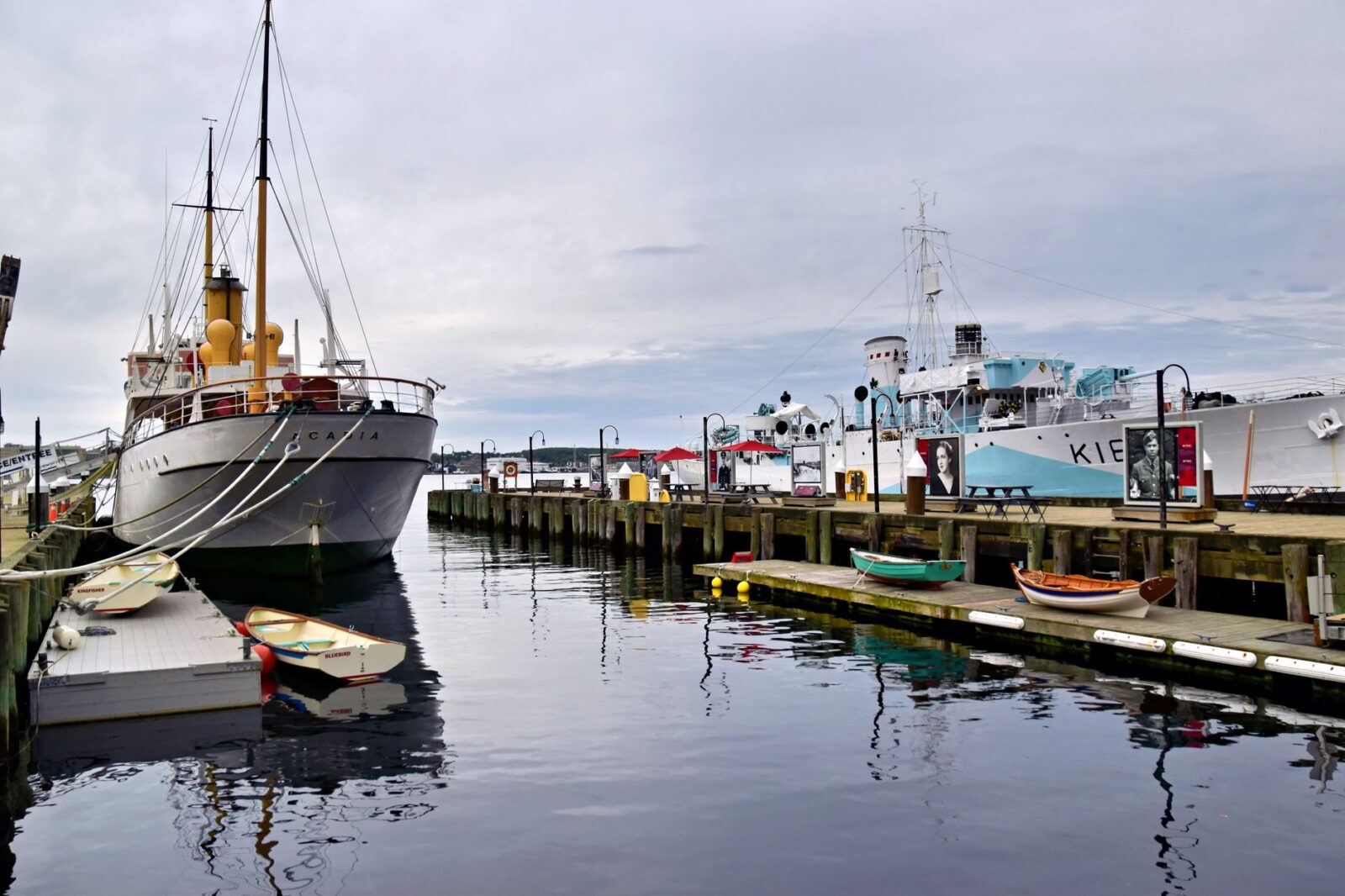
Located just two blocks from Halifax’s bustling boardwalk, the three‑level heritage home offers immediate access to the city’s maritime attractions. Built in 1862, the property carries an official “City of Halifax Registered Heritage Property” plaque that notes its original owner, William Fraser, a prominent local flour merchant. The façade retains period details such as clapboard siding and a modest front porch, while the interior has been updated for modern comfort. Guests can step outside and be at the waterfront promenade within a five‑minute walk, making it ideal for sunrise strolls or evening harbour views.
The layout spreads across three floors, providing clear separation between sleeping and communal spaces. The ground floor hosts a full bathroom and a compact mudroom, the second floor contains two bedrooms and a second full bathroom, and the top floor features the master suite with an en‑suite bath and a half‑bath nearby. With three bedrooms and two‑and‑a‑half baths, the home comfortably accommodates six travelers without feeling cramped. The design encourages both shared meals in the open‑plan kitchen and private retreats after a day of exploring.
Our research shows that bookings for this type of historic home spike during the summer months, particularly the second week of July when temperatures average 22 °C (72 °F) and daylight extends past 8 p.m. Travelers seeking a long weekend often choose Halifax for its compact downtown, where major sites such as the Halifax Citadel, Pier 21, and the Public Gardens are all within a short walk or transit ride. The home’s proximity to these attractions reduces reliance on taxis or rental cars, saving both time and money.
Why This Halifax Stay Stood Out for a Group of Six
Groups of six frequently encounter difficulty finding downtown accommodations that offer enough bedrooms and bathrooms without sacrificing location. In Halifax’s core, the majority of listings are one‑ or two‑bedroom apartments, which would require splitting the party across multiple units. The heritage home solved this problem by providing three distinct sleeping areas under one roof, eliminating the need for separate check‑ins and coordinating schedules.
Guest feedback highlighted the quality of the beds as a decisive factor; each bedroom features a queen‑size mattress with high‑thread‑count linens, which reviewers described as “incredibly comfy.” The presence of two full bathrooms and a half‑bath meant that morning routines could proceed smoothly, even when everyone prepared for a day of sightseeing or a seafood dinner. The kitchen, equipped with a full‑size refrigerator, four‑burner stove, dishwasher, and ample counter space, allowed the group to prepare breakfast and lunch, reducing dining costs.
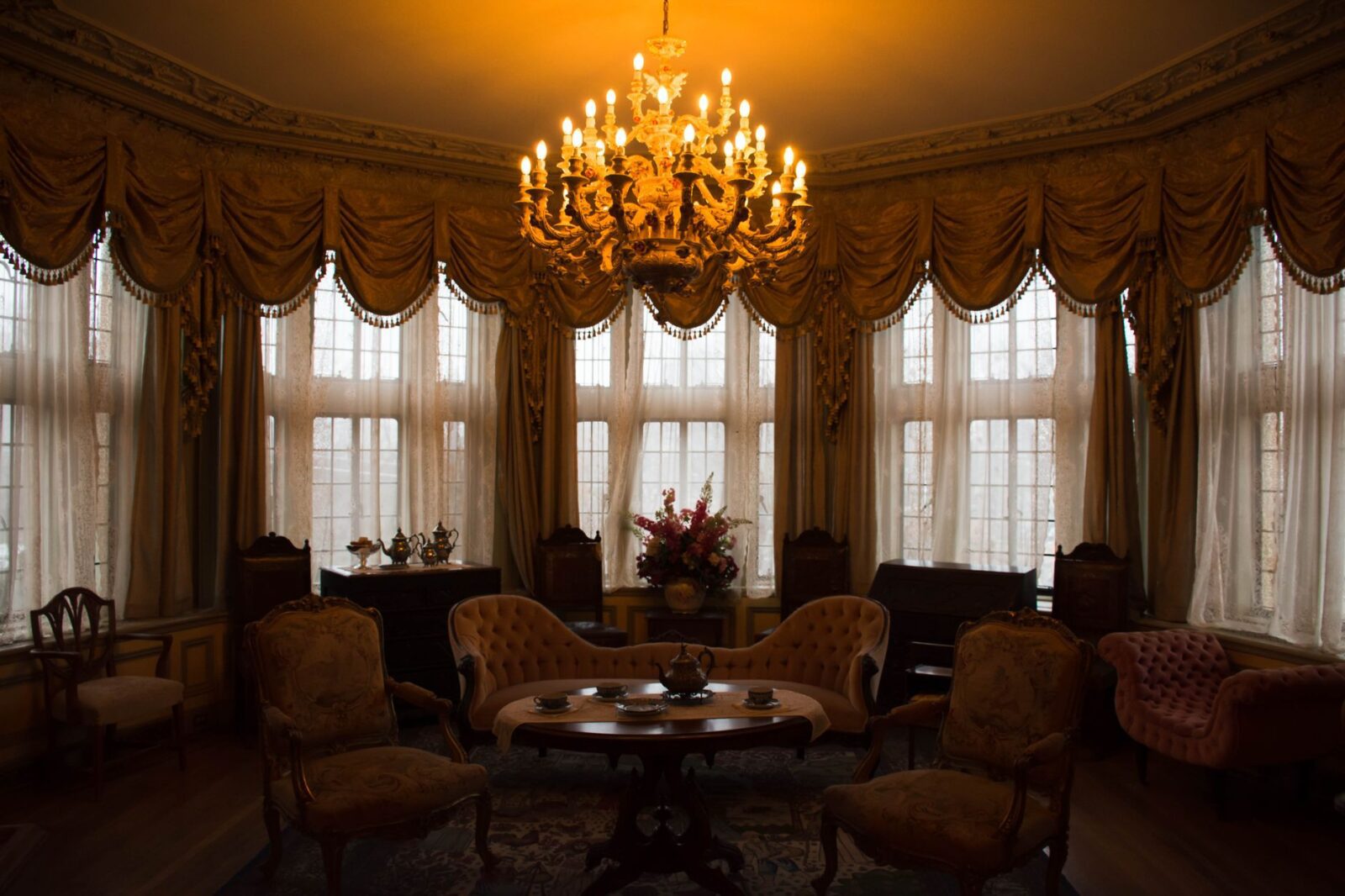
Beyond practicalities, the home’s historic character contributed to a memorable atmosphere. Exposed wooden beams in the living room, restored hardwood floors, and period‑appropriate lighting fixtures created a sense of stepping into a bygone era while still enjoying contemporary amenities such as high‑speed Wi‑Fi and a smart TV. Travelers noted that the blend of old and new sparked conversation and added a layer of storytelling to their trip, making the stay itself part of the Halifax experience.
The Story Behind the 1862 William Fraser Residence
Historical records indicate that William Fraser commissioned the home during Halifax’s post‑Confederation boom, a period when the city’s port facilitated increased trade in timber, fish, and manufactured goods. Fraser’s flour milling operation supplied both local bakeries and export markets, positioning him as a notable figure in the regional economy. The home’s construction utilized locally sourced timber and brick, reflecting the building practices of the era.
Over the subsequent century, the property changed hands several times, serving as a private residence, a boarding house, and briefly as office space for a maritime insurance firm. In the early 2000s, a sympathetic restoration preserved original elements such as the front doorway transom, the staircase balustrade, and several interior moldings while updating electrical, plumbing, and insulation systems to meet modern standards. The work earned recognition from the Halifax Regional Municipality’s heritage advisory committee.
Today, the home operates as a licensed short‑term rental under Nova Scotia’s regulations for heritage properties, which require owners to maintain the exterior appearance and adhere to guidelines for any alterations. This regulatory framework helps protect the streetscape of downtown Halifax, ensuring that visitors continue to encounter authentic examples of 19th‑century architecture amid the city’s evolving skyline.
Halifax’s Appeal: Maritime Charm Meets Modern Comfort
Halifax ranks as the capital and most populous municipality of Nova Scotia, with a population exceeding 440,000 in the Halifax Regional Municipality. The city’s waterfront features a 4‑kilometre boardwalk lined with historic ships, public art installations, and a variety of eateries serving fresh Atlantic seafood such as lobster rolls, scallops, and smoked salmon. Craft breweries have proliferated in recent years, with over 30 licensed establishments offering ales infused with local ingredients like spruce tips and blueberry.
Cultural attractions complement the natural scenery. The Maritime Museum of the Atlantic showcases exhibits on the Titanic, the Halifax Explosion of 1917, and the region’s naval heritage. The Art Gallery of Nova Scotia presents works by Canadian and Indigenous artists, while the Neptune Theatre hosts performances ranging from classic drama to contemporary comedy. Festivals such as the Halifax Jazz Festival and the Atlantic Film Festival draw visitors each summer, adding to the city’s vibrant atmosphere.
Travelers often describe Halifax as offering the feel of a larger city without the overwhelming scale of metropolises like Toronto or Montreal. The downtown core is walkable, with most attractions within a 20‑minute stroll, and the public transit system—operated by Halifax Transit—provides bus and ferry connections to neighborhoods such as Dartmouth and Bedford. This combination of accessibility, history, and culinary richness makes Halifax a compelling destination for short getaways and longer explorations alike.
Practical Tips for Booking Similar Historic Stays in Halifax
When searching for heritage homes or similarly spacious Airbnb listings in Halifax, travelers should use filters for “entire place,” “3+ bedrooms,” and “2+ bathrooms” while also selecting the “Downtown Halifax” or “Waterfront” neighbourhoods. Sorting by “Superhost” status and reviewing recent guest comments can help identify properties that consistently deliver cleanliness, accurate descriptions, and responsive hosts. It is advisable to book at least eight to ten weeks in advance for summer travel, as demand for larger historic properties spikes during July and August.
Verifying the property’s heritage status can add confidence; listings that mention a “Registered Heritage Property” plaque or reference a specific year of construction often have undergone municipal review. Travelers should also check the cancellation policy carefully, as some hosts offer flexible terms while others enforce stricter rules due to the higher maintenance costs associated with older buildings. Communicating any specific needs—such as wheelchair accessibility or pet policies—before booking helps avoid surprises upon arrival.
Finally, consider the timing of your visit relative to local events. The Halifax International Busker Festival in early August and the Royal Nova Scotia International Tattoo in late July attract large crowds, which can elevate both accommodation prices and street activity. If a quieter experience is preferred, targeting the shoulder seasons of late May‑early June or mid‑September‑early October may yield better value while still offering pleasant weather and fewer tourists.

Cost Breakdown: What to Expect for a Heritage Airbnb in 2026
Based on current market data for Halifax in mid‑2026, a three‑bedroom heritage home similar to the one described typically commands a nightly rate between CAD 210 and CAD 260 (approximately USD 155‑USD 190) during the peak summer window of late June through early September. Rates drop to the CAD 160‑CAD 200 range (USD 118‑USD 148) in the shoulder months of May and October. These figures reflect average nightly prices for entire‑home rentals that include utilities, Wi‑Fi, and basic kitchen supplies.
Additional costs to budget include the provincial accommodation tax, which stands at 5 % of the nightly rate, and a possible cleaning fee ranging from CAD 40 to CAD 80 (USD 30‑USD 60) depending on the property size and cleaning standards. Some hosts also charge a modest service fee through the Airbnb platform, generally around 3 % of the subtotal. For a three‑night stay in July, a realistic total would fall between CAD 750 and CAD 950 (USD 550‑USD 700) before taxes and fees, bringing the all‑in‑cost to roughly CAD 820‑USD 1,040 (USD 605‑USD 770).
Travelers can offset these expenses by preparing some meals in the kitchen. A typical grocery run for breakfast items, lunch supplies, and snacks for six people averages CAD 80‑CAD 100 (USD 60‑USD 75) per day, potentially saving CAD 120‑CAD 180 (USD 90‑USD 135) compared to dining out for every meal. Leveraging the home’s laundry facilities—many heritage rentals include a washer and dryer—can also reduce the need to pack excessive clothing, further lightening the travel budget.
How Current Trade Dynamics Influence Halifax’s Travel Scene
In the first half of 2026, Halifax’s retail market demonstrated strong performance, with year‑over‑year sales growth of 4.2 % reported by the Halifax Chamber of Commerce. However, analysts note that the ongoing trade tensions between Canada and the United States have introduced uncertainty into the commercial real estate sector. The Canadian government’s retaliatory tariffs on certain U.S. goods, coupled with U.S. measures on Canadian lumber and agricultural products, have made developers cautious about initiating new construction projects in the downtown core.
This cautious stance indirectly benefits travelers interested in heritage accommodations, as the limited supply of new hotel rooms helps maintain demand for existing character properties such as the 1862 home. Occupancy rates for boutique hotels and well‑reviewed Airbnb listings in Halifax remained above 78 % throughout the second quarter of 2026, indicating healthy demand despite broader economic headwinds. Travel industry experts suggest that visitors may continue to favor authentic, locally‑owned stays that offer a connection to the city’s history, especially when new‑build options are slower to emerge.
Looking ahead, municipal planners have signaled intentions to incentivize adaptive reuse of historic buildings for hospitality purposes, potentially increasing the supply of renovated heritage homes available for short‑term rental. Such policies could moderate price growth over the next 12‑24 months while preserving the architectural fabric that defines Halifax’s streetscape. Travelers monitoring these developments may find opportunities to book newly renovated properties at introductory rates before they become widely known.
Planning Your Own Halifax Long Weekend: Sample Itinerary
Friday afternoon: Arrive via Halifax Stanfield International Airport (YHZ), which offers direct flights from major Canadian hubs and seasonal connections from the United States and Europe. Take a 20‑minute taxi or rideshare to the heritage home, check in, and unwind with a walk along the waterfront boardwalk to watch the sunset over the harbour.
Saturday morning: Begin with a self‑catered breakfast in the kitchen, then explore the Halifax Citadel National Historic Site, where guided tours reveal the fort’s role in defending the city from the 18th to the 20th century. Afterward, stroll through the Public Gardens, a Victorian‑style oasis featuring fountains, flower beds, and duck ponds.
Saturday lunch: Head to the historic Seaport Market and sample local specialties such as a lobster roll from a vendor known for its fresh catch, paired with a craft beer from a nearby brewery.
Saturday afternoon: Visit the Maritime Museum of the Atlantic to view the Titanic exhibit and the CSS Acadia, a surviving hydrographic survey ship. Later, browse the boutiques along Spring Garden Road for souvenirs and locally made goods.
Saturday evening: Return to the home to prepare a simple dinner of grilled salmon and seasonal vegetables, enjoying the meal on the back patio if weather permits. For those seeking nightlife, a short walk leads to several lively pubs featuring live Celtic‑inspired music.
Sunday morning: Check out after a leisurely breakfast, then take the ferry to Dartmouth to explore the Alderney Gate area and its scenic waterfront trail before departing for the airport.
This itinerary balances structured activities with free time, allowing groups to immerse themselves in Halifax’s maritime heritage while also enjoying the comfort and convenience of a well‑located historic rental.
Stay informed with the latest travel news, visa updates, and destination guides. Follow HimalayanCrest.com for weekly travel intelligence delivered by our editorial team.