

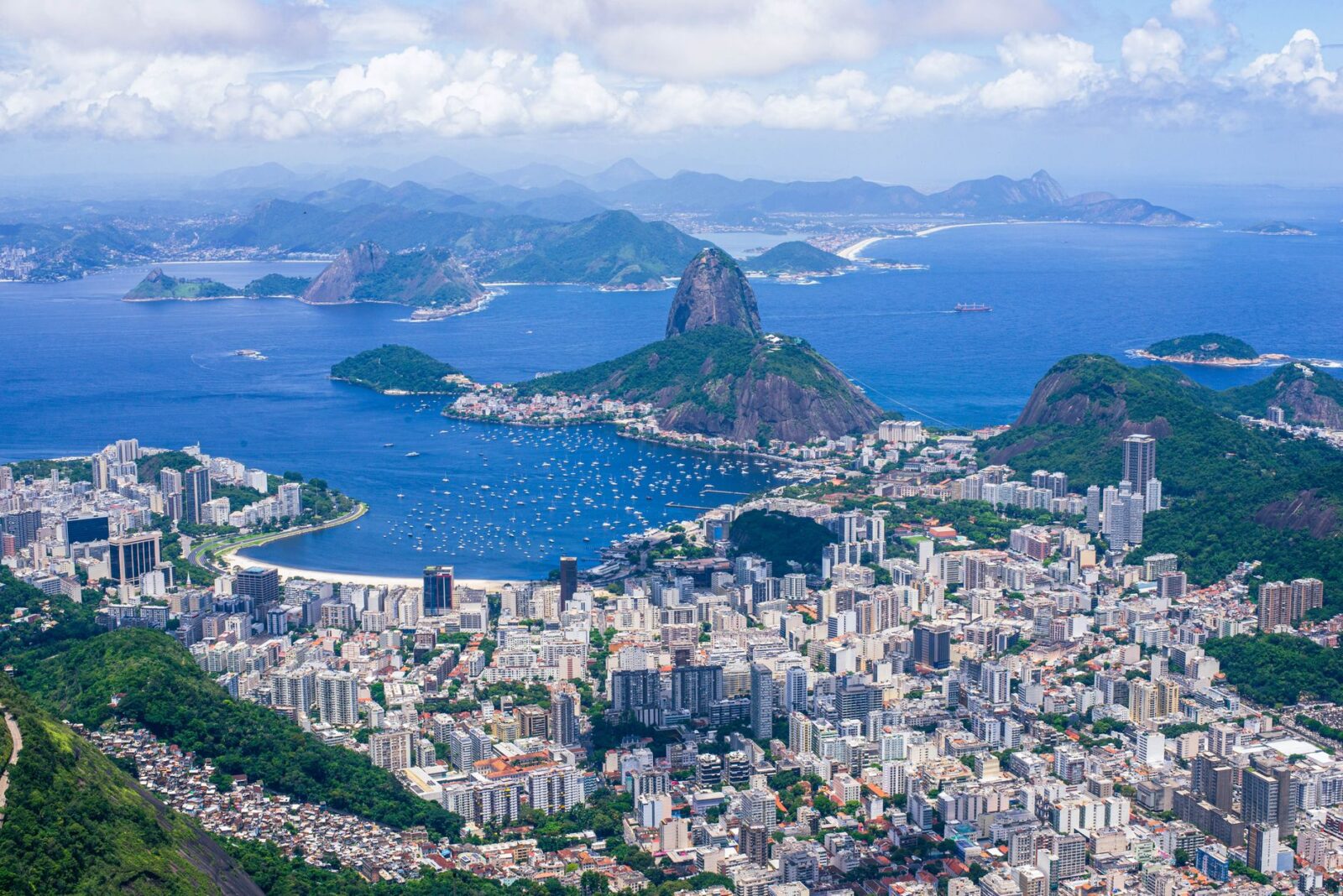
Why Brazil’s Travel Advisory Is Making Headlines Right Now
The U.S. Department of State refreshed its Brazil travel advisory on August 28, 2026, moving the nation to Level 2, which means travelers should exercise increased caution. This update follows a spike in reports of drink spiking, ATM theft, and kidnapping attempts in major tourist hubs. The advisory specifically flags Rio de Janeiro as a hotspot for drugging incidents at bars and on dating apps. For anyone planning a trip to Brazil this fall, understanding these nuances is essential for a safe journey.
Beyond the headlines, the advisory highlights that crime remains concentrated in certain urban neighborhoods and along remote border zones. While the Amazon rainforest and the Pantanal wetlands continue to draw eco‑tourists, visitors are urged to stay vigilant after dark in city centers. The State Department’s notice also reminds Americans to enroll in the Smart Traveler Enrollment Program (STEP) for real‑time alerts. These details shape the practical advice that follows in this guide.
Travelers who heed the advisory can still enjoy Brazil’s vibrant culture, world‑class beaches, and legendary festivals. The key is to blend awareness with preparation, using trusted transport, secure accommodations, and local insights. In the sections below, we break down exactly where to be careful, how to protect yourself, and what budget to expect for a rewarding visit.
What the Current Level 2 Advisory Actually Means for Travelers
A Level 2 advisory does not prohibit travel; it signals that risks are higher than usual and that extra precautions are warranted. The State Department’s wording emphasizes “exercise increased caution” due to crime and kidnapping, with particular attention to armed robbery and drugging. This classification is the same level applied to countries like Mexico and Indonesia, indicating a moderate but manageable threat environment.
Specific incidents cited in the August update include reports of tourists having their drinks spiked in Rio’s Zona Sul nightlife district, leading to theft or assault. ATM skimming devices have been found in São Paulo’s central districts, and there have been isolated kidnapping attempts near favela peripheries. The advisory stresses that these events are not ubiquitous but are frequent enough to warrant heightened awareness.
For practical purposes, travelers should treat the advisory as a checklist: avoid displaying valuables, use reputable taxi apps, keep copies of passports separate, and stay in well‑reviewed accommodations with 24‑hour security. By following these steps, the likelihood of encountering trouble drops significantly, allowing the focus to remain on Brazil’s natural wonders and cultural riches.
Where the Risks Are Concentrated: Cities and Neighborhoods to Watch
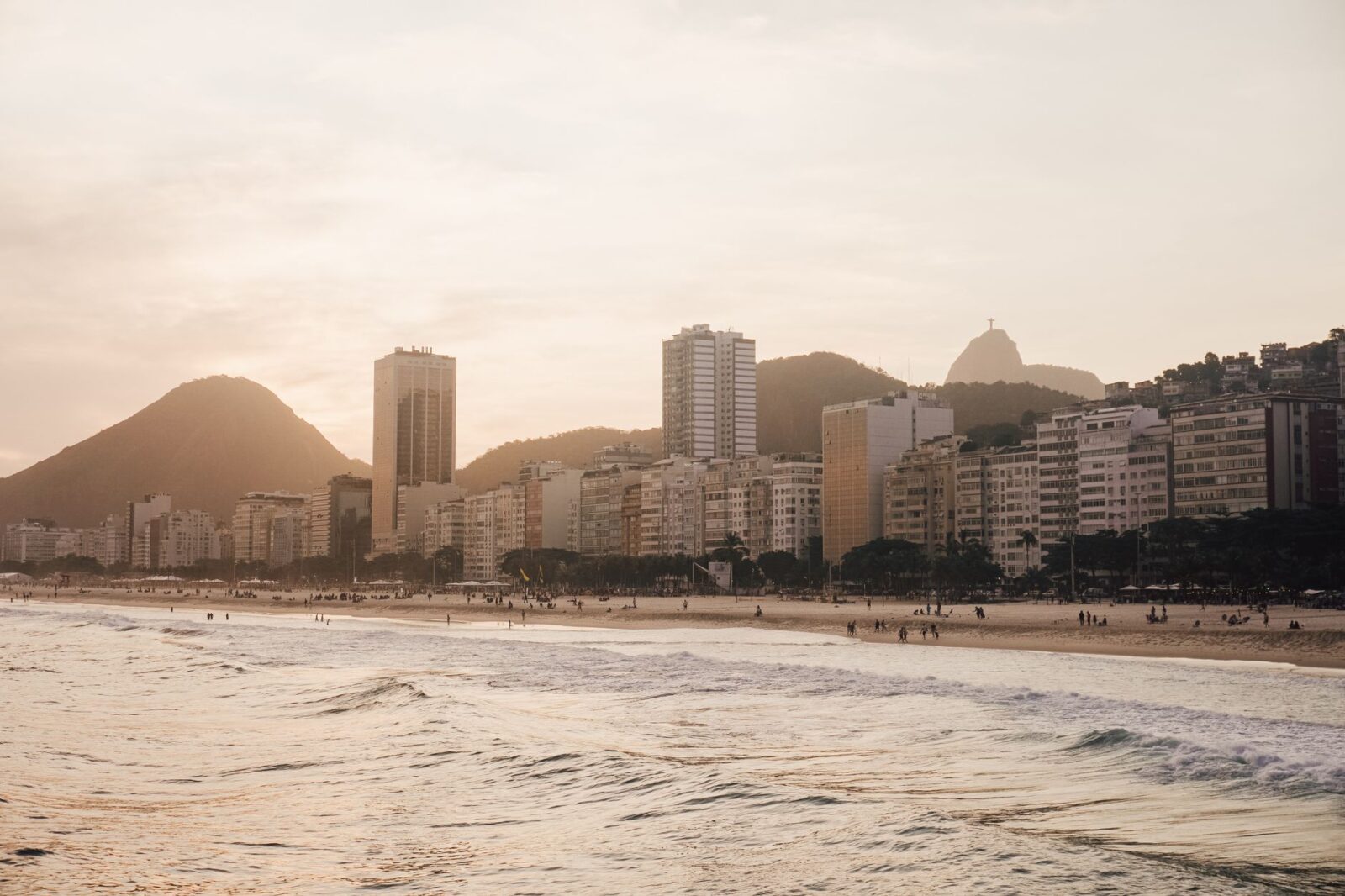
Rio de Janeiro remains the most frequently mentioned city in the advisory, especially the neighborhoods of Copacabana, Ipanema, and Lapa after midnight. Reports of drink spiking often originate in beachfront kiosks and rooftop bars where tourists mingle with locals. The State Department advises against accepting drinks from strangers and to keep your beverage in sight at all times.
In São Paulo, the central zona urbana around Avenida Paulista and the historic core sees higher rates of pickpocketing and ATM fraud. Travelers are urged to use ATMs located inside banks or shopping malls during daylight hours and to shield the keypad when entering PINs. The advisory also notes occasional reports of express kidnappings in the city’s outer districts, though these remain rare.
Brasília, the capital, experiences lower overall crime but has seen isolated incidents of robbery near the Esplanada dos Ministérios after dark. Border towns such as Foz do Iguaçu and Ciudad del Este (just across the frontier) have higher incidences of smuggling‑related crime, so visitors should keep belongings secure when crossing. Rural eco‑lodges in the Amazon generally report few safety issues, but guides recommend traveling with reputable operators and avoiding night walks alone.
Smart Safety Habits: How to Protect Yourself on the Ground
One of the most effective defenses is to blend in: wear modest clothing, avoid flashy jewelry, and keep smartphones tucked away when not in use. Using registered taxi services like 99 or Uber, rather than hailing cabs on the street, reduces the chance of encountering unlicensed drivers. Many hotels offer a shuttle service to major attractions; taking advantage of this can simplify logistics and improve safety.
When enjoying nightlife, order drinks directly from the bar staff and watch them being prepared. If you use dating apps, meet in public places during daylight hours and inform a friend of your plans. The advisory’s warning about drugging underscores the importance of never leaving a drink unattended, even for a moment.
Financial safety is equally important. Carry only the cash you need for the day, store the rest in a hotel safe, and use a money belt or hidden pouch for passports and cards. Regularly check bank statements for unauthorized transactions, especially after using ATMs. By adopting these habits, travelers can significantly lower their exposure to the risks highlighted in the advisory.
Entry Rules, Visa Details, and Health Precautions for U.S. Visitors
U.S. citizens enjoy visa‑free tourism entry to Brazil for stays up to 90 days within a 180‑day period, provided they hold a passport valid for at least six months beyond the date of arrival. No visa is required for leisure, business, or short‑term study purposes. Travelers must present a return or onward ticket and may be asked to show proof of sufficient funds, typically around USD 100 per day of stay.
As of September 2026, Brazil does not mandate a COVID‑19 vaccination or negative test for entry, though routine vaccinations such as hepatitis A, typhoid, and tetanus‑diphtheria are recommended. Yellow fever vaccination is advised for travelers venturing into the Amazon basin or visiting Iguaçu Falls, and proof of vaccination may be required at certain border crossings. Carrying an International Certificate of Vaccination or Prophylaxis (ICVP) is prudent for those heading to endemic zones.
Customs regulations allow the import of up to USD 500 worth of goods without duty, including gifts and personal items. Alcohol and tobacco limits are 2 liters of spirits and 400 cigarettes. Declaring any amount exceeding these thresholds avoids fines. Keeping receipts for high‑value electronics helps smooth the re‑entry process into the United States.
Budget Breakdown: What a Mid‑Range Brazil Trip Costs in USD
Accommodation prices vary widely by city and season. In Rio de Janeiro, a comfortable three‑star hotel averages USD 90 per night in the shoulder season (May‑September), while a well‑rated hostel dormitory costs USD 20‑30 per night. In São Paulo, comparable hotels run USD 80‑110, and budget hostels hover around USD 18‑25. For those seeking luxury, five‑star properties in Copacabana or Jardins can exceed USD 250 per night.
Food expenses are moderate. A typical lunch at a mid‑range restaurant costs USD 12‑18, dinner USD 15‑25, and a casual street‑food snack (like a pastel or coxinha) is USD 3‑5. Grocery shopping at local markets can keep daily food costs under USD 10 if you prepare simple meals. Bottled water is inexpensive, usually USD 0.50‑0.80 per liter.
Transportation adds another layer. Urban metro rides in Rio and São Paulo cost USD 1‑1.50 per trip, while bus fares are slightly lower. Ride‑hailing apps charge USD 5‑12 for short city trips, depending on distance and traffic. Intercity flights between major hubs (e.g., Rio to Salvador) average USD 120‑180 when booked two to three weeks in advance. Long‑distance bus travel is cheaper, with a Rio‑to‑São Paulo seat priced around USD 25‑35.
Putting it together, a modest two‑week trip for one person—covering accommodation, meals, local transport, and a few activities—can be budgeted at roughly USD 1,300‑1,600. This figure assumes mid‑range lodging, mixed dining, and a couple of guided tours. Luxury travelers should plan for USD 2,500‑3,500, while backpackers can manage under USD 900 by staying in hostels, eating street food, and using public buses.
Best Times to Visit: Weather, Events, and Lower‑Risk Periods
Brazil’s climate splits roughly into a dry season (May‑September) and a wet season (October‑April). The dry months offer lower humidity, fewer mosquitoes, and more predictable weather, making them ideal for city sightseeing, beach visits, and Amazon expeditions. September, in particular, sees pleasant temperatures in Rio (average high 26°C/79°F) and reduced rainfall in the Pantanal.
Major events such as Carnival (February‑March) and Reveillon (New Year’s Eve) draw massive crowds and can elevate petty crime due to the sheer volume of revelers. While these festivals are spectacular, travelers seeking a quieter experience may prefer the shoulder months of April or October, when festivities have waned but weather remains agreeable.
For wildlife enthusiasts, the Amazon’s dry season (June‑November) provides better trail conditions and increased chances to spot macaws, caimans, and river dolphins. The Pantanal’s peak wildlife viewing occurs from July to September, when animals congregate around shrinking water sources. Aligning your visit with these natural cycles enhances both safety and enjoyment.
If You Love Brazil but Want Options: Comparable South American Destinations
Travelers who appreciate Brazil’s blend of beach, jungle, and urban energy might consider Colombia as a close alternative. Cartagena’s walled city offers colonial charm and Caribbean vibes, while Medellín’s spring‑like climate and innovative urban projects attract culture seekers. Flight costs from the United States to Bogotá often match those to Rio, and Colombia’s advisory level is similarly Level 2 in many regions.
Another option is Peru, where the combination of Lima’s gastronomy, Cusco’s Inca heritage, and the Amazon gateway of Puerto Maldonado mirrors Brazil’s diversity. The iconic Machu Picchu trek draws adventure lovers, and the coastal desert offers surfing spots comparable to Brazil’s northeast. Entry requirements for U.S. citizens are also visa‑free for up to 183 days.
For those prioritizing rainforest immersion without the urban intensity, Ecuador’s Yasuni National Park provides pristine biodiversity and relatively low crime rates in its lodges. The Galápagos Islands, while more expensive, deliver unmatched wildlife encounters. Each of these destinations allows travelers to swap one risk profile for another while still enjoying South America’s rich tapestry of landscapes and cultures.
Frequently Asked Questions
Is it safe to visit Rio de Janeiro right now?
Yes, many travelers enjoy Rio safely each year by following basic precautions: avoid isolated beaches after dark, use reputable transport, and keep valuables out of sight. The Level 2 advisory urges increased caution, not avoidance, so staying in well‑patrolled zones like Zona Sul and sticking to group tours can further reduce risk.
Do I need a visa to enter Brazil as a U.S. citizen?
No visa is required for tourism stays up to 90 days within a 180‑day period. A passport valid for at least six months beyond your arrival date is sufficient. Be prepared to show proof of onward travel and sufficient funds if asked by immigration officials.
What are the most common scams to watch out for?
ATM skimming, drink spiking in bars, and fake taxi drivers are the most frequently reported issues. Use ATMs inside banks, never leave your drink unattended, and book rides through official apps or your hotel.
How much should I budget per day for a comfortable trip?
A mid‑range traveler can expect to spend roughly USD 70‑100 per day, covering accommodation, meals, local transport, and modest activities. This estimate assumes double‑occupancy hotel rooms and a mix of restaurant meals and occasional self‑catering.
Are there any health vaccinations I need before going?
Routine vaccinations should be up to date. Hepatitis A and typhoid are recommended for most travelers. Yellow fever vaccination is advised for trips to the Amazon basin or Iguaçu Falls, and proof may be required at certain border crossings. Consult a travel clinic at least four weeks before departure.
We hope this guide equips you with the knowledge to explore Brazil confidently and responsibly. If you found this article helpful, please share it with fellow travelers and leave a comment below with your own tips or questions. Safe travels!
Stay informed with the latest travel news, visa updates, and destination guides. Follow HimalayanCrest.com for weekly travel intelligence delivered by our editorial team.