

Africa’s True Diversity: More Than Meets the Eye
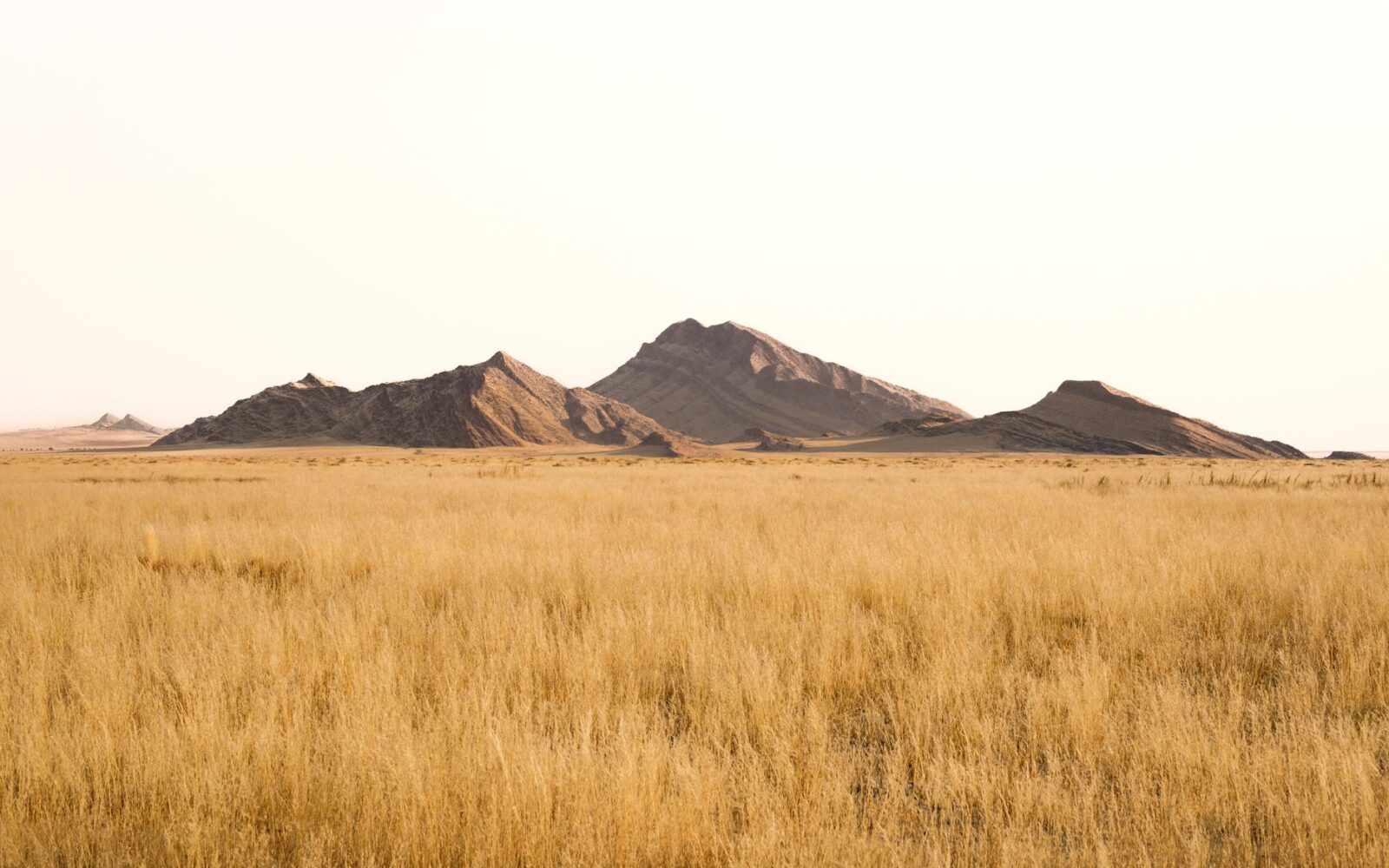
Imagine standing atop the sand dunes of Namibia, the vastness stretching endlessly before you. A few thousand miles away, the vibrant streets of Lagos hum with life, a tapestry of colors and sounds. Yet, in the eyes of much of the world, Africa remains a singular monolith, its rich diversity overshadowed by sweeping generalizations. This perception not only fails to capture the continent’s rich tapestry but also significantly impacts the travel industry.
The Impact of Localized Ebola Outbreaks
Earlier this year, a localized Ebola outbreak emerged in the Democratic Republic of Congo. Despite being confined to specific areas, the ripple effects were felt across the continent. As Keith Vincent, CEO of Wilderness, highlighted, the travel industry responded as if the outbreak had spread across all of Africa, leading to a continent-wide slump in tourism demand. This reaction underscores a pervasive issue: the tendency to treat Africa as a single entity rather than a collection of diverse nations.
Global Travel Trends and Misconceptions
Globally, travel decisions are often influenced by perceptions rather than realities. This is particularly evident in Africa, where disease outbreaks or political unrest in one region often lead to widespread travel cancellations. This trend is not new. When Ebola re-emerged in Central Africa, airlines and tour operators reported significant drops in bookings, not just in the affected areas but across the entire continent.
Practical Tips for Travelers
For those planning trips to Africa, it’s crucial to approach travel with informed perspectives. Here are some practical tips:
- Research specific destinations rather than generalizing the entire continent.
- Consult official sources like the World Health Organization for accurate health advisories.
- Consider travel insurance that covers trip cancellations due to unforeseen circumstances.
- Engage with local tourism boards for the latest updates and safety information.
These steps can help travelers make informed decisions, ensuring their experiences are both safe and enriching.
Expert Analysis: The Path Forward
Looking ahead, experts suggest a more nuanced approach to African tourism. Virginia Messina of the African Travel & Tourism Association emphasizes the need for better communication strategies that highlight Africa’s diversity. By educating travelers and showcasing unique experiences across the continent, stakeholders can counteract negative perceptions and boost tourism.

Cost Implications and Budget Considerations
Travelers should also be aware of potential cost implications. Due to decreased demand, some destinations may offer discounts or incentives to attract visitors. Conversely, travel insurance premiums might rise due to perceived risks. Budgeting for these variables can ensure a smooth travel experience.
Frequently Asked Questions
Is it safe to travel to Africa during an Ebola outbreak?
Yes, it is generally safe to travel to areas not affected by the outbreak. Always check the latest advisories from health organizations.
How can I stay informed about health risks in Africa?
Stay updated through official sources like the WHO and local health departments. They provide reliable information on health risks and safety measures.
What are some underrated African destinations to consider?
Consider exploring Namibia’s stunning landscapes or the cultural richness of Ghana. These areas offer unique experiences often overlooked by mainstream tourism.
How does the travel industry impact local economies in Africa?
The travel industry is a vital economic driver for many African nations, providing jobs and supporting local businesses. A slump in tourism can have significant economic repercussions.
Conclusion: Rethinking Africa’s Travel Narrative
As travelers, it’s essential to challenge the monolithic view of Africa and appreciate its diverse offerings. By doing so, we not only enrich our travel experiences but also support a more accurate and fair representation of this vast and varied continent. Share your thoughts below and help spread the word about Africa’s incredible diversity.
Stay informed with the latest travel news, visa updates, and destination guides. Follow HimalayanCrest.com for weekly travel intelligence delivered by our editorial team.