

A Culinary Journey Through Georgia’s Streets
Imagine strolling through the bustling streets of Tbilisi, where the aroma of freshly baked khachapuri wafts through the air, mingling with the sweet scent of ripening peaches from a nearby market stall. As the sun dips below the horizon, casting a golden glow over the city’s eclectic mix of Byzantine and Soviet architecture, you’re drawn to a cozy courtyard, where locals gather over platters of khinkali, the beloved Georgian dumplings, sharing laughter and stories.
Why Georgia Shines on the Culinary Map
Georgia’s culinary prowess is no accident. Nestled at the crossroads of Europe and Asia, this nation has absorbed diverse influences, from Persian and Ottoman to Russian, creating a unique gastronomic tapestry. Its ancient winemaking tradition, dating back over 8,000 years, adds a rich layer to its culinary identity. In recent years, Georgia has emerged as a must-visit destination for food enthusiasts, offering a blend of flavors and experiences unmatched anywhere else in Europe.
The Best Time to Savor Georgia
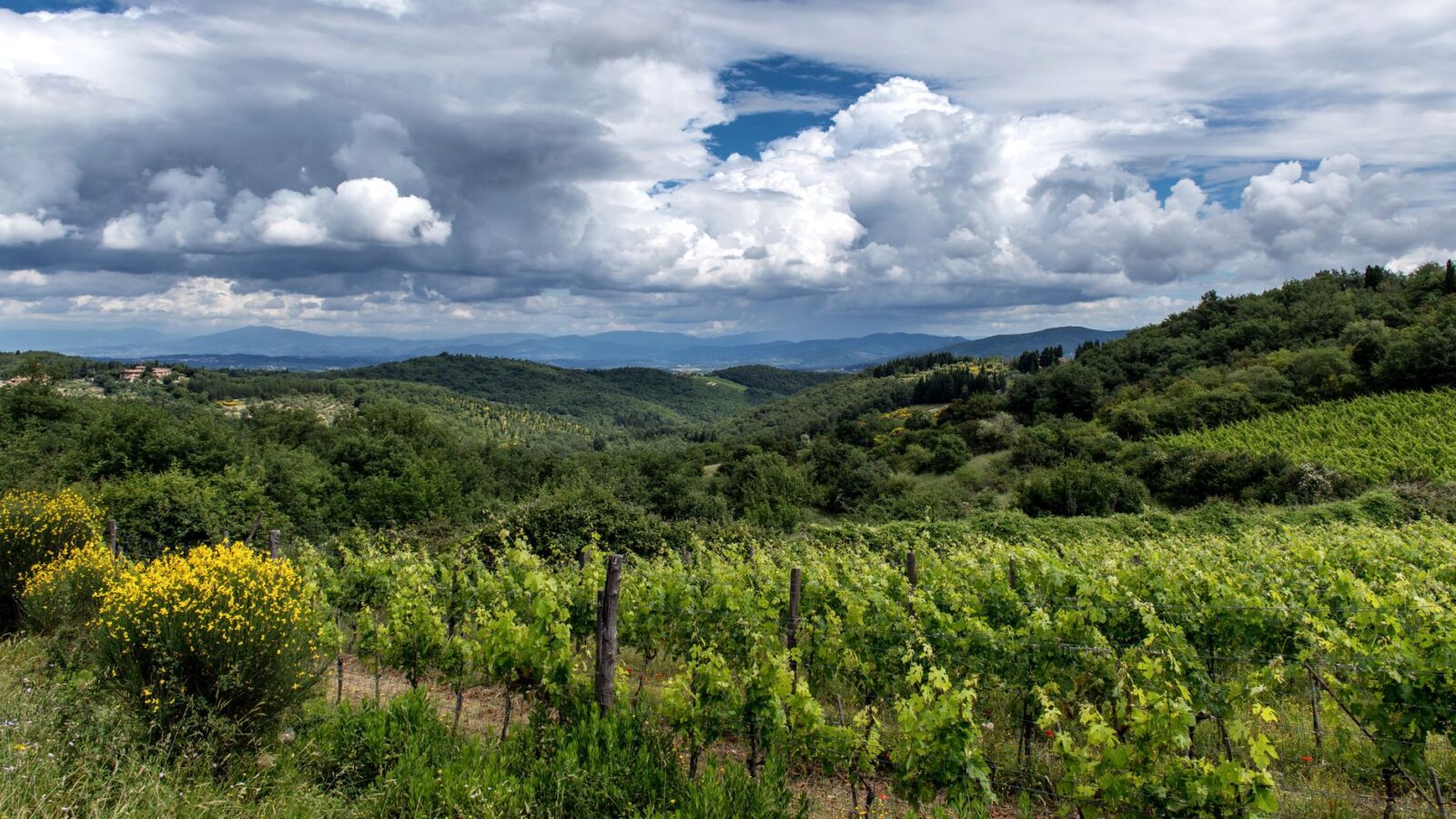
Georgia’s climate varies significantly across its regions, making timing your visit essential for an optimal experience. The spring months of April and May bring mild temperatures and blooming landscapes, ideal for exploring vineyards in Kakheti. Summer, from June to August, is perfect for trekking in the cooler mountain regions like Svaneti, while autumn, particularly September and October, offers a harvest of fresh produce and wine festivals. Winter, though chilly, transforms Georgia into a snowy wonderland, best enjoyed in ski resorts like Gudauri.
Where to Stay: Comfort for Every Budget
Tbilisi offers a range of accommodations to suit all budgets. For travelers on a shoestring, hostels and guesthouses in the Old Town area provide charm and convenience at $30-50 per night. Mid-range options, such as boutique hotels in the Avlabari district, offer comfort and style for $80-150. For a luxurious stay, consider the sumptuous hotels in the Vake district, where prices start at $200, offering panoramic views of the cityscape.
Unmissable Experiences for Food Lovers
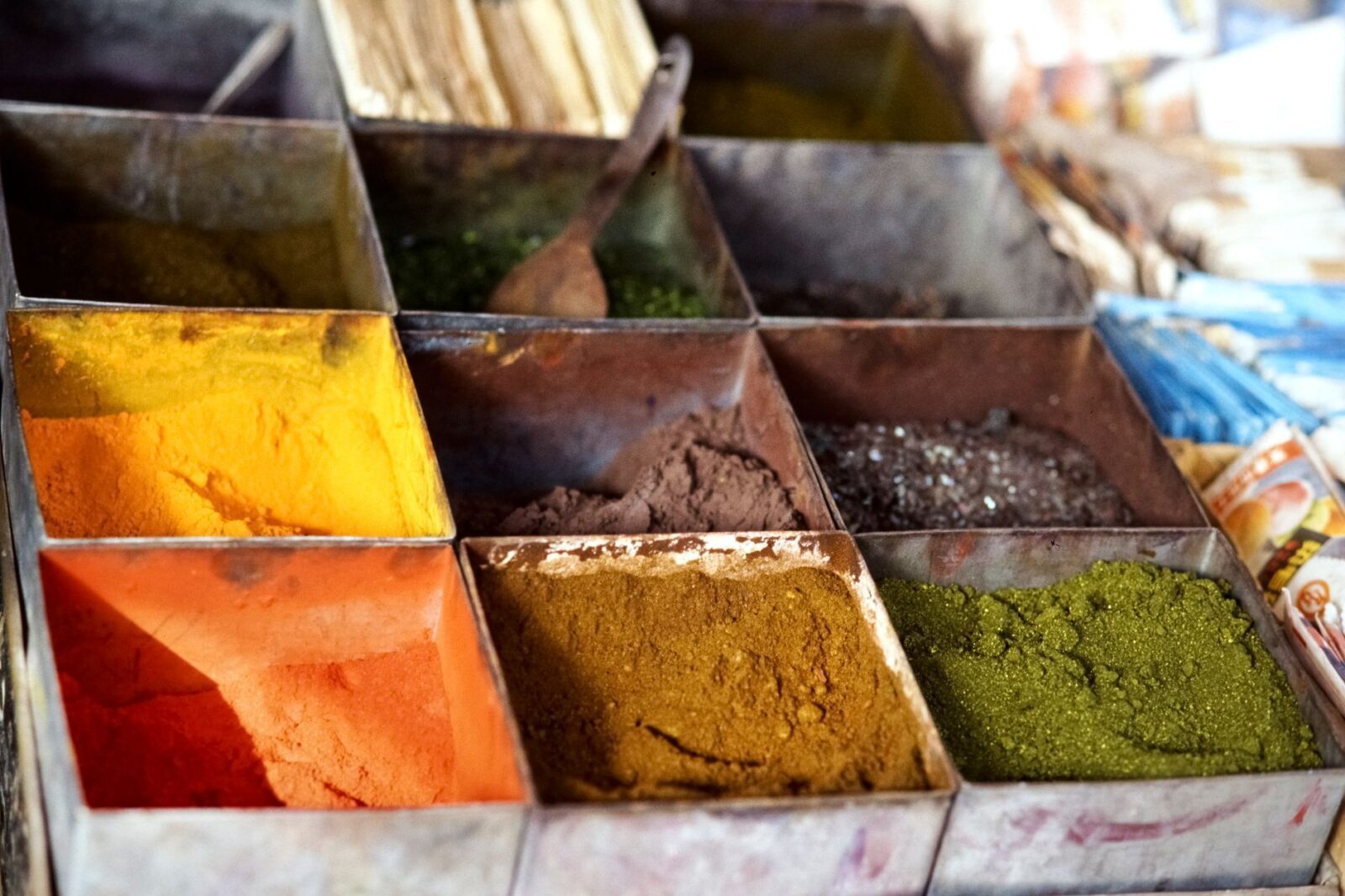
No visit to Georgia would be complete without a culinary tour. Begin with a visit to the Dezerter Bazaar in Tbilisi, where vibrant stalls overflow with fresh herbs, spices, and cheeses. Here, you can sample sulguni, a traditional Georgian cheese, or try Churchkhela, a unique sweet made from grape must and nuts. For an immersive wine experience, head to the Kakheti region, where you can tour family-run wineries and taste wines made using the ancient qvevri method, recognized by UNESCO.
A Taste of Georgia: Must-Try Dishes
Georgia’s food scene is a delightful adventure for the palate. Don’t miss khachapuri, a cheese-filled bread that varies by region, with the Adjarian version topped with a runny egg and butter. Sample khinkali, juicy dumplings filled with spiced meat, ideally eaten with a sprinkle of black pepper. In Tbilisi, the Sololaki district is known for its array of dining options, where a hearty meal can cost around $10-15.
Getting to Georgia: Travel Tips and Costs
Georgia is well-connected by air, with Tbilisi International Airport being the main gateway. Budget airlines offer competitive fares from various European cities. For ground travel, Georgia’s railway and marshrutka (shared minibus) networks are extensive and affordable. A visa-free regime is available for citizens of over 90 countries, including the EU, USA, and Canada, making entry hassle-free for most travelers.
Cultural Etiquette and Local Insights
Georgians are renowned for their hospitality, but understanding local customs enhances your experience. When invited to a Georgian supra (feast), respect the tradition of toasting led by the tamada (toastmaster). Dress modestly when visiting religious sites, and be mindful of the local preference for personal space. Avoid the common tourist mistake of declining food or drink offered by a host, as it may be seen as impolite.
FAQs About Traveling to Georgia
What is the currency in Georgia?
The local currency is the Georgian Lari (GEL). It’s advisable to carry some cash, especially in rural areas where card payments may not be accepted.
Is Georgia safe for tourists?
Georgia is generally considered a safe country for tourists. Petty crime is rare, but standard precautions, such as safeguarding your belongings, are recommended.
Do I need a visa to visit Georgia?
Many nationalities, including EU, US, and Canadian citizens, can enter Georgia without a visa for up to one year. Always check the latest entry requirements before traveling.
What languages are spoken in Georgia?
Georgian is the official language. English is increasingly spoken in tourist areas, but it’s helpful to learn a few basic Georgian phrases.
What is the best way to get around Georgia?
For city travel, public buses and taxis are convenient. For exploring the countryside, renting a car offers flexibility, but prepare for variable road conditions.
Stay informed with the latest travel news, visa updates, and destination guides. Follow HimalayanCrest.com for weekly travel intelligence delivered by our editorial team.