


Why Hospitals Are Making Headlines in August 2026
Recent events have placed hospitals back in the global spotlight. On August 1, 2026, a 59‑year‑old woman died after heart surgery at Woodlands Hospital in Singapore, and the hospital later informed her family that she was brain dead and advised withdrawing life support. Just two days later, on August 3, 2026, the Japanese‑funded Douma National Hospital in Syria reopened after a rehabilitation effort that repaired war‑damaged buildings and restored essential medical services. These contrasting stories show how hospitals can be both centers of advanced care and symbols of recovery in crisis zones.
Understanding how hospitals work matters to anyone who might need medical attention, whether at home or while traveling. Knowing the difference between a general hospital and a specialized center can affect wait times, costs, and the quality of care you receive. It also helps you evaluate travel insurance policies that cover hospitalization abroad.
Hospitals are more than buildings; they are complex systems that influence public health, local economies, and personal finances. From funding sources to staffing models, each factor shapes the patient experience. The following sections break down these elements in clear, practical terms.
What Defines a Hospital: Core Functions and Types
A hospital is an institution built, staffed, and equipped for the diagnosis of disease, treatment of the sick and injured, and their housing during this process. Modern hospitals also frequently serve as centers for research and teaching, linking patient care with the education of future health professionals.
Hospitals are generally classified into three broad categories based on their primary function and ownership: general hospitals, specialty hospitals, and government hospitals. A general hospital provides a wide range of services, including an emergency department that handles everything from trauma to sudden illness. Specialty hospitals focus on a specific area of care, such as trauma, rehabilitation, pediatrics, geriatrics, psychiatry, or a particular disease like cancer or cardiac conditions.
Teaching hospitals combine patient care with the training of medical students, nursing students, and resident physicians. Medical centers often bundle a hospital with research institutes, outpatient clinics, and administrative offices for a larger health system. These variations allow patients to choose a facility that matches the complexity and specificity of their health needs.
Funding Models and Ownership: Who Runs Hospitals Worldwide
Hospitals receive money from several sources: public funding from national or local governments, private for‑profit enterprises, nonprofit organizations, health insurance companies, and charitable donations. The mix of these sources influences everything from staffing levels to the range of services offered.
Historically, many hospitals were founded and supported by religious orders. Christian groups such as the Alexians, the Bon Secours Sisters, Evangelical‑Lutherans, and Methodists established infirmaries that evolved into modern hospitals. Some of these orders continue to operate hospitals today, maintaining a tradition of compassionate care.
Contemporary examples illustrate the diversity of ownership. Grant County Public Hospital District 1 in Washington State, USA, is a publicly funded acute care hospital serving a rural population. Samaritan Hospital in Moses Lake, WA, operates as a private acute care facility. The University of Virginia Medical Center represents a teaching hospital that integrates clinical care with medical education and research.
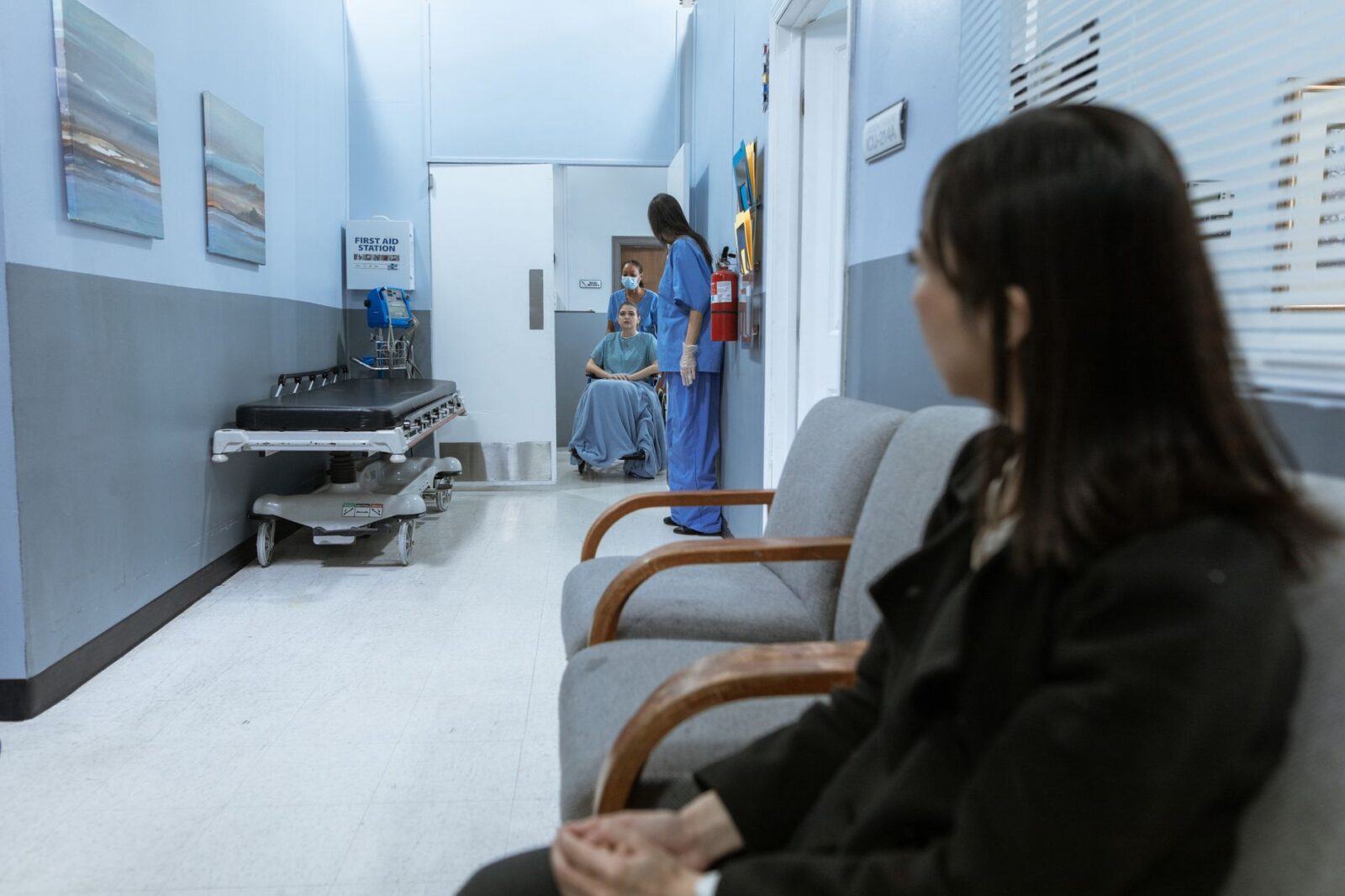
Inside a Modern Hospital: Departments, Technology, and Architecture
Core clinical departments include emergency medicine, surgery, internal medicine, cardiology, neurology, oncology, and obstetrics and gynecology. Each department is staffed by physicians, surgeons, nurses, and allied health professionals who work together to diagnose and treat patients.
Essential support units such as the pharmacy, pathology laboratory, radiology department, blood bank, and sterilization services keep the hospital running smoothly. Outpatient clinics, rehabilitation centers, and chronic care units extend care beyond the inpatient setting.
Architectural trends now emphasize natural light, private patient rooms, and efficient infection‑control layouts. The University of Virginia Medical Center showcases a contemporary design that integrates healing environments with state‑of‑the‑art technology. In conflict‑affected areas, projects like the Japanese‑funded Douma National Hospital reconstruction demonstrate how updated facilities can restore vital health services after destruction.
Teaching Hospitals and Medical Education: Training the Next Generation
Teaching hospitals serve a dual purpose: they provide patient care while educating medical students, nursing students, pharmacy trainees, and resident physicians. Learners work under the supervision of experienced staff, gaining hands‑on experience in real‑time clinical settings.
This model benefits both learners and patients. Residents bring fresh knowledge from recent studies, and the presence of trainees often increases the availability of staff for monitoring and bedside care. Studies have shown that teaching hospitals can adopt new protocols faster than non‑teaching facilities.
Prominent examples exist on every continent. In the United States, the Mayo Clinic and Cleveland Clinic function as major teaching hospitals. In Asia, institutions affiliated with the National University of Singapore and Peking University combine clinical service with research and education. Many European university hospitals follow a similar pattern, linking patient care with academic medical schools.

Specialized and Government Hospitals: When Focused Care Matters
Specialized hospitals concentrate resources on a particular patient group or medical condition. Trauma centers are equipped for severe injuries, rehabilitation hospitals focus on recovery after stroke or surgery, children’s hospitals cater exclusively to pediatric patients, geriatric hospitals serve older adults, and psychiatric hospitals provide mental health treatment.
Government‑run hospitals often act as safety nets, offering care regardless of a patient’s ability to pay. They may be funded through national health systems, regional authorities, or local municipalities. In many low‑ and middle‑income countries, government hospitals constitute the primary source of inpatient care for the population.
From a cost perspective, specialized facilities can reduce unnecessary expenditures by avoiding services that fall outside their focus. However, patients with complex, multi‑system conditions may need to be transferred to a general hospital for comprehensive treatment, which can add logistical steps and potential delays.
Recent Global Hospital News: Case Studies from Singapore and Syria
On August 1, 2026, Woodlands Hospital in Singapore reported that a 59‑year‑old woman died following heart surgery. The hospital later told the family that she had been diagnosed as brain dead and advised withdrawing life support, according to statements released by the relatives.
On August 3, 2026, the Douma National Hospital in Syria reopened after a rehabilitation program financed by Japanese aid. The effort repaired war‑damaged infrastructure, restored electricity and water supplies, and installed updated medical equipment to resume essential services such as emergency care, surgery, and maternity.
These two incidents illustrate opposite ends of the hospital spectrum. One highlights the challenges of maintaining high standards in a wealthy, technologically advanced setting. The other shows how international cooperation can rebuild health capacity in a region recovering from conflict.
Practical Guide: How to Choose, Access, and Navigate Hospital Care
Start by verifying that the hospital offers the specific service you need. Check its accreditation status, look for specialty certifications (for example, a stroke center or a cancer institute), and read recent patient‑experience scores if available.
Cost awareness is essential. In the United States, an average emergency room visit exceeds $1,200 USD, while a typical inpatient stay for pneumonia ranges from $10,000 to $15,000 USD. In many Asian countries, comparable procedures may cost 40‑60 % less, but you must confirm whether your travel or private insurance will cover those expenses abroad.
If you are traveling, research entry requirements related to health coverage. Several Gulf Cooperation Council states, including the United Arab Emirates and Qatar, mandate that visitors hold travel insurance with a minimum of $100,000 USD in medical benefits. Some countries also require proof of vaccination or a negative test for certain diseases before granting a medical visa.
Prepare a concise health summary before you arrive. List all current medications, allergies, chronic conditions, and recent test results. Having this information ready can speed up triage, reduce the risk of medication errors, and help physicians make informed decisions quickly.
Upon admission, ask to speak with a patient advocate or liaison officer. This person can explain procedures, clarify billing questions, assist with scheduling follow‑up appointments, and help coordinate any needed transfers to rehabilitation or specialty facilities.
Frequently Asked Questions
- What is the difference between a general hospital and a specialty hospital? A general hospital provides a wide range of medical services, including emergency care, surgery, and internal medicine, serving the broad community. A specialty hospital focuses on a specific area such as trauma, rehabilitation, pediatrics, geriatrics, psychiatry, or a particular disease like cancer or cardiac conditions, often delivering more targeted expertise and potentially lower costs for those specific services.
- How can I estimate the cost of a hospital stay before I go? Start by checking the hospital’s website or contacting its billing department for average charges for the procedure you need. In the United States, tools like the Healthcare Bluebook or Medicare’s Hospital Compare provide price estimates. For international travel, consult your insurer for coverage limits and ask the foreign hospital for a pro forma invoice.
- Do I need a special visa to receive medical treatment in another country? Many nations offer a medical visa or allow treatment on a tourist visa for short‑term stays, but you must often show proof of sufficient funds or insurance that covers hospitalization. Countries such as Thailand, India, and Mexico have well‑established medical‑tourism visas that require a letter from the treating hospital and proof of payment or insurance.
- Are teaching hospitals safer or better than non‑teaching hospitals? Teaching hospitals often adopt new clinical guidelines quickly and may have higher staffing levels due to resident physicians. However, outcomes depend on many factors, including the specific condition, hospital volume, and individual physician skill. Both types can deliver excellent care; it is wise to look at condition‑specific success rates and patient‑experience scores.
- What should I do if I disagree with a hospital’s diagnosis or treatment plan? You have the right to seek a second opinion from another qualified physician. Request copies of your medical records, including test results and imaging, and consider consulting a specialist at a different institution. Most hospitals have a patient‑rights office that can guide you through the process of obtaining a second opinion or filing a formal complaint if needed.
Stay informed with the latest travel news, visa updates, and destination guides. Follow HimalayanCrest.com for weekly travel intelligence delivered by our editorial team.