

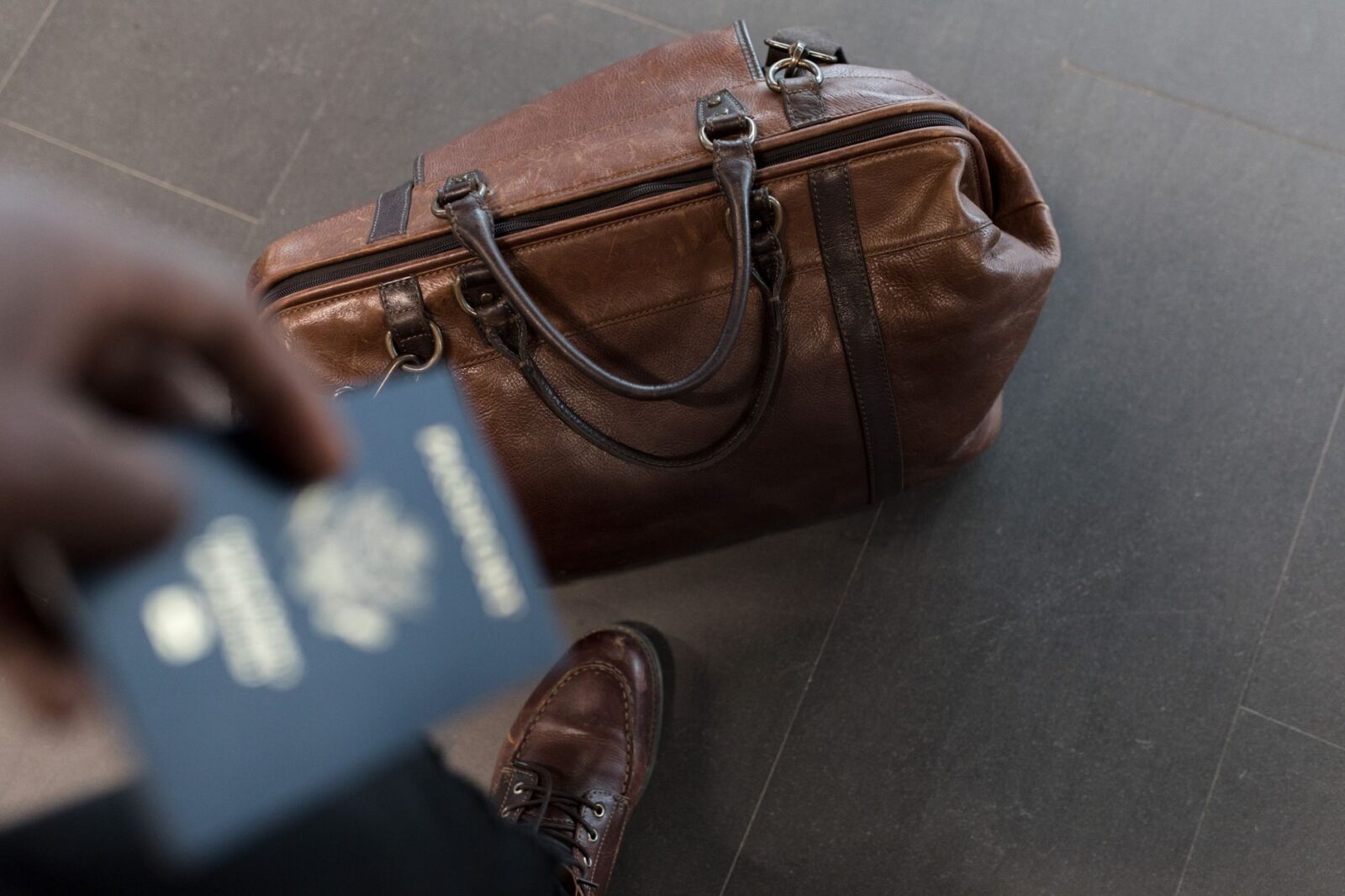
Why Passport Power Matters More Than Ever in 2026
In an era where global mobility shapes career opportunities, lifestyle choices, and investment strategies, the strength of a passport has become a tangible asset. The ability to cross borders without lengthy visa applications saves time, reduces costs, and opens doors to spontaneous travel, business expansion, and long‑term residency options. For digital nomads, retirees seeking affordable havens, and investors eyeing residency‑by‑programme schemes, a high‑ranking passport can be the difference between a seamless move and a bureaucratic ordeal.
Our research shows that passport power is not merely a prestige metric; it reflects the depth of diplomatic trust between nations. When a country grants visa‑free access to another, it signals confidence in that nation’s security standards, economic stability, and immigration controls. Consequently, shifts in passport rankings often mirror broader geopolitical trends, such as new trade agreements, security concerns, or changes in citizenship‑by‑investment programmes.
As of August 2026, the latest data from the Henley Passport Index reveals that the world’s most powerful passports now allow holders to enter over 190 destinations without a prior visa. This level of access represents a historic high, driven by reciprocal visa waivers and the expansion of electronic travel authorisations. Understanding these shifts helps travelers anticipate where they can go today and where they might need to plan ahead.
The 2026 Ranking Shake‑Up: Key Changes
The most notable development in the 2026 passport power landscape is the reshuffling caused by the European Union and the United Kingdom revising their visa‑exempt lists. In early July 2026, both the EU and the UK removed Vanuatu from their visa‑free programmes, citing concerns over the transparency of its investor citizenship scheme. This single decision knocked Vanuatu down 14 places in the global ranking, a stark reminder that passport strength can fluctuate quickly when security perceptions change.
At the same time, several Asian and European nations experienced modest gains. Japan and Singapore retained their top positions, each offering visa‑free or visa‑on‑arrival entry to 192 countries. South Korea climbed two spots after signing new mutual visa waiver agreements with Brazil and Thailand, increasing its accessible destinations to 189. In Europe, Malta’s passport improved by three places following the expansion of its Schengen‑associated travel privileges, now granting access to 188 countries.
These movements illustrate that passport rankings are fluid. While the top tier remains relatively stable, the middle and lower tiers can shift noticeably within a year due to policy adjustments, diplomatic negotiations, or changes in investment migration programmes.
Winners and Losers: Visa‑Free Gains and Losses
Winners: Nations that actively pursued diplomatic outreach or enhanced the credibility of their citizenship‑by‑investment programmes saw the biggest upside. The United Arab Emirates, for example, added four new visa‑free destinations after concluding agreements with Kenya, Peru, the Philippines, and Vietnam, pushing its total to 179. Portugal’s passport benefited from a new reciprocal arrangement with Colombia, lifting its score to 186.
Losers: Beyond Vanuatu, a few Caribbean states experienced setbacks. Saint Kitts and Nevis lost visa‑free access to the United Kingdom after the UK tightened scrutiny of its citizenship‑by‑investment programme, resulting in a drop of six places. Similarly, Antigua and Barbuda saw a reduction of three places when Canada suspended its electronic travel authorisation for holders of certain investment passports pending further review.
According to the Passport Index, the average global mobility score rose by 1.2 points in 2026, reflecting an overall trend toward easier short‑term travel for many nationalities.
These shifts affect not only tourists but also individuals who rely on passport strength for long‑term planning. Investors who selected a citizenship programme primarily for travel convenience must now reassess whether the chosen jurisdiction still meets their mobility expectations.
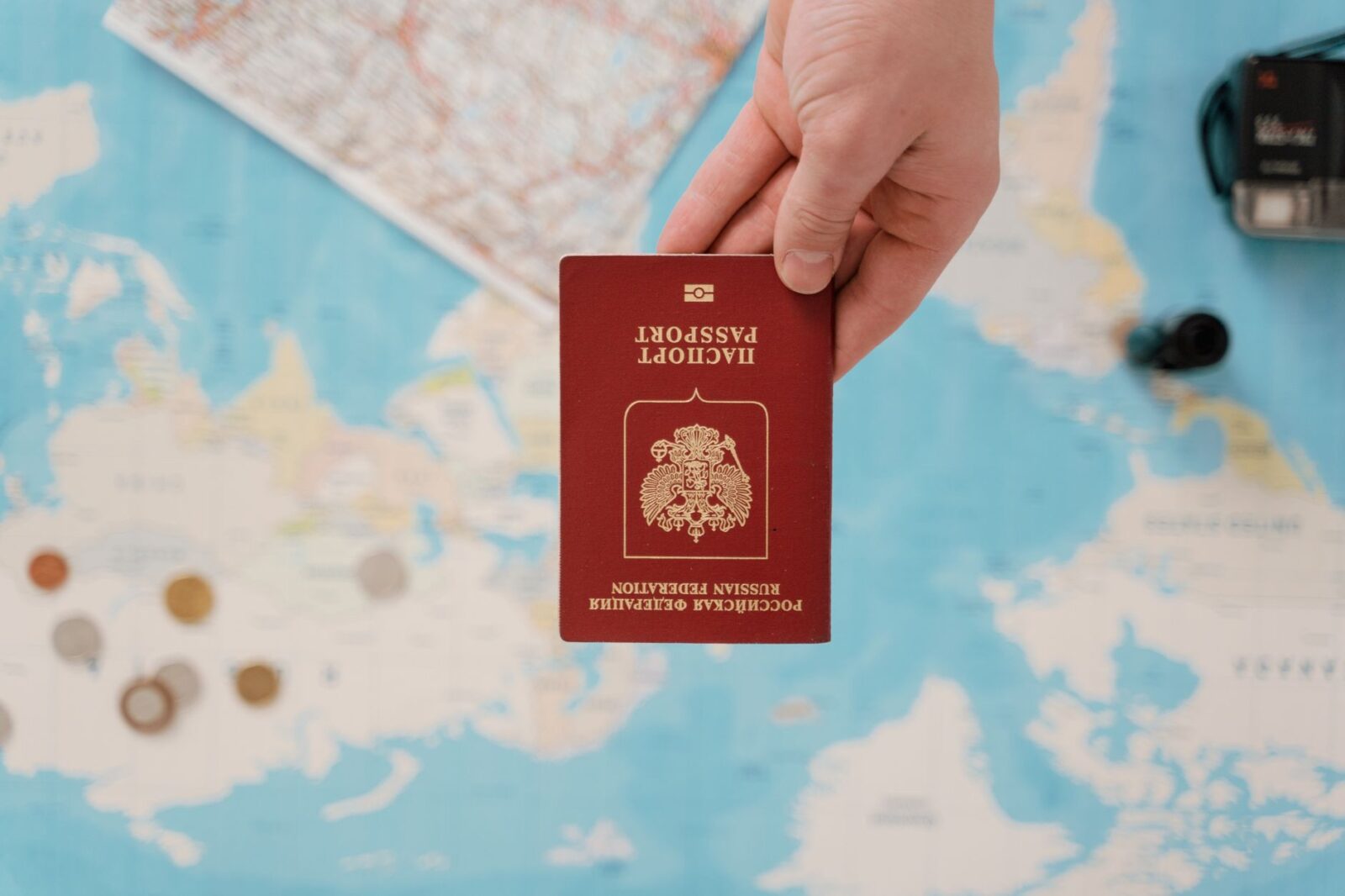
Impact on Travelers: Digital Nomads, Investors, Retirees, and Citizenship‑Seekers
Digital nomads, whose livelihood depends on the ability to move quickly between coworking hubs, feel the impact of ranking changes most acutely. A passport that loses visa‑free entry to a popular destination like Thailand or Mexico may require the nomad to allocate time and budget for visa applications, disrupting the fluid work‑travel cycle. Conversely, gains in visa‑free access to emerging tech hubs such as Estonia or Georgia can open new possibilities for longer stays without the need for a residence permit.
Investors participating in residency‑by‑investment or citizenship‑by‑investment schemes evaluate passport power as a key return metric. When a programme’s passport loses significant visa‑free coverage, the perceived value of the investment diminishes. For instance, after the EU/UK decision on Vanuatu, several investment advisors reported a 15 % decline in inquiries about Vanuatu’s citizenship option, as clients redirected interest toward alternatives like Malta or Portugal, which retained strong Schengen access.
Retirees seeking affordable climates often prioritize visa‑free entry to their chosen haven. A loss of access to a favored retirement spot—such as the UK’s removal of Vanuatu—means retirees may need to apply for a long‑term visitor visa, which can involve proof of income, health insurance, and longer processing times. Those holding passports from countries that gained visa‑free entry to places like Panama or Costa Rica now enjoy simpler seasonal moves.
Finally, individuals pursuing citizenship through naturalisation or marriage watch passport rankings as an indicator of future travel ease. A rising passport ranking can be an added incentive to pursue citizenship in a country whose diplomatic network is expanding, while a declining ranking may prompt applicants to weigh other benefits such as tax regimes or quality of life.
What to Do Now: Practical Steps for Affected Passport Holders
While some nations tightened visa‑exempt rules in response to perceived risks, others used the moment to liberalise access. The United States, for example, expanded its Visa Waiver Programme in late 2025 to include Uruguay and Seychelles, increasing the number of visa‑waiver countries to 42. This move was framed as a reciprocal gesture following visa‑free agreements those countries granted to U.S. passport holders.
In the Middle East, Saudi Arabia introduced a new tourist eVisa system in early 2026 that now accepts passports from 49 additional countries, including several African nations that previously required a visa on arrival. The Saudi Ministry of Hajj and Umrah’s website (visa.visitsaudi.com) provides a full list of eligible nationalities and the application process.
Meanwhile, several Latin American countries have begun piloting regional travel cards that allow passport holders from participating states to move freely within a bloc for tourism purposes. The Pacific Alliance, comprising Chile, Colombia, Mexico, and Peru, launched a digital travel credential in mid‑2026 that simplifies border checks for short‑term stays, effectively boosting the mobility score of member passports without altering individual visa policies.
These contrasting approaches illustrate that passport power is shaped by both security considerations and economic incentives. Nations seeking to attract tourism, investment, or skilled labour often relax entry requirements, while those wary of illicit financial flows or irregular migration may tighten them. Keeping an eye on both bilateral agreements and multilateral initiatives helps travelers anticipate where the next shifts might occur.
FAQ: Quick Answers to Common Passport Power Questions
How often do passport rankings change? Rankings are updated monthly by the Henley Passport Index and in real time by the Passport Index. Major shifts usually occur when countries sign or revise visa waiver agreements, which can happen several times a year. Smaller adjustments, such as the addition of a single visa‑free destination, are reflected in the next update cycle.
Can I rely on my passport’s visa‑free status for long‑term stays? Visa‑free access typically permits short‑term visits ranging from 30 to 90 days, depending on the destination. For stays beyond that period, most countries require a visa, residence permit, or special authorisation. Always check the maximum allowed duration on the official immigration site of the country you plan to visit.
What should I do if my citizenship‑by‑investment programme’s passport loses visa‑free access? First, assess whether the loss affects your primary travel needs. If the impacted destinations are essential for your business or lifestyle, consider contacting the programme’s authorised agent to discuss alternative options or secondary citizenship possibilities. Some programmes allow holders to maintain multiple passports, providing a fallback.
Are electronic travel authorisations (ETAs) as convenient as visa‑free entry? ETAs are usually obtained online within minutes and involve a modest fee, making them far simpler than traditional visa applications. However, they still require pre‑approval and are not universally accepted for all purposes (e.g., some countries distinguish between tourism and work ETAs). Treat an ETA as a necessary step, not a guarantee of unrestricted entry.
Where can I verify the latest visa requirements for my passport? The most reliable sources are the official government immigration or foreign affairs websites of the destination country. For quick checks, the IATA Travel Centre (www.iatatravelcentre.com) consolidates visa information based on passport nationality. Additionally, the U.S. Department of State’s country‑specific pages (travel.state.gov) and the UK Foreign, Commonwealth & Development Office’s travel advice (gov.uk/foreign-travel-advice) provide up‑to‑date entry guidance.
Stay informed with the latest travel news, visa updates, and destination guides. Follow HimalayanCrest.com for weekly travel intelligence delivered by our editorial team.