

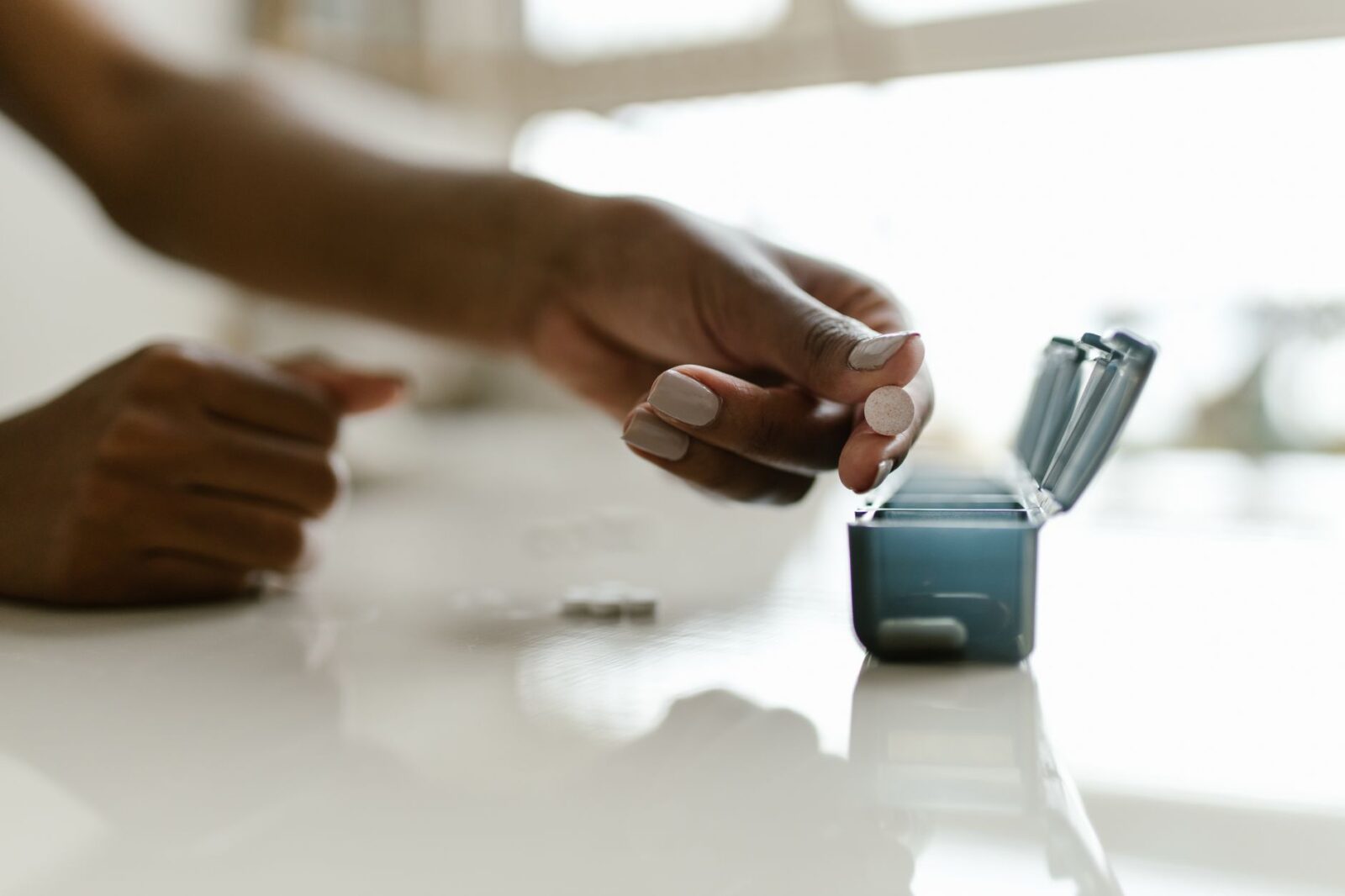
The Hidden Challenge of Staying Medicined While Traveling
Travel disrupts daily routines in ways that many globetrotters underestimate. Missing a dose of medication can turn a dream vacation into a stressful ordeal, especially for those managing chronic conditions or severe allergies. Researchers note that up to 30 percent of travelers report difficulties adhering to their prescribed schedules while abroad. This gap between intention and execution has sparked a growing interest in simple, reliable tools that keep health regimens on track.
Beyond forgetfulness, the physical act of carrying medication presents its own set of hurdles. Bulky pill bottles consume precious carry‑on space and can spill loose tablets during transit. Many travelers resort to makeshift solutions like zip‑top bags, which offer little protection against moisture or crushing. These ad‑hoc methods often lead to missed doses, damaged medication, or unnecessary anxiety at security checkpoints.
The consequences of inadequate medication management extend beyond personal discomfort. In remote destinations, locating a pharmacy that stocks a specific prescription can be difficult or impossible. Having a secure, organized supply on hand reduces the risk of emergency medical situations and allows travelers to focus on enjoying their journey rather than worrying about their health.
Introducing the $6 Holii Pill Case: Features That Matter
Our research shows that the Holii travel pill case has become a favorite among budget‑conscious travelers for its blend of affordability and functionality. Priced at just six US dollars on major online retailers, the case offers eight distinct compartments designed for varied medication sizes. Six smaller chambers hold daily tablets or capsules, while two larger sections accommodate bulkier items such as pain relievers or antacids.
The case’s dimensions are deliberately compact, measuring smaller than a standard smartphone. This size allows it to slip easily into a Dopp kit, toiletry bag, or even a jacket pocket without adding noticeable bulk. Despite its modest footprint, each compartment is deep enough to hold a full week’s supply of most common medications, eliminating the need for frequent refills on short trips.
Durability is another key selling point highlighted by long‑term users. The sturdy plastic shell resists cracking under pressure, and the snap‑tight lid stays closed even when the case is jostled in a backpack or suitcase. Many travelers report using the same unit for multiple years and dozens of trips without experiencing a broken hinge or lost lid, underscoring its value as a low‑cost, long‑lasting travel companion.
Why Travelers Are Embracing Compact Health Organizers
Recent trends on visual platforms indicate a rising interest in stylish yet practical health accessories for the road. Pinterest boards dedicated to “morning routines” frequently feature compact pill boxes as essential items for maintaining wellness while traveling. This shift reflects a broader movement toward integrating self‑care into travel planning, rather than treating it as an afterthought.
Travel health experts note that the COVID‑19 pandemic heightened awareness of personal health preparedness, prompting many to reconsider what they pack. Surveys conducted in 2025 showed that over 60 percent of international travelers now consider medication organization a top priority when selecting packing gear. The appeal lies in the peace of mind that comes from knowing exactly where each dose is stored.
Cultural factors also play a role in the adoption of these organizers. In regions where traditional medicine coexists with Western pharmaceuticals, travelers often need to carry both types of remedies. A modular case with varied compartment sizes accommodates this diversity, making it a versatile solution for journeys that span multiple healthcare systems.
Packing Efficiency: How Small Cases Save Space and Stress
Efficient packing is a skill that separates seasoned travelers from novices, and every millimeter counts when fitting gear into a carry‑on. The Holii case’s slim profile means it occupies roughly the same volume as a pair of sunglasses, freeing up room for other essentials like chargers, snacks, or a change of clothes. This efficiency becomes especially valuable on budget airlines where strict weight and size limits are enforced.
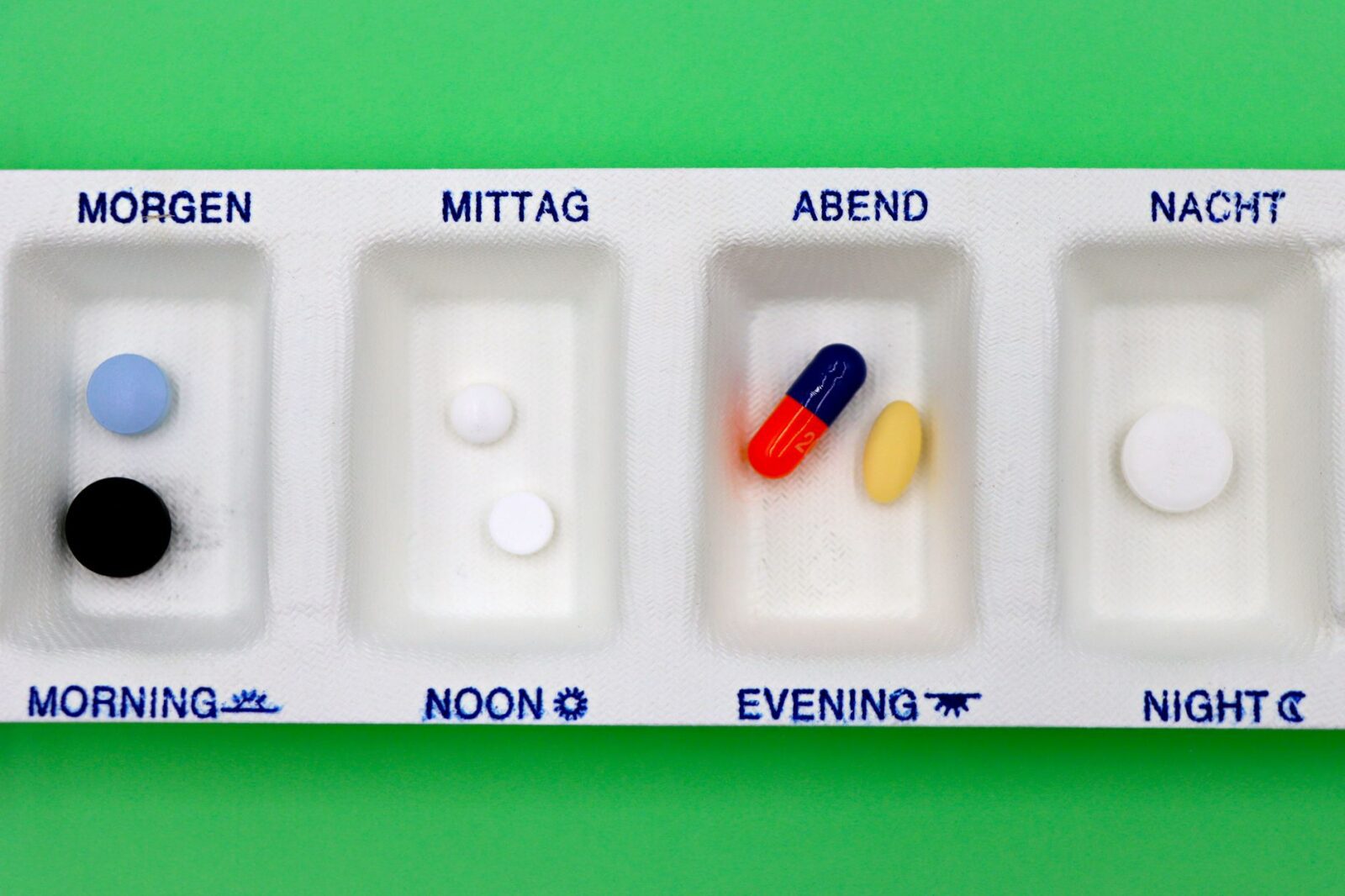
Beyond spatial savings, the organizational layout reduces the time spent searching for medication during transit. Instead of rummaging through a toiletry bag to locate a specific bottle, travelers can open the case and instantly see which compartment holds their morning allergy pill versus their evening supplement. This clarity minimizes the risk of taking the wrong dose or missing a dose altogether.
Security checkpoints also benefit from a transparent, orderly presentation of medication. When pills are visibly separated and labeled, officers can verify contents quickly, reducing the likelihood of delays or additional screening. Many travelers report smoother experiences at customs when their medication is housed in a dedicated, easy‑to‑inspect case rather than scattered in loose bags.
Cost Breakdown: Budget‑Friendly vs. Premium Options
At six dollars, the Holii case sits at the lower end of the travel accessory market, yet it competes favorably with products that cost twice or three times as much. Premium organizers often add features such as built‑in timers, Bluetooth reminders, or antimicrobial linings, but these extras come with a steep price increase that may not justify the marginal benefit for short‑term trips.
A quick comparison of popular brands reveals that a seven‑day pill organizer with similar compartmentalization averages between fifteen and twenty‑five US dollars. High‑end models that incorporate digital alerts or travel‑specific durability certifications can exceed forty dollars. For travelers who prioritize simplicity and reliability, the budget option delivers sufficient performance without unnecessary frills.
Nevertheless, frequent flyers who cross multiple time zones or manage complex medication regimens might find value in investing in a higher‑priced case with integrated alarm functions. Those individuals should weigh the potential reduction in missed doses against the added expense. For the majority of vacationers, business travelers, and backpackers, the six‑dollar case offers a compelling return on investment.
Health and Safety Best Practices for Medication on the Move
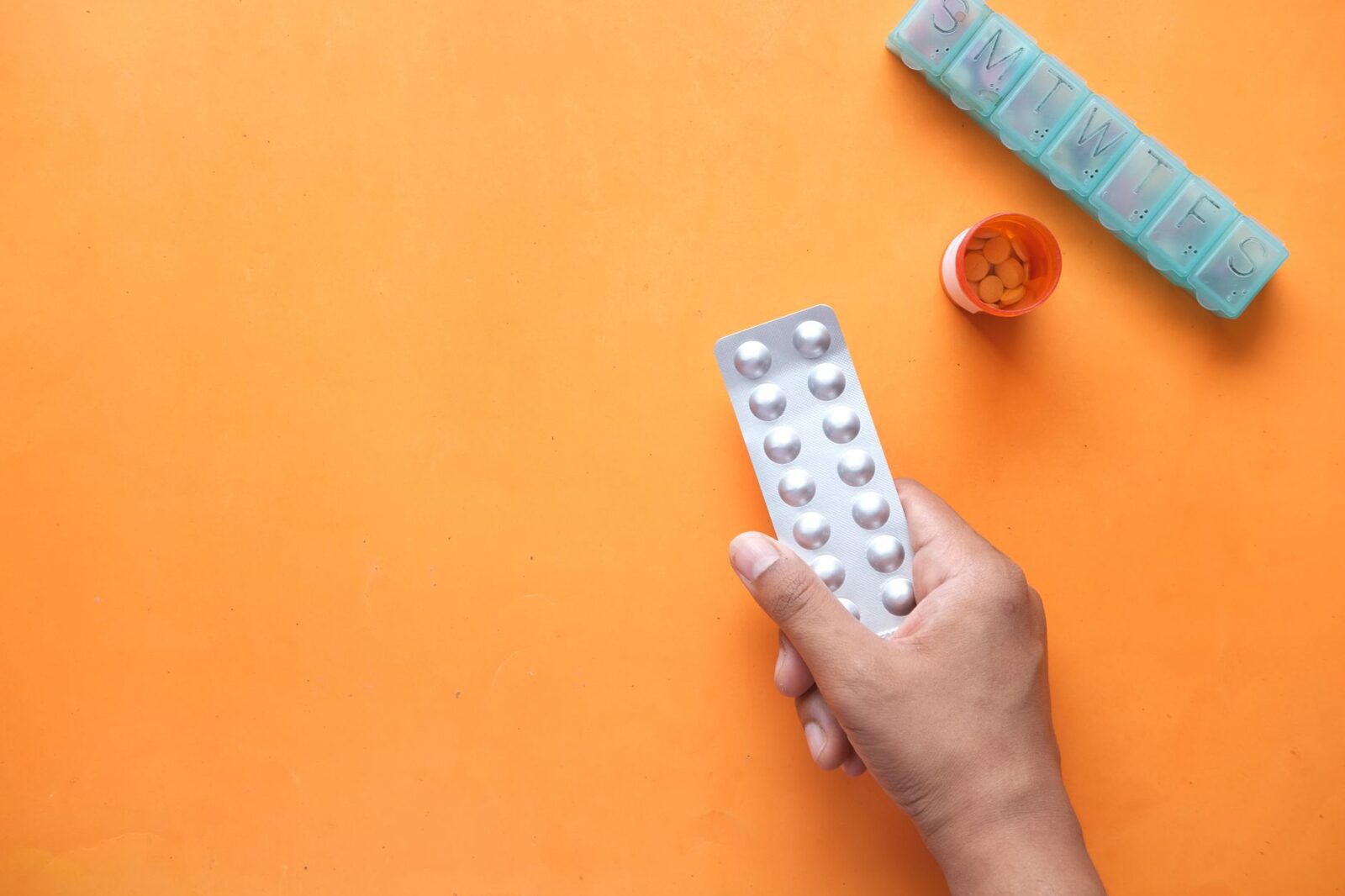
Even the best pill case cannot replace thoughtful preparation when it comes to traveling with medication. Experts recommend carrying a copy of the prescription and a letter from a healthcare provider, especially for controlled substances or injectable medicines. This documentation can prevent misunderstandings at border crossings and facilitate emergency care if needed.
Temperature sensitivity is another consideration that travelers often overlook. Certain medications, such as insulin or some biologics, require refrigeration and should be stored in a insulated pouch with a gel pack. The Holii case is suitable for room‑temperature stable pills but should not be relied upon for items that demand strict climate control.
Finally, keeping a small supply of over‑the‑counter remedies for common travel ailments—such as motion sickness tablets, antihistamines, or electrolyte powders—can enhance overall comfort. Storing these backup items in the larger compartments of the case ensures they are readily accessible without cluttering the primary medication sections. A well‑stocked, organized kit supports both planned regimens and unexpected health needs.
What’s Next: Innovations in Travel Wellness Gear
The success of low‑cost, high‑utility organizers like the Holii case signals a broader trend toward democratizing travel health accessories. Manufacturers are experimenting with eco‑friendly materials, such as recycled plastics and biodegradable composites, to appeal to environmentally conscious consumers. Early prototypes showcased at trade shows in mid‑2026 have received positive feedback for maintaining durability while reducing environmental impact.
Smart technology is also beginning to appear in the niche, though adoption remains gradual. Concepts under development include pill cases with Bluetooth connectivity that sync to smartphone apps, sending reminders when it is time to take a dose. While these features add convenience, they also raise concerns about battery life and data privacy, prompting designers to explore offline alternatives such as simple visual indicators.
Looking ahead, the integration of modular systems may allow travelers to customize their cases based on trip length and medication variety. Imagine a base unit that can snap on additional compartments for extended vacations or detach sections for lightweight day trips. Such adaptability would cater to the diverse needs of modern globetrotters, from weekend warriors to long‑term expatriates.
FAQ: Quick Answers About Travel Pill Cases
What size of pill case is best for a weeklong trip? A case with at least seven compartments, each capable of holding a full day’s dosage, is ideal. The Holii model offers eight sections, providing flexibility for extra vitamins or as‑needed medication.
Can I bring liquid medication in a pill case? Pill cases are designed for solid tablets and capsules. Liquids should remain in their original, labeled containers and comply with the TSA’s 3‑4‑1 rule for carry‑on bags.
How do I keep my medication safe from extreme temperatures? For temperature‑sensitive drugs, use an insulated travel pouch with a reusable gel pack. Leave the pill case for room‑temperature stable items and store the pouch in the same carry‑on for easy access.
Are there any restrictions on carrying medication through international customs? Most countries allow travelers to bring a personal supply of medication, but you should carry a prescription or doctor’s note, especially for narcotics or controlled substances. Check the specific regulations of your destination before departure.
Is it worth spending more on a premium pill case? If you need advanced features like automatic reminders, temperature monitoring, or ultra‑rugged construction for adventure travel, a higher‑priced model may be justified. For typical vacations and business trips, a reliable budget case like the six‑dollar Holii provides ample functionality at a fraction of the cost.
Stay informed with the latest travel news, visa updates, and destination guides. Follow HimalayanCrest.com for weekly travel intelligence delivered by our editorial team.