

UK Pubs and Clubs Receive Tax Cuts While Hotels Watch from the Sidelines
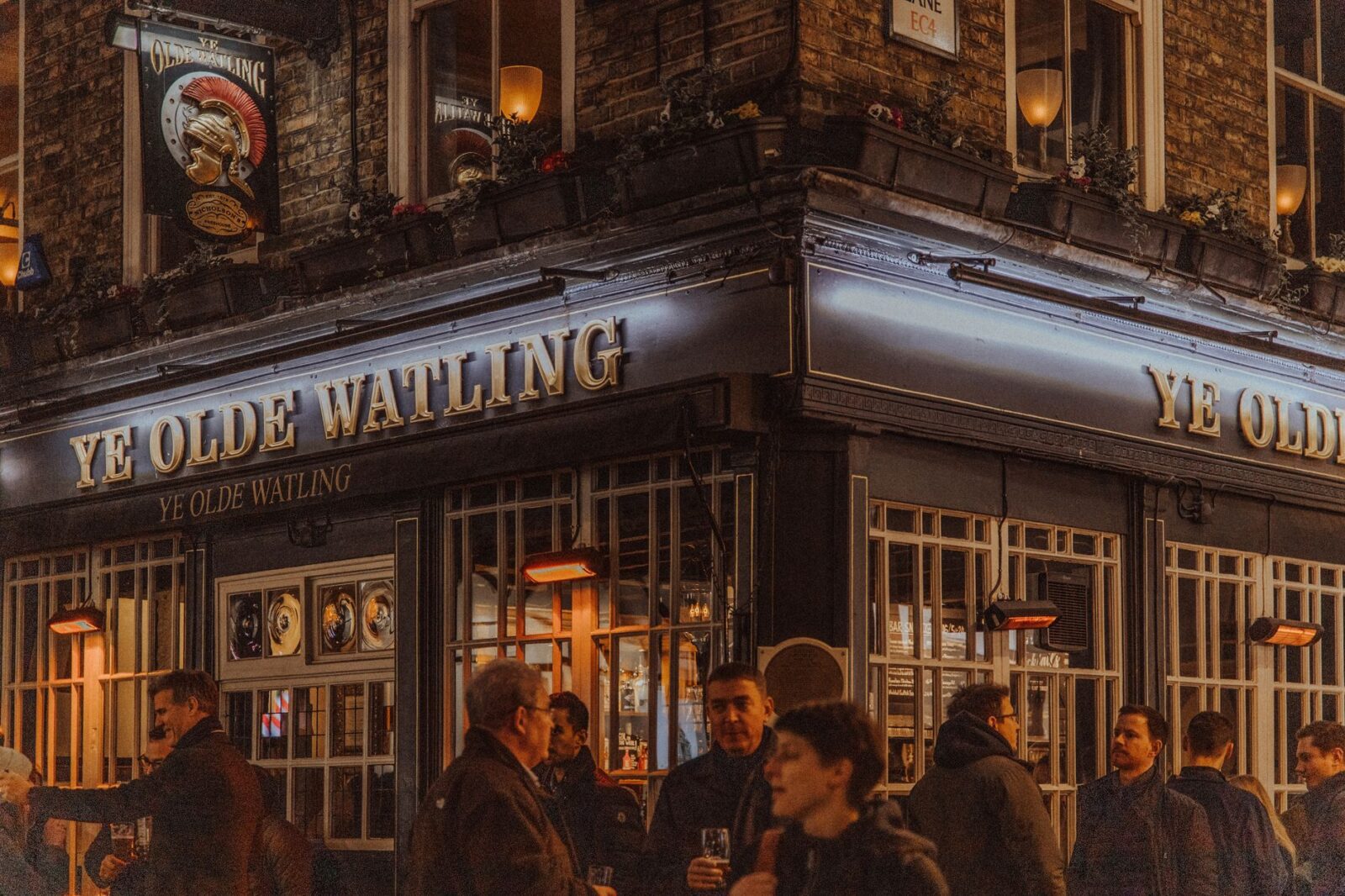
In late July 2026, just three days after Andy Burnham assumed office as the United Kingdom’s prime minister, his government announced a new package of business‑rates relief. The measure cut taxes by 20 % for pubs, clubs and live music venues in England, building on an earlier 15 % discount introduced earlier in the year. Hotels were not included in either round of relief, a decision that has drawn sharp criticism from major hotel operators and industry groups. The exclusion comes despite hotels facing the same pressures of rising labour, energy and financing costs that affect other hospitality businesses.
The announcement was made during a press briefing where Burnham highlighted the cultural value of pubs and music venues, describing them as ‘the heart of British community life.’ Representatives from the hotel sector were not invited to the event, and their absence was noted by several trade analysts. Within hours, statements from Whitbread, Hilton and Marriott began circulating, expressing disappointment and warning that the omission could worsen the competitive disadvantage hotels already experience.
For travelers, the news signals a potential shift in the cost structure of staying in the UK. While pubs may see lower operating expenses and possibly cheaper drinks or live‑music nights, hotels may be forced to raise room rates to cover their unchanged tax burden. Understanding the mechanics behind the decision helps visitors anticipate how their accommodation budgets might change in the coming months.
How the Business Rates System Works and Why It Hurts Hotels
Business rates in the UK are a tax on non‑domestic properties calculated from a property’s ‘rateable value,’ which is meant to reflect the annual rent the property could command. For most commercial real estate, this value is based on physical characteristics such as size, location and construction. Hotels, however, are assessed differently: their rateable value is tied to the expected revenue the property could generate if fully occupied. This means a hotel that enjoys a strong booking year sees its rateable value rise, leading to a higher tax bill even as the operator grapples with increased costs.
Joe Stather, head of EMEA hotels and hospitality research at JLL, explained that ‘unlike most commercial real estate, stronger trading performance can result in higher business rate liabilities, even when operators are facing rising labour, energy and financing costs.’ The system creates a perverse incentive where success is penalized through higher taxes. Pubs, clubs and music venues, by contrast, are taxed on a more conventional basis that does not automatically increase with better trading performance.
The government’s recent relief cuts the percentage applied to the rateable value for eligible venues, directly lowering their tax bills. Because hotels were excluded, they continue to pay the full rate based on their revenue‑linked assessment. Industry analysts estimate that the omitted relief could add roughly 5 % to 8 % to a hotel’s operating costs, depending on location and occupancy levels.
For travelers, this tax structure means that hotel prices may be more sensitive to fluctuations in demand. A busy summer season could lead to higher taxes, which operators may pass on to guests in the form of higher room rates. Conversely, during quieter periods, the tax burden remains relatively fixed, potentially squeezing profit margins further.
Reactions from Industry Leaders: Whitbread, Hilton, and the UK Hospitality Body
Dominic Paul, chief executive of Premier Inn’s parent company Whitbread, was quick to respond. In a statement released the same day as the announcement, he said, ‘Today’s news is not going to move the needle for most businesses.’ His comment reflected the view that the relief package, while welcome for pubs and clubs, does little to address the structural challenges facing hotels.
Representatives from Hilton and Marriott echoed similar concerns, noting that their properties already contend with high energy prices, wage inflation and the lingering effects of post‑pandemic travel patterns. They argued that excluding hotels from the relief undermines efforts to encourage investment in the UK’s accommodation sector, particularly as international travel continues to rebound.
Kate Nicholls, chair of the UKHospitality trade body, welcomed the government’s recognition of the difficulties faced by pubs and music venues but pointed out that restaurants and hotels were left out. She called for a more inclusive approach that considers the entire hospitality ecosystem, warning that a fragmented relief strategy could distort competition and discourage investment in sectors that are vital to the UK’s tourism appeal.
These responses highlight a growing frustration among hotel operators who feel that fiscal policy is overlooking a major component of the visitor economy. Their calls for reform are gaining traction in parliamentary committees, where members are beginning to examine whether the current business‑rates methodology is fit for purpose.

The Bigger Picture: Global Travel Trends and Rising Operating Costs
The UK’s decision arrives amid a broader trend of governments worldwide reassessing how they tax hospitality businesses. In many European countries, municipalities have experimented with tourism levies or visitor taxes aimed at funding infrastructure while easing the burden on hotels. The UK, however, has chosen to target specific subsectors with direct rate cuts, leaving hotels to navigate a more complex fiscal environment.
Globally, hotel operating costs have been climbing steadily. According to industry data from STR, the average energy expense for upscale hotels in Western Europe rose by 12 % in 2025, while wages increased by nearly 9 % due to labour shortages. Financing costs have also crept upward as central banks maintain higher interest rates to combat inflation. These pressures are felt across the sector, yet the tax system in the UK does not automatically adjust to reflect them for hotels.
For travelers, these macro‑economic forces translate into higher prices for accommodation, dining and experiences. A night in a mid‑range London hotel that averaged £150 in 2023 now commands closer to £180‑£190 in 2026, a rise driven partly by non‑tax factors. The lack of business‑rates relief means that any further cost increases are less likely to be offset by tax savings, potentially pushing prices even higher.
Industry observers warn that if hotels continue to face a disproportionate tax burden, some operators may delay refurbishments or delay new builds, ultimately affecting the quality and availability of rooms for visitors. This could lead to a tighter supply market, especially in popular destinations such as Edinburgh, Bath and the Lake District, where demand already outstrips supply during peak seasons.
What This Means for Travelers: Expected Price Shifts and Budget Tips
The most immediate impact for visitors is likely to be seen in hotel room rates. Analysts forecast that, without relief, hotels may need to increase average daily rates by roughly 4 % to 6 % to maintain profit margins, assuming occupancy stays at current levels. In high‑demand cities like London and Manchester, the uplift could be larger, reaching 8 % to 10 % during peak periods.
Travelers planning trips to the UK in the latter half of 2026 or early 2027 should consider adjusting their accommodation budgets accordingly. Those who rely on budget chains such as Premier Inn or Travelodge may see modest price increases, while luxury brands could pass on a larger share of the tax burden due to their higher rateable values.
To mitigate rising costs, visitors can explore alternative lodging options that are not subject to the same revenue‑linked assessment. Many historic inns, bed‑and‑breakfasts and guesthouses are classified differently for business rates and may offer more stable pricing. Additionally, staying in accommodations located just outside city centres—where rateable values tend to be lower—can yield savings of 10 % to 15 % compared with central‑city hotels.
Another practical tip is to book flexible rates that allow for changes if prices shift after reservation. Many online travel agencies now offer ‘price‑drop protection’ or free cancellation up to a few days before check‑in, giving travelers the chance to re‑book if a better deal appears. Finally, combining hotel stays with nights in pubs that offer rooms—some traditional establishments have begun renting out upstairs rooms—can provide a unique experience while potentially reducing overall accommodation expenses.
Possible Policy Moves: London Visitor Levy and Future Relief Packages
The debate over hotel taxation is unlikely to end with the current exclusion. In London, officials have been discussing a visitor levy that would charge tourists a small fee per night, with the revenue earmarked for transport improvements and environmental initiatives. Such a levy could complement or even replace the business‑rates system for hotels, providing a more transparent way to capture tourism‑related income.
Industry groups have proposed that any visitor levy be paired with a reduction or reform of the business‑rates assessment for hotels, shifting the tax base from expected revenue to a flat or property‑size‑based model. This would remove the penalty for strong performance and create a more predictable cost environment. The UKHospitality body has submitted a white paper outlining these ideas to the Treasury, arguing that a fairer system would encourage investment and improve the visitor experience.
Meanwhile, the government has signaled that further rounds of business‑rates relief may be considered later in 2026, particularly if inflation remains high. Hotel operators are lobbying to be included in any future package, emphasizing that the sector employs over 1.3 million people across the UK and contributes roughly £120 billion annually to the economy. Whether these appeals succeed will depend on the political calculus surrounding public finances and the perceived priority of different hospitality subsectors.
For travelers, keeping an eye on policy announcements from the Department for Levelling Up, Housing and Communities and the Treasury can provide early warning of changes that might affect accommodation costs. Subscribing to industry newsletters or following reputable travel news outlets ensures that visitors receive timely information before finalizing their travel plans.
Practical Advice: Where to Stay and How to Save on Your Next UK Trip
Given the current tax landscape, savvy travelers can adopt several strategies to optimize their accommodation spend. First, consider mixing hotel stays with nights in locally owned guesthouses or boutique B&Bs. These properties often qualify for lower rateable values because they are assessed more like residential buildings, resulting in more stable pricing.
Second, look for accommodations that offer inclusive packages—such as breakfast, Wi‑Fi and access to leisure facilities—bundled into the room rate. When taxes rise, operators may be less inclined to add extra charges if the base rate already covers many amenities, giving guests better value for money.
Third, take advantage of loyalty programs and corporate rates. Major chains frequently offer discounted rates to members or business travelers that can undercut the published rack rate, partially insulating guests from tax‑driven increases. Even if you are not traveling for work, many programs allow you to sign up for free and receive member‑only rates after a few stays.
Fourth, consider traveling during shoulder seasons—late April to early June or September to October—when demand is lower and hotels are more likely to offer promotional rates to fill rooms. During these periods, the impact of any tax‑related cost increase is often mitigated by competitive pricing pressures.
Finally, use price‑comparison tools that show the total cost including taxes and fees. Some platforms display the nightly rate before taxes, while others show the all‑in amount. Choosing the latter view helps avoid surprises at checkout and ensures that the budget you set reflects the true amount you will pay.
Looking Ahead: Will Hotels Finally Get a Break or Continue to Be Overlooked?
The outlook for hotel taxation in the UK remains uncertain, but several factors suggest that change may be on the horizon. First, the political pressure from major operators and trade bodies is growing louder, with several members of Parliament raising questions about equity in the business‑rates system during recent committee hearings. Second, the ongoing discussion about a London visitor levy indicates that policymakers are open to rethinking how tourism‑related revenue is collected.
Third, economic forecasts suggest that inflation may begin to ease in late 2026, which could reduce the urgency for broad‑based tax cuts but also make targeted relief more fiscally feasible. If the government decides to extend the current pub‑and‑club relief to hotels, even a modest 10 % reduction in business rates could translate into noticeable savings for operators and, ultimately, for guests.
Until such adjustments occur, travelers should stay informed and flexible. Monitoring hotel price trends, setting aside a modest contingency in accommodation budgets, and exploring the growing sector of alternative lodging will help ensure that a trip to the UK remains enjoyable and affordable, regardless of how the tax debate unfolds.
Stay informed with the latest travel news, visa updates, and destination guides. Follow HimalayanCrest.com for weekly travel intelligence delivered by our editorial team.