

The Legendary Coastline Awakens: Why the Ulysses Riviera Matters Now
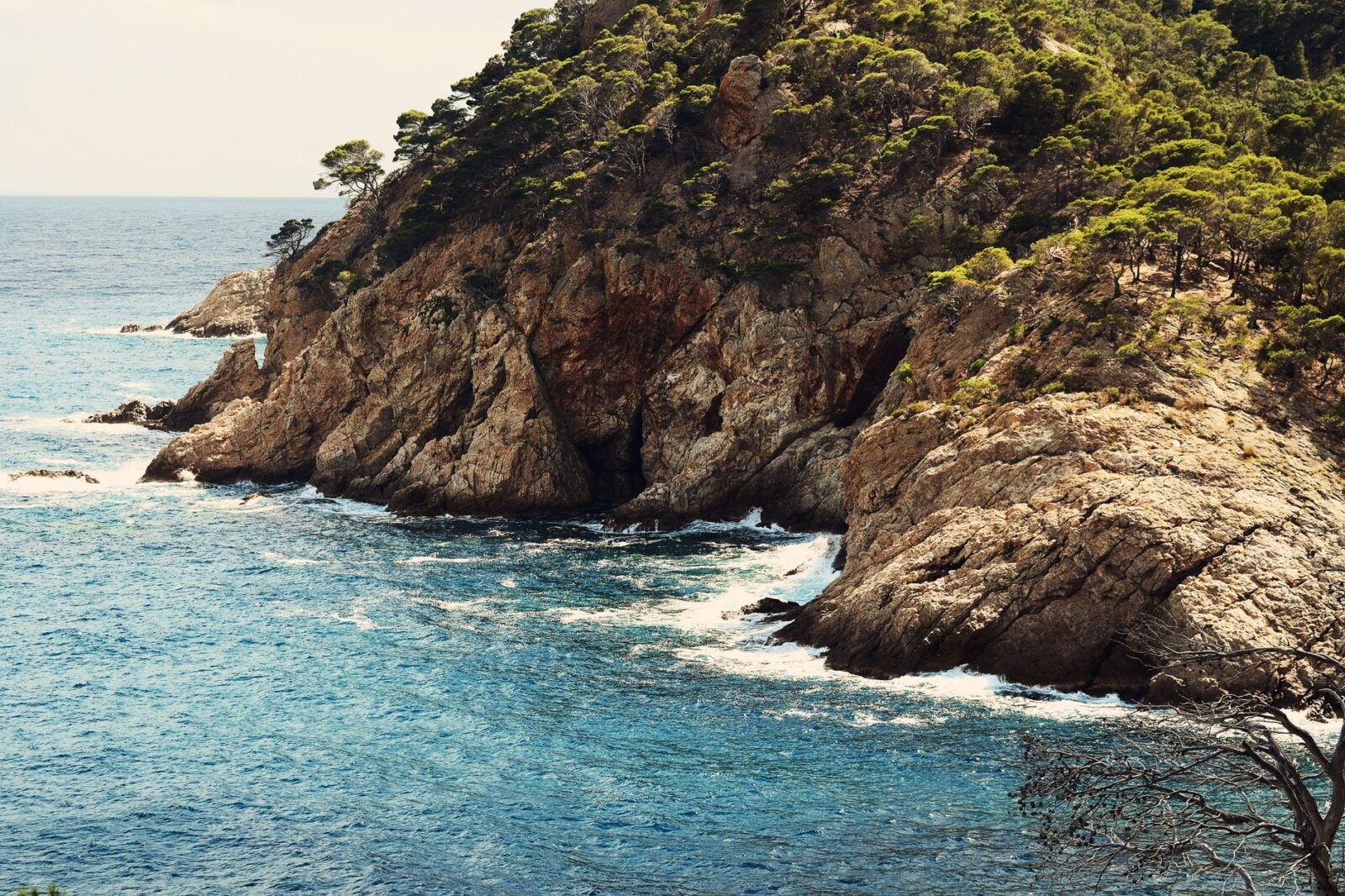
Travelers seeking stories etched into stone and sand are turning toward a stretch of shore that few guidebooks highlight. The Ulysses Riviera runs between Rome and Naples, offering a blend of myth, ancient ruins and seaside calm that feels worlds away from the Amalfi crowds. Its name alone invokes the wanderings of Odysseus, inviting modern explorers to walk where legend says gods and monsters once roamed. This quiet coastline is gaining attention as tourists look for authentic experiences that connect literature with landscape.
The riviera spans roughly 46.5 miles from the imposing Monte Circeo to the historic port town of Gaeta. It lies wholly within the Lazio region, touching the border with Campania near Formia. Though it has welcomed visitors since the days of Emperor Tiberius, it remains relatively unknown to international tourists compared with Italy’s more famous coasts. Local lore ties every cove and cliff to episodes from Homer’s Odyssey, giving the area a narrative depth that few Mediterranean destinations can match.
In an era when overtourism strains popular sites, the Ulysses Riviera offers a compelling alternative. Travel trends show a rising interest in myth‑linked journeys, slow travel and off‑the‑beaten‑path destinations that promise both cultural richness and personal space. Visitors here can enjoy crystal‑clear waters, sample regional cuisine and explore archaeological sites without the long lines that define peak season elsewhere. For those who love stories as much as scenery, this coast feels like a living page from an ancient epic.
Tracing Odysseus’ Footsteps: Key Mythological Sites
The journey often begins at the Villa of Tiberius near Sperlonga, where a massive marble statue of Polyphemus the cyclops greets visitors in an atmospheric grotto. Discovered in 1957 during the construction of the Via Flacca, the statue stands as a testament to the emperor’s fascination with Homeric tales. Walking through the dimly lit cavern, one can almost hear the echo of ancient feasts that once took place beneath the cyclops’ stone gaze. The grotto itself is carved directly into the limestone cliff, offering dramatic views of the sea beyond.
Nearby, fragments of statues depicting Scylla and Charybdis were also recovered from the same villa, reminding travelers of the perilous strait that Odysseus narrowly escaped. Local guides point to the rugged silhouette of Monte Circeo as a possible home for the enchantress Circe, whose island Aeaea is said to have lain just offshore. Some scholars argue that the mist‑shrouded peak once resembled an island surrounded by marshes, fitting the poetic description of Circe’s domain. A short hike to the summit rewards visitors with panoramic vistas that stretch across the Tyrrhenian Sea.
Further along the coast, the Tempio di Giove Anxur in Terracina stands sentinel on a high terrace overlooking the water. Though dedicated to Jupiter, the temple’s location amid olive groves and sea breezes evokes the watchful presence of gods who guided heroes on their voyages. The site includes remnants of ancient fortifications and a panoramic staircase that invites contemplation. Together, these landmarks create a trail where myth and geography intertwine, allowing visitors to follow Odysseus’ imagined route from one legendary encounter to the next.
Ancient Roman Splendor: Villas, Grottos and Imperial Legacy
Beyond myth, the Ulysses Riviera bears the unmistakable imprint of Roman imperial ambition. The Villa of Tiberius at Sperlonga was not merely a retreat; it was a sprawling complex that included terraces, pools and a triclinium where the emperor hosted lavish banquets. The grotto that houses the Polyphemus statue was adapted into a nymphaeum, a sacred space decorated with mosaics and flowing water that evoked the underwater world of the Odyssey. Archaeologists have uncovered frescoes that depict marine life, suggesting the villa’s design celebrated the sea’s bounty.
Scattered along the shoreline are the remains of other Roman villas, fish farms and warehouses that once supported the region’s thriving maritime trade. In Formia, visitors can walk the ruins of a large villa that belonged to a prominent senator, its mosaic floors still hinting at the opulence of elite seaside living. Near Sabaudia, the ancient port of Caieta reveals warehouses where amphorae of oil and wine were stored before shipment to Rome. These sites illustrate how the coast served both as a playground for the wealthy and as a vital economic hub.
The imperial legacy lives on in local traditions that honor the region’s past. Annual festivals in Sperlonga reenact scenes from Roman life, complete with period costumes and traditional music. Museums in Gaeta and Terracina display artifacts recovered from underwater excavations, offering insight into daily life two millennia ago. For travelers, these layers of history add depth to every sunset stroll, reminding them that the sands have felt the footsteps of emperors, merchants and mythic heroes alike.
Beach Life and Town Charm: From Sperlonga to Gaeta
Sperlonga welcomes visitors with its whitewashed houses clustered along narrow lanes that wind down to a few cars cannot navigate. The town’s main beach stretches for a kilometer of fine, pale sand lapped by water so clear you can see small fish darting near the shore. Cafés line the promenade, serving chilled white wine and plates of freshly fried anchovies as the sun dips behind the cliffs. A short climb to the old fortress offers a panoramic view that has inspired painters and poets for centuries.
Gaeta, at the eastern end of the riviera, combines a fortified historic center with a lively marina and the striking sanctuary of Montagna Spaccata. The sanctuary, built into a cleft in the mountain, houses a chapel where pilgrims have left votive offerings for generations. Just below, Serapo beach offers a wider expanse of sand popular with families and windsurfers alike. The town’s fish market arrives each morning with the day’s catch, supplying restaurants that serve tiella—a savory pie layered with rice, mussels, potatoes and pecorino cheese.
Between these two anchors lie quieter gems such as Terracina, with its long sandy beach and the Temple of Jupiter Anxur perched above; Formia, known for its bustling weekly market and the ruins of the Villa of Mamurra; and Sabaudia, where pine forests meet the sea and the lagoon attracts birdwatchers. Each town retains its own rhythm, offering travelers a chance to linger in piazzas, sip espresso at sidewalk cafés and discover hidden coves accessible only by footpaths or small boats.
Seasonal Secrets: Visiting in Winter vs Summer
Summer on the Ulysses Riviera brings warm sunshine, bustling beach clubs and a festive atmosphere that peaks in July and August. Temperatures often climb into the low thirties Celsius, inviting swimmers to linger in the water until dusk. Night markets pop up along the promenades, offering gelato, grilled seafood and live music that carries on until the early hours. While the season vibrates with energy, it also draws larger crowds that can fill accommodations quickly.
Winter paints a completely different picture, with mild temperatures that rarely fall below ten degrees Celsius even at night. The sea retains a gentle warmth, making coastal walks pleasant without the need for heavy layers. Tourist numbers drop dramatically, allowing visitors to explore museums, archaeological sites and historic centers at a leisurely pace. Local life takes center stage, with residents gathering in piazzas for traditional feasts, religious processions and seasonal markets that celebrate olive oil, citrus and fresh fish.
Activities shift with the climate as well. Summer favors swimming, sailing and beachside yoga, while winter invites hiking the trails that climb Monte Circeo, exploring the grottoes of the Villa of Tiberius without the summer heat, and enjoying hearty meals of lentil soup, baked fish and locally produced cheeses. Many travelers find that the shoulder seasons of April‑May and September‑October offer the best balance: comfortable temperatures, fewer visitors and nature in full bloom or autumnal hue. Whichever time you choose, the riviera’s essence remains unchanged—a place where myth, history and the sea converse in quiet tones.
Practical Travel Guide: How to Get There, Where to Stay, What to Eat
Reaching the Ulysses Riviera is straightforward thanks to its proximity to Rome’s major transport hubs. Trenitalia runs frequent regional trains from Roma Termini to Formia, a journey of about seventy minutes that offers scenic views of the countryside. From Formia, local buses or taxis can take you to Sperlonga, Terracina or Gaeta in under thirty minutes. Those preferring flexibility often rent a car at Rome’s Fiumicino airport, allowing spontaneous stops at lesser‑known villages along the Via Flacca.
Accommodation ranges from family‑run bed and breakfasts to boutique hotels housed in restored historic buildings. In Sperlonga, a double room with sea view averages around €90 per night in high season, while a modest agriturismo inland may cost €60. Gaeta offers similar options, with a few luxury properties reaching €150 per night during peak months. Many establishments provide breakfast featuring local pastries, fresh fruit and espresso, giving travelers a tasty start to their day of exploration.
Food on the coast celebrates the sea’s bounty and the region’s agricultural heritage. A must‑try dish is tiella, the savory pie described earlier, best enjoyed at a trattoria in Gaeta where the recipe has been passed down for generations. Freshly caught anchovies, sardines and squid appear simply grilled with lemon and olive oil, while the area’s renowned olive oil drizzles over bruschetta topped with ripe tomatoes. For a sweet finish, try sfogliatella filled with ricotta and citrus zest, or a glass of limoncello made from lemons grown on the terraced hills that overlook the water.
Budget Breakdown: Costs for a Mid‑Range Trip and Tips to Save
Planning a five‑day visit to the Ulysses Riviera can fit comfortably within a moderate budget. Accommodation in a three‑star hotel or well‑reviewed B&B averages €80 per night, totalling €400 for the stay. Meals at mid‑range restaurants and casual trattorias average about €30 per day, covering breakfast, lunch and dinner, which adds another €150. Local transport—train tickets, occasional bus rides and a few taxi trips—comes to roughly €20 per day, or €100 for the trip. Entrance fees to archaeological sites, museums and protected natural areas typically sum to €10 per day, adding €50.
Adding these figures gives a total estimated cost of around €700, which converts to approximately $750 at current exchange rates. Travelers who opt for hostels, guesthouses or camping can reduce lodging costs to €40‑€50 per night, bringing the overall budget closer to €500 ($540). Conversely, those who prefer seaside resorts with spa facilities may see nightly rates rise to €180 or more, pushing the total toward €1,200 ($1,300). The range shows that the riviera can accommodate backpackers, couples and families alike with a bit of planning.
Saving money while still enjoying the experience is possible with a few simple strategies. Traveling in the shoulder seasons of late spring or early autumn often yields lower accommodation prices and pleasant weather. Eating at family‑run osterias where the menu changes daily based on the catch can cut meal costs by up to thirty percent compared with tourist‑focused venues. Using regional trains instead of private transfers not only saves money but also offers a chance to see the countryside unfold. Finally, many of the region’s beaches are free to access, allowing travelers to spend sunny days swimming and picnicking without paying for private beach clubs.
Future Outlook: Tourism Pressures and Sustainable Travel
As word spreads about the Ulysses Riviera’s unique blend of myth, history and natural beauty, visitor numbers are gradually increasing. Local authorities acknowledge the potential strain on infrastructure, especially in the narrow streets of Sperlonga and the limited parking areas near popular beaches. To mitigate impact, the region has begun promoting off‑peak visits, highlighting the advantages of winter and early spring travel through targeted campaigns and discounted museum passes.
Sustainability initiatives are taking shape across the coast. Marine protected areas have been expanded around the Pontine Islands to safeguard seagrass beds and fish stocks, encouraging responsible snorkeling and diving practices. Several towns have introduced bike‑share programs and electric shuttle buses to reduce reliance on private cars in historic centers. Community‑run tours led by local historians and fishermen offer authentic narratives while ensuring that tourism revenue stays within the community.
For travelers, the best way to contribute to the riviera’s longevity is to travel thoughtfully. Respecting archaeological sites by staying on marked paths, refraining from removing any artifacts or natural souvenirs, and disposing of waste properly helps preserve the landscape for future generations. Choosing accommodations that employ eco‑friendly practices, dining at establishments that source ingredients locally, and participating in cultural events that celebrate traditional crafts all support a model of tourism that honors both the past and the future of this storied coastline.
Stay informed with the latest travel news, visa updates, and destination guides. Follow HimalayanCrest.com for weekly travel intelligence delivered by our editorial team.