

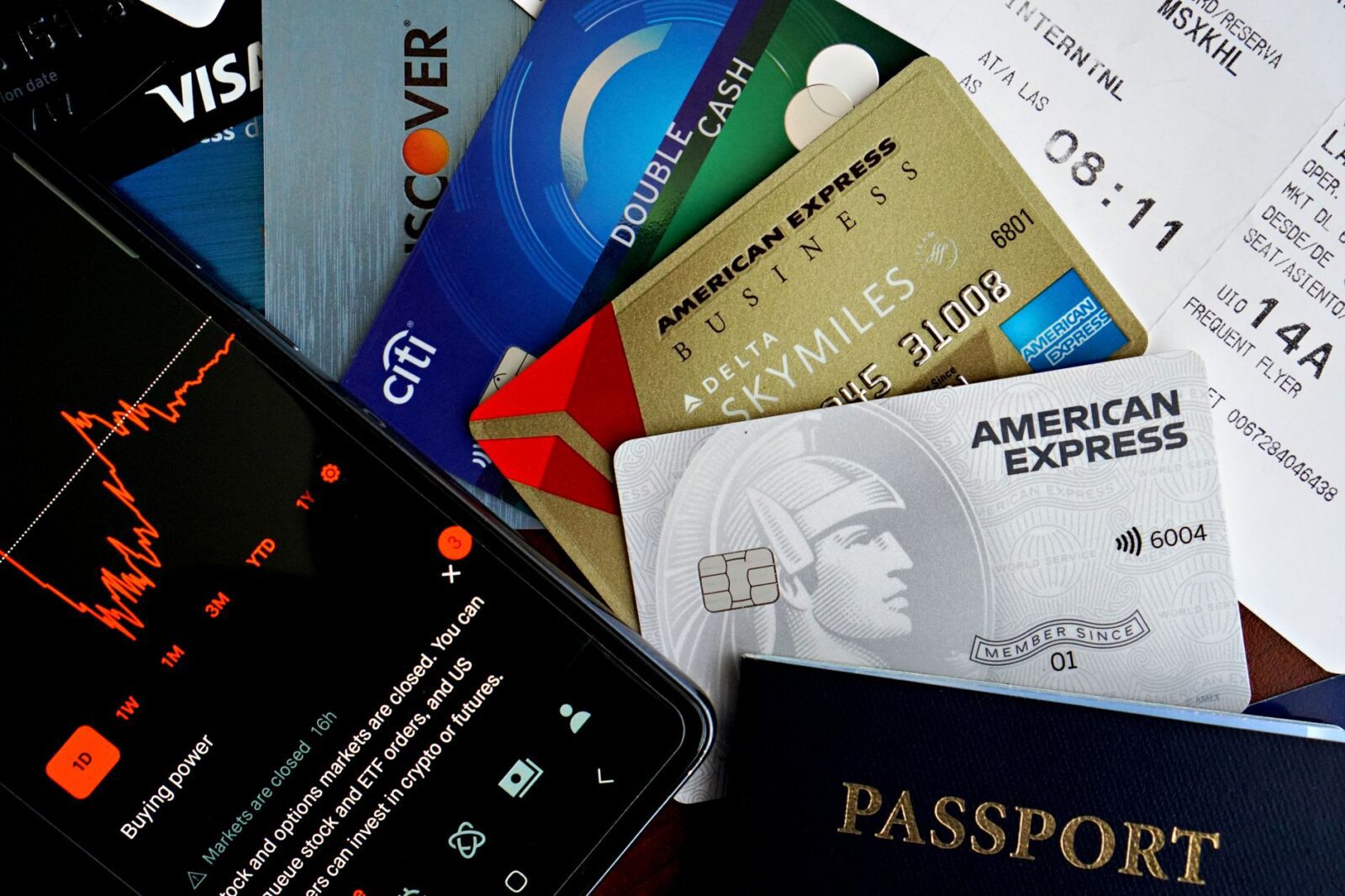
Why Paying Tuition with a Credit Card Can Be a Travel Hack
For many students and families, tuition represents one of the largest annual expenses. When that bill can be charged to a rewards credit card, the purchase becomes an opportunity to earn points or miles that could fund a future trip. This approach turns a mandatory cost into a potential travel reward, provided the associated fees do not outweigh the benefits.
Experts note that the key is to compare the value of the rewards earned against any surcharge the school imposes for card use. If the card offers a return of at least 2% in travel‑redeemable points and the fee is lower than that, the net gain can be positive. Understanding your school’s policy and your card’s earning rate is the first step toward making an informed decision.
How Colleges Handle Credit Card Payments
Institutions generally fall into three categories when it comes to accepting credit cards for tuition. Some schools do not accept cards at all, requiring payment by check, bank transfer, or cash. Others allow card payments without adding any extra charge, absorbing the processing fee themselves. A third group permits card use but adds a surcharge, typically ranging from 2% to 3% of the tuition amount.
To discover which category your college belongs to, start with an online search for “pay [school name] tuition with a credit card\). If the information is not readily available, call the bursar’s office or registrar’s office directly. Knowing the policy up front prevents surprises when the bill arrives.
When the Fee Makes Sense: Rewards Versus Cost
If a school charges a fee for credit card use, the decision hinges on the net reward after subtracting that cost. For example, a 2.5% surcharge on a $10,000 tuition bill adds $250 to the expense. A credit card that earns 2 points per dollar, with each point valued at 1 cent for travel, would yield 20,000 points worth $200. In this case, the fee outweighs the reward, making the card a poor choice.
Conversely, a card offering 5 points per dollar (valued at 1 cent each) would generate 50,000 points or $500 on the same $10,000 bill. After paying the $250 fee, the net gain is $250 in travel value. Travelers who prioritize earning miles for international flights often find such high‑earning cards worthwhile, even with a modest surcharge.

Real‑World Examples: Schools That Charge, Those That Don’t
Public universities such as the University of Nevada‑Las Vegas have been reported to accept credit cards for tuition without any additional fee, allowing students to earn rewards freely. In contrast, the University of Florida imposes a 2.75% surcharge on card payments, a figure cited in multiple sources as typical for many state institutions.
Private colleges vary widely; some elite schools restrict card use entirely, while others like certain community colleges in the Midwest have adopted fee‑free policies to attract tech‑savvy payers. Checking the specific policy of your institution is essential, as even schools within the same system can differ.
Strategies for Maximizing Travel Points While Covering Tuition
One effective tactic is to use a credit card that offers bonus categories aligned with education spending. Some cards provide extra points on purchases made at schools or on online payments, effectively increasing the earn rate beyond the base level. Pairing this with a sign‑up bonus can accelerate point accumulation for a upcoming trip.
Another approach is to time tuition payments to meet minimum spend requirements for a new card’s welcome offer. For instance, if a card offers 60,000 points after spending $4,000 in the first three months, charging two semesters’ tuition could help reach that threshold quickly. After earning the bonus, the card can be set to automatic payments for future bills, simplifying budgeting.

Risks and Pitfalls: Interest, Debt, and Credit Score Impact
Carrying a balance on a rewards card after paying tuition can quickly erase any gains due to high interest rates, often exceeding 20% APR. If the full amount is not paid by the due date, the finance charges may surpass the value of the earned points, turning a potential reward into a costly mistake.
Additionally, large tuition payments can spike your credit utilization ratio, which may temporarily lower your credit score if reported before the payment is cleared. To protect your score, consider making a partial payment early or requesting a higher credit limit in advance, and always aim to settle the statement balance in full each month.
Practical Steps: How to Check Your School’s Policy and Set Up Payments
Begin by visiting the college’s student accounts or finance webpage and look for a section titled “Payment Methods” or “Tuition and Fees.” If the page does not list credit card options, note the phone number for the bursar’s office and ask directly whether cards are accepted and whether a fee applies.
Once confirmed, add the card to the school’s payment portal, verify the exact surcharge percentage if any, and schedule the payment to arrive before the deadline. Keep a copy of the transaction receipt and monitor your credit card statement to ensure the reward points post correctly.
Looking Ahead: Trends in Education Payments and Travel Rewards
As more institutions adopt online payment platforms, the acceptance of credit cards is growing, though many still pass processing costs to students. Some universities are experimenting with flat‑fee models or offering discounts for early electronic payments, which could shift the cost‑benefit analysis in favor of card use.
On the rewards side, credit card issuers continue to refine travel‑focused products, introducing higher earn rates on recurring bills and expanded transfer partners for airline miles. Staying informed about both campus payment policies and card offerings will help students and families turn tuition into a stepping stone for their next adventure.
Frequently Asked Questions
Is it ever worth paying a fee to use a credit card for tuition?
It can be worthwhile when the rewards earned exceed the surcharge. For example, a card that gives 3% cash back or travel points on tuition payments offsets a 2% fee, leaving a net gain. Calculate the effective return by multiplying the card’s earn rate by the point value, then subtract the fee percentage. If the result is positive, the card makes financial sense.
How do I find out if my college charges a surcharge for credit card payments?
Start by searching the school’s website for tuition payment options. Look for FAQs, payment guides, or the bursar’s office page. If the information is unclear, call the office directly and ask whether credit cards are accepted and if any convenience fee is applied. Getting a clear answer before the payment deadline avoids unexpected charges.
Will paying tuition with a credit card affect my credit score?
A large tuition payment can increase your credit utilization ratio, which may cause a temporary dip in your score if reported before you pay the balance. To minimize impact, pay the statement balance in full each month, consider requesting a higher credit limit ahead of time, or make an early partial payment to keep utilization low.
What types of credit cards earn the most value on tuition payments?
Cards that offer bonus points on recurring bills, online purchases, or specific merchant categories often provide the highest returns. Some travel rewards cards give 3x points on all purchases, while others provide 5x points on selected categories that may include educational institutions. Review the card’s earn structure and any annual fee to determine the net benefit.
Can I use a credit card to pay tuition for an overseas study program?
Many foreign universities accept credit cards for tuition, but policies vary widely. Check the institution’s international payments office or website for accepted methods. Be aware that foreign transaction fees may apply, typically 1% to 3%, which should be factored into the rewards calculation.
Stay informed with the latest travel news, visa updates, and destination guides. Follow HimalayanCrest.com for weekly travel intelligence delivered by our editorial team.