

Awakening to the Himalayan Kingdom
As the first light of dawn creeps over the Himalayas, the monastery bell in Paro, Bhutan, rings out, signaling the start of a new day in this enchanting kingdom. The sound echoes through the valley, a call to exploration and discovery in a land often referred to as the Last Shangri-La. Bhutan, nestled in the heart of the Himalayas, is a country like no other, where traditional culture and modernity blend in a unique harmony. For travelers, Bhutan offers a rare gift: a chance to experience untouched nature, vibrant culture, and spiritual depth. Planning a trip to Bhutan requires careful consideration due to its limited entries, unique permits, and mountainous terrain, but the rewards are well worth the effort.
Bhutan’s allure lies not just in its breathtaking landscapes but also in its commitment to preserving its environment and culture. The government’s policy of ‘Gross National Happiness’ over ‘Gross Domestic Product’ reflects the nation’s values, making it an inspiring destination for those seeking a journey that combines adventure with a deeper connection to the world and its people. Whether you’re a trekker, a photographer, or simply a curious traveler, Bhutan has something to offer, from its majestic monasteries to its verdant valleys and towering mountain peaks.
Route Overview: The Snowman Trek
For seasoned trekkers, the Snowman Trek is one of the most challenging and rewarding routes in the Himalayas. Stretching over 216 miles (348 km), it typically takes around 25 days to complete, with a maximum altitude of 17,780 feet (5,415 meters) at the Rinchen Zoe La pass. The difficulty level is high, requiring trekkers to be in excellent physical condition and prepared for unpredictable mountain weather. The trek offers breathtaking views of the Himalayan range, including peaks like Gangkhar Puensum, the highest unclimbed mountain in the world.
The trek begins in Paro, leading through a variety of landscapes, from lush forests to high mountain passes, and offers insights into the traditional Bhutanese way of life. Trekkers will pass through several villages, where they can experience local hospitality and see firsthand the unique culture of Bhutan. The route is less crowded than some of the more popular treks in the Himalayas, providing a more secluded and authentic experience.
Day-by-Day Itinerary
A typical day on the Snowman Trek begins early, with breakfast at the campsite, followed by a day of trekking through varying terrains. The distances covered each day can range from 10 to 15 miles (16 to 24 km), with altitude changes that can be significant. Trekkers will need to be prepared for long days of walking, with rest stops at scenic viewpoints and for lunch.
The itinerary includes acclimatization days, which are crucial for preventing altitude sickness. These days allow trekkers to explore local villages, visit monasteries, and soak in the natural hot springs, which are believed to have healing properties. The evenings are spent at camp, where trekkers can enjoy local cuisine and share stories of their adventures.
Best Seasons to Visit
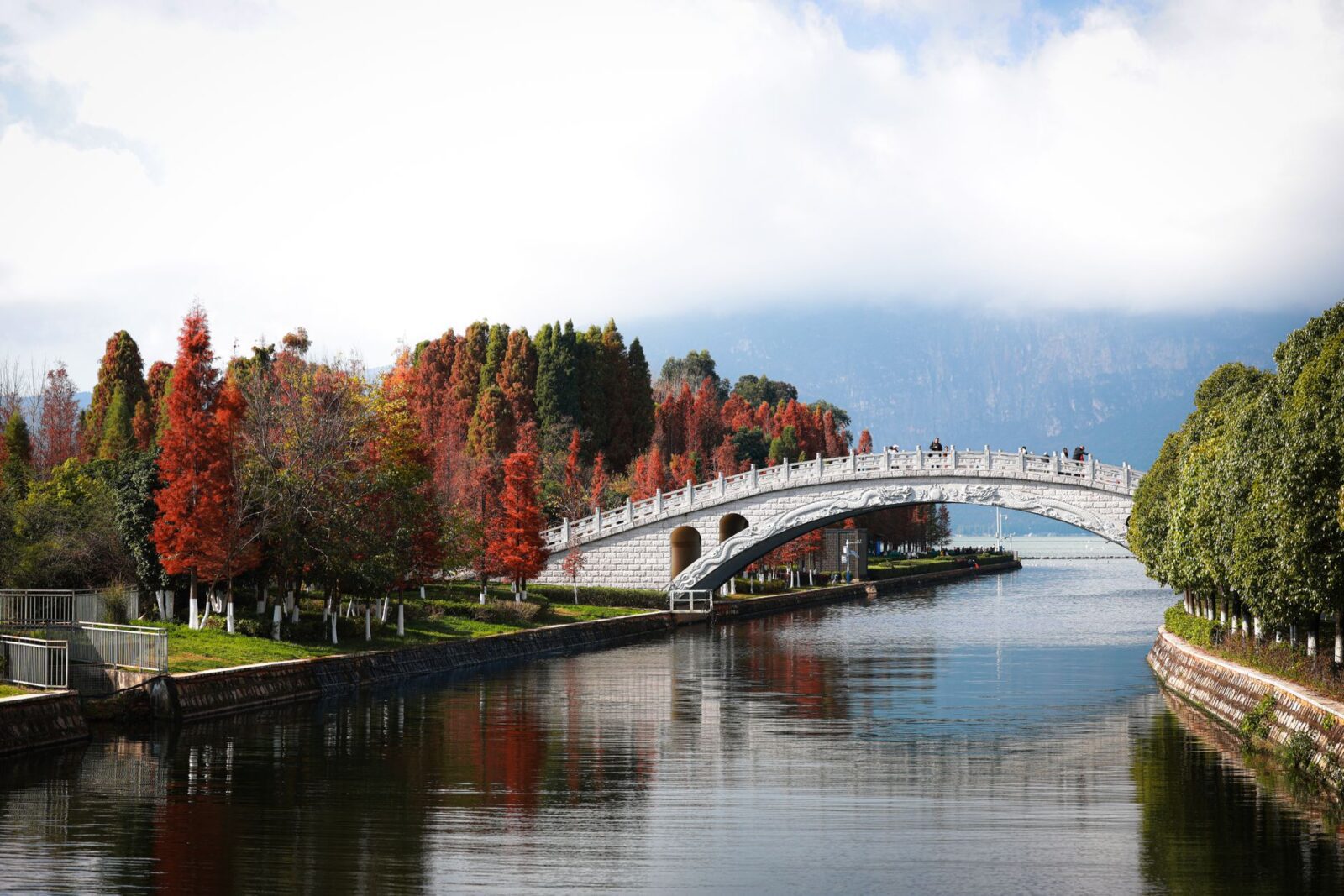
Bhutan can be visited year-round, but the best seasons for trekking are spring (March to May) and autumn (September to November). These periods offer the best weather conditions, with clear skies and mild temperatures, making them ideal for trekking and sightseeing. Spring is particularly beautiful, with rhododendrons and other flowers in bloom, while autumn offers a kaleidoscope of colors as the leaves change.
However, each season has its pros and cons. Spring can be somewhat crowded, especially on the more popular treks, while autumn can be cooler, especially in the mornings and evenings. The monsoon season (June to August) is generally avoided due to heavy rainfall and potential landslides, but it can be a good time for those interested in seeing the lush green landscapes and experiencing the local festivals. Winter (December to February) is cold, with potential snowfall, but it offers a serene and peaceful experience, with fewer tourists.
Permit Requirements and Costs
To trek in Bhutan, visitors must obtain a permit from the Bhutanese government. The cost of the permit varies depending on the season, with a daily tariff of $250 per person during the peak season (March to May and September to November) and $200 per person during the off-season (December to February and June to August). Additionally, there is a one-time fee of $40 for the visa application.
It’s also necessary to hire a licensed guide, which can cost around $25 to $30 per day, depending on the services included. Furthermore, trekkers must pay for their accommodations and meals, which can range from $10 to $30 per night for a teahouse stay, depending on the location and amenities. The total cost for a trek in Bhutan can range from $2,000 to $5,000 per person for a 25-day trek, depending on the services and accommodations chosen.
Gear List and Preparation
Preparing the right gear is essential for a successful and enjoyable trek in Bhutan. Trekkers should pack layers of clothing for varying weather conditions, including a good quality waterproof jacket and warm hat and gloves for colder mornings and evenings. Sturdy hiking boots, a first aid kit, and a water purification system or water bottles are also must-haves.
In terms of electronics, a portable charger for your phone or camera and a power bank can be useful, given the limited access to electricity in some areas. It’s also a good idea to bring a small daypack for day trips and a larger backpack for your main gear, which can be carried by a porter if needed. Hiring a porter can cost around $20 to $25 per day, depending on the weight of the load and the services included.
Teahouse Costs and Tipping Customs
Teahouses, also known as lodges, are the primary form of accommodation for trekkers in Bhutan. The cost of staying in a teahouse can range from $10 to $30 per night, depending on the location and amenities. Meals are also available at teahouses, with the cost of a meal ranging from $5 to $10.
Tipping is not mandatory but is appreciated for good service. For guides and porters, a tip of around $10 to $20 per day is considered generous, given their hard work and dedication to ensuring a safe and enjoyable trek. For teahouse owners and staff, smaller tips of $1 to $5 are more common.
Altitude Sickness Prevention and Safety
Altitude sickness is a serious concern for trekkers in Bhutan, given the high altitudes reached on some treks. Prevention is key, with gradual ascension and acclimatization days built into the itinerary. Trekkers should also stay hydrated, avoid alcohol, and eat nutritious meals to help their bodies adjust to the higher elevations.
In case of an emergency, it’s crucial to have evacuation insurance, which can cover the cost of a helicopter rescue. The cost of evacuation insurance can range from $100 to $300 per person for a 25-day trek, depending on the provider and the level of coverage. Water purification is also essential, with options including water filters, purification tablets, or bottled water.
Temple Etiquette and Local Customs
Bhutan is a deeply spiritual country, with Buddhism playing a central role in everyday life. When visiting temples or monasteries, trekkers should dress modestly, remove their shoes before entering, and avoid taking pictures inside the prayer halls. It’s also customary to make a small donation or offering, which can be in the form of money or prayer flags.
Respect for local customs and the environment is paramount. Trekkers should avoid littering, respect private property, and not remove any plants or rocks from the natural surroundings. By embracing these principles, visitors can contribute to the preservation of Bhutan’s unique culture and environment, ensuring that the Last Shangri-La remains a haven for generations to come.
Frequently Asked Questions
Q: Do I need a visa to visit Bhutan? Yes, all foreign nationals need a visa to enter Bhutan, which must be applied for in advance through a licensed tour operator.
Q: What is the best time to visit Bhutan for trekking? The best seasons for trekking in Bhutan are spring (March to May) and autumn (September to November), due to the favorable weather conditions.
Q: How difficult is the Snowman Trek? The Snowman Trek is considered one of the most challenging treks in the Himalayas, requiring a high level of physical fitness and mental stamina.
Q: Can I hire a guide or porter for the trek? Yes, it is mandatory to hire a licensed guide for the trek, and porters can also be hired to carry your gear, which can be arranged through your tour operator.
Q: What is the cost of a trek in Bhutan? The cost of a trek in Bhutan can range from $2,000 to $5,000 per person for a 25-day trek, depending on the services and accommodations chosen.
Stay informed with the latest travel news, visa updates, and destination guides. Follow HimalayanCrest.com for weekly travel intelligence delivered by our editorial team.