

Why Sweat Might Set Off TSA Alarms
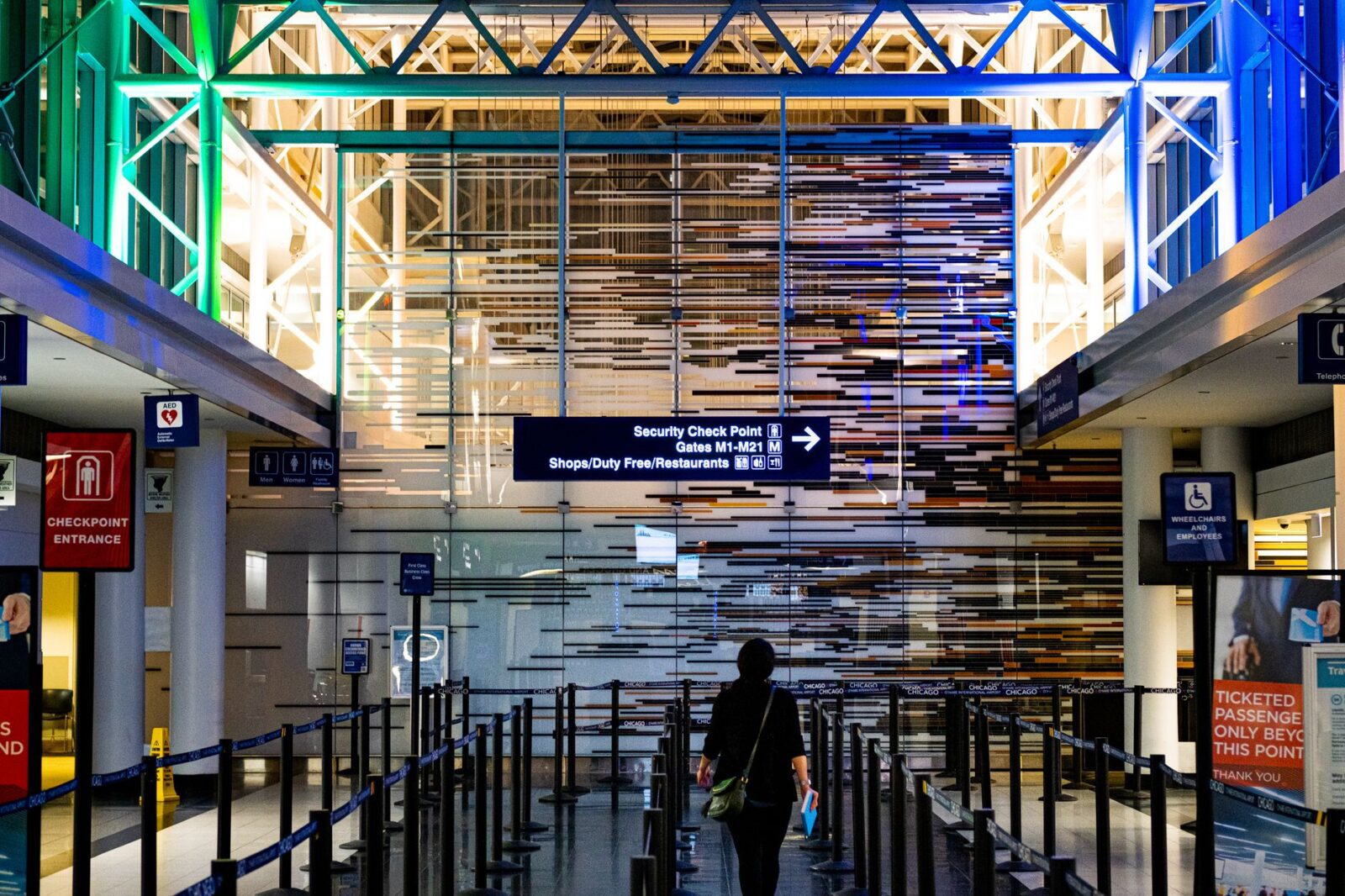
Air travel often brings a mix of excitement and anxiety, especially when navigating crowded terminals during a heatwave. Rising temperatures and long queues can cause perspiration to build up, even for the most seasoned travelers. While a little sweat is normal, experts warn that excessive moisture on clothing can interfere with the technology used at security checkpoints. This interference may lead to the machine flagging a passenger for additional inspection.
The Transportation Security Administration has acknowledged that moisture can alter the way fabrics appear to its imaging equipment. According to a TSA spokesperson, “Added moisture from a person’s body can alter the density of clothing, so it is possible perspiration may cause our Advanced Imaging Technology machines to alarm.” When this happens, the standard protocol calls for a secondary screening, which often includes a pat‑down of the area where the alarm was triggered.
Although the scenario sounds troubling, officials stress that it is not a common occurrence. A travel expert with a flight deals service explained that passengers would typically need to be sweating an excessive amount for the scanner to react. In most routine travel situations, the level of perspiration remains below the threshold that triggers an alarm.
How the Body Scanners Work and What Moisture Does
Modern airport security relies on Advanced Imaging Technology (AIT) units that use millimeter‑wave radio frequencies to create a generic outline of a traveler’s body. The system looks for anomalies that could conceal prohibited items. Because the waves penetrate clothing, any change in the fabric’s density or thickness can affect the reading.
When sweat soaks into a shirt, trousers or jacket, the material becomes slightly heavier and its electromagnetic properties shift. This shift can mimic the signature of a hidden object, prompting the machine to raise an alert. The technology is designed to be highly sensitive, which is why even subtle changes sometimes register as a potential threat.
Importantly, the alarm does not mean the traveler is suspected of wrongdoing. It simply indicates that the scanner detected something unusual data that falls outside the expected range for normal clothing. Officers then intervene to resolve the discrepancy through a physical check or alternative screening method.
How Common Is This Really?
Data released by the TSA indicates that the vast majority of alarms stem from actual metal objects, dense fabrics, or items left in pockets. Moisture‑related triggers represent a small fraction of the total secondary screenings conducted each year. In practical terms, most passengers will never experience a sweat‑induced pat‑down, even during summer travel peaks.
The travel expert noted that for the scanner to react, a person would need to be visibly drenched, such as after intense exercise or in extreme humidity without any cooling measures. Everyday situations like walking from a curb to the terminal or waiting in line rarely produce enough moisture to cause a problem.
Still, awareness helps travelers prepare. Knowing the conditions that could lead to an alarm empowers individuals to take simple steps that reduce risk and keep the security process moving smoothly.
Practical Tips to Stay Cool and Clear Security
Choosing the right clothing is one of the most effective ways to minimize sweat‑related alerts. Lightweight, breathable fabrics such as linen, moisture‑wicking synthetics, or lightweight cotton allow air to circulate and keep the skin dry. Avoiding heavy layers, thick denim, or non‑breathable polyester can make a noticeable difference.
Staying hydrated while limiting caffeine and alcohol before a flight helps regulate body temperature. Applying an antiperspirant to areas prone to sweating—such as the underarms, back, and groin—can reduce the amount of moisture that reaches clothing. Some travelers also carry a small, travel‑sized cooling towel or misting spray for quick relief in hot terminals.
Arriving at the airport with ample time to spare provides a buffer for unexpected delays, including a possible secondary screening. Those enrolled in TSA PreCheck or Global Entry often experience shorter lines and may be less likely to undergo extensive checks, though the same scanner technology is used for all passengers.
- Wear loose, breathable layers that can be removed if you feel warm.
- Use an antiperspirant or sweat‑blocking product on high‑sweat zones.
- Keep a small towel or facial mist handy for quick drying.
- Stay hydrated and avoid heavy meals before heading to the airport.
- Consider scheduling flights during cooler parts of the day when possible.
What Happens If You’re Pulled Aside for Extra Screening
If the AIT unit alarms because of suspected moisture, a TSA officer will first inform the traveler of the reason for the additional check. The officer will then conduct a pat‑down of the specific area indicated by the machine, using the back of the hands and following a standardized procedure designed to respect privacy while ensuring safety.
The pat‑down typically lasts only a minute or two, though the overall process may add several minutes to your wait time, especially if the checkpoint is busy. Travelers are allowed to request a private screening if they feel uncomfortable, and officers are trained to accommodate such requests whenever feasible.
After the physical check, the traveler is usually cleared to proceed unless another issue arises. Knowing what to expect can alleviate anxiety and help you cooperate quickly, minimizing the disruption to your travel plans.

Cost and Time Considerations for Frequent Flyers
While a sweat‑related pat‑down does not carry a direct financial penalty, the indirect costs can add up for regular travelers. Missing a flight due to an unexpected delay at security may result in rebooking fees, lost hotel reservations, or missed business meetings. Even a ten‑minute hold can cascade into longer layovers or rushed connections.
Investing in trusted traveler programs offers both time savings and peace of mind. TSA PreCheck costs $85 for a five‑year membership, while Global Entry is $100 for the same period and includes expedited customs clearance on return to the United States. For those who fly frequently, the annual cost works out to less than $20 per year, a modest price for potentially saving hours each year.
Additional expenses might include purchasing moisture‑wicking travel clothing or cooling accessories, which typically range from $15 to $40 per item. These upfront costs are often offset by the convenience of a smoother security experience and the reduced risk of travel disruptions.
Looking Ahead: TSA Technology and Climate Trends
As global temperatures rise, airports in warmer regions are seeing more passengers contend with heat and humidity. The TSA continues to evaluate its screening equipment to balance sensitivity with false alarm rates. Future software updates may improve the algorithms that distinguish between harmless moisture and genuine threats, potentially reducing the frequency of sweat‑induced alerts.
Travel industry analysts suggest that airports may also expand shaded waiting areas, increase water‑station availability, and improve ventilation in security halls to enhance passenger comfort. Such infrastructural changes, combined with smarter scanner software, could make the security process less susceptible to environmental variables.
For now, the best defense remains personal preparation. By dressing appropriately, managing perspiration, and allowing extra time, travelers can navigate checkpoints with confidence, regardless of the weather outside.
FAQ
Can a small amount of sweat really cause a TSA alarm?
Only a significant amount of moisture that noticeably alters clothing density is likely to trigger the scanner. Light perspiration from normal activity rarely reaches the threshold needed for an alarm.
What types of fabric are safest to wear to avoid sweat‑related issues?
Breathable, moisture‑wicking materials such as polyester blends, linen, or lightweight cotton are ideal. Avoid heavy, non‑absorbent fabrics like thick denim or rubberized coatings.
If I am selected for a pat‑down due to sweat, can I refuse?
You cannot refuse the screening itself, but you may request a private screening or ask for an officer of the same gender if that makes you more comfortable.
How much time should I add to my airport arrival to accommodate a possible extra check?
Adding an extra 15 to 20 minutes to your usual arrival time provides a comfortable buffer for most situations, including a secondary screening.
Are there any health concerns associated with the millimeter‑wave scanners?
According to the TSA and multiple health agencies, the millimeter‑wave technology used in AIT units emits low‑level energy that is well within international safety guidelines and poses no known health risk.
Stay informed with the latest travel news, visa updates, and destination guides. Follow HimalayanCrest.com for weekly travel intelligence delivered by our editorial team.