

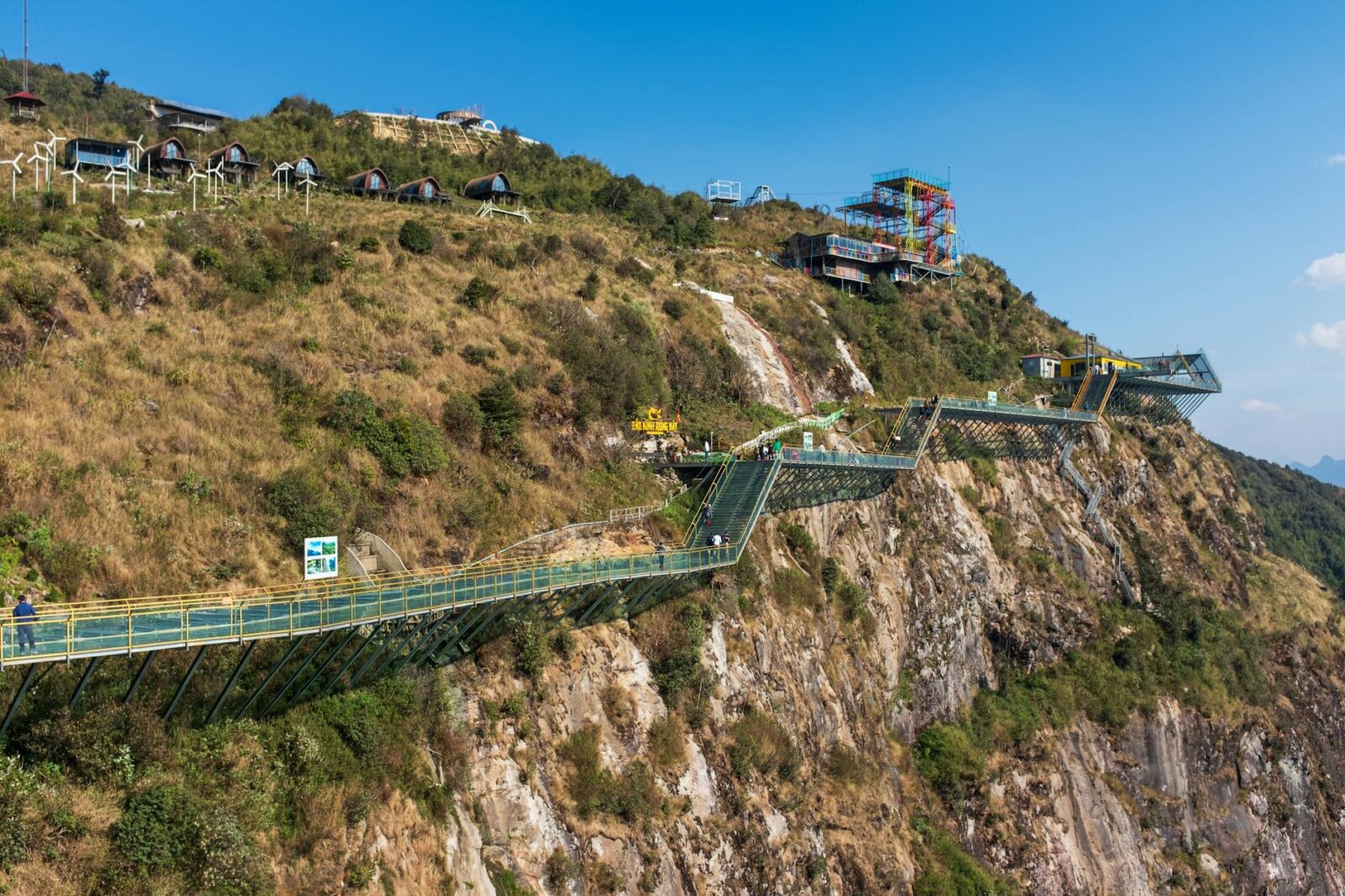
The Allure and Risk of Extreme Tourism
In 2026, the global travel landscape is shifting in fascinating ways, driven by a blend of curiosity and caution. As adventurous travelers increasingly seek thrills in extreme destinations, the inherent risks are making headlines. Yet, for every perilous place that draws daring explorers, there are safer alternatives that promise equally enriching experiences.
Extreme tourism, a niche sector, invites travelers to explore some of the world’s most hazardous locales, from the icy peaks of Mount Everest to the dense jungles of the Amazon. However, recent data from IsItSafeToTravel.org highlights the escalating dangers in certain countries, prompting a reevaluation of travel safety.
Identifying the Most Dangerous Destinations
According to the latest reports, countries like Afghanistan, Syria, and Yemen top the list of the most dangerous destinations in 2026. These regions, plagued by ongoing conflict and instability, pose significant risks to travelers, including violence and kidnapping.
In Central Africa, an Ebola outbreak has further complicated travel advisories, making it a region of concern for health-conscious travelers. Such health and safety alerts underscore the importance of staying informed through official channels like travel.state.gov.
Safer Alternatives for the Adventurous Traveler
For those seeking adventure without compromising safety, destinations like New Zealand and Iceland offer breathtaking landscapes with far fewer risks. Known for their stunning natural beauty, these countries consistently rank high on the Global Peace Index, making them ideal for thrill-seekers.
In New Zealand, visitors can indulge in activities like bungee jumping in Queenstown or hiking the Tongariro Alpine Crossing, all within a safe and welcoming environment. Iceland, with its majestic waterfalls and geothermal wonders, provides a serene yet adventurous experience.
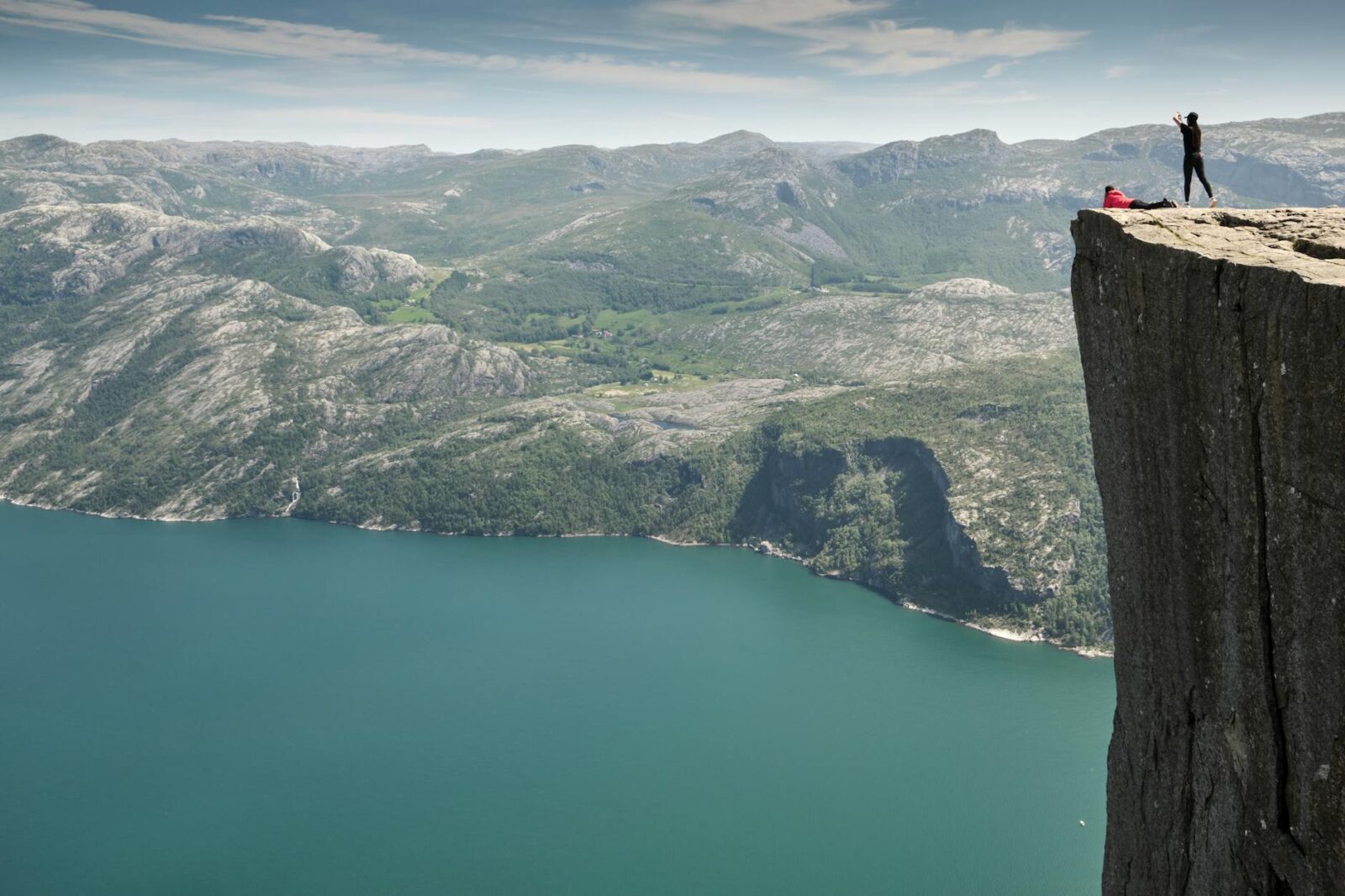
Understanding Global Travel Trends in 2026
As global perceptions of safety evolve, so too do travel patterns. Interestingly, some countries perceived as dangerous by Americans are statistically safer than parts of Europe and the U.S. The Global Peace Index reveals that destinations like Costa Rica and Uruguay offer safe havens for travelers, defying common misconceptions.
This shift in perception is influencing travel decisions worldwide, with more travelers opting for destinations previously overlooked due to outdated safety concerns.
Practical Tips for Safe Travel Planning
For travelers plotting their next adventure, safety should be a top priority. Here are some practical tips:
- Always check the latest travel advisories from reliable sources.
- Consider travel insurance that covers health and safety emergencies.
- Opt for destinations known for their stable political and health environments.
These steps not only ensure a safer journey but also provide peace of mind.

Cost Implications and Budget Considerations
Traveling safely doesn’t necessarily mean spending more. However, some safer destinations might have higher costs due to their popularity and developed infrastructure. For example, Iceland can be more expensive than other European countries, with meals costing around $25-30 USD per person.
Budget travelers might consider visiting during off-peak seasons or exploring less touristy areas within safe countries to manage expenses effectively.
What to Expect in the Future of Travel Safety
Looking ahead, the future of travel safety will likely focus on balancing adventure with caution. Advances in technology and increased access to real-time safety data will empower travelers to make informed decisions.
Travel experts predict a rise in popularity for destinations offering unique experiences with robust safety records. This trend is set to redefine the landscape of global travel, emphasizing the importance of safety without sacrificing adventure.
FAQ: Navigating Travel Safety Concerns
What are the most dangerous countries to visit in 2026?
According to recent safety scores, Afghanistan, Syria, and Yemen are among the most dangerous due to ongoing conflicts and instability.
What are some safe alternatives for adventure travel?
New Zealand and Iceland are excellent options, offering stunning landscapes and adventurous activities within a safe environment.
How can I stay informed about travel safety?
Regularly check official travel advisory websites like travel.state.gov and consult the Global Peace Index for updated safety rankings.
Is travel insurance necessary for safe travel?
Yes, travel insurance is crucial as it provides coverage for health emergencies, accidents, and unexpected events that may occur during your trip.
Are there affordable yet safe travel destinations?
Yes, countries like Costa Rica and Uruguay offer safe and affordable travel experiences, often overlooked due to misconceptions about safety.
As the travel landscape continues to evolve, staying informed and making prudent choices will ensure that your adventures are not only thrilling but also safe. We invite readers to share their experiences and insights on navigating travel safety in the comments below.
Stay informed with the latest travel news, visa updates, and destination guides. Follow HimalayanCrest.com for weekly travel intelligence delivered by our editorial team.