


The Real Cost of Skipping Travel Insurance: One Emergency Can Wipe Out Your Savings
Imagine falling ill in rural Nepal with appendicitis, requiring an emergency medevac to Kathmandu and then a flight home for surgery. Without coverage, that single event could cost over $50,000 — money most travelers don’t have sitting in an emergency fund. Yet every year, millions skip travel insurance, assuming their credit card or domestic health plan will protect them abroad. The truth? Most offer little to no international medical coverage, and trip cancellations due to illness, weather, or airline strikes can leave you out thousands in non-refundable bookings. Travel insurance isn’t about fear — it’s about financial smartness. For a fraction of your trip cost, you transfer catastrophic risk to an insurer who pays when things go wrong. This guide shows you exactly what to buy, when to skip it, and how to avoid overpaying for coverage you don’t need.
Match Your Coverage to Your Trip: The Three-Layer Framework That Actually Works
Stop buying generic “comprehensive” plans and start layering protection based on your actual risks. First, assess your trip’s financial exposure: how much is prepaid and non-refundable? If it’s over $1,000, trip cancellation coverage becomes valuable. Second, evaluate your health risks: are you traveling to a country with limited medical infrastructure, or do you have pre-existing conditions? Third, consider your activities: skiing, scuba diving, or motorbiking often require special riders. This layered approach means you might buy a basic medical-evacuation plan for a $300 weekend trip to Mexico, but add trip cancellation and baggage loss for a $5,000 two-week Italy tour. The goal isn’t maximum coverage — it’s precise protection against your specific vulnerabilities.
What Travel Insurance Actually Covers in 2026: Beyond the Marketing Hype
Modern travel insurance breaks down into six core components, each with clear triggers and limits. Emergency medical coverage pays for hospital stays, doctor visits, and prescription drugs abroad — typically up to $50,000 to $500,000 depending on your plan. Medical evacuation and repatriation covers transport to the nearest adequate facility or back home, a benefit that alone can exceed $100,000 in remote locations. Trip cancellation reimburses you 100% of prepaid, non-refundable costs if you cancel for a covered reason like illness, injury, or a death in the family. Trip interruption does the same if you must cut your trip short. Baggage loss covers stolen or destroyed items up to $1,000-$3,000, while baggage delay reimburses essential purchases like toiletries and clothing after a 12-hour delay. Finally, travel delay covers meals and accommodation when flights are delayed six hours or more due to weather, strikes, or mechanical issues.
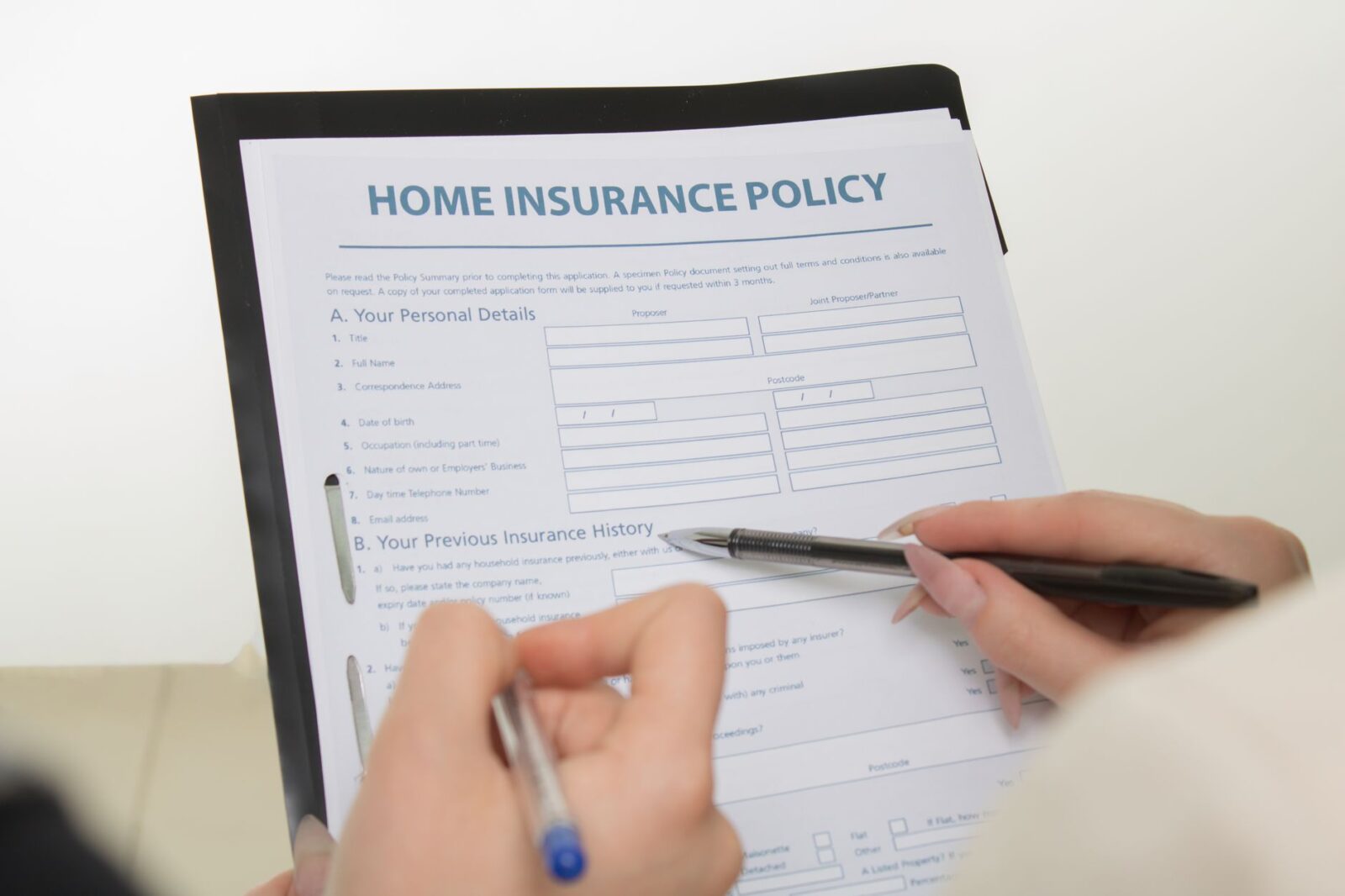
When You Absolutely Need Travel Insurance: Five Non-Negotiable Scenarios
Skip insurance only if your trip meets ALL these criteria: domestic travel under $500 with refundable bookings, no pre-existing health concerns, and travel during low-risk seasons. Otherwise, buy coverage. You absolutely need it when: 1) Traveling internationally where your domestic health plan offers little or no coverage (most U.S. plans, including Medicare, provide minimal overseas benefits); 2) Your trip has over $1,500 in prepaid, non-refundable costs (think cruises, guided tours, or villa rentals); 3) You’re traveling to a destination with limited medical facilities or high evacuation costs (like the Amazon, Himalayas, or sub-Saharan Africa); 4) You’re engaging in adventure sports not covered by standard policies (scuba diving below 30 meters, off-piste skiing, or motorbiking); 5) You’re over 65 or traveling with elderly parents, as medical risks increase with age. In these cases, the cost of insurance — typically 4% to 10% of your trip price — is a small price to pay for financial protection.
Smart Ways to Save on Travel Insurance Without Sacrificing Protection
Start by comparing quotes from at least three providers using aggregators like VisitorsCoverage.com or SquareMouth.com — these sites show side-by-side comparisons of coverage limits, exclusions, and prices. For a $3,000, two-week trip to Thailand, you’ll find basic medical plans starting at $28, while comprehensive coverage with trip cancellation averages $85-$120. Avoid buying directly from airlines or cruise lines — their policies are often more expensive and less flexible. Instead, consider annual multi-trip plans if you take more than two trips a year; a $350 annual plan from providers like Allianz Travel or AXA Assistance often beats buying four separate policies. Another hack: buy insurance within 15 days of making your first trip payment to lock in pre-existing condition waivers — a step that can save you hundreds if you have a stable condition like hypertension or asthma.

Common Mistakes That Leave Travelers Underinsured (and How to Fix Them)
The biggest error is assuming your credit card’s travel insurance is enough. While premium cards like Chase Sapphire Reserve® or Platinum Card® from American Express offer trip cancellation and delay coverage, their medical benefits are often secondary (meaning they pay only after your health insurance) and capped at low limits like $2,500 for medical evacuation. Another mistake is buying insurance too late — waiting until the day before departure means you lose coverage for pre-departure trip cancellation. Always purchase within 10-15 days of your first trip payment to maximize benefits. Travelers also overlook activity exclusions: standard policies often exclude injuries from motorbiking, trekking above certain altitudes, or water sports. If your adventure includes these, purchase a sports rider or specialty plan from providers like World Nomads or InsureMyTrip, which start at an extra $15-$30 for a week-long trip.
Filing Claims That Get Paid: The Documentation Checklist That Works
Successful claims hinge on documentation — start collecting evidence the moment something goes wrong. For medical claims, keep every hospital bill, doctor’s note, prescription receipt, and discharge summary. For trip cancellation, you’ll need a doctor’s letter confirming illness, death certificates, or official notices of natural disasters from government agencies. For baggage loss, file a Property Irregularity Report (PIR) with the airline within 24 hours and retain the copy. Use apps like TripIt or Google Drive to store digital copies of all documents in real time. Most insurers now allow claims submission via mobile apps — Allianz Travel, Travel Guard, and Seven Corners all offer intuitive interfaces where you can upload photos of receipts and track status. Submit claims within 30-90 days (check your policy), and follow up weekly if you don’t hear back. Persistence pays: well-documented claims are approved over 85% of the time when filed correctly.
The Future of Travel Insurance: What’s Changing in 2026 and Beyond
Travel insurance is evolving fast, driven by climate change, geopolitical shifts, and new travel patterns. Parametric insurance — which pays out automatically based on predefined triggers like hurricane wind speeds or flight delay durations — is growing rapidly, reducing claims processing time from weeks to hours. Several insurers now offer pandemic riders covering cancellation due to government travel bans or quarantine requirements, a direct legacy of COVID-19. Usage-based models are also emerging, where premiums adjust based on real-time risk data from your itinerary — think lower premiums for staying in urban centers versus remote trekking zones. Look for insurers integrating with travel apps like Hopper or Google Trips to offer dynamic coverage that activates only when you’re en route. As these innovations roll out, the core principle remains: buy protection that matches your actual trip risks, not a one-size-fits-all policy sold on fear.
Frequently Asked Questions About Travel Insurance
Does my domestic health insurance cover me abroad?
Most domestic health plans offer very limited or no coverage outside your home country. In the United States, Medicare generally does not pay for medical care received outside the U.S., except in rare cases like a medical emergency while traveling through Canada between Alaska and another state. Private U.S. health plans may cover emergency care abroad but often at out-of-network rates, meaning you pay upfront and seek reimbursement later — and many exclude medical evacuation entirely. Always check your plan’s international benefits before assuming you’re covered; call your provider and ask specifically about coverage for hospitalization, doctor visits, and medical evacuation in your destination country.
When is the best time to buy travel insurance?
Buy travel insurance within 10 to 15 days of making your first trip payment — whether that’s a flight, hotel deposit, or tour booking. This timing is critical because it unlocks time-sensitive benefits like waivers for pre-existing medical conditions and coverage for trip cancellation due to job loss or a destination becoming uninhabitable after a natural disaster. Waiting until the last minute means you lose protection for events that could occur before departure. For example, if you book a $4,000 Europe cruise in January and wait until August to buy insurance, a sudden illness in July that forces cancellation won’t be covered. Early purchase ensures protection starts immediately and covers the full trip timeline.
What counts as a “pre-existing condition” and how does it affect coverage?
A pre-existing condition is any illness, injury, or medical issue for which you’ve received treatment, taken medication, or experienced symptoms within the 60 to 180 days before purchasing your policy — the exact lookback period varies by insurer. Common examples include hypertension, diabetes, asthma, or a recent injury requiring physical therapy. Many travel insurance policies exclude coverage for complications related to pre-existing conditions unless you buy the policy within the required window (often 10-21 days after your first trip payment) and meet stability requirements — meaning your condition hasn’t changed in terms of medication, symptoms, or treatment during that period. Always disclose conditions honestly; failure to do so can lead to claim denial.
Does travel insurance cover trip cancellation due to fear of travel or changing your mind?
Standard travel insurance does not cover cancellation simply because you’re afraid to travel, changed your mind, or found a better deal. Covered reasons are specific and documented: illness, injury, or death of you, a traveling companion, or a family member; severe weather damaging your destination; natural disasters; terrorism; jury duty; job loss; or your primary residence becoming uninhabitable. For more flexibility, consider a “Cancel For Any Reason” (CFAR) rider, which typically adds 40-50% to your premium but allows you to cancel up to 48 hours before departure for any reason and receive 50-75% of your prepaid, non-refundable costs back. CFAR must be purchased within 10-21 days of your initial trip deposit and is not available in all states or from all providers.
How much should I expect to pay for travel insurance?
As of August 2026, travel insurance typically costs between 4% and 10% of your total prepaid, non-refundable trip cost. For a $1,500 weekend trip to Mexico, expect to pay $25-$60 for a basic medical and evacuation plan. A $4,000 two-week trip to Italy with non-refundable hotels and tours might run $80-$160 for comprehensive coverage including trip cancellation and baggage protection. Luxury cruises or guided tours costing $8,000+ could see premiums from $160 to $320. Factors that increase price include your age (travelers over 65 pay significantly more), trip length, destination (medical evacuation from remote areas costs more), and coverage depth. Always compare quotes — two nearly identical plans can vary by 30% in price between providers.
Conclusion: Travel Insurance Is Your Silent Travel Partner — Use It Wisely
Travel insurance isn’t about expecting the worst — it’s about ensuring one unexpected event doesn’t derail your finances or your journey. By matching coverage to your specific trip risks, buying early to lock in key benefits, and documenting everything when issues arise, you turn a complex product into a reliable safety net. The smartest travelers don’t buy the most expensive policy; they buy the right one for their actual needs — whether that’s a $20 medical evacuation plan for a short domestic flight or a layered strategy for a multi-month international adventure. Share your travel insurance experiences in the comments below: Has a policy ever saved you thousands? What tips would you add for fellow travelers? Your insights help others travel safer and smarter.
Stay informed with the latest travel news, visa updates, and destination guides. Follow HimalayanCrest.com for weekly travel intelligence delivered by our editorial team.