

Aruba’s Year‑Round Appeal: Why Travelers Keep Returning
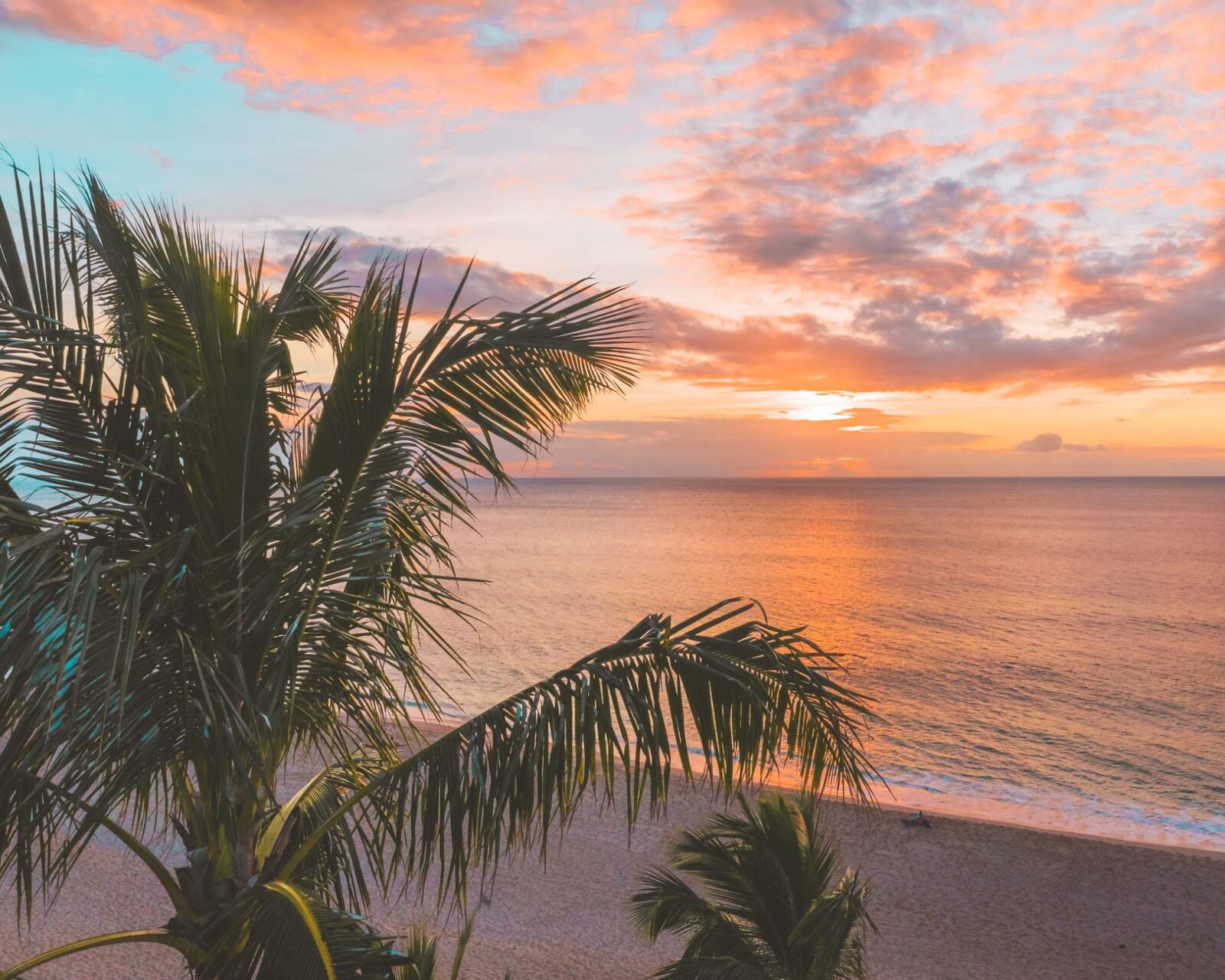
Aruba’s white‑sand beaches and aquamarine water are framed by a steady trade wind that keeps temperatures pleasant year round. The island sits just south of the hurricane belt, so storms rarely disrupt travel plans. Roughly one‑fifth of Aruba’s land is protected within Arikok National Park, offering limestone caves, natural pools and cactus‑studded trails for those who want to explore beyond the shore. Its compact size means visitors can drive from Palm Beach to Eagle Beach in under 30 minutes, making day trips easy.
According to the Aruba Tourism Authority, the island welcomed about 1.5 million overnight guests in 2024, with a significant portion returning for repeat visits. The average length of stay hovers around five to six nights, and tourism contributes roughly 30 % of the island’s gross domestic product. Hotel capacity exceeds 12 000 rooms, ranging from intimate boutiques to expansive all‑inclusive resorts. This mix lets travelers choose a property that matches their pace, budget and desired level of service.
Aruba receives approximately 1.5 million visitors each year.
Luxury with a View: The Ritz‑Carlton, Aruba
Located on the palm‑fringed stretch of Palm Beach, The Ritz‑Carlton offers oceanfront suites with panoramic views of the Caribbean Sea. Nightly rates in the high season typically range from $650 to $850, reflecting its AAA Five Diamond status and personalized service. Each room features modern conveniences such as USB‑C chargers, Lavazza coffee machines and Aruba Aloe bath products, creating a seamless blend of comfort and island charm.
Guests can choose between two infinity pools, a full‑service spa, and a fitness center equipped with state‑of‑the‑art equipment. Dining options include the acclaimed Blanc restaurant, which serves Mediterranean‑inspired dishes, and the casual Lighthouse Bar for sunset cocktails. The resort also provides a kids’ club, concierge‑arranged island tours and direct beach access for water sports such as snorkeling and paddle boarding.
Family Fun All‑Inclusive: Hyatt Regency Aruba Resort Spa and Casino
The Hyatt Regency sits on 15 tropical acres along Palm Beach, a site that opened in 1959 as Aruba’s first large hotel. Today the property offers 399 rooms and suites, multiple swimming pools, a lazy river and a water slide that delight children and adults alike. A dedicated kids’ program (Camp Hyatt) and a teen lounge ensure younger guests have supervised activities throughout the stay.
Its all‑inclusive plan covers breakfast, lunch, dinner, premium beverages, non‑motorized water sports and nightly entertainment, simplifying budgeting for families. Average nightly rates for families range from $420 to $560, depending on room type and season. The resort’s prime location places steps from the Palm Beach promenade, where shops, restaurants and nightlife are readily accessible, and wheelchair‑friendly pathways are provided throughout the grounds.
Romantic Adults‑Only Escape: Bucuti & Tara Beach Resort
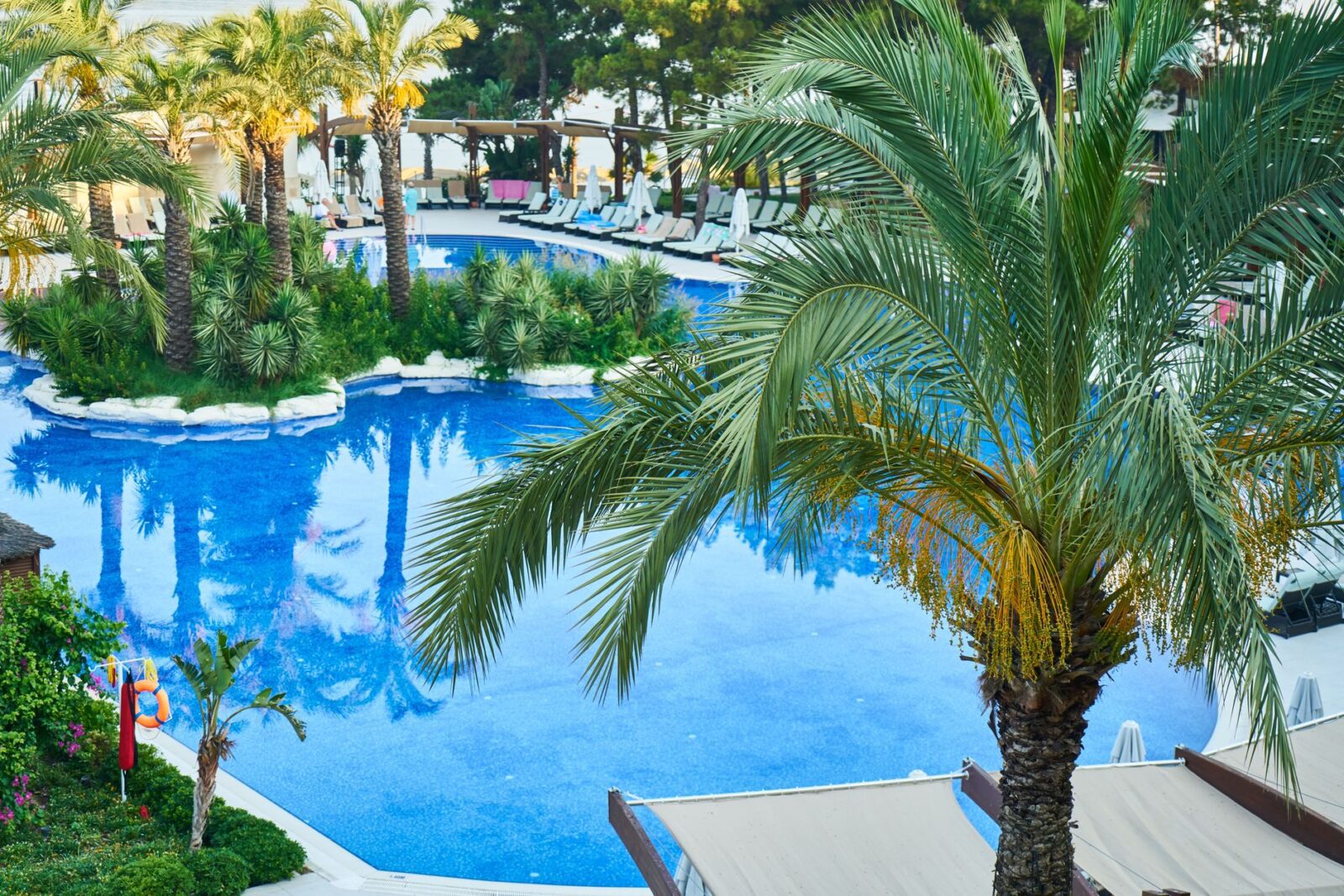
Bucuti & Tara Beach Resort is an adults‑only, eco‑certified property set on the wide sands of Eagle Beach. The resort features 104 suites, each designed with natural materials, private balconies and either garden or ocean views. Sustainability initiatives include solar‑powered water heating, water‑saving fixtures and a strict zero‑single‑use‑plastic policy, earning it Green Globe certification.
Nightly rates typically fall between $500 and $700, reflecting the resort’s focus on tranquility and personalized service. Couples can enjoy private beach dinners, couples’ massages, sunset yoga sessions and farm‑to‑table cuisine at the Elements restaurant. The property’s serene atmosphere and commitment to environmental stewardship make it a frequent top pick for honeymoons and anniversary celebrations.
Boutique Charm Inside a Legacy: The Westerly at Hilton Aruba
The Westerly is a boutique wing within the larger Hilton Aruba Caribbean Resort & Casino, offering 161 rooms with a light, modern aesthetic. Each accommodation includes USB‑C outlets, Lavazza coffee machines and Aruba Aloe toiletries, providing thoughtful touches that appeal to tech‑savvy travelers. Guests enjoy access to the Hilton’s extensive amenities while benefiting from a quieter, more intimate atmosphere.
Rates for The Westerly generally range from $300 to $420 per night, positioning it as a mid‑range option that still delivers resort‑level convenience. Visitors can make use of the Hilton’s five swimming pools, casino, multiple dining venues and nightly entertainment without sacrificing the sense of a personalized stay. The location on Palm Beach ensures easy access to shopping, dining and water‑sport operators.
Historic Grandeur: Hilton Aruba Caribbean Resort & Casino
Opened in 1959, the Hilton Aruba Caribbean Resort & Casino holds the distinction of being the island’s first large hotel, a landmark that has welcomed generations of travelers. Set on 15 acres of palm‑lined beachfront, the property offers 399 rooms and suites, a sizable casino and several dining outlets such as Sunset Grille, Laguna and Sunset Bar.
The resort provides a wide array of recreational facilities, including tennis courts, a fitness center, a full‑service spa and a supervised kids’ program. Average nightly rates fall between $280 and $380, offering solid value for families, groups and conference travelers who appreciate the blend of historic charm, beachfront location and comprehensive amenities.
Emerging Luxury and Eco‑Focus: Manchebo Beach Resort & Spa
Manchebo Beach Resort & Spa sits on the tranquil shores of Eagle Beach, featuring 72 rooms that blend Caribbean comfort with Balinese-inspired design. The property emphasizes wellness, offering a spa, yoga pavilion and an organic garden that supplies fresh herbs and vegetables to its restaurants. Nightly rates typically range from $460 to $620, reflecting its premium positioning.
Guests can opt for a premium all‑inclusive package that includes meals, beverages, selected activities and daily yoga classes. The resort also organizes guided nature walks into Arikok National Park, allowing visitors to experience the island’s rugged interior while maintaining a low environmental footprint. Its commitment to sustainable practices has earned recognition from various eco‑tourism organizations.
Beyond the Beach: Dining, Culture and Arikok National Park
Aruba’s culinary scene is a flavorful mash‑up of Dutch, Caribbean and Latin American influences. Must‑try dishes include keshi yena (a spiced cheese stew), fresh seafood preparations such as red snapper with lime and garlic, and pastechi, a fried pastry filled with meat or cheese. Many hotels partner with local chefs for special pop‑up nights, giving guests a taste of authentic Aruban flavors without leaving the property.
Arikok National Park protects roughly 20 % of the island’s terrain, showcasing limestone caves like Fontein, the natural pool known as Conchi, and trails dotted with divi‑divi trees and cacti. Entrance to the park costs $11 per person, and guided tours provide insight into the island’s geology, Arawak petroglyphs and native flora and fauna. The park’s varied landscapes make it a favorite for hikers, photographers and those interested in Aruba’s natural heritage.
Cultural events punctuate the calendar throughout the year. Carnival, celebrated in January and February, fills the streets with music, dance and elaborate costumes. The weekly Bon Bini Festival offers visitors a chance to sample local dishes, watch traditional dance performances and purchase handmade crafts. The annual Soul Beach Music Festival in May draws international artists and showcases Aruba’s vibrant music scene, with many hotels providing shuttle services to the venue.
Practical Booking Tips and Cost Trends for 2026
The high season in Aruba runs from mid‑December through mid‑April, when average nightly rates are typically 20 % to 30 % above the yearly mean. Shoulder months such as May‑June and September‑November still enjoy abundant sunshine and steady trade winds, yet offer better value for travelers seeking lower prices and fewer crowds.
Booking 60 to 90 days in advance generally secures the most competitive rates, especially when opting for non‑refundable early‑bird discounts that can shave 10 % to 15 % off the standard price. Flexible rates, which allow free cancellation up to 48 hours before arrival, provide peace of mind for those whose plans may shift.
For a mid‑range experience, budgeting $250 to $350 per day covers accommodation, meals, local transportation and moderate activities such as beach equipment rentals or guided tours. Luxury travelers should anticipate $500 to $800 per day to enjoy premium suites, fine dining, spa treatments and private excursions. Budget‑conscious visitors can find guesthouses, apartments or smaller inns for $120 to $180 per day, particularly when staying slightly inland or choosing self‑catering options.
All‑inclusive packages simplify expense tracking by bundling meals, drinks, selected water sports and evening entertainment into a single nightly rate. Comparing the per‑night cost of an all‑inclusive stay to a la carte options—such as paying separately for meals at hotel restaurants or external eateries—helps determine the true value and avoid unexpected charges.
Frequently Asked Questions
What is the best time to visit Aruba for good weather and lower crowds?
The period from late April to early June offers warm temperatures, low rainfall and fewer tourists than the winter high season. September through early November also provides excellent weather with reduced hotel rates, though there is a slight increase in the chance of brief tropical showers. Travelers seeking the absolute driest conditions should aim for February to April, while accepting higher prices and busier beaches.
Are Aruba hotels safe for solo travelers and families?
Aruba enjoys a reputation as one of the safest destinations in the Caribbean, with a low crime rate and a visible police presence in tourist areas. Most resorts operate 24‑hour security, provide in‑room safes and offer well‑lit pathways throughout the property. Solo travelers frequently cite the friendly atmosphere and ease of meeting other guests at hotel bars, pools or organized activities.
Do I need a visa to visit Aruba as a US, EU, or other nationality traveler?
Visitors from the United States, Canada, the European Union, the United Kingdom and many Latin American countries do not require a visa for stays up to 90 days. A valid passport with at least six months’ remaining validity is sufficient for entry. Travelers should check the Aruba Immigration website for the most current requirements based on their nationality, as regulations can change.
How can I experience Aruba’s local culture without leaving the resort?
Many Aruban hotels host weekly cultural nights featuring live music, traditional dance performances and tastings of local specialties such as balchi (fish stew) and funchi (cornmeal side dish). Some properties arrange cooking classes led by resident chefs, where guests learn to prepare dishes like keshi yena or pastechi. Additionally, hotel concierges can organize short guided trips to nearby markets or historic sites such as the Alto Vista Chapel or the California Lighthouse.
What transportation options are available for getting around the island?
Rental cars are the most flexible way to explore Aruba, with numerous international and local agencies operating at Queen Beatrix International Airport and throughout the main hotel districts. Public buses, known as Arubus, run regular routes between Oranjestad, Palm Beach and Eagle Beach at a low fare. Taxis are readily available, and many hotels offer complimentary shuttle services to popular beaches, shopping centers and the airport for added convenience.
Stay informed with the latest travel news, visa updates, and destination guides. Follow HimalayanCrest.com for weekly travel intelligence delivered by our editorial team.