

Groundbreaking Results from England’s First Full Year of Maternal RSV Vaccination
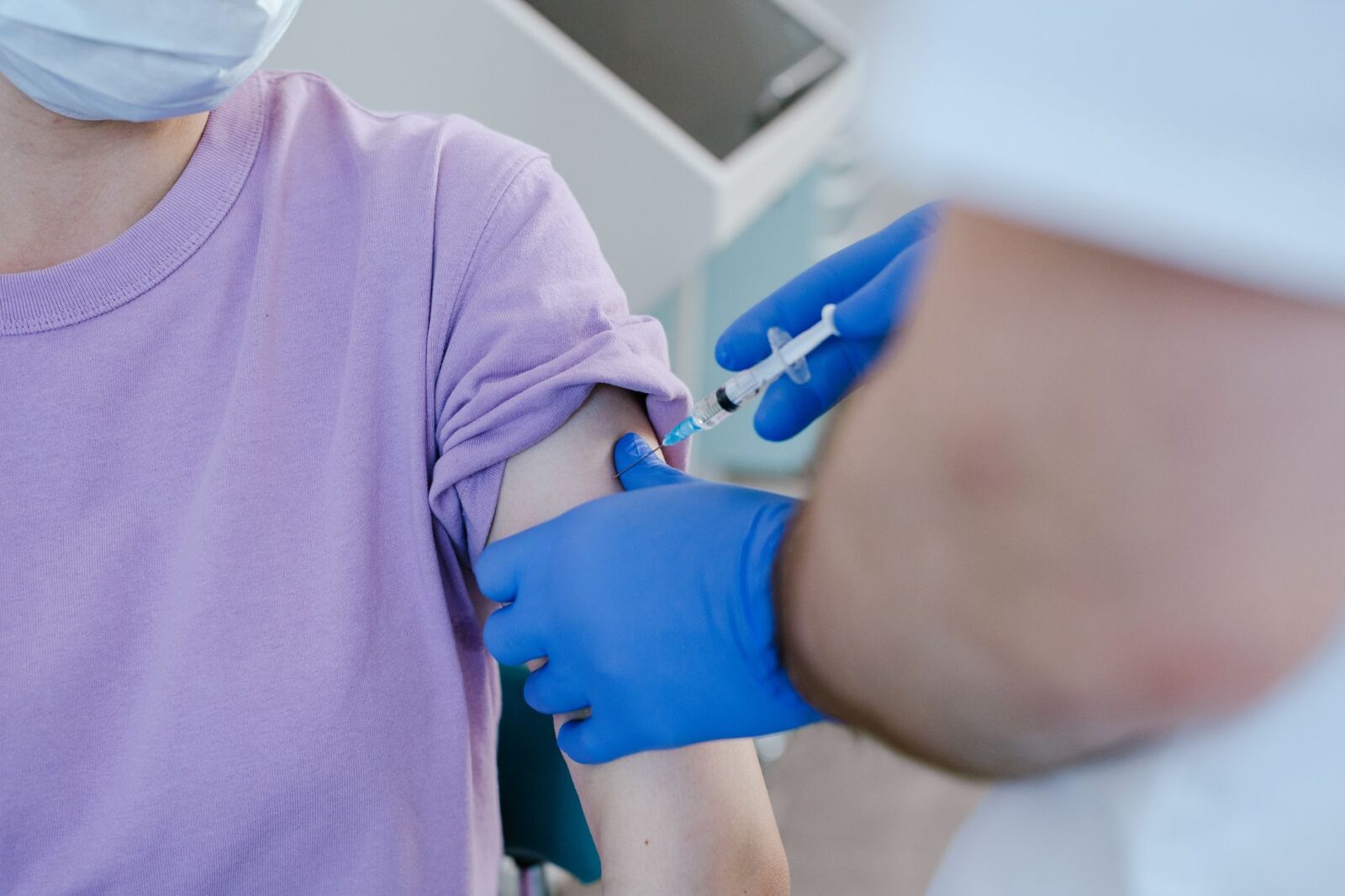
The UK Health Security Agency announced on August 13, 2026, that newborn intensive care admissions for respiratory syncytial virus (RSV) fell by 50% during the 2025-26 season compared to the previous year. This marks the first full year of data since the NHS launched its maternal RSV vaccination programme in September 2024. The decline was observed across 20 NHS trusts participating in the SARI Watch sentinel surveillance system, which tracked infants under six months admitted to intensive care or high-dependency units. In the 2024-25 season, these trusts recorded 131 such admissions; in 2025-26, that number dropped to just 63. Public health officials attribute this sharp reduction directly to the maternal vaccine programme, which offers immunization to pregnant women from 28 weeks gestation to transfer protective antibodies to their newborns.
The timing of the rollout meant that while the programme began in late 2024, its full population impact wasn’t expected until the 2025-26 RSV season, as coverage needed time to build. By February 2026, 61.7% of women giving birth in England had received the RSV vaccine during pregnancy. This level of uptake, while below the ideal target, proved sufficient to drive a significant public health outcome. RSV remains a leading cause of hospitalization in infants globally, particularly in the first months of life when immune systems are immature and airways are small. The virus typically circulates from October to March in temperate regions, peaking in winter months.
How the Maternal RSV Vaccine Works and Who It Protects
The vaccine administered in England’s programme is RSVpreF, a bivalent formulation designed to stimulate immunity against both major subtypes of the virus (RSV-A and RSV-B). When given to pregnant women, it prompts the mother’s immune system to produce neutralizing antibodies that cross the placenta, providing passive immunity to the fetus. This protection is most critical in the first 90 days of life, when infants are too young to mount their own effective immune response and before they can receive active vaccinations. Unlike postnatal monoclonal antibody treatments, which offer short-term protection, maternal vaccination aims to shield babies from birth through their most vulnerable period.
Eligibility is straightforward: all pregnant individuals are offered the vaccine during routine antenatal care from week 28 of gestation onward. There is no cost to recipients, as it is fully covered by the NHS. The vaccine is administered as a single intramuscular dose, typically during a standard prenatal visit. Safety data from clinical trials and real-world monitoring show that adverse events are generally mild and consistent with those seen in other pregnancy vaccines — primarily injection site reactions, fatigue, or mild fever. No safety concerns have emerged that would alter the risk-benefit profile, which strongly favors vaccination given RSV’s potential to cause bronchiolitis, pneumonia, and respiratory failure in newborns.
Global Context: How Other Countries Are Approaching RSV Prevention in Newborns
England’s maternal vaccination strategy is part of a broader international shift toward early-life RSV prevention, though approaches vary by country. The United States approved the same RSVpreF vaccine (marketed as Abrysvo) for maternal use in August 2023, with recommendations from the CDC urging administration between 32 and 36 weeks of pregnancy to maximize antibody transfer while minimizing theoretical preterm birth risks observed in early trials. As of early 2026, approximately 58% of pregnant women in the U.S. had received the vaccine during the 2025-26 season, according to CDC surveillance — a figure comparable to England’s uptake.
Meanwhile, several European nations including Spain, Italy, and Germany have prioritized long-acting monoclonal antibodies like nirsevimab for all newborns, administered shortly after birth. This strategy provides immediate, passive immunity that lasts about five months — covering an entire RSV season. Countries adopting this model report similar reductions in infant hospitalizations, though at a higher per-infant cost. The World Health Organization has noted that both maternal vaccination and infant monoclonal antibodies are effective tools, and the choice between them often depends on healthcare infrastructure, vaccine cold chain capacity, and prenatal care access. In lower-resource settings, maternal vaccination may offer logistical advantages by leveraging existing antenatal networks.

What This Means for Travelers, Expats, and Families Planning Births Abroad
For expatriate families, digital nomads, or international investors considering birth tourism or residency options, the UK’s success with maternal RSV vaccination adds a meaningful factor to healthcare quality assessments. Nations with established maternal immunization programmes may offer stronger protection for newborns against seasonal respiratory threats — a consideration that extends beyond immediate medical care to long-term child development outcomes. Parents-to-be should verify whether their destination country offers maternal RSV vaccination, infant monoclonal antibody prophylaxis, or both, and understand the timing and accessibility of these services.
In the UK, access is universal through the NHS, meaning legal residents — including those on work visas, spouse visas, or indefinite leave to remain — are entitled to the vaccine during pregnancy at no cost. Asylum seekers and those receiving support under Section 95 of the Immigration and Asylum Act 1999 also qualify. Short-term visitors, however, are not covered unless they pay privately, which can cost between £150 and £200 ($190–$250 USD) at private clinics. Travelers planning extended stays or births in the UK should confirm their eligibility with their GP or midwife early in pregnancy. Official guidance is available through the NHS website and the UK Health Security Agency’s RSV vaccination pages.
Investment and Citizenship Implications: Healthcare Quality as a Residency Factor
For high-net-worth individuals evaluating citizenship-by-investment or residency-by-investment programmes, healthcare infrastructure — particularly preventive care for children — is increasingly a deciding factor. While traditional motivations like tax efficiency, travel freedom, and political stability remain paramount, the ability to access cutting-edge maternal and neonatal health services can tip the scales when comparing similar options. The UK’s demonstrated success in reducing infant ICU admissions through a national vaccination programme reinforces its reputation for strong public health outcomes, which may appeal to families prioritizing child safety.
That said, the UK does not currently offer a direct citizenship-by-investment route. Residency pathways such as the Innovator Founder visa or Skilled Worker visa require active economic engagement rather than passive investment. Comparatively, nations like Malta, Portugal (via the D2 or Golden Visa paths, though the latter is restricted), and Cyprus offer residency or citizenship options with varying investment thresholds, and all three have implemented maternal RSV vaccination programmes. Prospective applicants should review each country’s national immunization schedule and prenatal care provisions as part of their due diligence, especially if planning to give birth or raise children abroad.
Challenges and Ongoing Risks: Why Thousands of Babies Remain Vulnerable
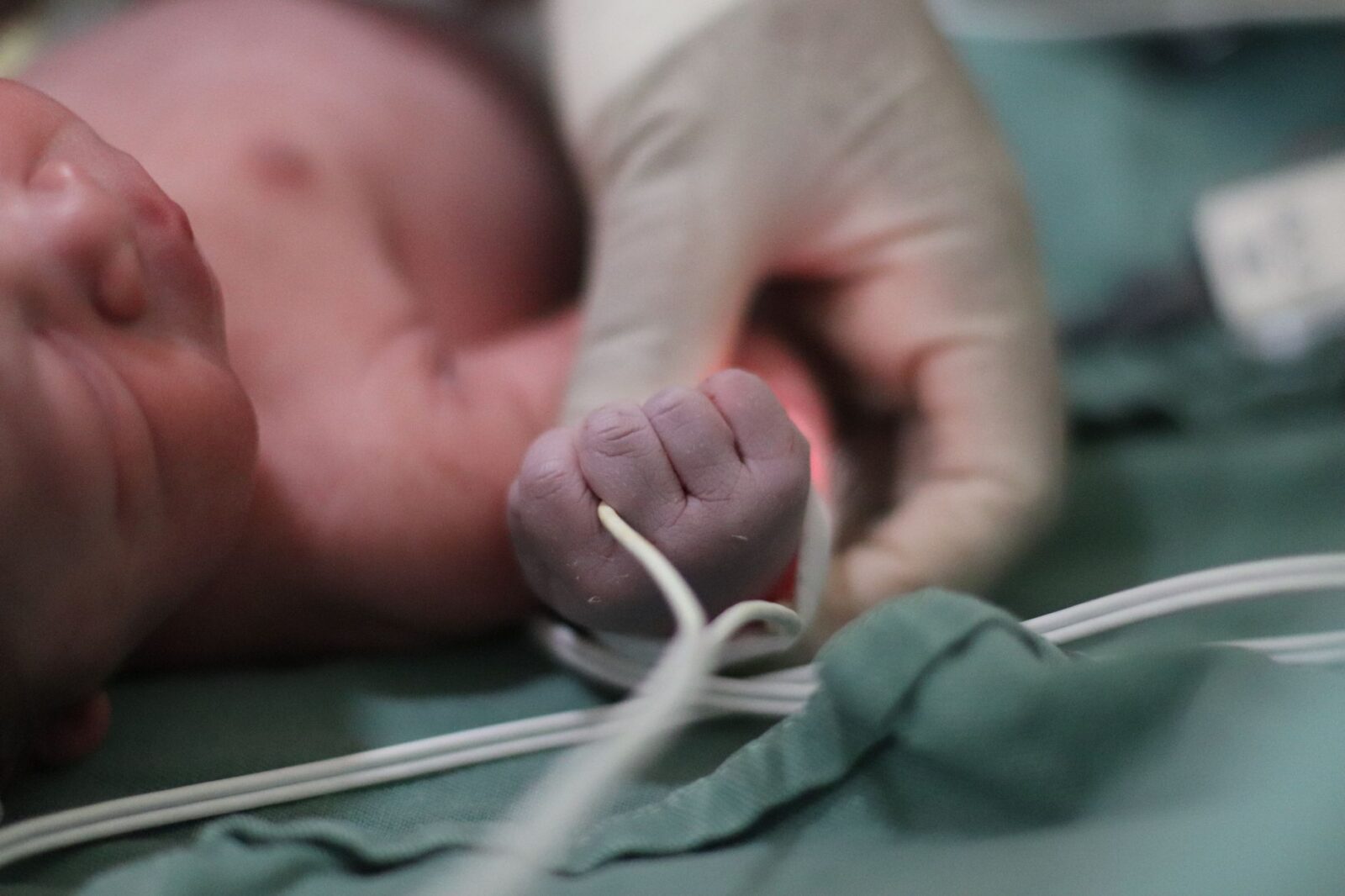
Despite the 50% drop in ICU admissions, UKHSA emphasizes that many thousands of infants remain at risk of severe RSV disease. This is largely due to suboptimal vaccine coverage — while 61.7% of pregnant women were vaccinated in the 2025-26 season, nearly 40% were not. Reasons for non-vaccination include lack of awareness, concerns about vaccine safety during pregnancy (despite strong evidence to the contrary), missed antenatal appointments, or systemic barriers in accessing care. Certain communities, including some minority ethnic groups and those in deprived areas, continue to show lower uptake rates, highlighting the need for targeted outreach.
Additionally, the vaccine does not offer 100% protection. Even among infants born to vaccinated mothers, a small number may still contract RSV, though cases are typically milder. Public health officials stress that maternal vaccination works best as part of a layered defense: combined with good hygiene, avoiding exposure to sick individuals, and prompt medical attention if symptoms like rapid breathing, poor feeding, or lethargy appear. The NHS continues to run awareness campaigns each summer ahead of the RSV season, urging pregnant women to accept the vaccine when offered.
Looking Ahead: The Future of RSV Prevention and Global Policy Trends
The success of England’s maternal RSV vaccination programme is likely to influence policy decisions worldwide. Pharmaceutical companies are already researching next-generation vaccines that could offer longer duration or broader strain coverage. Simultaneously, efforts are underway to improve monoclonal antibody formulations for infants, potentially extending protection beyond five months or enabling dosing in resource-limited settings. The WHO has convened expert groups to develop guidance on optimizing the use of both strategies, particularly in countries where neither is yet universally available.
For travelers and expats, staying informed about RSV prevention options in host countries is becoming as routine as checking vaccination requirements for yellow fever or typhoid. Those planning pregnancies abroad should consult official sources such as their destination’s ministry of health, the CDC’s Travelers’ Health section, or the European Centre for Disease Prevention and Control (ECDC) for up-to-date recommendations. As more nations adopt maternal or infant-focused RSV prophylaxis, the global burden of this common but potentially severe childhood infection may finally begin to decline — offering greater peace of mind to families across borders.
Stay informed with the latest travel news, visa updates, and destination guides. Follow HimalayanCrest.com for weekly travel intelligence delivered by our editorial team.