


Understanding the CDC’s Level 2 Polio Travel Notice
The Centers for Disease Control and Prevention (CDC) has updated its Travel Health Notice for poliovirus to Level 2, meaning travelers should practice enhanced precautions. This change, announced in mid‑September 2026, expands the list of destinations where poliovirus has been detected in humans or environmental samples within the past 13 months. The notice now covers 29 nations, ranging from long‑standing endemic zones in Africa and Asia to several European countries that have recently reported environmental detections. For anyone planning international travel, the update signals a need to verify vaccination status and consider a booster dose if appropriate.
Level 2 does not prohibit travel but recommends that adults who completed the childhood polio vaccine series receive a single lifetime booster before visiting the listed countries. The CDC emphasizes that the booster is especially important for those who will have close contact with local communities, work in healthcare settings, or stay for extended periods. Travelers are also reminded to maintain good hand hygiene, as the virus spreads primarily through fecal‑oral transmission.
Which Countries Are Currently Affected
According to the CDC’s latest update, the Level 2 list includes Afghanistan, Algeria, Benin, Cameroon, Chad, Côte d’Ivoire (Ivory Coast), Democratic Republic of the Congo, Niger, Nigeria, Pakistan, Somalia, and several additional nations in Africa and Asia. Notably, the advisory now adds European destinations such as Germany, the United Kingdom, France, Italy, and Spain, reflecting recent environmental sampling that detected poliovirus in wastewater systems. The full list, which the CDC refreshes regularly, can be viewed on their Travelers’ Health website.
A map accompanying the notice shows clusters of activity in West Africa, the Horn of Africa, and parts of South Asia, with isolated detections in Western Europe. The presence of the virus in environmental samples does not necessarily indicate widespread community transmission, but it triggers the enhanced precaution recommendation to prevent re‑establishment of the virus. Travelers should check the specific country pages for any additional entry requirements, such as proof of vaccination.
Who Needs to Take Action
The Level 2 recommendation applies to all international travelers regardless of nationality, but certain groups face higher exposure risk. Aid workers, missionaries, researchers, and individuals visiting friends or relatives in affected areas are advised to prioritize vaccination checks. Business travelers attending conferences or short‑term meetings in cities like Berlin or London should also verify their immunity, especially if they plan to use public transportation or visit crowded venues.
Digital nomads who intend to stay longer than a few weeks in a Level 2 country, as well as retirees planning extended visits to family in South Asia or Africa, fall into the same category. Likewise, investors exploring residency or citizenship options in nations such as Portugal, Malta, or the UAE are not directly affected unless their travel itinerary includes a stop in a listed country. However, anyone transiting through an affected airport for a layover exceeding 12 hours should consider the booster as a precaution.
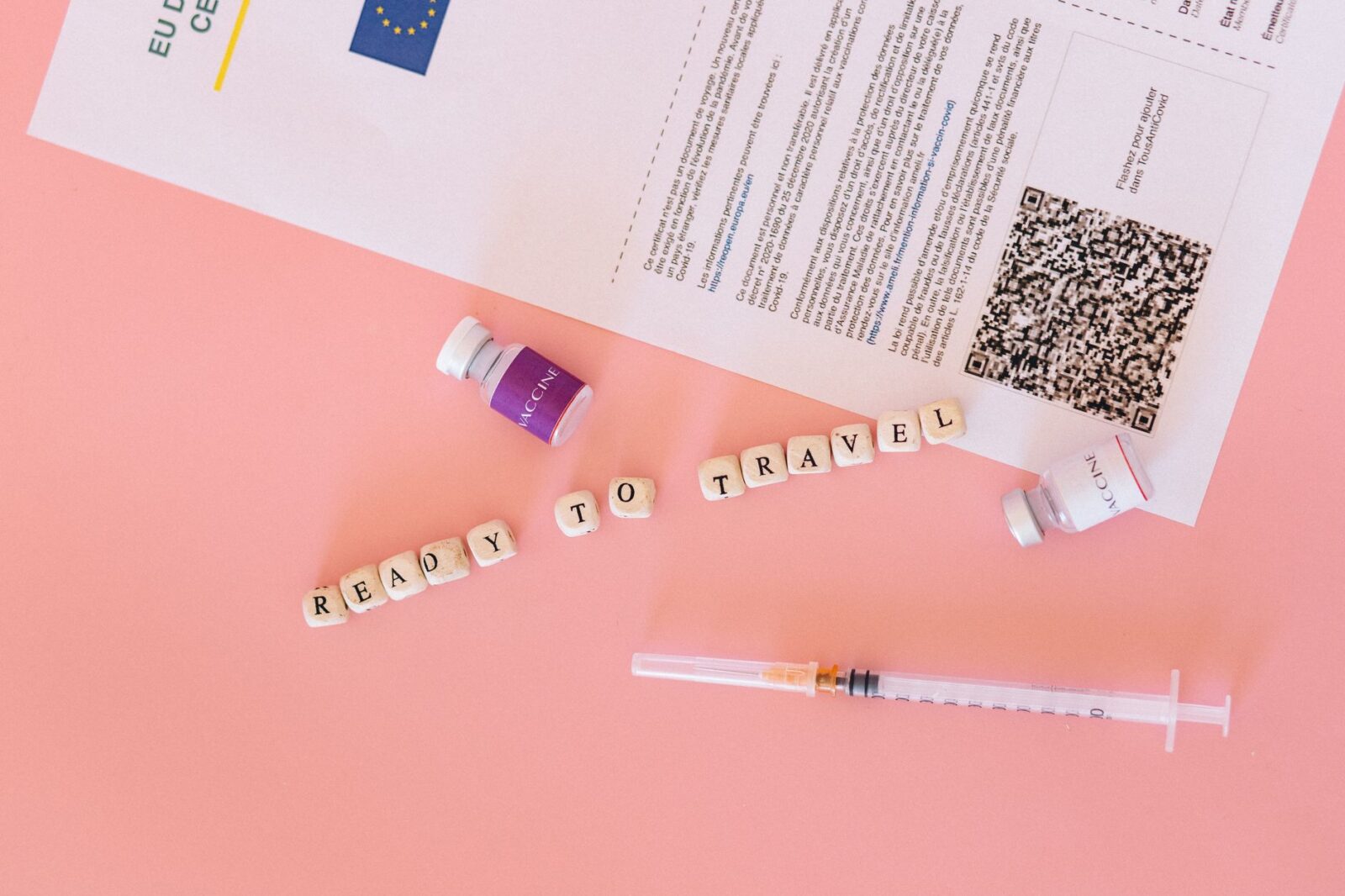
Step‑by‑Step Guidance for Travelers
First, review your immunization record. If you received the inactivated polio vaccine (IPV) series as a child, you are considered fully vaccinated. The CDC advises that adults who completed this series may receive a single booster dose of IPV if traveling to a Level 2 destination. Locate your vaccination card or request a copy from your healthcare provider.
Second, schedule a visit to a travel clinic, primary care physician, or pharmacy that offers IPV. In the United States, many insurance plans cover the booster as preventive care; out‑of‑pocket costs typically range from $50 to $100 USD. Bring your travel itinerary to the appointment so the clinician can confirm the need for a booster based on destination and duration of stay.
Third, after receiving the booster, keep the updated vaccination record with your passport. Some countries may request proof of polio vaccination upon entry, especially if you are arriving from a region with known virus circulation. Finally, practice routine hygiene: wash hands with soap and water after using the restroom, before eating, and after touching surfaces in public areas. Alcohol‑based hand sanitizers are less effective against non‑enveloped viruses like poliovirus, so handwashing remains the best practice.
How the Booster Vaccine Works and Where to Get It
The inactivated polio vaccine (IPV) used for booster doses contains killed strains of all three poliovirus types. It stimulates the immune system to produce antibodies without any risk of causing vaccine‑derived poliovirus. A single booster restores immunity that may have waned over decades, providing protection for at least another 10 years according to longitudinal studies.
In addition to travel clinics, many national health services offer the booster free of charge to citizens traveling abroad. For example, the UK’s National Health Service provides IPV boosters through general practitioners for travelers to Level 2 countries, while Canada’s provincial health plans cover the vaccine for eligible residents. In the European Union, cross‑border vaccination agreements allow residents to receive the shot in any member state and have it reimbursed by their home country.
If you reside in a low‑income setting where IPV is not routinely stocked, international organizations such as WHO and UNICEF sometimes organize vaccination campaigns at border points. Travelers should consult the embassy or consulate of their destination country for the most accurate, up‑to‑date information on vaccine availability and any entry‑related requirements.

Impact on Specific Traveler Groups
For investors seeking residency through real‑estate or business visas, the polio advisory rarely changes the core eligibility criteria, but it may affect the timing of relocation trips. A prospective investor planning to view properties in Lagos, Nigeria, or Karachi, Pakistan, should obtain the booster before the site visit to avoid delays or health‑related quarantine concerns. Similarly, individuals applying for citizenship‑by‑investment programs in the Caribbean that require a short stay in a European transit hub may need to consider the booster if their itinerary includes a layover in Germany or the UK.
Digital nomads who rely on coworking spaces in cities like Berlin or Lisbon should verify that their health insurance covers the booster and any potential medical care related to polio exposure. Many nomad‑friendly insurance providers now list the IPV booster as a covered preventive service for travelers to Level 2 destinations. Retirees visiting grandchildren in South Asia or Africa often stay for several months; the booster offers peace of mind and reduces the risk of inadvertently importing the virus back to their home country.
Finally, humanitarian workers and volunteers heading to refugee camps in Chad or the Democratic Republic of the Congo are frequently required by their sponsoring agencies to show proof of recent polio vaccination. Employers may even cover the cost of the booster as part of pre‑departure health preparations, recognizing that a healthy workforce is essential for mission success.
Comparison with Other Countries’ Polio Policies
While the CDC’s Level 2 notice focuses on enhanced precautions, some nations impose stricter entry rules. Australia, for instance, requires travelers arriving from countries with wild poliovirus circulation to present an International Certificate of Vaccination or Prophylaxis (ICVP) showing a dose of oral polio vaccine (OPV) or IPV given within the last 12 months. Failure to provide this certificate can result in denial of entry or mandatory vaccination upon arrival.
The United Arab Emirates follows a similar approach, mandating proof of polio vaccination for visitors from Afghanistan and Pakistan, with the certificate needing to be issued no more than six months prior to travel. In contrast, the Schengen Area does not currently require polio vaccination for entry, relying instead on traveler self‑declaration and routine surveillance. This divergence means that a traveler who complies with the CDC booster recommendation will satisfy most entry requirements, but those heading to Australia or the UAE should verify the specific certificate format and timing.
These differences highlight the importance of checking both the CDC guidance and the entry regulations of your final destination. Travelers who obtain a booster and retain the vaccination record will be well positioned to meet the majority of global polio‑related requirements.
Frequently Asked Questions
Do I need a booster if I was vaccinated as a child?
Yes. The CDC recommends a single lifetime booster dose of IPV for adults who completed the childhood polio vaccine series before traveling to any Level 2 destination. This booster addresses potential waning immunity and ensures optimal protection during your trip.
How much does the booster cost and is it covered by insurance?
In the United States, the out‑of‑pocket price for an IPV booster typically ranges from $50 to $100 USD. Most private insurance plans and Medicare Part B cover the vaccine as preventive care when administered for travel purposes. Check with your provider for exact coverage details.
Can I receive the booster in my home country if I am not a citizen?
Many countries allow non‑residents to receive vaccinations at travel clinics or public health offices for a fee. Some national health services, such as the UK’s NHS, provide the booster free of charge to anyone registered with a general practitioner, regardless of citizenship, as long as the travel purpose is legitimate. Contact local health authorities for eligibility and pricing.
What documentation will I need to show at the border?
Carry your updated vaccination record, ideally the International Certificate of Vaccination or Prophylaxis (ICVP) issued by the clinic that administered the booster. Some countries accept a simple copy of your immunization record, but the ICVP is the most widely recognized form of proof.
Does the booster protect against all strains of poliovirus?
The inactivated polio vaccine used for boosters contains killed strains of all three poliovirus types (type 1, type 2, and type 3). It provides broad protection against both wild and vaccine‑derived poliovirus strains that may be circulating in the listed countries.
Conclusion and Next Steps
The CDC’s elevation of polio alerts to Level 2 for 29 countries underscores the interconnected nature of global health and travel. By verifying your vaccination status, obtaining a booster if advised, and practicing diligent hand hygiene, you protect not only yourself but also the communities you visit. We encourage you to share your experiences or questions in the comments below—your insights help fellow travelers stay informed and safe. If you found this guide useful, please consider sharing it on social media or with anyone planning an international trip in the coming months.
Stay informed with the latest travel news, visa updates, and destination guides. Follow HimalayanCrest.com for weekly travel intelligence delivered by our editorial team.