


American Airlines CEO Calls for Urgent Action to Bridge Profit Disparity
On August 10, 2026, American Airlines CEO Robert Isom sent an internal memo to company leaders acknowledging a “meaningful gap” between the airline’s current performance and its potential, signaling a decisive push to improve profitability amid intensifying competition. The memo, later reported by Skift and corroborated by multiple industry sources, outlines a sweeping reorganization of the C-suite designed to close a financial disparity that has seen American lag behind rivals Delta Air Lines and United Airlines in key performance metrics. Isom framed the changes not as routine adjustments but as essential steps to unlock the airline’s full potential in a post-pandemic travel market where operational efficiency and customer experience are increasingly decisive.
The announcement comes at a critical juncture for the Fort Worth-based carrier. Industry analysts have long noted that while American operates the world’s largest fleet by seat-miles, it has consistently trailed Delta and United in profit margins, particularly in premium cabin revenue and ancillary income streams. Delta, for instance, has leveraged its partnership with American Express to generate over $5 billion annually in co-branded credit card revenue—a stream American has struggled to match despite its extensive domestic network. United, meanwhile, has gained ground through strategic investments in airport lounges and international route profitability. Isom’s memo directly addresses these disparities, stating that the leadership overhaul is intended to drive “specific operational or financial changes” in the near term.
Key Executive Moves Signal Shift Toward Commercial and Operational Integration
The leadership restructuring involves expanded roles for several current executives, strategic new hires, and the departure of three senior officials. Chief Customer Officer Heather Garboden will now oversee reservations, contact centers, service recovery, and catering, reporting solely to Chief Commercial Officer Nat Pieper—a change from her previous dual reporting structure to both Pieper and Chief Operating Officer David Seymour. This shift aims to create a more unified commercial front by aligning customer-facing functions under a single commercial strategy umbrella, potentially improving coordination between ticket sales, service delivery, and revenue management.
In a significant external hire, American has brought on John Bendoraitis, former Chief Operating Officer of Spirit Airlines, to lead technical operations. Bendoraitis’s experience at the ultra-low-cost carrier, known for its tight operational control and cost discipline, suggests American is seeking to adopt more rigorous maintenance, aircraft turnaround, and fleet management practices. Pieper’s portfolio has also been expanded to include marketing, brand advertising, and partnerships, consolidating brand strategy and revenue-generating initiatives under one leader. These moves reflect a broader industry trend where airlines are breaking down silos between commercial, operations, and customer service teams to improve responsiveness and profitability.
Context: American’s Profit Gap Reflects Broader Challenges in U.S. Aviation
The “meaningful gap” Isom referenced is not merely rhetorical. Financial disclosures and industry analyses indicate that American’s operating margin has lagged Delta’s by approximately 3 to 5 percentage points in recent quarters, translating to a profit disparity exceeding $3 billion annually. While American generates higher total revenue than Delta due to its larger domestic footprint, Delta’s superior margin performance stems from a combination of factors: stronger premium cabin yield, more effective loyalty program monetization, and disciplined cost control in areas like maintenance and crew scheduling.
This performance divergence mirrors wider trends in global aviation, where full-service carriers are under pressure to differentiate beyond route networks. Airlines in Asia and the Middle East, such as Singapore Airlines and Qatar Airways, have long led in customer experience innovation, while U.S. carriers have increasingly focused on segmentation—offering differentiated products like Delta’s Premium Select or United’s Polaris to capture high-value travelers. American’s efforts to revamp its Admirals Club lounges and invest in new wide-body aircraft interiors, as mentioned in earlier CEO comments to CNBC, are part of this strategy. However, execution has been inconsistent, and the leadership shakeup suggests Isom believes organizational structure has hindered progress.
What Travelers Might Notice: Service Changes and Investment Priorities
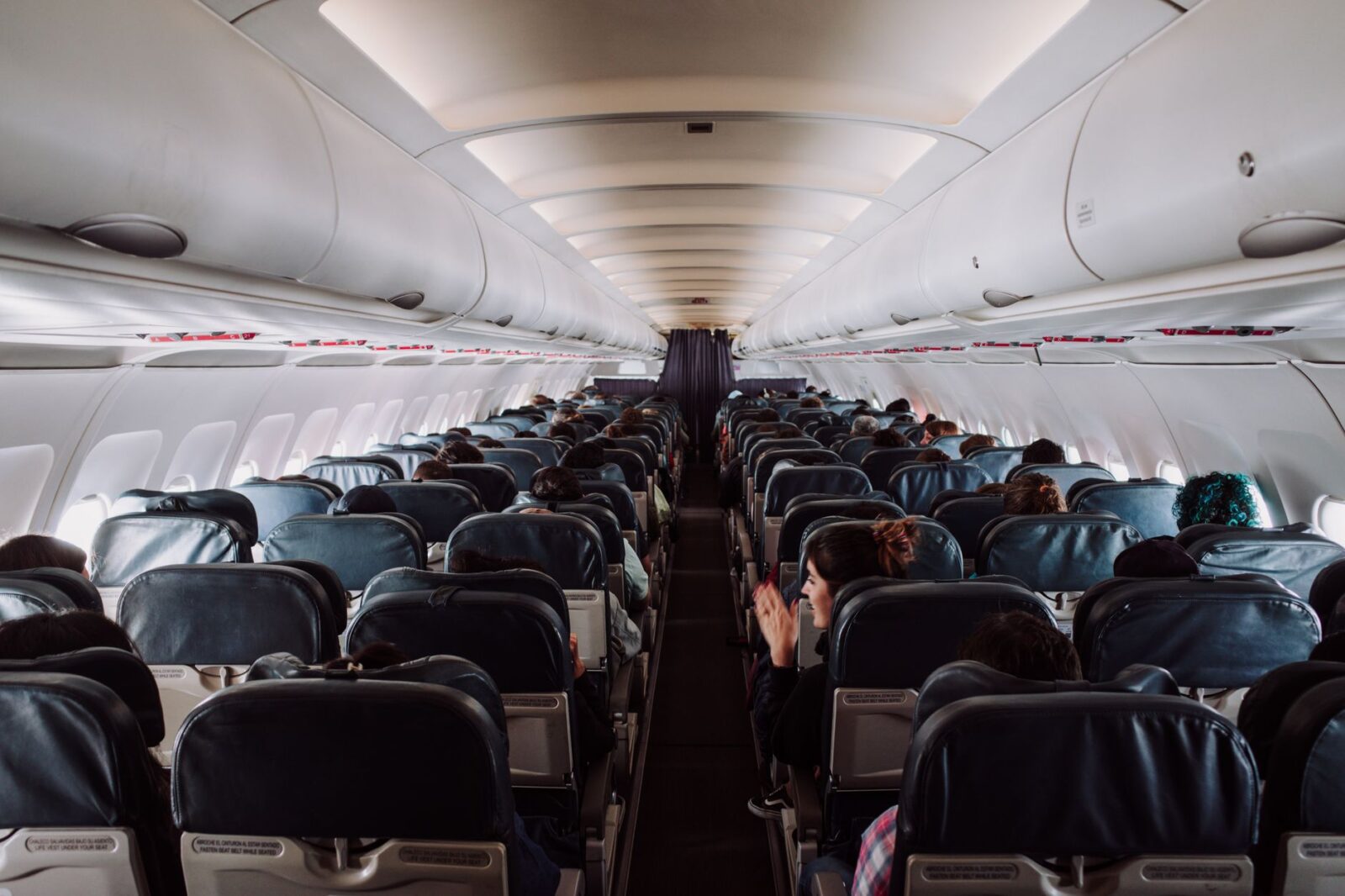
For travelers planning flights on American Airlines in the coming months, the leadership changes could manifest in several tangible ways. One immediate area of focus is likely to be service recovery—how the airline handles delays, cancellations, and passenger complaints. With Garboden now overseeing both customer service and catering, there may be a renewed emphasis on resolving disruptions quickly and improving meal quality, particularly on long-haul routes where dissatisfaction has historically been higher. Passengers might see faster refund processing, more proactive rebooking during irregular operations, and enhanced communication during delays.
On the product front, American’s continued investment in airport lounge upgrades and aircraft interior refurbishments is expected to proceed, potentially accelerating under the new commercial structure. Travelers flying internationally from hubs like Dallas/Fort Worth, Miami, or New York JFK may encounter newer lie-flat seats, improved bedding, and upgraded dining options in business class as the airline seeks to compete more directly with Delta’s Delta One suites and United’s Polaris cabins. However, these improvements will likely be rolled out gradually, prioritizing high-revenue routes first.
Cost Implications: No Immediate Fare Changes, But Value Shifts Possible
Despite the internal reorganization, travelers should not expect immediate changes to ticket prices or fee structures as a direct result of the leadership shakeup. American’s pricing strategy remains driven by demand, fuel costs, and competitive matching—particularly on domestic routes where low-cost carriers exert significant pressure. However, the renewed focus on profitability could lead to subtle shifts in how value is distributed across fare classes. For example, the airline may become more aggressive in restricting certain amenities to higher fare buckets or dynamically pricing extras like seat selection and baggage based on real-time demand.
Loyalty program members should watch for potential adjustments to AAdvantage earning rates or redemption thresholds, especially if American seeks to mirror Delta’s SkyMiles model, which ties elite status more closely to credit card spending than flight activity. While no such changes have been announced, industry experts note that airlines undergoing profit-driven transformations often reevaluate loyalty economics to incentivize high-value behaviors. Travelers who rely on miles for award bookings may want to monitor updates closely over the next 6 to 12 months.
Union Relations and Operational Stability Remain Key Variables
The leadership overhaul coincides with ongoing labor tensions, particularly a recent no-confidence vote among flight attendants represented by the Association of Professional Flight Attendants (APFA). While the memo does not directly address union relations, the consolidation of service recovery and customer service under Garboden could signal an intent to streamline conflict resolution during disruptions—a frequent pain point in crew-passenger interactions. How effectively the new structure addresses frontline employee concerns will be critical to maintaining operational reliability.
Industry analysts caution that organizational changes alone cannot close the profit gap without parallel improvements in execution. American’s success will depend on whether the new reporting lines translate into faster decision-making, better cross-departmental accountability, and measurable gains in on-time performance, completion rates, and customer satisfaction scores. Early indicators to watch include quarterly operational reports and customer feedback trends, particularly in markets where American directly competes with Delta and United, such as New York-Los Angeles or Chicago-London.
Broader Industry Implications: A Signal for U.S. Carriers to Prioritize Execution
American’s leadership shakeup reflects a growing recognition among U.S. legacy carriers that structural advantages like hub dominance or fleet size are no longer sufficient to guarantee profitability. In an era where travelers compare airlines not just on price but on reliability, comfort, and service recovery, operational excellence has become a key differentiator. The move may prompt similar reviews at other carriers, especially those struggling to convert scale into consistent margins.
For the global travel ecosystem, the outcome matters beyond American’s balance sheet. As one of the three largest U.S. carriers—and a major player in transatlantic and Latin American markets—American’s performance affects connectivity, pricing, and service standards for millions of international travelers. A stronger American could increase competitive pressure on Delta and United to innovate further, ultimately benefiting passengers through better options and improved service quality across the network.
What Travelers Should Do Now: Stay Informed and Flexible
For those booking flights in the near term, the best approach remains informed flexibility. Monitor flight status closely using American’s app or third-party tracking tools, especially during peak travel periods or weather-prone seasons. Consider purchasing travel insurance that covers trip delays and interruptions, given the potential for operational adjustments during the transition period. When comparing fares, look beyond base price to evaluate total value—including baggage fees, seat selection costs, and change flexibility—particularly if your trip involves multiple segments or international connections.
Loyalty members should ensure their contact information is up to date in the AAdvantage system to receive any program updates directly. If you hold elite status or are close to qualifying, consider whether earning through partner activities or credit card spending might offer more predictable paths to maintenance or advancement under potential future changes. Above all, remember that while leadership changes signal intent, real impact is measured in sustained improvements in on-time departures, baggage handling, and customer satisfaction—metrics that ultimately determine whether the “meaningful gap” begins to close.
Stay informed with the latest travel news, visa updates, and destination guides. Follow HimalayanCrest.com for weekly travel intelligence delivered by our editorial team.