

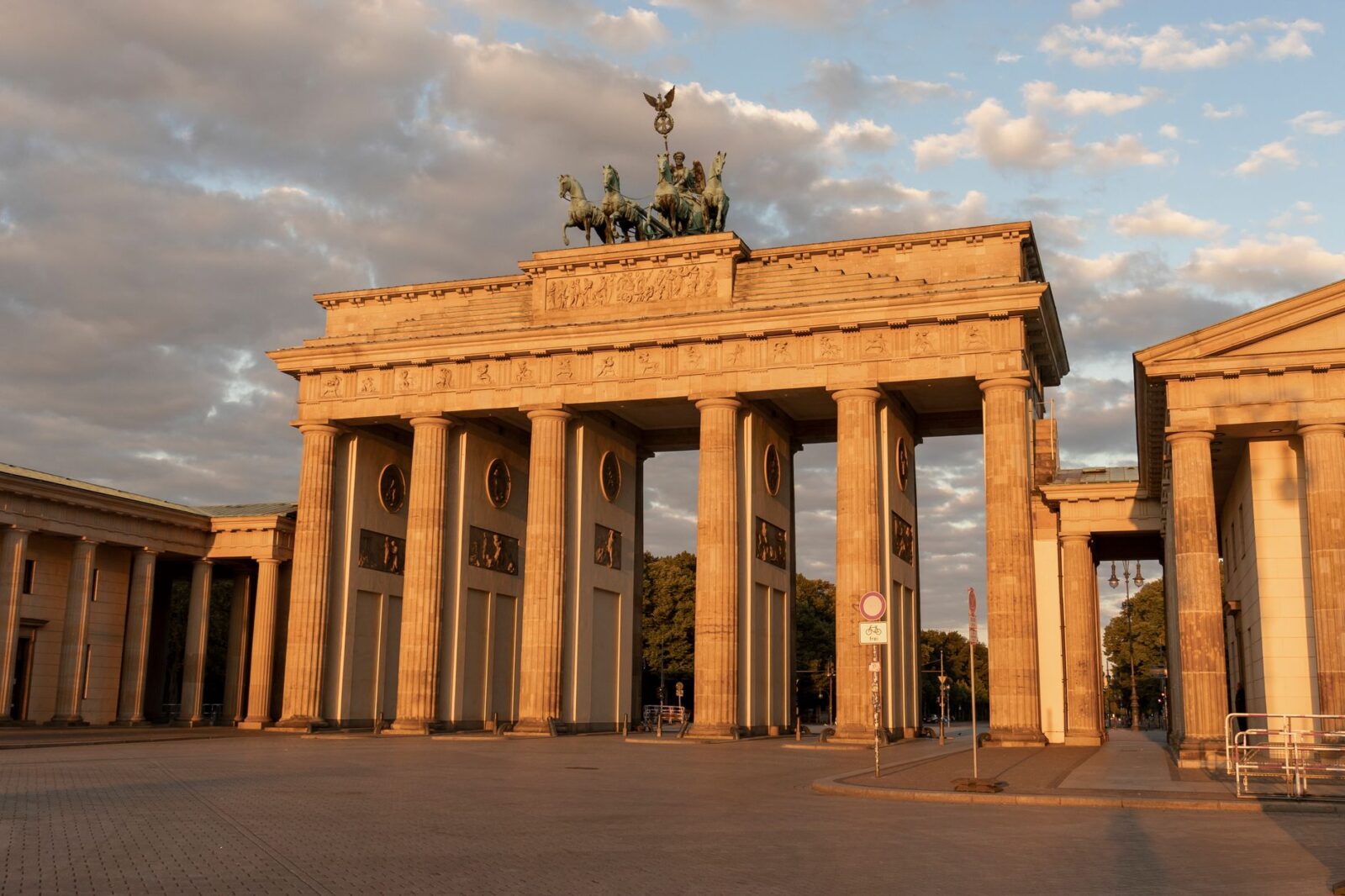
Germany’s Tourism Surge: Over 2% Growth Signals Strong Recovery
Recent data shows that inbound tourism to Germany increased by more than two percent in the latest reporting period, marking a clear upward trend after several years of fluctuation. This growth reinforces Germany’s standing as the world’s third-largest travel and tourism market, a position supported by a sector contribution of approximately $487.6 billion to the nation’s gross domestic product. Germany also remains the eighth-most-visited country globally, welcoming millions of international guests each year who come for its cities, countryside and cultural heritage. The latest figures indicate that the recovery is not merely a rebound but a sign of sustained momentum driven by targeted strategies and renewed traveler confidence across Europe.
The upward trajectory comes at a time when broader European travel sentiment is showing resilience, with surveys indicating that a large share of respondents plan to take trips within the next tourism cycle. Analysts note that the combination of stable economic conditions, improved air connectivity and effective destination marketing has created a favorable environment for tourism growth. Germany’s ability to attract visitors from both traditional markets and emerging sources has helped offset pressures from industrial sectors, demonstrating the sector’s role as a stabilizer for the national economy. As a result, policymakers and industry stakeholders are increasingly viewing tourism as a key pillar of economic resilience.
What’s Driving the Increase? Smart Strategies, Culture, Innovation
Germany’s National Tourist Office highlights several factors that have shaped demand over the past year, chief among them being smart marketing campaigns that emphasize the country’s diverse cultural offerings and innovative travel products. Officials point to the success of affordable short-break packages from Germany and Austria, which have proven especially popular with couples looking for a relaxed escape ahead of Valentine’s weekend. These targeted offers combine convenience with value, encouraging repeat visits and longer stays in secondary cities and rural areas.
Beyond short breaks, the tourism strategy has increasingly focused on diversifying the product mix to include rural tourism, cultural experiences and niche markets such as cycling tours, wellness retreats and culinary journeys. By promoting regions beyond the major metropolitan hubs, Germany has been able to spread visitor flows more evenly across the country, reducing overcrowding in hotspots while bringing economic benefits to smaller communities. This approach also helps mitigate the impact of industrial fluctuations, as tourism revenue becomes less dependent on any single sector.
Innovation plays a supporting role, with investments in digital services, sustainable infrastructure and personalized travel planning tools enhancing the visitor experience. Examples include multilingual mobile apps that provide real-time information on public transport, museum openings and local events, as well as initiatives that promote eco-friendly accommodations and carbon-neutral travel options. Together, these elements create a compelling proposition for modern travelers who seek authenticity, convenience and responsibility in their journeys.
Indian Market Momentum: Key Contributor to Inbound Tourism
One of the most notable contributors to Germany’s recent growth has been the rising number of visitors from India. According to the latest available data, Indian guests recorded 51,666 overnight stays in Germany during December 2023, reflecting a year-on-year increase of 2.2 percent compared to the same month in 2022. This upward trend has been observed throughout the year, positioning India as an increasingly important source market for German inbound tourism.
The growth from India can be attributed to several practical factors, including expanded flight connections between major Indian cities and German hubs such as Frankfurt, Munich and Berlin. Targeted promotional activities by the German National Tourist Office in India have also raised awareness of attractions ranging from historical castles and museums to technology centers and culinary scenes. Additionally, the appeal of Germany’s education and research opportunities has encouraged longer stays among students and professionals, further boosting overnight counts.
As Indian travelers continue to explore Europe, their spending patterns tend to favor cultural experiences, shopping and dining, which aligns well with Germany’s strengths in these areas. Industry observers note that maintaining this momentum will require continued investment in air routes, visa facilitation and tailored marketing that speaks directly to Indian travel preferences. The result is a virtuous cycle where increased visitation supports both economic growth and deeper cultural exchange between the two nations.
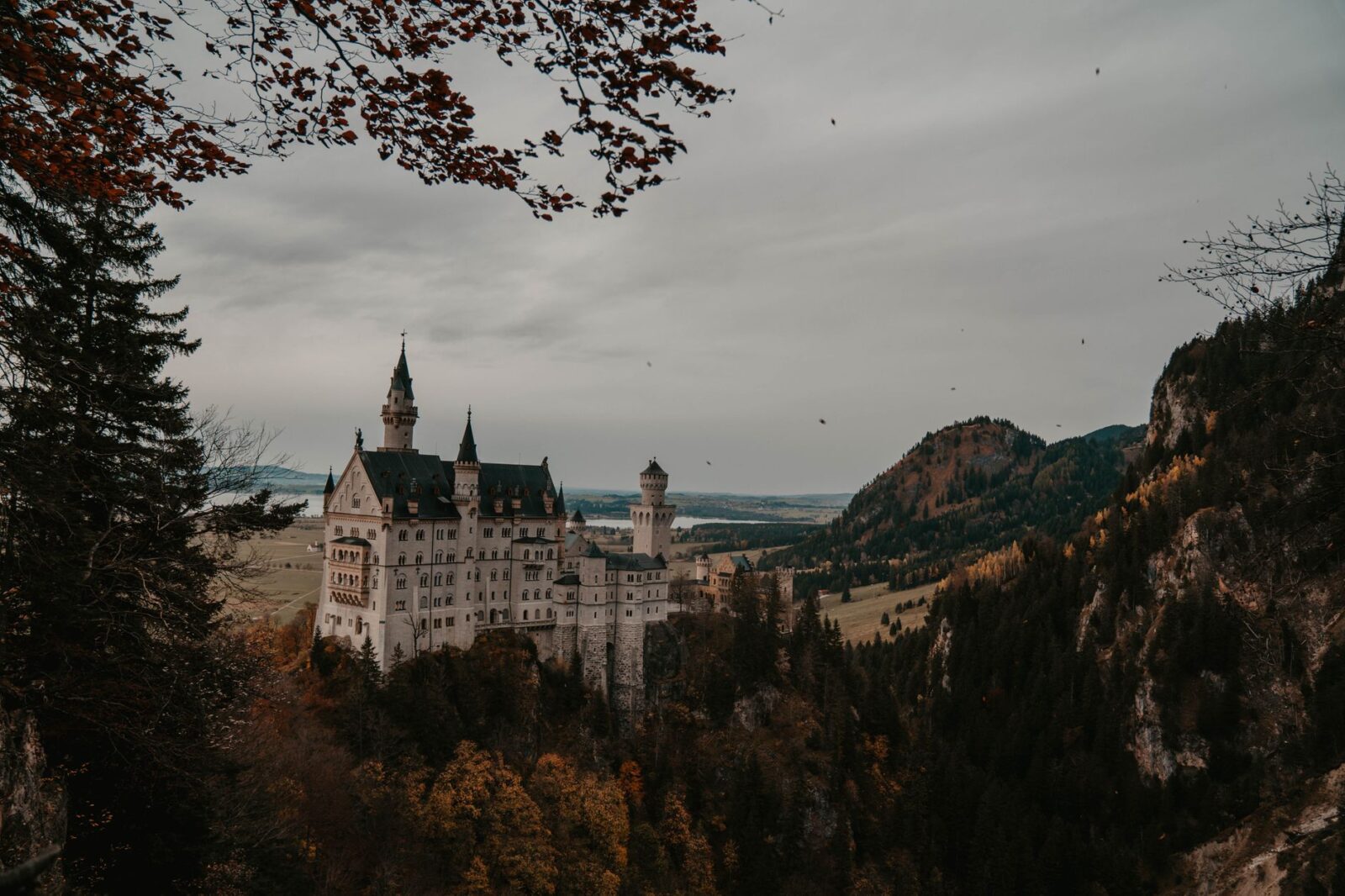
Regional Ripple Effects: German Travelers Boosting Greece and Beyond
Germany’s tourism resurgence is not confined to its own borders; it is also generating noticeable spillover effects for neighboring and Mediterranean destinations. In 2026, over two million German tourists traveled to Greece, a significant increase despite concurrent recoveries in other regions such as Egypt. This surge underscores the willingness of German travelers to seek out destinations that offer a combination of cultural richness, favorable pricing and reliable infrastructure.
Analysts suggest that the primary driver behind the increase in German visitation to Greece is the relative stability of prices in the Greek market, which has remained more predictable compared to rising costs in alternative Southern European locations. For budget-conscious travelers, Greece’s ability to maintain competitive accommodation, food and activity prices makes it an attractive option for both short breaks and extended holidays. The trend is further supported by strong air links between German cities and Greek islands, as well as by promotional packages that highlight sun, sea and heritage.
The positive spillover extends beyond Greece to other countries that benefit from German outbound travel, including Croatia, Austria and the Czech Republic. These destinations have reported upticks in German visitor numbers, particularly in the shoulder seasons when travelers look for milder weather and lower crowds. By distributing tourism flows across a wider geographic area, Germany’s growing outbound market helps to alleviate pressure on individual hotspots while contributing to regional economic development.
Europe-Wide Travel Confidence: Broader Trends Supporting Growth
The momentum observed in Germany fits within a larger pattern of strengthening travel confidence across the European continent. Surveys conducted by industry groups indicate that a clear majority of respondents in multiple countries now plan to take at least one leisure trip within the next twelve months, citing improved health security, economic stability and a renewed desire for cultural exploration. This shift in sentiment has translated into measurable increases in hotel occupancy, airline bookings and tourism-related employment.
Specific data points illustrate the breadth of this recovery. In France, non-resident hotel attendance rose by 2.9 percent in the early part of 2026, with visitors from Germany and the United Kingdom leading the charge. German arrivals to French hotels increased by 8.7 percent, while UK visitors showed an 8.2 percent rise compared to the same period the previous year. These figures highlight the interconnected nature of European tourism, where growth in one market often stimulates demand in neighboring countries.
Looking at the broader picture, the European Travel Commission has noted that the region’s tourism outlook is now more optimistic than it has been since before the pandemic, with projected growth rates in the range of three to four percent annually for the next two years. This outlook is underpinned by factors such as sustained investment in tourism infrastructure, the expansion of sustainable travel offerings and the continued appeal of Europe’s diverse cultural and natural assets. For travelers, this means more options, better value and a higher likelihood of finding experiences that match their interests.
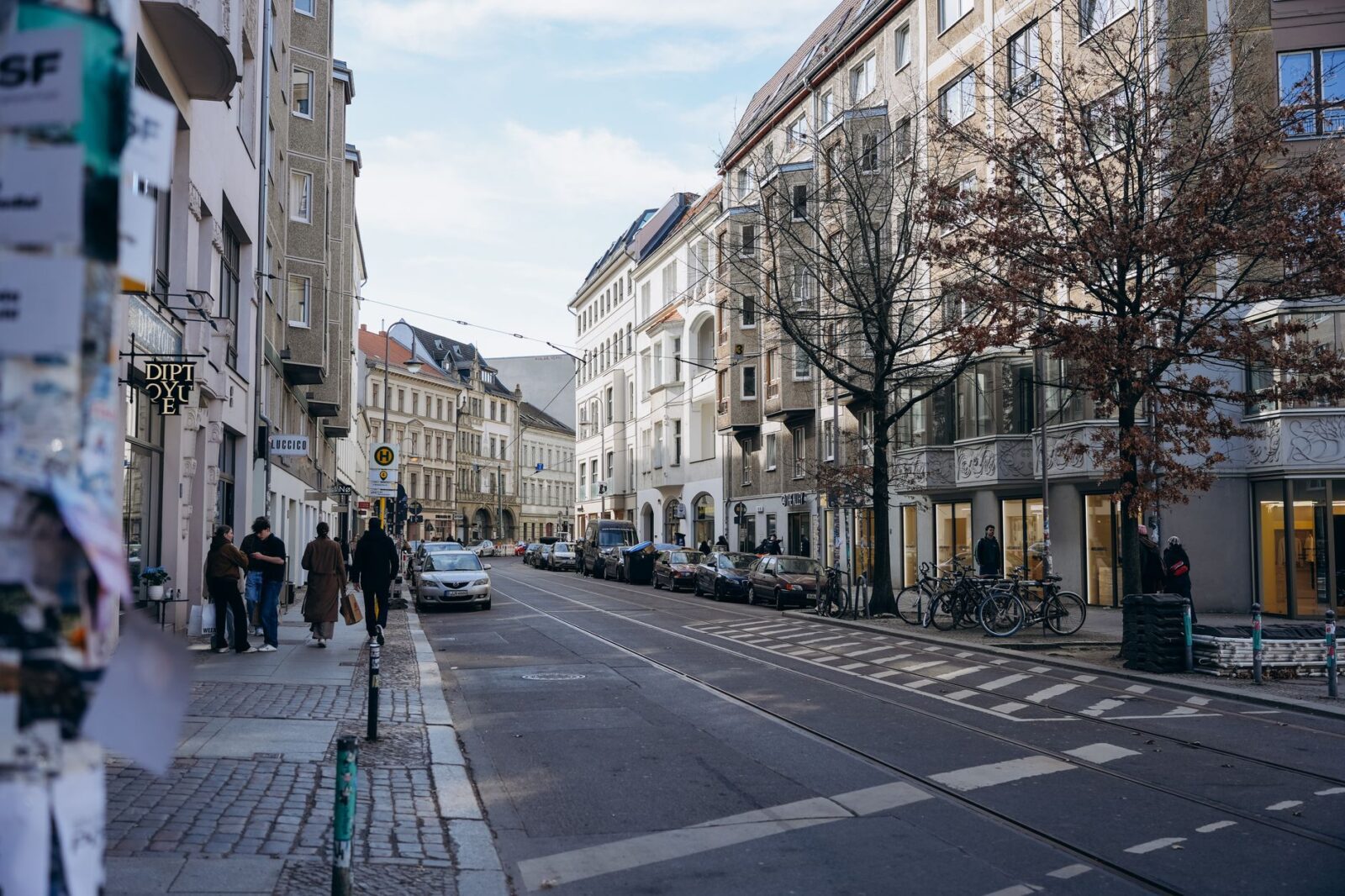
Practical Tips for Travelers: Timing, Costs, and Must-See Destinations
For those planning a trip to Germany in the near future, timing can make a significant difference in both experience and expense. The shoulder seasons of late spring (May to early June) and early autumn (September to October) generally offer pleasant weather, smaller crowds and more competitive accommodation rates compared to the peak summer months. Travelers seeking festive atmospheres might consider the winter period, especially December, when cities like Berlin, Munich and Nuremberg host renowned Christmas markets, though prices tend to be higher during this period.
When it comes to budgeting, a moderate daily expenditure for a solo traveler in Germany averages between $100 and $150 USD, covering mid-range hotel accommodation, meals at local restaurants, public transport and entry fees to major attractions. Budget-conscious visitors can reduce costs by opting for hostels, using regional rail passes and taking advantage of free walking tours offered in many cities. Luxury travelers, meanwhile, will find a wide range of five-star hotels, fine dining establishments and exclusive experiences, particularly in fashion capitals and historic spa towns.
Germany’s diverse landscape offers something for every type of traveler. A classic itinerary might begin in Berlin, where world-class museums, historic sites and a vibrant nightlife scene await. From there, a journey southward could include the fairy-tale charm of the Romantic Road, the baroque splendor of Würzburg and the regal grandeur of Munich and its nearby Nymphenburg Palace. Nature enthusiasts often head to the Black Forest for hiking and cuckoo-clock workshops, while wine lovers explore the picturesque villages along the Rhine Valley, sampling Rieslings in centuries-old taverns.
- Book accommodation and train tickets at least three weeks in advance for the best rates, especially during festival periods.
- Consider purchasing a Germany Travel Pass if you plan to travel extensively by rail, as it offers unlimited travel on regional trains for a set number of days.
- Explore local cuisine beyond sausages and pretzels; try dishes such as Sauerbraten, Schweinshaxe and fresh seafood in northern coastal towns.
- Check opening hours for museums and monuments, as many are closed on Mondays or have reduced hours during the off-season.
- Carry a small amount of cash for markets and smaller establishments, although credit and debit cards are widely accepted in urban areas.
Looking Ahead: Forecasts and What to Expect in 2026-2027
Based on current trajectories, industry analysts anticipate that Germany’s inbound tourism will continue to grow at a steady pace through 2026 and into 2027, with annual increases likely to remain in the range of two to three percent barring major external shocks. This projection assumes that the factors driving recent growth—targeted marketing, product diversification and strong source-market performance—will remain effective and that global travel demand will stay resilient.
Potential challenges on the horizon include fluctuations in energy prices, which could affect travel costs, and geopolitical developments that might influence traveler sentiment in certain regions. However, Germany’s strong domestic tourism base, coupled with its reputation for safety and reliability, provides a buffer against short-term volatility. Additionally, the country’s ongoing investments in sustainable tourism, such as eco-certified hotels and carbon-neutral transport options, are expected to appeal to an growing segment of environmentally conscious travelers.
Opportunities for further expansion lie in tapping into emerging travel trends, including the rise of digital nomads, the demand for wellness-focused vacations and the interest in heritage tourism that emphasizes storytelling and local participation. By aligning its offerings with these trends, Germany can attract new visitor segments while deepening engagement with existing ones. Continued collaboration between government, industry and local communities will be essential to ensure that growth remains inclusive, responsible and beneficial to all stakeholders.
Frequently Asked Questions
What is the current growth rate of inbound tourism to Germany?
The latest available data indicates that inbound tourism to Germany has grown by over two percent in the most recent reporting period, with specific source markets such as India showing a year-on-year increase of 2.2 percent in overnight stays during December 2023.
Which countries are sending the most visitors to Germany right now?
Traditional source markets such as the United Kingdom, the United States and neighboring European nations continue to contribute significant numbers, while emerging markets like India, China and the Gulf Cooperation Council states are demonstrating notable growth rates, particularly in cultural and experience-driven travel segments.
How does Germany’s tourism performance compare to other European destinations?
Germany remains the eighth-most-visited country globally and ranks among the top five in Europe for international arrivals. Its growth rate of over two percent places it in line with the broader European average, which is projected to increase by three to four percent annually over the next two years.
Are there any cost implications for travelers planning a trip to Germany?
Accommodation and dining costs in Germany have remained relatively stable compared to some Western European capitals, though prices can rise during peak seasons and major events. Travelers can manage expenses by visiting during shoulder seasons, using rail passes and taking advantage of free attractions such as public parks, historic city centers and museum free-entry days.
What types of experiences are most popular with visitors to Germany today?
Cultural tourism, including museum visits, historical tours and music festivals, remains a strong draw. Additionally, travelers are increasingly interested in sustainable tourism options, culinary journeys that highlight regional specialties and active holidays that involve cycling, hiking or winter sports in the Alps and low mountain ranges.
Stay informed with the latest travel news, visa updates, and destination guides. Follow HimalayanCrest.com for weekly travel intelligence delivered by our editorial team.