

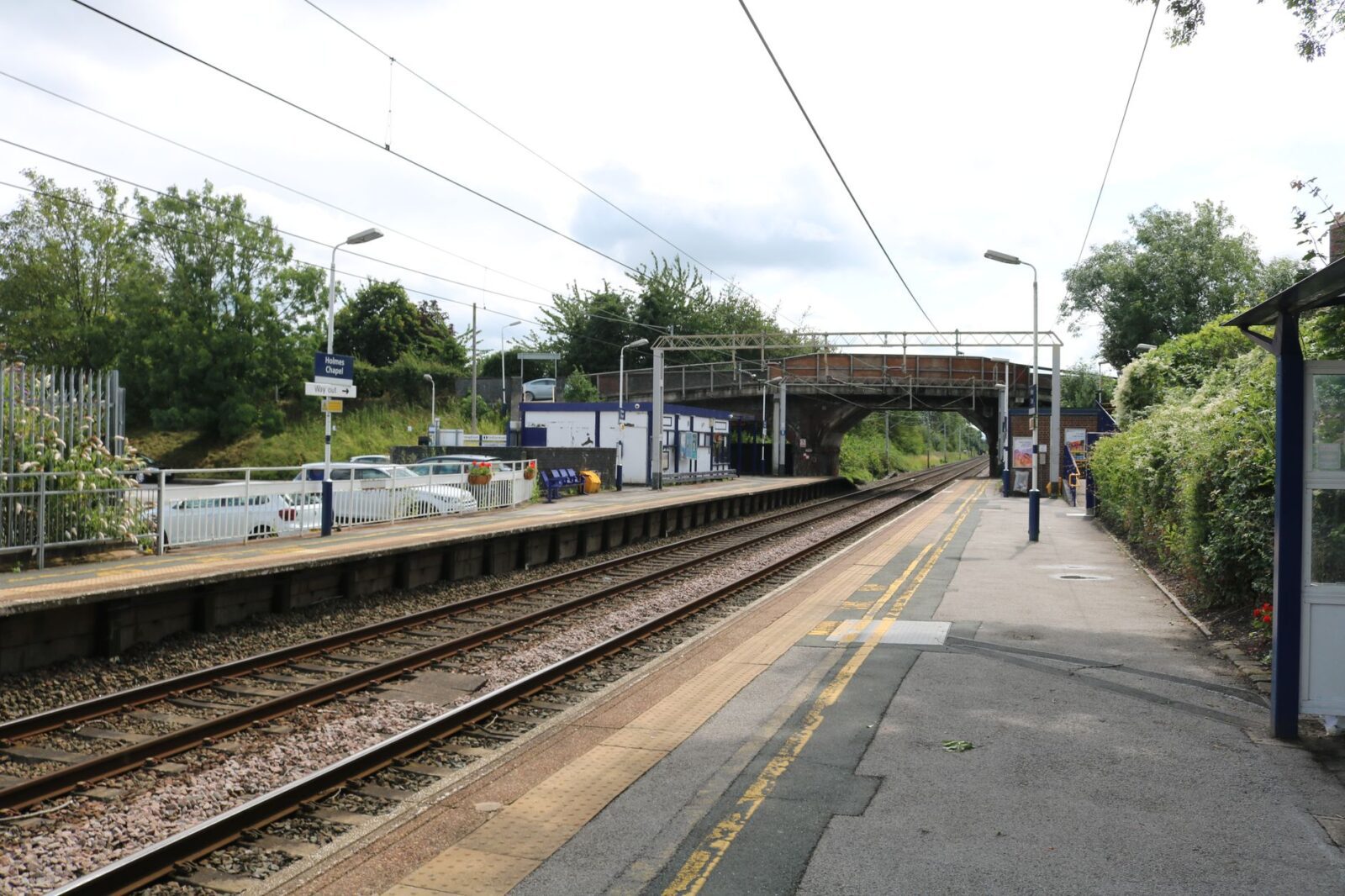
Living Steps from the Platform: How the UK’s Housing Push Reshapes Life for Expats
On 17 August 2026 the UK government unveiled a planning overhaul that promises to place thousands of new homes within easy walking distance of train, tram and underground stations. The announcement came from the Ministry of Housing, Communities and Local Government, with Housing Secretary Angela Rayner and Minister Matthew Pennycook emphasizing that the changes will cut commute times, boost local economies and make housing more affordable for families. This move is part of a broader effort to reach the national target of 1.5 million new homes by the end of the decade. For expats, investors and anyone considering a UK visa, the policy creates fresh opportunities to live closer to work, education and essential services while benefiting from improved transport links.
What Exactly Changed in the Planning Rules
The core of the reform is a revised National Planning Policy Framework (NPPF) that introduces a default ‘yes’ for housing developments situated within a reasonable walking distance of well‑connected stations. Reasonable walking distance is defined as up to 800 metres, roughly a ten‑minute walk, for most urban areas. The framework also sets new minimum housing densities for these zones, requiring local authorities to plan for a specific number of dwellings per hectare based on the station’s passenger volume. In addition, the guidance curtails excessive ‘gold‑plating’ where local planners impose extra requirements beyond national standards, thereby speeding up approvals.
According to the official press release, the government has already passed the quarter‑way mark toward its 1.5‑million‑home goal, and the new rules aim to move approved projects from paper to construction faster. The changes apply to England’s train, tram and underground networks, with similar considerations being explored for Scotland, Wales and Northern Ireland through devolved administrations. The full updated NPPF document is available on the GOV.UK planning portal.
Over 300,000 homes are expected to gain fast‑track status under the new proximity rule within the next two years.
Who Feels the Impact: Nationalities and Traveler Types
The policy does not change visa eligibility criteria, but it reshapes the living environment for anyone granted permission to stay in the UK. Nationals from India, Nigeria, the Philippines, the United States, Australia and South Africa—groups that consistently rank among the top applicants for Skilled Worker, Global Talent and Student visas—will find more housing options near major hubs such as London King’s Cross, Manchester Piccadilly and Birmingham New Street. Digital nomads who rely on reliable rail connections for coworking spaces and retirees seeking low‑maintenance flats with easy access to healthcare will also benefit.
Investors looking for residency through the Innovator Founder route or the upcoming UK Scale‑up Visa can now point to proximity to transport as a value‑add when evaluating property purchases. The policy also indirectly supports citizenship seekers, as stable housing close to work and schools improves integration metrics that are considered in naturalisation assessments.

Step‑by‑Step Guidance: What Affected Travelers Should Do Now
First, verify your visa category and eligibility on the official UK Visas and Immigration website (https://www.gov.uk/visas-immigration). If you are applying for a Skilled Worker visa, ensure your Certificate of Sponsorship mentions a workplace location; you can then search for rental or purchase properties within 800 metres of the nearest station using transport‑focused property portals.
Second, if you are an investor, review the latest guidance on the Innovator Founder visa (https://www.gov.uk/innovator-founder-visa) which requires a minimum £50,000 investment fund and an endorsed business plan. Highlighting the planned housing development near a station can strengthen your case for job creation and local economic impact.
Third, for students, check the Student visa route (https://www.gov.uk/student-visa) and look for university accommodations or private rentals that advertise ‘station proximity’. Many purpose‑built student blocks are being fast‑tracked under the new NPPF, especially in cities like Leeds and Sheffield.
Finally, keep an eye on local council planning portals. Most authorities publish weekly lists of applications that have received the default ‘yes’ status; these can be filtered by proximity to stations. Early engagement with planning officers can provide insight into upcoming availability and potential rental yields.
Investment Opportunities: Buy‑to‑Let, Funds and Residency Links
The policy creates a clear niche for buy‑to‑let investors targeting young professionals and key workers who prioritize short commutes. Average rental yields in station‑adjacent areas of London currently range from 4.5% to 5.8% after accounting for property prices, according to the latest UK Housing Market Report. Outside the capital, cities such as Nottingham and Bristol show yields between 5.2% and 6.3% for similar properties.
Several property funds have launched “Transit‑Oriented Development” (TOD) products that pool capital to acquire land near stations and build to the new minimum densities. These funds often offer preferred residency pathways for investors who commit capital for a minimum of three years, aligning with the Innovator Founder visa’s investment requirement.
Retirees considering the UK’s upcoming Retirement Visa (still under consultation) may find station‑proximate flats attractive due to reduced reliance on cars and easier access to medical facilities. The government’s Affordable Homes Programme, which allocates a share of the 1.5‑million‑home target to social and affordable rent, also prioritizes sites near public transport, increasing the stock of lower‑cost options.

How Other Countries Handle Similar Transit‑Linked Housing
South Korea announced on 13 August 2026 a plan to fast‑track 270,000 new homes, with a significant portion earmarked for areas around stations such as Yeomchang Park in Gangseo District and the Gwangju Station Area 2 in Gyeonggi Province. The Korean approach combines public‑land designation with streamlined environmental reviews, mirroring the UK’s aim to cut red‑tape.
In Singapore, the Housing and Development Board (HDB) has long prioritized proximity to MRT stations when allocating new flats, resulting in over 80% of HDB blocks being within a 10‑minute walk of a train line. This policy has contributed to high home‑ownership rates and strong resale values for station‑adjacent units.
Canada’s federal‑provincial “Transit‑Oriented Development Infrastructure Program” provides funding to municipalities that increase housing density within 800 metres of rapid transit stations. Cities like Toronto and Vancouver have used these funds to approve thousands of units, demonstrating a comparable policy direction.
These international examples show that the UK’s shift is part of a global trend: governments are recognizing that linking housing to transit not only eases congestion but also makes jurisdictions more attractive to skilled migrants, investors and retirees.
Impact on Digital Nomads, Retirees and Students
Digital nomads who rely on co‑working spaces and reliable internet will find that many new developments near stations include dedicated office amenities and high‑speed fibre connections. The reduced commute time translates into more productive hours and lower transportation costs, a factor that weighs heavily when choosing a base for remote work.
Retirees benefit from the elimination of long drives to shops, pharmacies and healthcare centres. Flats built above or beside stations often feature lifts, step‑free access and proximity to bus interchanges, making daily errands simpler. For those applying for a future UK retirement visa, demonstrating stable housing in a transit‑rich area can strengthen the proof of sufficient funds and accommodation requirement.
Students, especially those enrolled in universities with campuses spread across a city, gain easier access to lectures, libraries and part‑time work opportunities. Purpose‑built student accommodation near stations is being fast‑tracked under the new NPPF, with several projects already approved in Coventry and Leicester. This proximity can also reduce reliance on expensive campus shuttles, lowering overall living expenses.
FAQ: Your Top Questions Answered
Do the new planning rules change the eligibility criteria for any UK visa?
No. The rules affect only housing supply and planning approvals. Visa requirements such as skill level, salary thresholds, English language proficiency and financial maintenance remain unchanged. However, the improved housing options can make it easier to meet the accommodation and maintenance parts of the application.
How can I prove proximity to a station when applying for a visa?
You can submit a tenancy agreement or property deed that includes the address, then use a mapping tool (such as Google Maps or the UK’s official Transport for London journey planner) to calculate the walking distance. Include a screenshot showing the route and distance, and note that it is under 800 metres.
Are there any extra costs associated with buying a home near a station under the fast‑track scheme?
Properties in these zones often command a price premium due to demand. Expect to pay approximately 10% to 20% more per square foot compared with similar homes farther from transit. However, rental yields and resale values tend to offset this premium over time, especially in high‑growth cities.
Will the policy affect the availability of social or affordable housing?
Yes. The updated NPPF includes a requirement that a proportion of the new homes in station‑proximate areas be affordable, as defined by local authority thresholds. This means that key workers on lower incomes, including many visa holders in health‑care and education roles, will have access to subsidised rent or shared‑ownership options.
Where can I find official updates on the planning changes and related housing projects?
The primary source is the GOV.UK National Planning Policy Framework page (https://www.gov.uk/government/collections/national-planning-policy-framework). For specific applications, consult the planning portal of the relevant local council (https://www.planningportal.co.uk). Visa‑related guidance remains on the UK Visas and Immigration site (https://www.gov.uk/visas-immigration).
Stay informed with the latest travel news, visa updates, and destination guides. Follow HimalayanCrest.com for weekly travel intelligence delivered by our editorial team.