

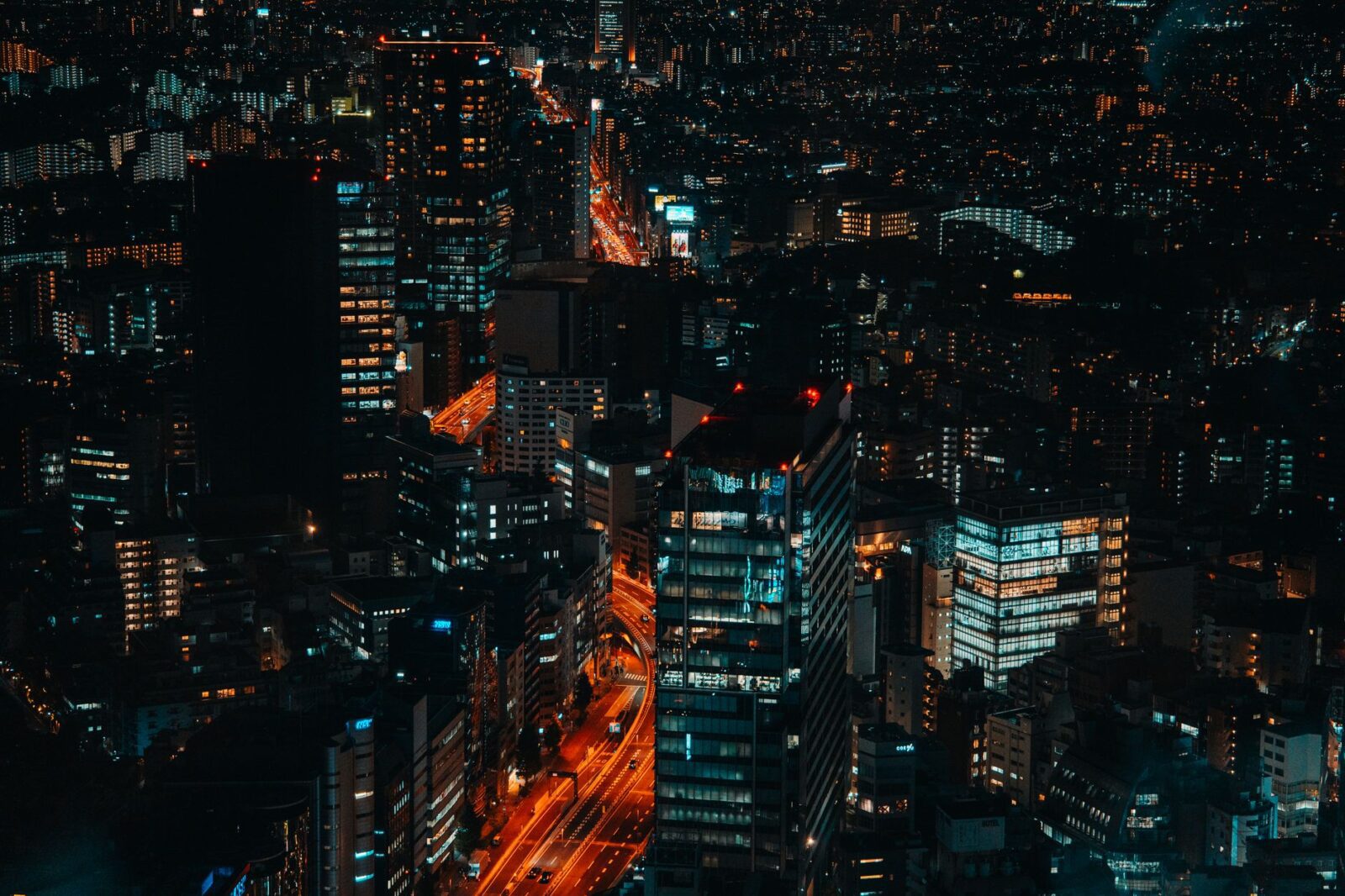
Why Choose an Airbnb Over a Hotel in Tokyo
Tokyo offers a staggering range of places to stay, from luxury hotels that dominate the skyline to tiny capsule pods that feel like a sci‑fi dream. Yet for travelers who want to live like a local, even if only for a few nights, an Airbnb can provide a more intimate window into daily life in the capital. Seasoned travelers report that staying in a residential neighbourhood lets you discover hidden temples, family‑run izakayas, and boutique shops that never appear on the typical tourist map.
Our research shows that Airbnb listings in Tokyo have grown steadily over the past decade, with many properties earning Superhost or Guest Favorite status. These designations signal consistent quality, responsive communication, and thoughtful amenities that often exceed what a standard hotel room provides. For longer stays, the ability to prepare meals in a full kitchen can also translate into noticeable savings.
Beyond practicality, many Tokyo Airbnbs reflect the city’s unique blend of tradition and modernity. From minimalist studios adorned with shoji screens to spacious townhouses featuring contemporary Japanese art, the rental market offers a style for every taste. This diversity makes it easier to match your accommodation to the specific vibe you seek, whether that is buzzing nightlife or tranquil retreat.
Top Neighborhoods for a Stylish Stay
Location remains the most important factor when selecting an Airbnb in Tokyo. The city’s vast expanse means that staying in the right area can cut travel time dramatically and enrich your experience. Based on guest reviews and local insights, several neighborhoods consistently emerge as favorites for travelers seeking both convenience and character.
Shibuya and Shinjuku remain popular for their electric energy, endless dining options, and excellent train connections. However, many visitors now gravitate toward the quieter residential pockets just outside these hubs, where you can find traditional wooden machiya houses, leafy streets, and easy access to major stations via a short walk or bike ride.
Minato City, home to upscale districts like Azabu and Roppongi, attracts those who prefer a refined atmosphere with proximity to embassies, museums, and high‑end shopping. For families or groups planning a trip to Tokyo Disneyland, the eastern wards of Edogawa and Urayasu offer spacious homes with private gardens and quick shuttle access to the resort. Meanwhile, the area around Haneda Airport appeals to travelers who want a peaceful base with quick transit to both domestic and international flights.
Signature Features of Tokyo’s Stylish Airbnbs
What sets a stylish Tokyo Airbnb apart is often the attention to detail in design and amenities. Many hosts curate interiors that showcase local craftsmanship, such as hand‑woven textiles, ceramic tableware, and artwork by emerging Japanese artists. A notable example highlighted in recent listings is a one‑bedroom wood‑toned space that features a large cherry blossom painting in the living room and a matching motif on the shower tile, celebrating Japan’s iconic sakura season.
Practical conveniences also rank high among guest preferences. In‑unit washers and dryers are frequently mentioned as a major plus, especially for travelers on extended itineraries who wish to pack light. High‑speed Wi‑Fi, smart TVs, and well‑equipped kitchens with ovens, microwaves, and ample refrigerator space are now standard in many premium listings.
Some properties go further by offering unique experiences, such as rooftop terraces with views of the Tokyo Tower, private gardens where you can practice morning yoga, or even small indoor pools. These extras allow guests to enjoy a resort‑like feel while still residing in a residential building, blending the best of both worlds.
Best Picks for Different Traveler Types
Families traveling with children often prioritize space, safety, and kitchen facilities. A three‑bedroom home near Haneda Airport, for instance, provides separate sleeping areas, a full bathroom, and a kid‑friendly layout with easy access to nearby parks. Guest reviews consistently praise the quiet streets and the availability of child‑proof amenities such as outlet covers and stair gates.
Couples seeking a romantic escape might opt for a compact studio in a trendy neighborhood like Nakameguro, where cherry‑lined canals create a picturesque backdrop for evening strolls. Many of these studios feature loft‑style beds, designer lighting, and boutique toiletries that add a touch of indulgence without sacrificing the cozy feel of a local apartment.
Solo travelers and digital nomads frequently look for reliable workspaces and strong internet connections. A loft‑style condo in Roppongi Hills, equipped with a dedicated desk, ergonomic chair, and 24‑hour building concierge, offers a productive environment while placing you steps away from galleries, cafes, and nightlife. The building’s secure access and on‑site laundry further enhance convenience for those staying weeks at a time.
Visitors planning a day at Tokyo Disneyland often choose a villa on the city’s east side that includes a private pool and a short shuttle ride to the resort. These homes typically offer multiple bedrooms, a spacious living area, and outdoor barbecue facilities, making them ideal for groups that want to combine theme‑park excitement with relaxed downtime.
Practical Tips for Booking and Staying
To ensure a smooth experience, seasoned travelers recommend focusing on listings with Superhost or Guest Favorite badges, as these indicate a track record of excellent hospitality. Reading recent reviews can reveal insights about the accuracy of the listing description, the responsiveness of the host, and any quirks such as thin walls or limited elevator access.
Understanding the fee structure is also essential. Airbnb charges a service fee that varies by reservation size, and hosts may add cleaning fees or extra charges for additional guests. In Tokyo, many listings also incur a small municipal tax, which is usually displayed before you finalize the booking. Calculating the total nightly cost ahead of time helps avoid surprises.
Cultural etiquette plays a role in maintaining a positive guest‑host relationship. Removing shoes at the entrance, keeping noise levels low after 10 p.m., and properly separating recyclable waste are common expectations in Japanese residences. A brief message to the host upon arrival, expressing gratitude and confirming any house rules, often sets a friendly tone for the stay.
How Airbnb Fits Into Tokyo’s Evolving Accommodation Landscape
Tokyo’s lodging market has undergone noticeable shifts in recent years, driven by changing traveler preferences and regulatory adjustments. While traditional hotels continue to dominate the luxury segment, the rise of serviced apartments and vacation rentals reflects a growing demand for flexibility, especially among those staying longer than a week.
Local authorities have introduced guidelines aimed at balancing the benefits of short‑term rentals with concerns about housing availability for residents. These rules often require hosts to register their properties and limit the number of days a home can be rented per year. Despite these measures, the overall supply of stylish Airbnbs remains robust, particularly in neighborhoods where older housing stock is being renovated for modern use.
Industry analysts note that the pandemic accelerated interest in private, self‑contained accommodations, a trend that has persisted as travelers prioritize hygiene and personal space. As a result, many hosts have upgraded their properties with enhanced cleaning protocols, contactless check‑in systems, and amenities like air purifiers.
Budget Considerations and Value Comparison
When comparing costs, an Airbnb can offer better value than a hotel for stays of four nights or longer, primarily because of the ability to cook meals and avoid daily restaurant expenses. A typical one‑bedroom stylish Airbnb in a central Tokyo neighborhood might range from $80 to $150 USD per night, depending on season and exact location, while a comparable business‑class hotel often starts at $180 USD per night.
For families or groups, the per‑person cost drops significantly when sharing a multi‑bedroom unit. A three‑bedroom house that sleeps six guests could effectively reduce the lodging expense to under $50 USD per person per night, especially when factoring in savings from home‑cooked breakfasts and lunches. Long‑stay discounts, frequently offered by hosts for weekly or monthly bookings, further improve affordability.
Travelers should also consider incidental expenses such as transportation passes. Staying near a major JR or metro line can reduce daily transit costs, while a location slightly farther out may require a bus or bicycle rental. Evaluating the total trip budget—accommodation, food, transport, and attractions—helps determine whether an Airbnb aligns with your financial goals.
Frequently Asked Questions
How far in advance should I book a stylish Airbnb in Tokyo?
For travel during peak seasons such as cherry blossom (late March to early April) or autumn foliage (November), booking two to three months ahead is advisable to secure the best properties and rates. During off‑peak months, a lead time of four to six weeks often suffices, though last‑minute deals can appear for flexible travelers.
Are Airbnbs in Tokyo safe for solo female travelers?
Overall, Tokyo ranks as one of the safest major cities globally, and this extends to its residential neighborhoods. Many hosts provide secure building access, video doorbells, and well‑lit entrances. Reading reviews that specifically mention safety and solo stays can offer additional reassurance.
What amenities should I look for if I want to work remotely from my Airbnb?
Prioritize listings that advertise a dedicated workspace, ergonomic chair, and reliable high‑speed Wi‑Fi (ideally 20 Mbps or higher). Properties with 24‑hour front desk or concierge service can assist with any technical issues, and proximity to cafes with power outlets offers a backup option for a change of scenery.
Can I find an Airbnb that offers a traditional Japanese experience?
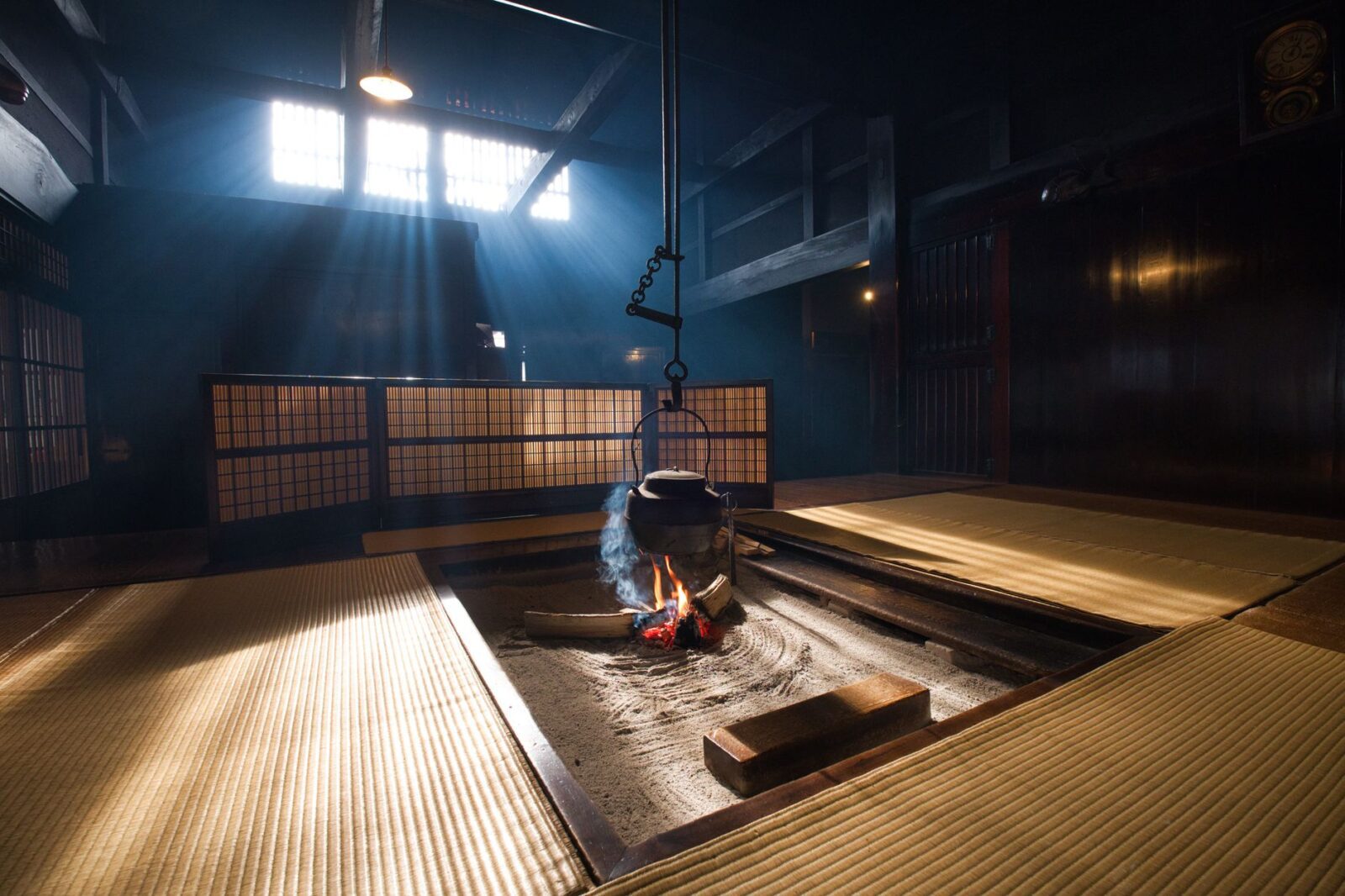
Yes. Several listings feature tatami‑mat rooms, futon bedding, and sliding shoji doors, providing an authentic feel without the formality of a ryokan. Some hosts even offer a complimentary tea set or a small guide to local customs, helping guests immerse themselves in Japanese hospitality.
What is the typical cancellation policy for Tokyo Airbnbs?
Policies vary by host, but many offer flexible options that allow free cancellation up to 48 hours before check‑in. Others may have moderate or strict terms, especially during high‑demand periods. Always review the cancellation details on the listing page before confirming your reservation.
Stay informed with the latest travel news, visa updates, and destination guides. Follow HimalayanCrest.com for weekly travel intelligence delivered by our editorial team.