

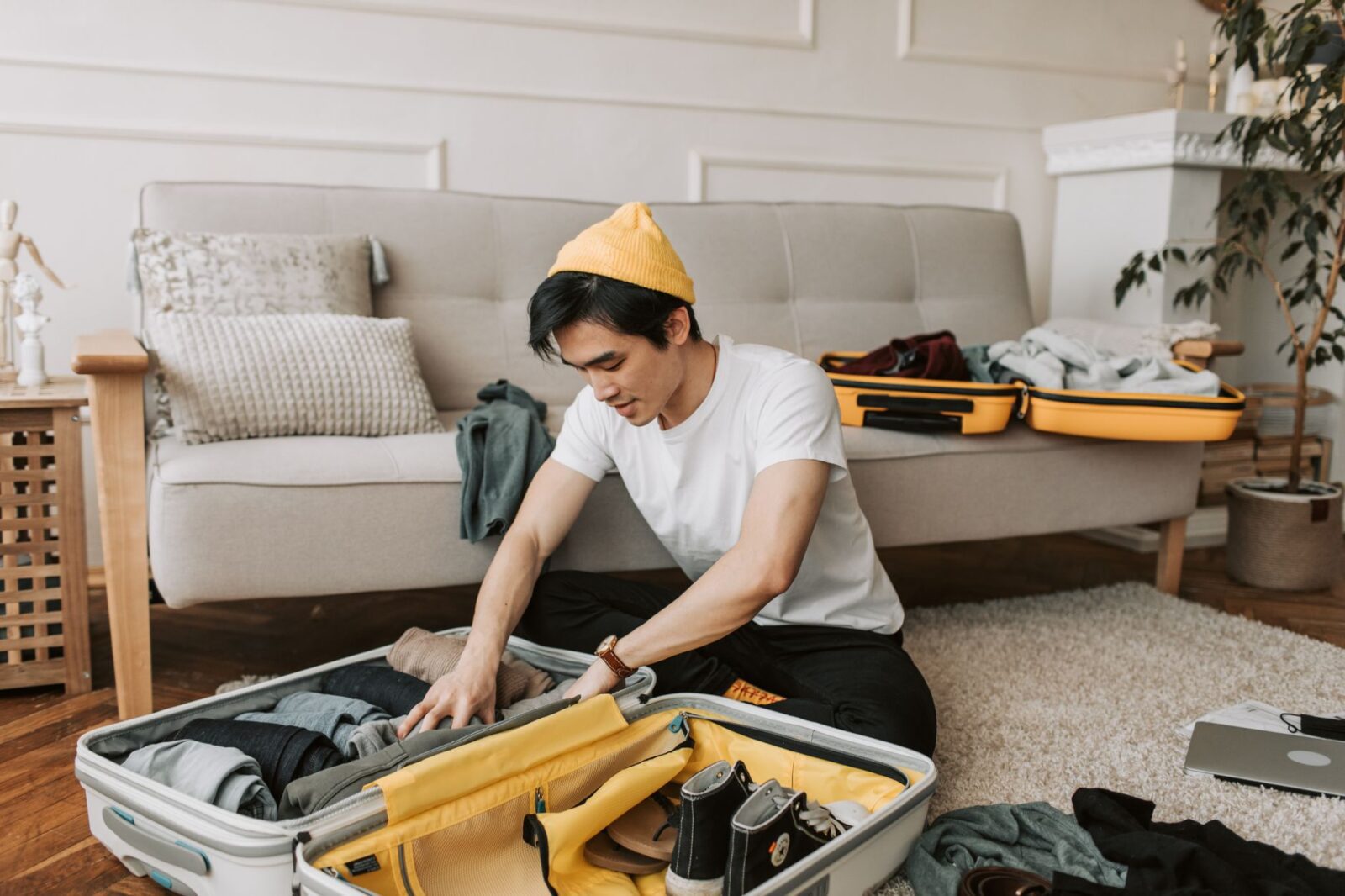
Start with the Right Bag
Many travelers dread the stress of checked‑bag fees, lost luggage, and waiting at the carousel. A single carry‑on eliminates those headaches and gives you freedom to move quickly through airports. By choosing a bag that fits most airline size limits, you set the foundation for a smooth two‑week adventure.
Look for a soft‑sided carry‑on measuring no more than 22 inches tall, 14 inches wide, and 9 inches deep. Expandable panels can add a couple of inches when needed, but keep the base dimensions within limits to avoid gate‑check surprises. Durable ballistic nylon or polyester with reinforced corners will survive rough handling.
Popular models that consistently meet these specs include the Samsonite Winfield 2 (around $95), the Travelpro Platinum Elite (about $115), and the Away The Carry‑On (roughly $225). All feature smooth‑rolling wheels, a telescoping handle, and interior compression straps.
Build a Versatile Wardrobe
Neutral colors are the secret to mixing and matching without looking repetitive. Choose a palette of black, navy, gray, and beige; these shades pair easily and hide minor stains. Add one or two accent pieces in a color you love for variety.
Aim for five tops, three bottoms, and two lightweight layers. For example, pack three T‑shirts, two long‑sleeve shirts, and a blouse or polo; pair them with two pairs of trousers or chinos and one skirt or shorts. A cardigan and a lightweight jacket cover changing temperatures.
Select fabrics that resist wrinkles and dry quickly, such as merino wool, polyester blends, or bamboo viscose. These materials let you wash a shirt in the sink and have it ready to wear by morning, reducing the need for fresh clothes each day.
Use Packing Cubes and Compression Tools
Packing cubes turn a chaotic bag into an organized system. Use separate cubes for tops, bottoms, undergarments, and accessories; this makes it easy to locate items without unpacking everything. Rolling clothes inside the cubes saves roughly 30 % more space than flat folding.
A four‑piece set of lightweight nylon cubes costs about $15 on Amazon or at REI. Look for cubes with mesh tops so you can see contents at a glance and zippered panels that compress the load.
For bulky items like a jacket or sweater, consider a compression sack. These reusable bags shrink volume by up to 50 % when you roll out the air, freeing space for souvenirs or extra snacks.
Toiletries and TSA‑Friendly Hacks
Remember the TSA 3‑1‑1 rule: liquids must be in containers of 3.4 oz (100 ml) or less, all fitting in a single quart‑size zip‑top bag. Transfer your favorite shampoo, conditioner, and lotion into reusable silicone bottles; a set of three costs under $8.
Switch to solid toiletries to bypass liquid limits entirely. A shampoo bar, toothpaste tablets, and a solid deodorant stick each last weeks and take up minimal space. Many brands sell travel‑size kits for around $12.
Pack a tiny medical kit with band‑aids, pain relievers, antihistamine tablets, and any prescription meds. Keep it in an external pocket of your carry‑on so you can access it quickly during the flight.
Shoes: Limit to Two Pairs
Shoes are often the biggest space hogs, so choose two pairs that cover all activities. A comfortable sneaker or walking shoe works for city tours and light hikes; a versatile sandal or slip‑on handles warm weather and dinner out.
Wear the bulkier pair on the plane to save interior space, and pack the lighter pair in a shoe bag. This simple habit can free up nearly a liter of volume inside your bag.
Use a reusable shoe bag made of mesh or cotton to keep dirt from spreading to clothes. Adding a dryer sheet or a few charcoal odor absorbers inside each shoe helps keep them fresh throughout the trip.
Tech and Documents Organization
Limit electronics to what you truly need: smartphone, charger, compact power bank (10 000 mAh), and a universal travel adapter. A lightweight laptop or tablet only adds value if you must work; otherwise, leave it behind.
A small tech organizer pouch with elastic loops and zippered compartments keeps cables, adapters, and earbuds tangle‑free. Expect to pay $10‑$15 for a quality organizer from brands like BAGSMART or eBags.
Store passports, boarding passes, insurance cards, and a bit of cash in a RFID‑blocking travel wallet. Keep this wallet in an interior pocket of your carry‑on where you can reach it without opening the main compartment.
Laundry on the Go
Doing a quick sink wash mid‑trip extends your wardrobe without needing extra clothes. Pack a travel‑size packet of liquid detergent (about $3) or a few detergent sheets that dissolve in water.
Choose underwear and socks made from quick‑dry merino wool or synthetic blends; they can be washed in the evening and ready to wear by morning. Three pairs of each are sufficient for two weeks when you launder every three to four days.
Schedule a laundry session at your accommodation—many hostels and hotels offer self‑service laundry for $2‑$4 per load. If you’re camping, a portable wash bag like the Scrubba lets you clean clothes with just water and soap.
Common Mistakes and How to Fix Them
One frequent error is packing “just in case” items that never get used, such as formal wear for a casual trip or extra gadgets. Before adding anything, ask yourself if you have worn it in the past month on a similar journey; if not, leave it behind.
Another pitfall is ignoring the airline’s weight limit for carry‑ons, which can be as low as 7 kg (15 lb) on some budget carriers. Weigh your packed bag at home with a luggage scale; if it’s over, remove the heaviest non‑essential item, such as a bulky sweater.
Finally, travelers often forget to leave room for souvenirs or purchases made abroad. Reserve about 10‑15 % of your bag’s volume (roughly the size of a packing cube) for items you’ll acquire on the road.
Money‑Saving Hacks and Final Checklist
Flying with only a carry‑on can save you $25‑$50 per leg on most U.S. airlines and even more on international carriers that charge for checked bags. Over a round‑trip flight, that’s $50‑$100 saved—enough for a nice meal or an extra excursion.
Use a free packing‑list app like PackPoint or TripIt to generate a customized checklist based on destination, trip length, and planned activities. These apps let you tick off items as you pack and sync across devices.
Before you zip up, run through this quick mental scan: passport, wallet, phone, charger, meds, toothbrush, underwear (3), socks (3), tops (5), bottoms (3), layers (2), shoes (2), toiletries, and a laundry detergent sheet. If everything checks off, you’re ready to enjoy a hassle‑free two‑week adventure with just a carry‑on.
Stay informed with the latest travel news, visa updates, and destination guides. Follow HimalayanCrest.com for weekly travel intelligence delivered by our editorial team.