

Understanding the ICG Joint Statement: Context and Key Points
The International Contact Group (ICG) for the Great Lakes region, chaired by France and comprising the United Kingdom, Belgium, Canada, Denmark, the European Union, France, Germany, the Netherlands, Sweden, Switzerland, and the United States, issued a joint statement on 17 August 2026 regarding a recent disarmament, demobilization, and cantonment protocol signed between the Congolese authorities and a faction of the Democratic Forces for the Liberation of Rwanda-FOCA (FDLR). The statement acknowledges the announcement made on 28 July 2026 by the Democratic Republic of the Congo (DRC) government that a faction of the FDLR formally accepted and signed the protocol. The ICG urges the Congolese authorities to swiftly develop an operational plan and a realistic timeline to implement an effective FDLR neutralization in line with obligations set out in the Washington Agreements and the Disengagement of Forces/Lifting of Defensive Measures of Rwanda (CONOPS) of 31 October 2024, as well as the Washington agreement of 27 June 2025.
The ICG stresses that the Congolese Government must implement the protocol fully and calls for clarification of mechanisms to combat impunity, as referenced in the agreement. It also highlights the importance of working with the United Nations Organization Stabilization Mission in the Democratic Republic of the Congo (MONUSCO) as a key partner in implementation. Importantly, the ICG underscores that any colocation or operational collaboration with elements of the FDLR is fundamentally at odds with the commitments made in the Washington Accords. The group states it stands ready to welcome concrete steps forward taken by either side that advance the peace process.
What the Statement Means for Regional Security
The ICG’s statement is primarily a diplomatic signal aimed at reinforcing the implementation of existing peace agreements rather than introducing new legal obligations. By urging the DRC to translate the signed protocol into concrete operational steps, the ICG seeks to prevent a resurgence of armed activity by FDLR elements that have historically operated in the eastern provinces of North Kivu, South Kivu, and Ituri. Analysts note that successful disarmament and cantonment could reduce the frequency of cross‑border incursions and lower the risk of spontaneous clashes that sometimes affect civilian populations and humanitarian corridors.
For the broader Great Lakes region, which includes Burundi, Rwanda, Uganda, and Tanzania, the statement reinforces a multilateral framework designed to keep volatile militias from destabilizing border areas. The ICG’s emphasis on combating impunity also aims to address long‑standing concerns about accountability for past violations, a factor that often influences refugee flows and internal displacement. While the statement does not impose sanctions or travel bans, its political weight can shape the security assessments that governments use when issuing travel advisories.
Implications for Travelers and Visa Applicants
At present, the joint statement does not introduce any direct changes to visa policies, entry requirements, or consular fees for the DRC, Rwanda, or neighboring states. However, the security situation described in the statement can indirectly affect visa processing times and the likelihood of travel‑related restrictions. Embassies and consulates often adjust their service levels based on threat assessments; a perceived increase in instability may lead to longer appointment wait times or temporary suspensions of certain visa categories.
Travelers planning to visit the eastern DRC for tourism, business, or humanitarian work should monitor official travel advisories from their home countries. For example, the United Kingdom’s Foreign, Commonwealth & Development Office (FCDO) provides regularly updated guidance for the DRC, accessible at https://www.gov.uk/foreign-travel-advice/democratic-republic-of-congo. Similarly, the United States Department of State maintains a travel advisory page at https://travel.state.gov/content/travel/en/traveladvisories/traveladvisories/democratic-republic-of-congo-travel-advisory.html. These sources reflect the latest security evaluations, which may incorporate developments noted in the ICG statement.
Investors seeking residency or citizenship through investment programs in the Great Lakes region should also consider the broader climate of stability. While no country in the region currently offers a formal citizenship‑by‑investment scheme comparable to those in the Caribbean or Europe, some nations provide long‑term residency permits for investors. Any shift in perceived risk could influence the attractiveness of such permits and the due‑diligence requirements imposed by host governments.
How Travel Advisories May Shift
Travel advisory levels are typically calibrated on a scale that ranges from exercise normal precautions to avoid all travel. The ICG’s call for prompt implementation of the FDLR protocol could lead to one of two outcomes: if the DRC successfully moves forward with disarmament, advisory levels might be downgraded in certain provinces; conversely, delays or violations of the agreement could trigger upgrades. Historically, spikes in militia activity in the eastern DRC have prompted the United Kingdom to move its advice from “exercise increased caution” to “avoid non‑essential travel” for specific areas.
Readers should therefore check the date of the latest advisory before making travel plans. The FCDO website, for instance, displays a “Last updated” timestamp at the top of each country page. The same practice applies to the Australian Department of Foreign Affairs and Trade, the Canadian Government’s travel advice portal, and the European External Action Service’s EEAS travel recommendations. Subscribing to email alerts from these services ensures that any change prompted by the ICG statement is received promptly.
Practical Steps for Expats, Investors, and Digital Nomads
For expatriates already residing in the Great Lakes region, the ICG statement serves as a reminder to review personal security plans and ensure that registration with the relevant embassy is up to date. Most embassies encourage citizens abroad to enroll in notification systems such as the UK’s “EMAILUPDATES” service or the US State Department’s Smart Traveler Enrollment Program (STEP). These platforms disseminate urgent messages, including changes to visa‑related services or evacuation notices.
Digital nomads who rely on stable internet connectivity and coworking spaces should verify that their chosen locations are not subject to sudden curfews or movement restrictions. In cities such as Goma, Bukavu, and Kigali, internet infrastructure generally remains functional, but localized disruptions can occur during periods of heightened tension. Keeping a backup communication method, such as an international SIM card with roaming coverage, is advisable.
Investors exploring opportunities in agriculture, mining, or renewable energy should conduct enhanced due diligence that includes a review of local security consultants’ reports. Engaging with reputable law firms that have experience navigating the DRC’s mining code or Rwanda’s investment promotion agency can help mitigate risks associated with sudden shifts in the security environment. It is also prudent to maintain liquidity reserves that can cover unexpected expenses, such as temporary relocation or increased insurance premiums.

Comparing Regional Responses: How Other Nations Handle Similar Situations
The approach taken by the ICG mirrors patterns seen in other multilateral forums that address post‑conflict stabilization. For instance, the African Union’s Peace and Security Council frequently issues communiqués urging member states to implement disarmament, demobilization, and reintegration (DDR) programs after peace agreements. In the Sahel region, the G5 Sahel Joint Force has received similar statements from international partners emphasizing the need for clear timelines and accountability mechanisms.
What distinguishes the ICG statement is its explicit reference to existing bilateral agreements—the Washington Accords and the CONOPS framework—linking the current protocol to previously negotiated commitments. This creates a layered accountability structure where failure to act not only violates the new protocol but also breaches earlier obligations. In contrast, some regional bodies issue statements that are more aspirational and lack specific reference points, making follow‑up harder to measure.
From a visa‑policy perspective, countries that face comparable security challenges sometimes adjust their visa‑on‑arrival or e‑visa eligibility. For example, after spikes in insurgent activity in certain parts of Nigeria, several European nations temporarily suspended visa‑free entry for Nigerian passport holders for short‑term tourism, requiring applicants to apply for a visitor visa instead. While no such measures have been announced for the DRC or Rwanda following the ICG statement, travelers should be aware that similar precedents exist elsewhere.
Frequently Asked Questions
Does the ICG joint statement change visa requirements for the DRC or Rwanda?
No. The statement is a diplomatic appeal concerning the implementation of a disarmament, demobilization, and cantonment protocol. It does not alter entry visa rules, fees, or documentation requirements for tourists, business visitors, or applicants seeking residency.
Should I cancel or postpone travel plans to eastern DRC because of this statement?
Not necessarily. The statement itself does not indicate an immediate increase in danger. However, you should consult the latest travel advisory from your government’s foreign affairs department. If the advisory level has risen to “avoid non‑essential travel” for the provinces you intend to visit, consider postponing or adjusting your itinerary.
How can I stay informed about any future changes that might affect my visa or residency application?
Subscribe to official alert services such as the UK FCDO travel advice email updates, the US State Department’s Smart Traveler Enrollment Program (STEP), or the equivalent service from your home country’s embassy. Additionally, regularly check the embassy or consulate website of the country you plan to visit for any notices about visa processing times or temporary closures.
Are there any investment‑residency programs in the Great Lakes region that could be impacted by the security situation?
Currently, none of the Great Lakes states offer a formal citizenship‑by‑investment program comparable to those in the Caribbean. Some countries, such as Rwanda, provide long‑term residency permits for investors who meet specific capital‑employment thresholds. The attractiveness of these permits can fluctuate with perceptions of stability; therefore, monitoring security developments, including statements like the ICG’s, is a prudent part of due diligence.
What role does MONUSCO play in the implementation of the FDLR protocol, and why does the ICG emphasize it?
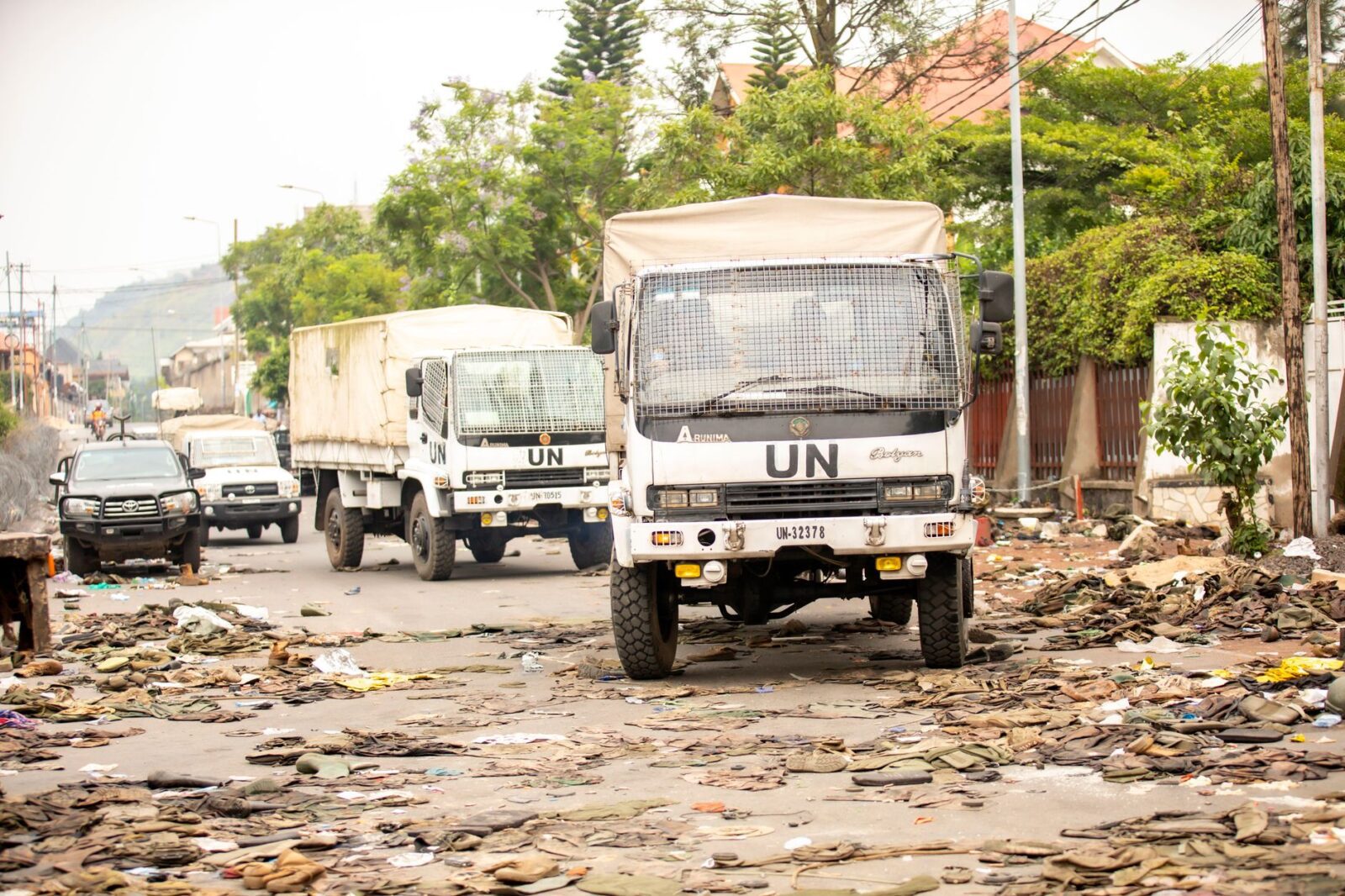
The United Nations Organization Stabilization Mission in the Democratic Republic of the Congo (MONUSCO) is mandated to support the DRC government in peacekeeping, protection of civilians, and assistance with disarmament efforts. The ICG highlights MONUSCO as a key partner because its presence on the ground can help verify compliance with the protocol, facilitate the cantonment of combatants, and contribute to efforts to combat impunity through human rights monitoring and reporting.
Conclusion and Next Steps
The ICG’s August 2026 joint statement represents a significant diplomatic push to translate a signed FDLR disarmament protocol into concrete action on the ground. While the statement does not directly modify visa or immigration policies, its focus on security implementation has indirect relevance for travelers, expatriates, investors, and anyone considering residency or citizenship in the Great Lakes region. Staying informed through official government travel advisories, embassy notifications, and reputable security analysts remains the best strategy to navigate any evolving situation.
We encourage readers to share their experiences or questions in the comments below. If you found this analysis useful, please consider sharing it with friends, colleagues, or anyone planning travel or investment in Central Africa. Your insights help build a community of well‑informed, responsible global citizens.
Stay informed with the latest travel news, visa updates, and destination guides. Follow HimalayanCrest.com for weekly travel intelligence delivered by our editorial team.