


Conan O’Brien Returns with Season 3 of His Globetrotting Comedy
The Emmy‑winning travel series Conan O’Brien Must Go is set to debut its third season on August 21, 2026 on HBO Max. The show continues the format that has made it a cult favorite: Conan meets fans from his podcast Conan O’Brien Needs a Friend in their hometowns, joins them at work or home, and dives into local life with his trademark blend of improv comedy and genuine curiosity. This season expands the itinerary to four countries — Morocco, India, the Netherlands and the Philippines — offering viewers a fresh look at everyday moments that are often overlooked by conventional travel programming. The tagline “One man. Zero shame.” captures the host’s willingness to throw himself into unfamiliar situations, whether that means learning a Bollywood dance routine in Mumbai or sharing tea with a nomadic family in the Sahara. Early buzz from the trailer highlights O’Brien’s attempts at cricket in a Mumbai street, a karaoke session with Filipino fans in Manila, and a spontaneous jam session with Dutch musicians along the Amsterdam canals. The premiere date aligns with the late‑summer travel window, making the show a timely source of inspiration for viewers planning their own trips.
Each episode runs approximately 30 minutes and follows a loose structure: a pre‑arranged meeting with a fan, a guided tour of the fan’s workplace or neighborhood, and an unscripted activity that pushes both host and guest out of their comfort zones. The show’s producers emphasize that no extensive rehearsal takes place; the humor emerges from the genuine reactions and spontaneous exchanges that occur when Conan steps into a new cultural milieu. This approach has earned the series two Emmy Awards for Outstanding Short‑Form Nonfiction or Reality Series, recognizing its ability to blend comedy with authentic cultural observation. By focusing on the fan’s personal story rather than a checklist of tourist attractions, the series offers a narrative that feels intimate and unfiltered.
Inside the Show’s Unique Formula: Fans, Improvisation and Cultural Exchange
Conan O’Brien’s method of selecting destinations begins with the podcast audience. He explains that he looks for fans whose locations spark his own curiosity, noting that a fan from Cleveland, Ohio would not inspire a trip because the setting lacks the sense of novelty he seeks. Conversely, a fan from Norway or Manila immediately raises the prospect of exploring a place he has never experienced firsthand. This fan‑driven model ensures that each episode starts with a personal connection, which then serves as a springboard for broader cultural exploration. The host often mentions that his goal is not to deliver a lecture on geography or history but to leave viewers with a feeling of having met the people who live in those places.
The improvisational nature of the show is rooted in Conan’s background in sketch comedy and late‑night television. He describes the experience as “being a transcontinental clown,” where the willingness to look foolish opens doors to authentic interactions. In past seasons, this has manifested as dressing as Sigmund Freud in Vienna, singing with The Irish Tenors in Dublin, and facing off with a python in Bangkok. For season three, the trailer shows him attempting a Bollywood dance with actors Richa Chadha and Ali Fazal in Mumbai, joining a group of street cricketers for a quick match, and later trying his hand at traditional Filipino karaoke in Manila. These moments are not staged for comedic effect alone; they arise from the host’s genuine attempt to participate in local customs, even when he lacks skill.
Cultural exchange works both ways. Fans often express surprise at seeing a celebrity willingly engage in everyday activities, which breaks down the typical power dynamic between host and guest. Local participants report that the encounter leaves them with a memorable story to share, while viewers gain insight into the nuances of daily life that guidebooks rarely capture. The show’s editing preserves the awkward pauses, laughter, and occasional missteps, reinforcing the idea that travel is as much about the missteps as it is about the highlights.
Destination Spotlight: Mumbai’s Street Cricket and Bollywood Beats
India’s segment of season three centers on Mumbai, a megacity known for its frenetic energy, Bollywood film industry, and passionate cricket culture. Conan’s itinerary includes a visit to a local cricket match held in a narrow street of the Dadar neighborhood, where he attempts to bowl and bat alongside teenage players who play with makeshift equipment. The scene captures the improvisational spirit of the sport in urban India, where vacant lots and alleys become impromptu pitches. According to local coaches interviewed in the episode, street cricket serves as a vital social outlet for youth, fostering teamwork and discipline despite limited access to formal facilities.
Beyond cricket, the Mumbai episode features a Bollywood dance workshop led by actors Richa Chadha and Ali Fazal. Conan learns a basic routine from a popular recent film, struggling with the synchronized footwork and expressive hand gestures that characterize the genre. The actors explain that Bollywood dance is less about technical perfection and more about conveying emotion and storytelling, a concept that resonates with Conan’s comedic approach. The segment also includes a visit to a family‑run tea stall in the Bandra area, where the host samples cutting chai (a strong, spiced milk tea) and learns about the ritual of sharing tea as a daily pause in the bustling city.
Travelers inspired by this episode might consider timing their visit to Mumbai between November and February, when temperatures are milder and the city hosts numerous cultural festivals. A mid‑range budget traveler can expect to spend approximately $45 to $60 per day for accommodation in a three‑star hotel, meals at local restaurants, and public transport. A more frugal backpacker can manage on $25 to $35 per night by staying in hostels and eating at street food stalls. Entry to cricket grounds is generally free, while a Bollywood dance class with a professional instructor averages $20 to $30 per session.
Destination Spotlight: Manila’s Vibrant Neighborhoods and Filipino Hospitality
The Philippines leg of season three takes Conan to Manila, the capital city that blends Spanish colonial heritage, American pop culture influences, and distinctly Filipino traditions. The episode opens with a meeting in the historic district of Intramuros, where Conan walks the cobblestone streets with a fan who works as a tour guide. They discuss the layered history of the walled city, from its 16th‑century fortifications to its role during World War II. The guide points out the San Agustin Church, a UNESCO World Heritage site, and explains how the baroque architecture reflects both European and local artistic influences.
From Intramuros, the adventure moves to a residential neighborhood in Quezon City, where Conan joins a group of friends for a karaoke session—a national pastime in the Philippines. The host attempts to sing a popular OPM (Original Pilipino Music) track, drawing laughter and encouragement from the group. The scene highlights how karaoke functions as a social equalizer, allowing people of all ages and backgrounds to share a moment of joy regardless of vocal ability. Later, Conan visits a family‑run food stall that serves sisig, a sizzling dish made from chopped pork face, onions, and chili peppers, which he describes as both daring and delicious. The host notes that the willingness to try unfamiliar flavors is a recurring theme throughout his travels.
For travelers considering a Manila visit, the dry season from December to May offers the most predictable weather, with average daytime temperatures ranging from 28°C to 33°C. A mid‑range traveler should budget about $50 to $70 per day for accommodation in a reputable three‑star hotel, meals at mid‑priced restaurants, and rides via ride‑hailing apps. Budget travelers can reduce costs to $30 to $40 per night by opting for guesthouses and eating at local markets such as Quiapo or Divisoria, where a full meal can be had for under $2. Entrance to Fort Santiago in Intramuros costs approximately $3, while a karaoke room rental for an hour averages $5 to $8.
Destination Spotlight: Morocco’s Desert Adventures and Dutch Canal Chats
Although the user’s request emphasizes Mumbai and Manila, the season also includes Morocco and the Netherlands, providing a contrasting set of experiences that enrich the show’s narrative. In Morocco, Conan ventures into the Sahara Desert near Merzouga, where he rides a camel across the dunes at sunrise alongside a local Berber guide. The guide explains the significance of the desert as a cultural crossroads, noting historic trade routes that once linked sub‑Saharan Africa with Mediterranean markets. The episode captures the stark beauty of the landscape, the silence of the dunes, and the warmth of Bedouin hospitality, as Conan is invited to share a glass of mint tea inside a traditional nomadic tent.
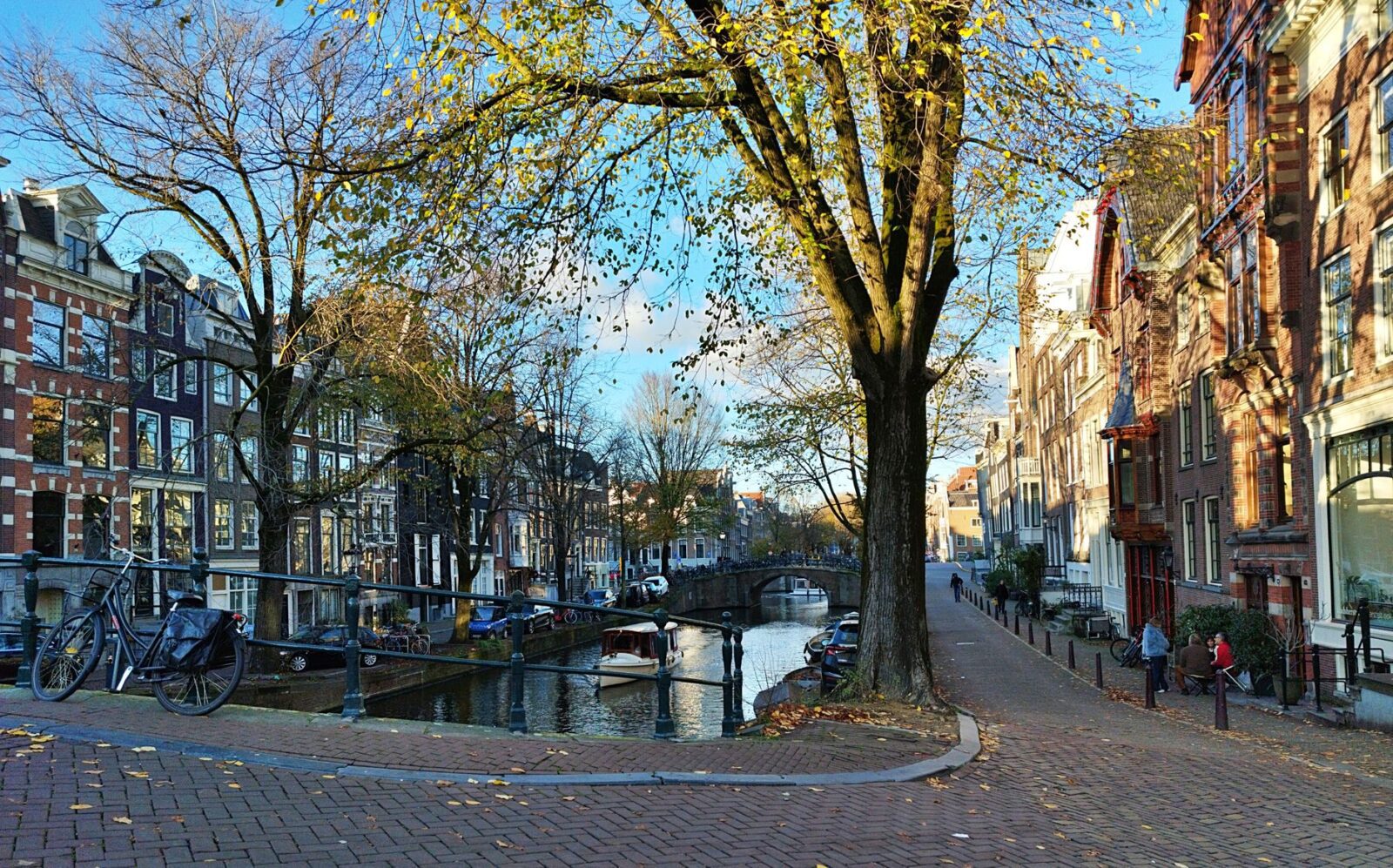
The Netherlands segment shifts the tone to urban exploration in Amsterdam. Conan meets a fan who works as a bicycle mechanic in the Jordaan district, a neighborhood famous for its narrow houses, art galleries, and bustling market square. Together they navigate the city’s iconic canals by renting a pair of classic Dutch bicycles, stopping to discuss the city’s approach to urban planning, sustainability, and cycling culture. The host attempts to order a stroopwafel from a street vendor, learning the proper technique of placing the warm waffle atop a cup of coffee to soften the caramel filling. The episode also includes a visit to a local brewery where Conan samples a craft beer and learns about the Dutch tradition of gezelligheid, a concept that conveys coziness and social comfort.
Travelers drawn to the Moroccan desert should consider visiting between October and April, when daytime temperatures are more tolerable for outdoor activities. A mid‑range budget for a desert tour that includes camel trekking, overnight camping, and meals averages $120 to $150 per night per person. In Amsterdam, a mid‑range traveler can expect to spend $100 to $130 per day for accommodation in a three‑star hotel, meals at cafés, and public transport. Budget travelers can find hostels for $35 to $50 per night and save on meals by buying fresh produce from local markets and preparing simple dishes in shared kitchens.

What the Show Teaches Travelers About Authentic Experiences
Conan O’Brien Must Go offers a subtle masterclass in how to travel with an open mind and a willingness to embrace discomfort. Rather than presenting a polished itinerary of landmarks, the show emphasizes the value of spontaneous interactions, local invitations, and the humility required to participate in unfamiliar customs. Viewers observe that the most memorable moments often arise when the host sets aside his celebrity status and approaches each encounter as a curious learner. This mindset aligns with a growing trend among global travelers who prioritize experiential travel over sightseeing checklists—a shift reflected in rising demand for community‑based tourism, homestays, and cultural workshops.
The series also underscores the importance of language effort, even when limited to a few phrases. Conan frequently attempts greetings in the local language, which, despite imperfect pronunciation, tends to elicit warmer responses from residents. This small gesture signals respect and can open doors to deeper conversations. Additionally, the show highlights the role of food as a cultural gateway; sharing a meal, whether it’s street‑side chai in Mumbai or sisig in Manila, creates a natural setting for storytelling and connection.
For travelers seeking to replicate this approach, experts recommend allocating at least one day of each trip to unstructured exploration. This might involve wandering a neighborhood without a set agenda, striking up conversations with shop owners, or attending a local event such as a market, festival, or sports match. Keeping a flexible schedule increases the likelihood of serendipitous encounters that can become the highlight of a journey.
Practical Travel Tips: Costs, Timing and How to Follow Conan’s Footsteps
Planning a trip inspired by Conan O’Brien Must Go requires attention to seasonal timing, budget considerations, and logistical details. The show’s four destinations each have distinct peak seasons that affect weather, crowd levels, and prices. Travelers aiming to replicate the Mumbai street cricket scene should target the winter months (November to February) when the city’s heat subsides and outdoor activities are more comfortable. For Manila, the dry season from December to May offers the best conditions for exploring historic neighborhoods and enjoying outdoor karaoke. Morocco’s Sahara is most accessible between October and April, while Amsterdam’s canal‑side charm is pleasant year‑round, with the tulip season in April and May adding extra color.
Budget breakdowns help travelers gauge what to expect. In India, a mid‑range traveler can anticipate daily expenses of $45 to $60, covering accommodation in a three‑star hotel, meals at local restaurants, and auto‑rickshaw or metro fares. In the Philippines, the comparable range is $50 to $70 per day. Morocco’s desert excursions raise the average to $120 to $150 per night when including guided tours and camping gear, though city stays in Marrakech or Fes can be managed for $80 to $110 per day. The Netherlands, particularly Amsterdam, tends to be the most expensive of the four, with mid‑range daily costs ranging from $100 to $130.
Practical steps to follow Conan’s footsteps include reaching out to local fan communities via social media platforms such as Reddit or Discord, where viewers often organize meet‑ups inspired by the show. Many cities host expat or international traveler groups that welcome newcomers for coffee chats, language exchanges, or guided walks. Booking a local guide through platforms like Withlocals or ToursByLocals can provide a similar experience to the show’s fan‑led tours, offering insider knowledge while supporting resident entrepreneurs. Finally, travelers should consider purchasing travel insurance that covers medical emergencies and trip cancellations, especially when venturing into remote desert areas or participating in adventure activities like camel trekking.
Looking Ahead: What Season 3 Means for the Future of Comedy Travel Shows
The renewal of Conan O’Brien Must Go for a third season signals continued appetite for travel programming that blends humor with authentic cultural exchange. Networks and streaming platforms have noted that audiences respond positively to formats where the host is willing to be the butt of the joke, as it lowers barriers and makes foreign cultures feel more approachable. This trend is likely to inspire similar projects featuring comedians, actors, or influencers who immerse themselves in local life rather than delivering narrated overviews of attractions.
From an industry perspective, the show’s success underscores the value of leveraging existing fan bases—such as podcast listeners—to drive destination selection. This approach not only ensures built‑in interest but also encourages sustainable tourism by directing visitors toward lesser‑known neighborhoods and small businesses that benefit directly from visitor spending. As the travel industry continues to recover from recent disruptions, experiences that prioritize community engagement and cultural respect are expected to gain further traction.
For viewers, season three offers a fresh set of stories that may spark personal travel plans, encourage deeper curiosity about the places featured, and remind audiences that the most rewarding journeys often begin with a simple willingness to say “yes” to the unknown. As Conan himself puts it, the goal is not to accumulate facts about a country but to come away with a sense of its people—a sentiment that resonates strongly in today’s interconnected world.
Stay informed with the latest travel news, visa updates, and destination guides. Follow HimalayanCrest.com for weekly travel intelligence delivered by our editorial team.