


Taj Hotels Begins Phased Staff Return to Dubai Properties
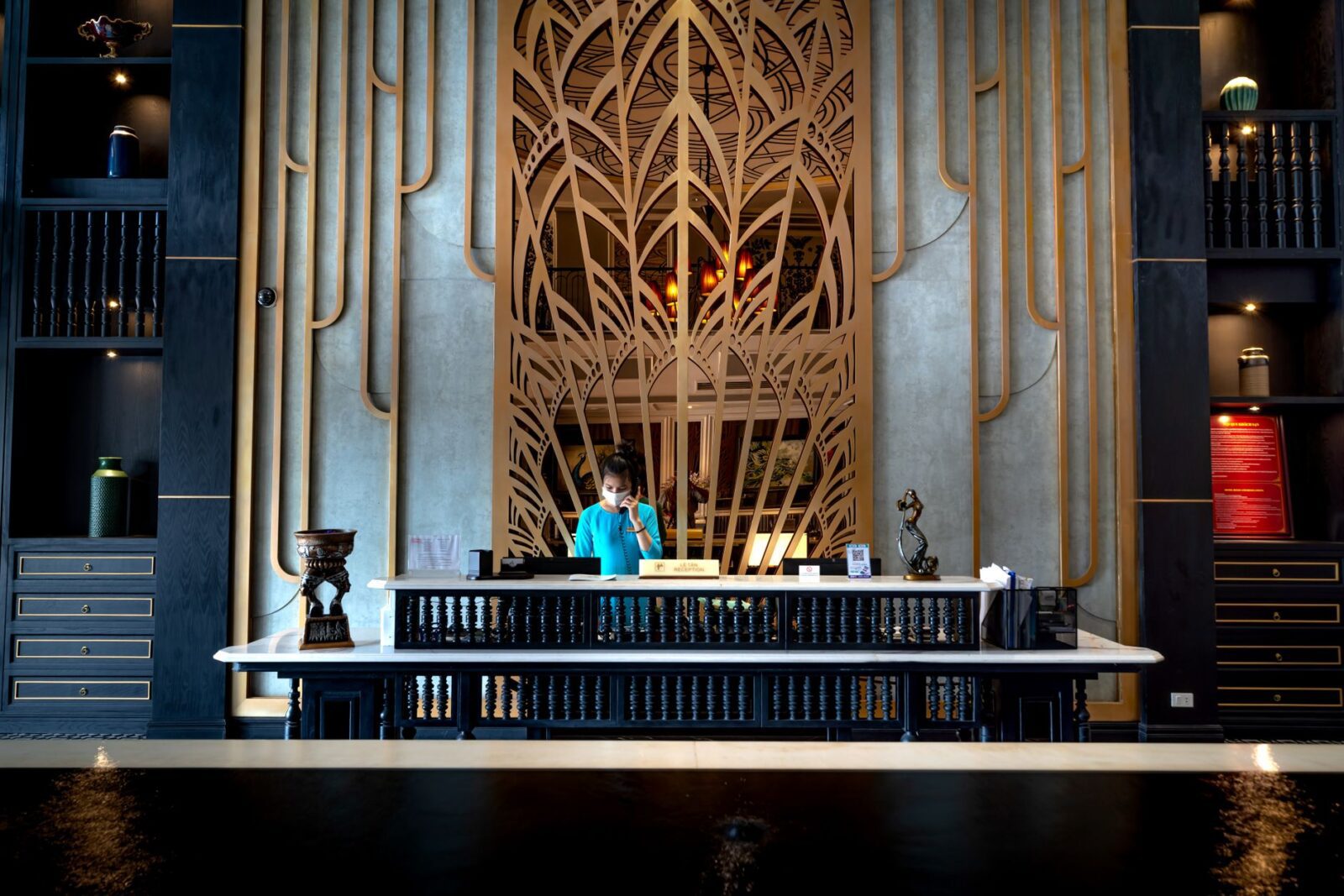
Indian Hotels Company Limited, which operates the Taj brand, has started bringing back employees who were temporarily moved to other Gulf properties during the recent regional conflict. According to Saurabh Tiwari, vice president of operations for the Middle East, Maldives and Sri Lanka, the return is gradual and focuses on operational teams such as food & beverage, front office, housekeeping and culinary. The move comes as business levels at Taj Dubai and Taj Exotica, The Palm show signs of strengthening. Tiwari noted that during the disruption, staff were reassigned to other Taj hotels within the IHCL network to keep them employed. Now, with occupancy improving, the company is reversing those transfers.
Occupancy Numbers Show a Fragile Rebound
Taj Dubai has maintained occupancy in the high‑70 % range over the past two months, a notable improvement compared to the broader market. Taj Exotica, The Palm saw its occupancy rise from about 36 % in June to 50 % in July, with a forecast to exceed 60 % in August. Taj Jumeirah Lakes Towers followed a similar trend, climbing from 53 % occupancy in June to 59 % in July and expected to break the 60 % mark this month. These figures contrast sharply with the city‑wide average, which fell to 56.4 % in the first half of 2026, down from 81 % a year earlier. The rebound is still uneven across different hotel segments.
Dubai hotel occupancy dropped to 56.4 % in H1 2026 (from 81 % a year earlier), with roughly 5,400 rooms affected by the downturn.
Why Dubai’s Recovery Is a Supply‑Side Story
Analysts point out that the current uptick in occupancy is less about a surge in new demand and more about hotels using the quieter period to complete renovations they had postponed. Many properties took advantage of lower guest counts to refurbish rooms, upgrade public areas and train staff. This supply‑side effort means that when travelers do return, they will find improved facilities even if overall visitor numbers have not yet reached pre‑conflict levels. The strategy helps hotels protect their brand standards while waiting for the international travel flow to normalize.
How Other Hotel Groups Are Approaching Q4 Caution
While Taj is moving ahead with staff returns, several other operators remain cautious about committing to a full workforce restoration. Al Habtoor Grand, for example, has reported a noticeable pickup in bookings from the United Kingdom, Russia and the Commonwealth of Independent States, and expects its Q4 occupancy to approach 2025 levels, but it has not yet announced large‑scale staff recalls. Industry consultants note that many hotels are watching macro‑economic indicators, flight schedules and geopolitical developments before making permanent staffing decisions. This hesitancy reflects a broader sentiment that the recovery may be gradual rather than abrupt.
Impact on Travelers: Booking Trends and Price Outlook
For travelers planning a trip to Dubai in the latter part of 2026, the improving occupancy suggests that availability will gradually tighten, especially in the luxury segment where Taj properties operate. Average daily rates are projected to range between Dh600 and Dh675 (approximately USD 165–USD 185) for the second half of the year, according to Cavendish Maxwell. While these rates are still below the peak recorded in 2025, they represent a modest increase from the depressed levels seen earlier in 2026. Travelers who book early may secure better rates, while last‑minute seekers could face higher prices as demand firms up.
Airport Upgrades Aim to Smooth the Return of Visitors
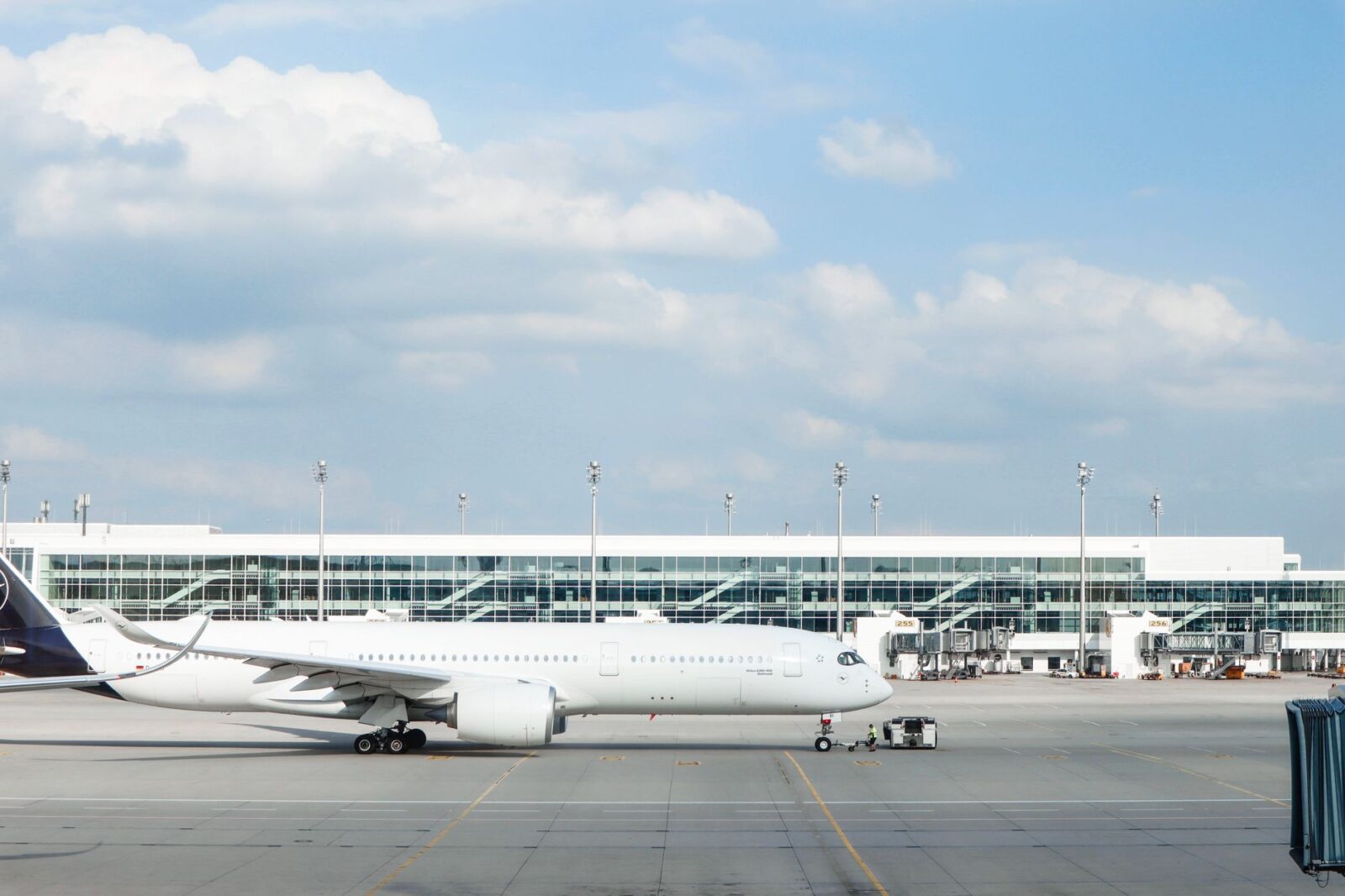
Dubai Airports has responded to the anticipated rise in passenger traffic by expanding smart gate installations and adding staff at immigration counters. The initiative aims to reduce processing times and provide a more contactless experience for arriving holidaymakers. Improved airport efficiency is expected to support the recovery of the hotel sector by making the journey from plane to hotel smoother and more predictable. These upgrades are part of a broader effort to maintain Dubai’s reputation as a leading global transit hub even amid regional uncertainties.
What Experts Say About the Timeline to Pre‑War Levels
S&P Global Ratings has warned that while the Gulf hospitality sector is expected to begin recovering in the fourth quarter of 2026, a full return to pre‑war occupancy levels is unlikely before the end of 2027. The ratings agency cites lingering geopolitical tensions and a cautious return of long‑haul travelers as key constraints. Property consultants echo this view, noting that momentum will likely build gradually as winter tourism season strengthens and international air connectivity improves. Travelers should therefore set realistic expectations for hotel availability and pricing over the next 18‑month window.
Practical Tips for Planning a Dubai Trip in Late 2026
Based on the current trends, here are several actionable suggestions for visitors:
- Book accommodation at least four to six weeks in advance to lock in today’s rates before any potential upward pressure.
- Consider visiting during the shoulder months of October or November, when the weather is pleasant and the winter tourist surge has not yet peaked.
- Take advantage of the upgraded smart gates at Dubai International Airport to save time on arrival; allow an extra 15‑20 minutes for baggage claim during peak periods.
- Explore dining options within hotel complexes, as many Taj properties have reinstated full food & beverage teams and are offering seasonal menus that reflect both local and international tastes.
- Keep an eye on flight schedules from key source markets such as the United Kingdom, Russia and India, as improvements in connectivity often precede noticeable jumps in hotel bookings.
By following these tips, travelers can enjoy a comfortable stay while contributing to the steady recovery of Dubai’s hospitality sector.
Frequently Asked Questions
Is it safe to travel to Dubai now?
Yes, the city remains safe for tourists. The recent conflict did not involve direct hostilities within Dubai’s emirate, and authorities have maintained normal security protocols. Hotels have implemented enhanced health and safety measures, and the airport upgrades are designed to process visitors efficiently.
Will hotel prices rise sharply in the next few months?
Prices are expected to increase modestly as occupancy climbs, but a dramatic spike is unlikely before the end of 2026. The projected ADR range of Dh600–Dh675 reflects a gradual recovery rather than a sudden surge.
Which nationalities are driving the current booking rebound?
Early signals indicate renewed interest from travelers originating in the United Kingdom, Russia, the Commonwealth of Independent States and India. These markets have shown the strongest pickup in bookings for Taj and other mid‑to‑upper‑tier hotels.
Should I consider alternative accommodations like serviced apartments?
Serviced apartments remain a viable option, especially for longer stays or families seeking kitchen facilities. However, many hotels are now offering competitive packages that include meals and leisure amenities, making them attractive alternatives.
When can I expect Dubai’s hotel market to feel like it did before 2025?
Analysts suggest that a full return to pre‑war occupancy and rate levels is not anticipated before late 2027. The recovery will likely be gradual, supported by improving flight connections and the seasonal influx of winter tourists.
Stay informed with the latest travel news, visa updates, and destination guides. Follow HimalayanCrest.com for weekly travel intelligence delivered by our editorial team.