

Beyond the Gateway: Explore Canada’s Overlooked City Gems
Many travellers land at Canada’s biggest airports and head straight for the famous names they already know—Toronto, Montreal, Vancouver or Calgary. In doing so, they bypass a string of smaller cities that offer waterfalls, French‑speaking heritage, prairie horizons and mountain views without the crowds. This article shows why a short detour from the airport can turn a routine layover into the highlight of a trip.
Hamilton: Waterfalls and Steel Heritage on Lake Ontario
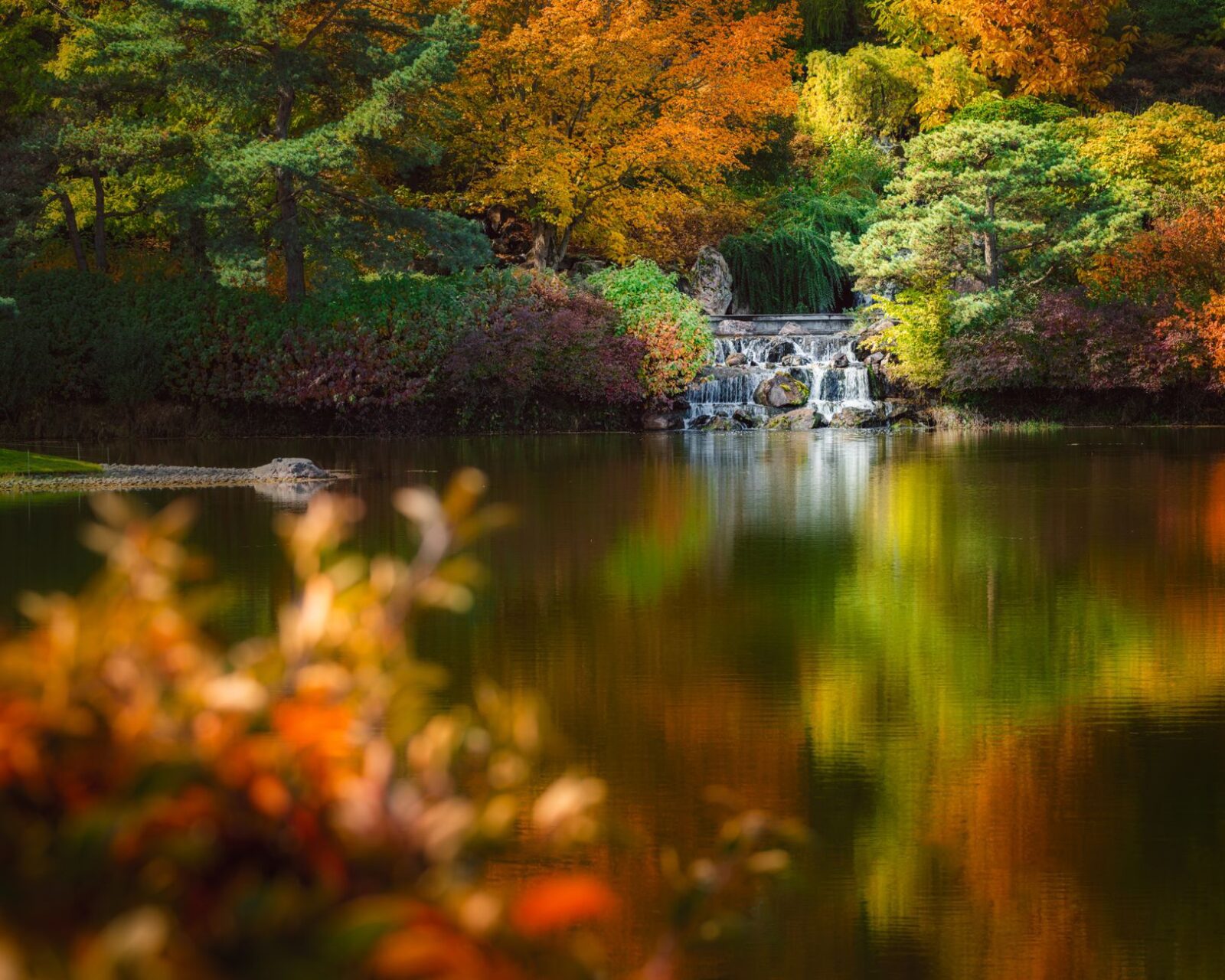
Hamilton lies about an hour’s drive southwest of Toronto Pearson International Airport and just a short hop from Niagara Falls, yet it remains one of the easiest places to overlook. The city is famous for having more than 100 natural waterfalls and cascades, many of which are reachable by short hikes from urban trails. Visitors can walk the Bruce Trail along the Niagara Escarpment, see the dramatic Devil’s Punchbowl or explore the tranquil Albion Falls without venturing far into the wilderness.
Exploring the City’s Cascade Network
The waterfall circuit is well‑marked, with signage that tells the geological story of each gorge. A popular loop starts at the Dundas Peak lookout, descends to Webster’s Falls and continues to Tews Falls, offering photo opportunities at every turn. Seasonal changes bring ice formations in winter and lush greenery in summer, making the falls a year‑round attraction. Local outfitters rent bikes and kayaks for those who want to combine waterfall views with lakefront paddling on Lake Ontario.
Culture, Food and Easy Access from YHM
Beyond nature, Hamilton’s downtown blends historic brick warehouses with modern galleries, live music venues and a growing food scene that reflects its industrial roots. The city’s nickname, the “Steel Capital of Canada,” comes from the century‑old operations of Stelco and Dofasco, whose legacy is celebrated at the Canadian Warplane Heritage Museum and the Hamilton Museum of Steam & Technology. John C. Munro Hamilton International Airport (YHM) handles about 23 flights daily to 25 destinations, with nonstop links to Montreal, Vancouver and even Akron, Ohio, making it a convenient gateway for a quick stopover.
Trois‑Rivières: Where French Heritage Meets River Confluence
Situated halfway between Montreal and Quebec City, Trois‑Rivières often disappears from itineraries that rush straight to the two larger francophone hubs. Yet it holds the distinction of being North America’s second‑oldest French‑speaking city, founded in 1634. The city sits at the meeting point of the Saint‑Maurice and St. Lawrence rivers, offering scenic waterfront walks and a compact historic quarter that feels like a step back in time.
Historic Quarter and Riverfront Promenade
Visitors can wander the Old Town, where stone buildings house cafés, boutiques and the Musée POP, which explores Quebec’s popular culture through interactive exhibits. The riverfront promenade stretches for several kilometres, providing views of passing cargo ships and pleasure boats, especially beautiful at sunset. In summer, the FestiVoix festival fills the streets with music, theatre and dance, drawing crowds from across the province.
Practical Access and Nearby Attractions
Trois‑Rivières is reachable by a 90‑minute drive from Montreal‑Trudeau Airport or a two‑hour drive from Quebec City Jean Lesage Airport. Regional bus services and VIA Rail trains also stop in the city, making it easy to add a night or two without a rental car. Nearby, the Parc de l’Île Saint‑Quentin offers beaches, walking trails and a chance to spot migratory birds along the river islands.
Abbotsford: Fraser Valley Farmland and Mountain Gateway
Abbotsford sits in British Columbia’s fertile Fraser Valley, about 70 kilometres east of Vancouver International Airport. While many travellers speed through on the way to Whistler or the Okanagan, Abbotsford presents a quieter side of the province with rolling farmland, fresh produce markets and close access to the Cascades mountain range. The city’s agricultural heritage is evident in its numerous farmers’ markets and the annual Abbotsford International Airshow, which draws aviation enthusiasts from across North America.
Farm‑to‑Table Experiences and Outdoor Activities
The city’s farm stands sell everything from sweet corn and blueberries to artisanal cheeses and honey, allowing visitors to taste the valley’s bounty directly from the source. Outdoor lovers can hike the Sumas Mountain trails, bike the diked trails along the Fraser River or kayak on the tranquil waters of Mill Lake. In winter, the nearby Mount Baker ski area offers powder runs just a short drive away, making Abbotsford a convenient base for both summer and winter adventures.
Transport Links and Cost Considerations
Abbotsford International Airport (YXX) handles a modest number of flights, primarily connecting to Calgary and Edmonton via regional carriers. However, the city is well served by Highway 1 and the Trans‑Canada Highway, with frequent bus services from Vancouver and Seattle. Accommodation ranges from budget motels under $80 per night to mid‑range hotels averaging $120‑$150, offering flexibility for travellers who want to save on lodging while exploring the valley.
Red Deer: Prairie Parks, Culture and Central Alberta Hub
Red Deer lies roughly halfway between Edmonton and Calgary, about 150 kilometres north of Calgary International Airport. Often seen as merely a fuel stop on the Queen Elizabeth II Highway, the city boasts an extensive park system, a vibrant arts community and a surprising amount of cultural programming for a prairie town of its size. The Red Deer River winds through the city, creating green corridors that link neighbourhoods and provide habitat for wildlife.
Waskasoo Park and the River Trail System
Waskasoo Park covers more than 1,000 acres and includes the popular Heritage Ranch, where visitors can experience historic farming demonstrations and interact with farm animals. The Red Deer River Trail system stretches over 80 kilometres, offering paved paths for walking, cycling and inline skating, with interpretive signs that explain the area’s natural history. In winter, the same trails become groomed cross‑country ski routes, providing year‑round recreation.
Arts, Festivals and Easy Day Trips
The city’s downtown hosts the Red Deer Museum + Art Gallery, which features rotating exhibits on Alberta’s history and contemporary Indigenous art. Summer brings the Red Deer Folk Festival and the Central Alberta Pride Parade, while winter features the Festival of Lights that illuminates the river valley. For those with a rental car, day trips to the nearby Rocky Mountain foothills or the Badlands of Drumheller are easily achievable, adding variety to a prairie‑based itinerary.

Brandon: Manitoba’s Wheat City and Riverfront Charm
Brandon is located in southwestern Manitoba, roughly 200 kilometres west of Winnipeg James Armstrong Richardson International Airport. Known as the “Wheat City” due to its historic role in grain production, Brandon offers a mix of agricultural heritage, cultural venues and scenic riverfront settings along the Assiniboine River. The city’s modest size means attractions are close together, making it simple to explore on foot or by bike.
Riverbank Attractions and Historic Architecture
The Assiniboine Riverwalk runs for several kilometres, linking parks, public art installations and the Brandon General Museum, which showcases the region’s pioneering past. Historic downtown blocks feature early‑20th‑century brick buildings that now house cafés, breweries and boutique shops. In summer, the riverbank hosts outdoor concerts and the popular Brandon Summer Festival, which draws families with its midway rides and live music.
Access, Affordability and Nearby Natural Areas
Brandon Airport (YBR) offers limited scheduled service, primarily connecting to Winnipeg and Toronto via regional airlines. However, the city is easily reached by Highway 1, with regular bus connections from Winnipeg taking about three hours. Accommodation is notably affordable, with many hotels and motels priced under $70 per night, and campgrounds along the river offering sites for $30‑$40. Just outside town, the CFB Shilo training area provides opportunities for guided nature walks and birdwatching, adding a touch of wilderness to a prairie stay.
Practical Tips for Adding a Stopover to Your Canadian Itinerary
Incorporating one of these overlooked cities into a trip does not require a major redesign of travel plans; a modest shift in timing can yield rich rewards. Travellers flying into major hubs can look for flights that arrive early in the day or depart late in the evening, creating a window of four to six hours for a quick city visit. Many regional airports, such as Hamilton (YHM) and Abbotsford (YXX), offer luggage storage services or nearby hotels with day‑use rooms, making it feasible to freshen up before heading onward.
Cost considerations are often favourable. Secondary cities tend to have lower accommodation prices than gateway metros; a night in Hamilton averages $130, while Trois‑Rivières runs about $110 and Abbotsford around $120, compared with $180‑$220 for downtown Toronto or Vancouver. Dining also reflects local pricing, with hearty meals available for $15‑$25 in most of these centres. Public transit or rideshare apps can move visitors from the airport to downtown in under an hour for typically under $20.
Timing matters for experiencing each city’s unique appeal. Hamilton’s waterfalls are most spectacular after spring runoff (April‑June) and again during the autumn colours (September‑October). Trois‑Rivières shines in summer when festivals fill the streets, while Abbotsford’s farm markets peak from July to September. Red Deer’s river trails are pleasant from late May through early October, and Brandon’s riverfront comes alive in June‑August with outdoor events. Checking local event calendars before booking can help align a stopover with a highlight.
Future Outlook: Growing Interest in Regional Canadian Travel
Tourism boards across Canada are increasingly promoting secondary cities as a way to distribute visitor numbers and reduce pressure on hotspots like Banff or Niagara Falls. Recent investments in regional airport infrastructure—such as the new terminal expansion at Hamilton’s YHM completed in 2025 and upgraded rail links between Montreal and Trois‑Rivières—signal a commitment to making these destinations more accessible. As travellers seek authentic experiences beyond the typical postcard sights, the trend of “airport‑to‑hidden‑gem” itineraries is likely to grow.
For the independent traveller, this shift means more opportunities to craft personalized routes that combine urban comforts with natural beauty, all while keeping budgets in check. By pausing at a lesser‑known city, you not only gain a fresh perspective on Canada’s diverse landscapes but also support local economies that benefit from sustainable, dispersed tourism. The next time you book a flight into a major Canadian airport, consider allocating a few hours to explore the surroundings—you might discover that the journey itself becomes the most memorable part of the trip.
Stay informed with the latest travel news, visa updates, and destination guides. Follow HimalayanCrest.com for weekly travel intelligence delivered by our editorial team.