

A Milestone for UK Renewable Energy
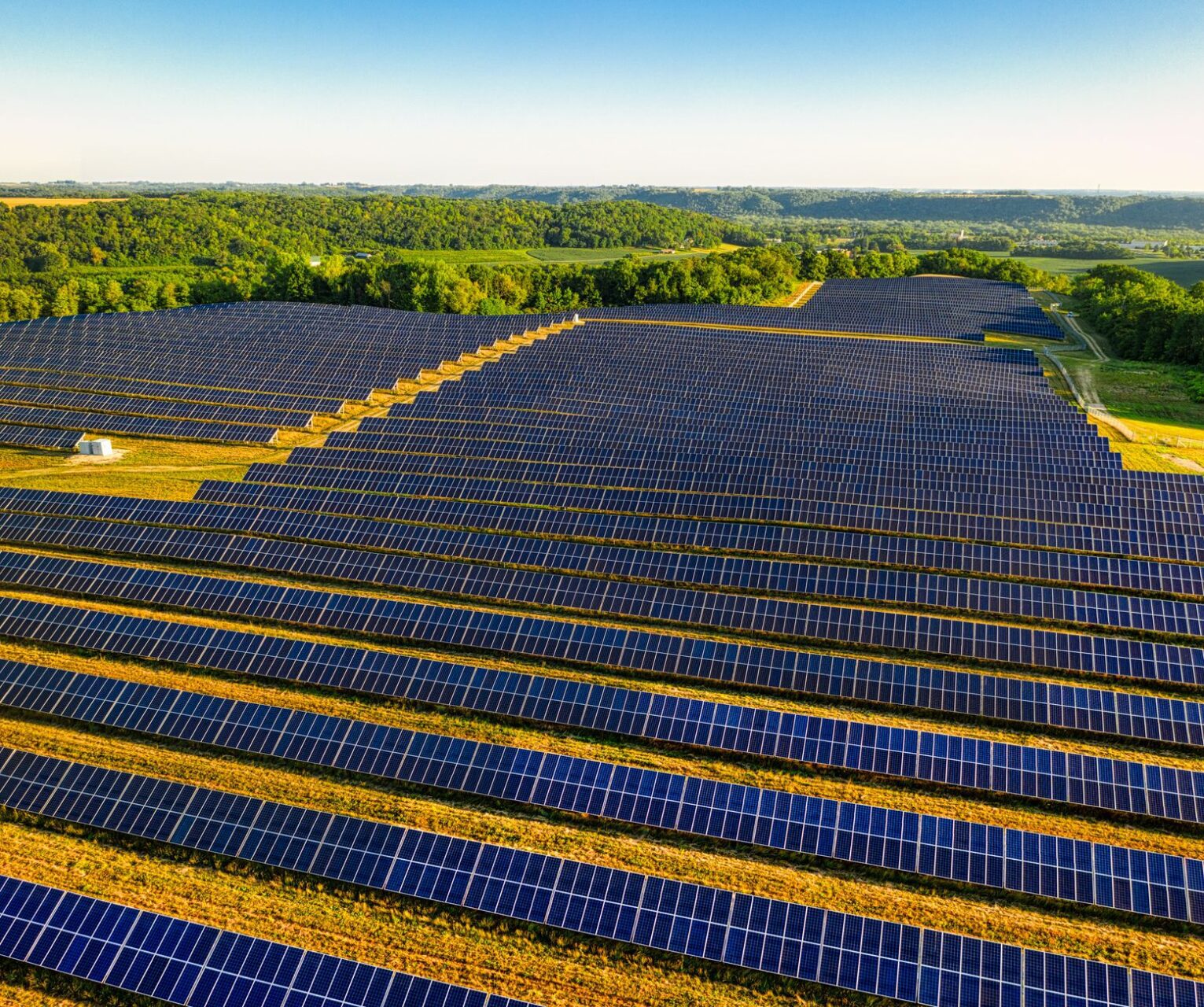
On 21 August 2026, the Department for Energy Security and Net Zero announced that the Beacon Fen Energy Park development consent application had been granted. This marks the 112th energy project to receive approval under the Planning Act 2008, demonstrating the UK’s continued push toward net‑zero targets. The project, located near Sleaford in Lincolnshire, will combine a 400‑megawatt solar photovoltaic farm with up to 600 MVA of battery energy storage. According to the BBC, the completed park could power as many as 130,000 homes. This scale of infrastructure sends a clear signal to investors and workers alike about the UK’s commitment to green energy.
What the Beacon Fen Energy Park Includes
The approved scheme consists of a ground‑mounted solar array covering several hundred hectares, equipped with modern PV panels that track the sun for optimal yield. Up to 600 MVA of Battery Energy Storage System (BESS) will be co‑located to store excess generation and provide grid stability during peak demand. Ancillary works include a new on‑site substation, security perimeter fencing, hedgerow improvements, and ecological enhancements designed to protect local wildlife. The electrical connection will be made at up to 400 kV, linking the park directly to the national transmission network. These components together represent a significant capital investment, though the exact figure has not been disclosed in the consent documents.
Why This Matters for Visa Applicants and Skilled Workers
While the consent decision itself does not alter immigration law, large‑scale energy projects create demand for specialized labor that can be met through sponsored work visas. The UK Skilled Worker visa allows employers to sponsor overseas nationals for roles that meet a minimum skill level and salary threshold. Renewable energy construction and operation typically require engineers, electricians, project managers, and battery‑technicians — occupations that appear on the UK’s Shortage Occupation List. Consequently, firms involved in Beacon Fen may seek to sponsor skilled workers from abroad to fill gaps that cannot be filled locally.
In addition to the Skilled Worker route, the Global Talent visa offers a pathway for individuals recognized as leaders or potential leaders in academia, research, or digital technology. Although the park’s primary workforce is technical, research collaborations with universities on storage efficiency or grid integration could generate eligibility for this route. Investors who wish to establish a presence in the UK through the park’s supply chain might also explore the Innovator Founder visa, which requires an endorsed business plan and at least £50,000 in investment funds. Understanding these options helps prospective applicants align their qualifications with the project’s needs.

Which Nationalities and Traveler Types Are Most Likely to Be Affected
The project’s location in England means that any employer sponsoring a worker must hold a valid sponsor licence issued by UK Visas and Immigration (UKVI). Nationalities that currently benefit from the UK’s streamlined visa processes — such as citizens of the United States, Canada, Australia, New Zealand, Japan, Singapore, and many European Economic Area countries — will find the application process relatively straightforward, provided they meet the skill and salary criteria. Applicants from countries with higher visa refusal rates may need to provide stronger evidence of qualifications and employment offers.
Beyond traditional skilled workers, the project could attract digital nomads who provide remote consulting services for renewable‑energy firms, though such work would still require appropriate authorization if performed from within the UK. Retirees seeking to relocate to the UK for lifestyle reasons are unlikely to be directly affected unless they pursue part‑time consultancy or investment roles. Entrepreneurs looking to establish a UK‑based subsidiary that supplies components to the park may consider the Innovator Founder visa (the current route for innovative start‑ups) if they have an innovative, scalable business idea endorsed by an approved body.
Step‑by‑Step Guidance: What Affected Travelers Should Do Now
Follow these steps to position yourself for a sponsored role linked to the Beacon Fen Energy Park:
- Confirm your occupation appears on the UK Shortage Occupation List.
- Identify employers with sponsor licences working on the project (check the UKVI sponsor register).
- Secure a job offer and obtain a Certificate of Sponsorship.
- Gather required documents: passport, English test results, proof of qualifications, and salary evidence.
- Submit the online Skilled Worker visa application, pay fees, and attend a biometrics appointment.
- Monitor your application status and prepare for relocation once approved.
Details on fees: the Skilled Worker visa costs £625 for up to three years of leave, plus the immigration health surcharge of £624 per year. The Global Talent visa fee is £608, with the same health surcharge. Always verify the latest amounts on the official UK Visas and Immigration website before applying.

How Other Countries Link Renewable Energy Projects to Immigration Pathways
Germany, Europe’s largest economy, ties its renewable expansion to the EU Blue Card scheme, which enables highly qualified non‑EU nationals to work and reside in Germany if they hold a recognized degree and earn a salary above a set threshold (approximately €45,300 in 2026, lower for shortage occupations). Solar and wind farm developers frequently sponsor engineers and technicians under this route, making it comparable to the UK’s Skilled Worker visa. Germany also offers a “Job Seeker visa” that allows qualified professionals to enter the country for up to six months to search for employment, a useful option for those targeting the renewables sector.
Australia’s Skilled Independent visa (subclass 189) and Skilled Nominated visa (subclass 190) prioritize occupations on the Medium and Long‑term Strategic Skills List (MLTSSL), which includes roles such as “Electrical engineer” and “Renewable energy engineer”. Points are awarded for age, English proficiency, work experience, and Australian study, enabling skilled migrants to gain permanent residency without employer sponsorship. Canada’s Global Skills Strategy provides two‑week processing for certain high‑skill roles, and provinces like Alberta and Saskatchewan have streams that target energy‑sector workers through the Provincial Nominee Program (PNP). These examples show that linking major infrastructure projects to immigration is a common strategy among nations pursuing clean‑energy goals.
Impact on Investors, Digital Nomads, Retirees, and Citizenship‑Seekers
Investors who wish to gain a foothold in the UK’s renewable market may consider the Innovator Founder visa, which requires an endorsed, scalable business idea and at least £50,000 in investment funds. Successful applicants can settle after three years and later apply for indefinite leave to remain (ILR), a step toward British citizenship. The Beacon Fen project’s supply chain — covering everything from PV panel manufacturing to BESS maintenance — creates opportunities for ancillary businesses that could qualify for this route.
Digital nomads providing remote services (e.g., software monitoring, data analytics) typically do not need a work visa if they remain outside the UK, but those who wish to reside in the UK while working for overseas clients may explore the UK Global Business Mobility visa (formerly the Intra‑Company Transfer) or the new Remote Worker visa** (pilot schemes in some countries). Retirees are generally unaffected unless they pursue part‑time consultancy or investment; the UK does not offer a retirement‑specific visa, so they must rely on other routes such as family reunification or long‑term visitor visas with strict limits on stay. For those ultimately seeking citizenship, any lawful residence accumulated under Skilled Worker, Innovator Founder, or Global Talent visas counts toward the five‑year residency requirement for naturalization, provided they meet the English language and Life in the UK test criteria.
Frequently Asked Questions
What is the exact date the Beacon Fen Energy Park received development consent?
The consent was granted on 21 August 2026 by the Department for Energy Security and Net Zero, as published in the official press release on GOV.UK.
How many homes can the completed Beacon Fen Energy Park power?
According to BBC reporting, the park’s 400 MW solar capacity combined with up to 600 MVA of battery storage is capable of supplying electricity to approximately 130,000 homes.
Do I need a job offer to apply for a UK Skilled Worker visa linked to this project?
Yes. The Skilled Worker route requires a valid Certificate of Sponsorship from an employer holding a sponsor licence. Without a job offer from such an employer, you cannot apply for this visa.
How does the UK’s approach compare to Germany’s EU Blue Card for renewable‑energy workers?
Both systems require a job offer and a minimum salary threshold. The UK’s Skilled Worker visa uses a salary threshold of £26,200 (or the occupation’s “going rate”), while Germany’s EU Blue Card sets a general threshold of about €45,300, reduced for shortage occupations. Germany additionally offers a Job Seeker visa that allows entry without a prior offer, a pathway not currently mirrored in the UK’s standard work‑visa framework.
Can investing in a business that supplies the Beacon Fen park lead to UK residency?
Potentially. If you establish an innovative, scalable business that receives endorsement from an approved body and invests at least £50,000, you may qualify for the Innovator Founder visa. After three years of continuous residence under this route, you can apply for indefinite leave to remain, which is a step toward citizenship.
Conclusion
The approval of the Beacon Fen Energy Park underscores the UK’s determination to expand renewable infrastructure, a development that creates tangible opportunities for skilled workers, investors, and entrepreneurs worldwide. While the consent decision does not rewrite immigration law, it highlights sectors where sponsorship demand is likely to rise. Prospective applicants should monitor job listings, verify sponsor licences, and prepare their documentation now to take advantage of emerging openings. If you found this guide helpful, please share it with colleagues, leave a comment with your questions or experiences, and stay tuned for further updates on how green‑energy projects shape global mobility.
Stay informed with the latest travel news, visa updates, and destination guides. Follow HimalayanCrest.com for weekly travel intelligence delivered by our editorial team.