


Court Ruling Reprieve: Delta-Aeromexico Joint Venture Saved
On August 21, 2026, a federal appeals court overturned a Department of Transportation order that had sought to terminate the antitrust‑immunized joint venture between Delta Air Lines and Aeromexico. The ruling came from the Eleventh Circuit Court of Appeals, which found the DOT’s focus on the Mexico City market alone to be arbitrary and capricious. As a result, the joint venture and its antitrust immunity remain in effect, allowing the two carriers to continue coordinating schedules, sharing revenue, and jointly managing their cross‑border network.
The decision represents a significant win for both airlines, which have operated under this partnership since its initial approval in 2016. Aeromexico issued a statement emphasizing that the joint venture continues to deliver enhanced connectivity, a broader network, more convenient service options, and increased competition for travelers moving between the United States and Mexico. A Delta spokesperson echoed this sentiment, noting the airline’s focus on ensuring customers, employees, and communities continue to benefit from the longstanding collaboration.
For travelers, the immediate effect is that the status quo is preserved. Flights that were previously synchronized under the joint venture will remain coordinated, meaning passengers can still expect seamless connections, aligned departure times, and the ability to earn and redeem miles across both carriers’ loyalty programs. The court’s ruling prevents any abrupt disruption to the extensive US‑Mexico route network that the partnership supports.
What the Joint Venture Actually Means for Travelers
A joint venture allows airlines to work together as if they were a single carrier in a specific market, rather than competing against each other. In practice, this involves coordinated scheduling so that flights are timed to minimize layovers, joint pricing strategies that can keep fares competitive, and shared sales channels that let customers book a trip on either airline’s website and still enjoy the benefits of the partner’s network. The Delta‑Aeromexico JV covers the largest international market originating from the United States, which translates to dozens of city‑pair routes and hundreds of weekly flights.
Because of the antitrust immunity granted by the Department of Transportation, the airlines are permitted to exchange certain competitively sensitive information—such as capacity and pricing data—without violating US antitrust laws. This exemption is what makes deep coordination possible. The court’s decision affirmed that the DOT’s original justification for ending the JV, which relied narrowly on the Mexico City market, failed to consider the broader US‑Mexico context that existed when the venture was first approved.
Travelers benefit from this arrangement through more flight options, better timing of connections, and the ability to accrue and redeem miles in either SkyMiles or Club Premier programs on flights operated by either airline. For example, a passenger flying from Los Angeles to Guadalajara can book a Delta‑marketed flight, earn SkyMiles, and still enjoy Aeromexico’s lounge access if they hold elite status, thanks to the reciprocal benefits embedded in the joint venture.
Why the DOT Tried to End the Deal and How the Court Responded
The Department of Transportation initiated its move to terminate the joint venture in early 2024, arguing that the partnership had become overly dominant in the Mexico City market and that its continuation would harm competition. The DOT’s analysis focused primarily on traffic to and from Benito Juárez International Airport, claiming that the joint venture’s control of slots and frequencies there reduced choices for consumers. The agency issued an order directing Delta and Aeromexico to dissolve the alliance and operate as independent competitors in that market.
Delta and Aeromexico challenged the order, contending that the DOT’s methodology was flawed because it ignored the broader competitive landscape of the entire US‑Mexico corridor. The airlines pointed out that when the joint venture was first authorized in 2016, the DOT had conducted a comprehensive market analysis that considered multiple cities, connecting traffic, and the overall benefit to consumers. The Eleventh Circuit agreed with the airlines, ruling that the DOT’s reliance on a single‑airport snapshot was arbitrary and capricious, and therefore vacated the termination order.
The court’s opinion emphasized that antitrust immunity for joint ventures must be evaluated based on the totality of the market in which the partnership operates, not a narrow slice. By restoring the JV, the court reinforced the principle that regulatory decisions must be grounded in a full factual record, especially when they affect complex, multi‑city airline alliances that serve millions of passengers each year.
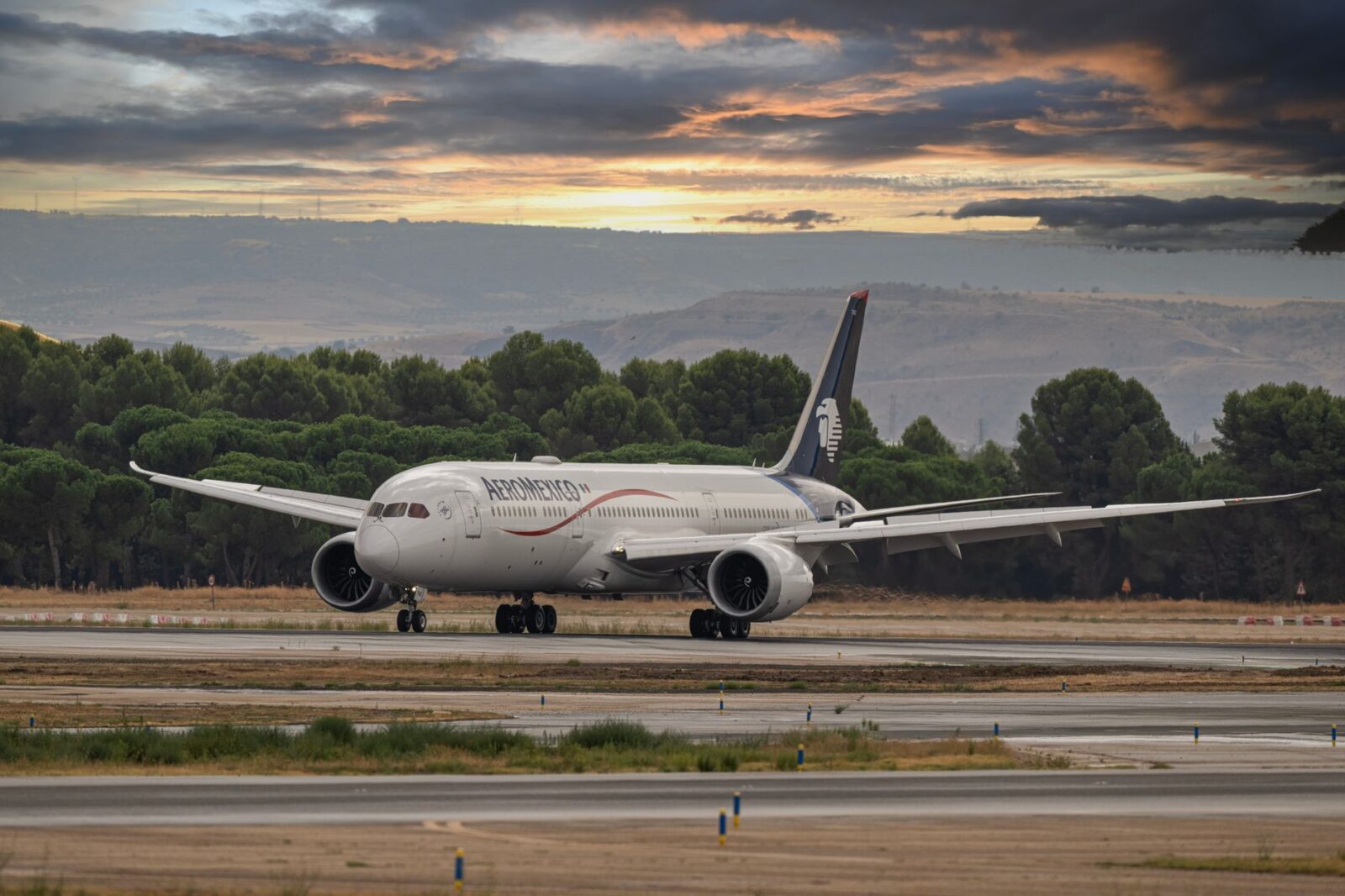
Impact on Flight Options, Prices, and Connectivity Between US and Mexico
With the joint venture intact, travelers can expect the current level of coordination to continue. This means that Delta and Aeromexico will keep aligning their flight schedules to offer convenient connection times at major hubs such as Atlanta, Detroit, Los Angeles, and Mexico City. Passengers traveling from smaller US cities to destinations in central or southern Mexico often benefit from a single‑ticket itinerary that includes a Delta domestic leg and an Aeromexico international segment, with baggage checked through to the final destination.
From a pricing perspective, the joint venture enables the airlines to use revenue‑management tools that consider combined demand, which can help keep fares competitive, especially during peak travel periods. While the partnership does not guarantee the lowest possible price on every route, it does prevent the kind of fare volatility that could arise if the two carriers were forced to compete aggressively on overlapping schedules without any coordination.
In terms of network breadth, the JV supports service to more than 60 destinations in Mexico from over 20 US gateways. Examples include daily flights from New York‑JFK to Cancún, seasonal service from Seattle to Puerto Vallarta, and multiple daily frequencies between Los Angeles and Guadalajara. The continued ability to jointly manage these routes ensures that travelers retain access to a wide range of options for business trips, family visits, and leisure vacations.
How This Fits Into Global Airline Alliance Trends
The Delta‑Aeromexico joint venture is one of several antitrust‑immunized partnerships that US carriers have established with international partners to strengthen their presence in key regional markets. Similar arrangements exist between United Airlines and Copa Airlines for Panama and Central America, and between American Airlines and various partners in South America and Asia. These joint ventures allow airlines to replicate some of the benefits of global alliances—such as coordinated scheduling and lounge access—while operating under a more focused, market‑specific framework.
The court’s decision comes at a time when regulators worldwide are scrutinizing airline partnerships more closely. In Europe, the European Commission has been reviewing the antitrust immunity of certain transatlantic joint ventures, while in Asia, authorities have examined collaborations between major carriers and low‑cost affiliates. The Delta‑Aeromexico ruling may serve as a reference point for future cases, illustrating that regulators must evaluate the full competitive impact of a partnership rather than relying on isolated market data.
For the broader travel industry, the outcome signals that well‑structured joint ventures that demonstrably enhance consumer choice and network efficiency can withstand regulatory challenges, provided they are grounded in a comprehensive analysis. Airlines considering new or expanded partnerships will likely take note of the evidentiary standards applied by the Eleventh Circuit when preparing their own regulatory filings.

Practical Advice for Travelers Booking Trips to Mexico Now
If you are planning a trip to Mexico in the coming months, the preservation of the Delta‑Aeromexico joint venture means you can continue to book itineraries that combine flights from both carriers with confidence. When searching for fares, consider using the Delta website or app, as it will display Aeromexico‑operated flights as part of its search results, and vice versa. This can save time compared to checking each airline’s site separately.
Loyalty program members should verify that their elite status benefits—such as priority boarding, complimentary upgrades, and lounge access—are recognized on partner‑operated flights. Both SkyMiles and Club Premier offer reciprocal earning and redemption, but it is wise to double‑check the accrual rates for specific fare classes before booking, as some discounted tickets may earn at a reduced rate.
Finally, keep an eye on any future announcements from the Department of Transportation. While the current court ruling vacates the termination order, the DOT could potentially revisit the issue with a more comprehensive analysis. Staying informed through official DOT releases or reputable aviation news sources will help you anticipate any changes that might affect your travel plans.
What Could Happen Next: Potential Appeals and Future DOT Actions
The Eleventh Circuit’s decision is not necessarily the final word on the matter. The Department of Transportation retains the option to seek a rehearing en banc before the full Eleventh Circuit, or to petition the United States Supreme Court for review, although the latter is less common for antitrust immunity cases. If the DOT chooses to pursue further legal action, it would need to present a new, more thorough market analysis that addresses the shortcomings identified by the court.
From the airlines’ perspective, Delta and Aeromexico are likely to continue operating under the joint venture while monitoring any regulatory developments. Both carriers have indicated a commitment to maintaining the partnership’s benefits for customers and employees. Should the DOT eventually succeed in terminating the JV after a revised analysis, the airlines would need to unwind their coordinated scheduling, revenue sharing, and joint sales practices—a process that could take several months and potentially affect flight frequencies and fare structures.
For travelers, the most prudent approach is to treat the current situation as stable while remaining aware that regulatory scrutiny of airline partnerships is ongoing. Subscribing to airline newsletters, setting fare alerts for your preferred routes, and checking the latest travel advisories will help you adapt quickly if any changes to the Delta‑Aeromexico arrangement are announced in the future.
Frequently Asked Questions
Will my existing Delta or Aeromexico ticket be affected by the court ruling?
No. The ruling preserves the joint venture, so tickets already purchased will be honored exactly as issued. There is no change to flight numbers, departure times, or baggage arrangements for existing reservations.
Can I still earn and redeem miles on partner‑operated flights?
Yes. SkyMiles members continue to earn miles on Aeromexico‑operated flights that are marketed by Delta, and Club Premier members earn miles on Delta‑marketed flights operated by Aeromexico. Reciprocal redemption is also available, allowing you to use miles from one program to book flights on the other airline’s network.
Important: Always verify the earning rate for your specific fare class before booking, as some deeply discounted tickets may accrue at a lower percentage.
Will flight prices go up because the partnership continues?
The joint venture is designed to increase competition and offer more convenient options, which generally helps keep fares competitive. While the partnership does not guarantee the lowest price on every route, it prevents the kind of disruptive fare swings that could occur if the two airlines were forced to compete without any coordination on shared routes.
What should I do if I hear rumors about the joint venture ending again?
Check official sources such as the U.S. Department of Transportation website, Delta’s newsroom, or Aeromexico’s press releases. Reputable aviation news outlets will also report any substantive developments. Avoid acting on unverified social media posts or speculation.
Are there any changes to baggage policies or lounge access under the current arrangement?
Baggage policies remain as published by the marketing carrier—for example, a Delta‑marketed flight will follow Delta’s baggage allowances, even if operated by Aeromexico. Lounge access follows the rules of your elite status or premium cabin ticket, with reciprocal access granted to eligible members of the partner airline’s program when traveling on a joint‑venture flight.
Stay informed with the latest travel news, visa updates, and destination guides. Follow HimalayanCrest.com for weekly travel intelligence delivered by our editorial team.