

The Coolcation Surge: Why Travelers Are Fleeing Extreme Heat
Across Europe, record‑breaking heat waves have turned traditional beach holidays into uncomfortable experiences for many visitors. In summer 2026, temperatures in southern Spain, Italy and Greece regularly exceeded 40 °C, prompting a noticeable shift in travel preferences. Travelers are now seeking destinations where daytime highs stay comfortably below 25 °C, allowing them to enjoy outdoor activities without the risk of heat exhaustion. This movement, dubbed the ‘coolcation’ trend, is reshaping the continent’s summer tourism map and creating new opportunities for northern destinations.
Our research shows that the desire for comfortable weather is not merely about avoiding discomfort; it is also linked to a broader appetite for nature‑based experiences and authentic culture. Visitors want to hike, cycle, kayak and explore historic towns without the oppressive heat that saps energy. As a result, countries with milder summers are seeing a surge in interest, and tourism boards are quickly adapting their marketing to highlight cool‑weather assets.
The shift is evident in booking data, search trends and anecdotal reports from travel agents. While Mediterranean resorts still attract sun‑seekers, a growing segment of travelers is actively looking northward for relief. This article examines how Scotland, Norway and Denmark are leading this change, what it means for your travel plans, and how to make the most of a coolcation in 2026‑2027.
Scotland’s Highlands Become a Magnet for Cool‑Seekers
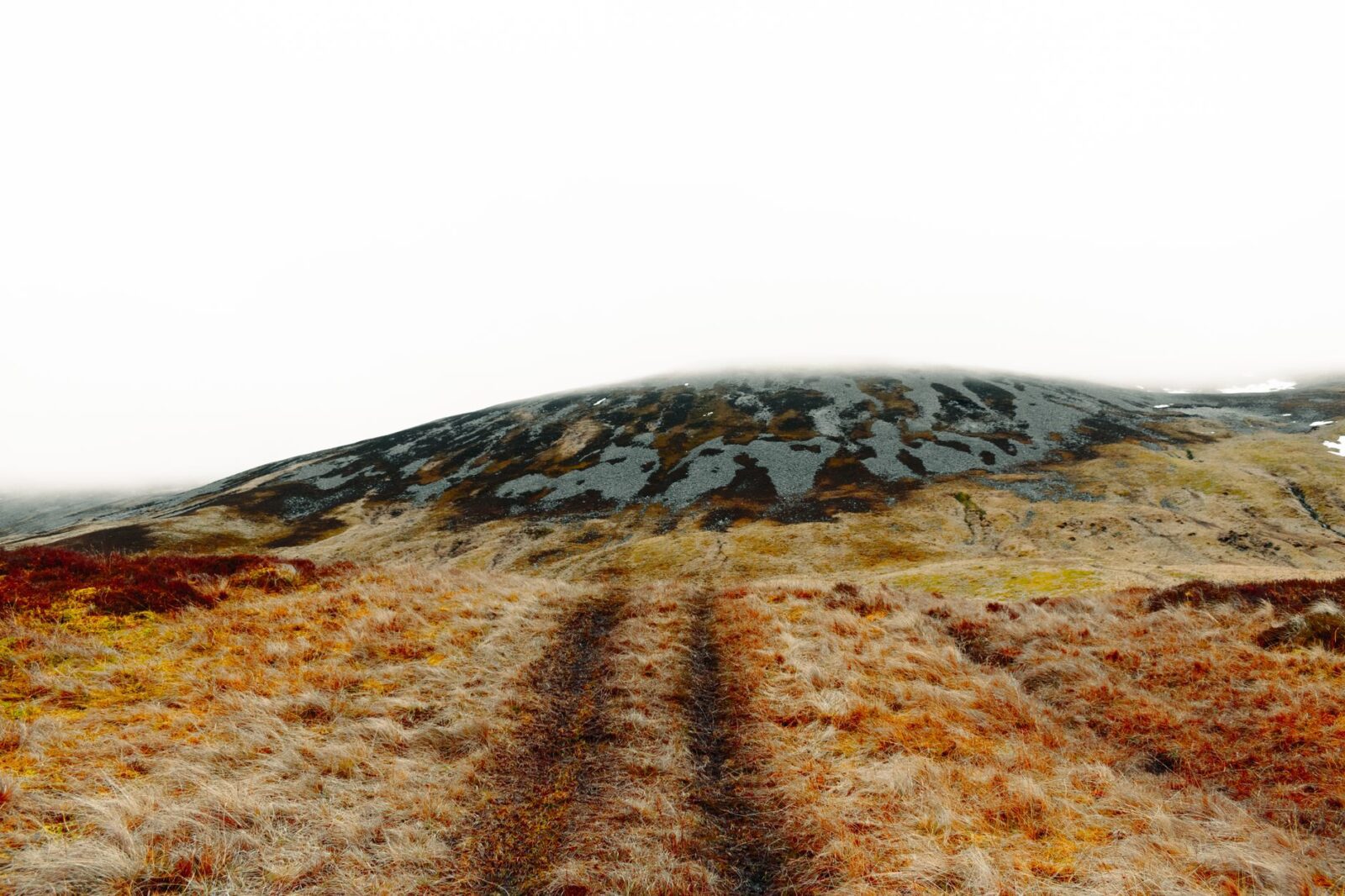
Scotland has long been known for its rugged landscapes, historic castles and vibrant cities, but its weather was often dismissed as too unpredictable for summer tourism. In 2026, that perception is changing rapidly. Flight bookings to Scotland’s main airports—Edinburgh, Glasgow and Aberdeen—are up 15 % compared with the same period in 2025, according to industry monitors. This increase is driven largely by travelers from England, Germany and North America who cite cooler temperatures as a primary motivator.
The Scottish Highlands offer a perfect blend of dramatic scenery and accessible adventure. Visitors can combine a city break in Edinburgh, where the average July high is around 19 °C, with day trips to Glencoe, the Isle of Skye or the Cairngorms National Park. Hiking trails such as the West Highland Way report a 20 % rise in foot traffic, and wildlife tours focusing on red deer, golden eagles and otters are booking out weeks in advance.
Beyond the Highlands, Scotland’s coastline is attracting kayakers and sailors who enjoy the long daylight hours and refreshing sea breezes. The North Coast 500 route, a scenic loop around the northern tip, has seen a 12 % increase in campervan rentals. Local businesses report higher sales of outdoor gear, traditional foods like Cullen skink and craft ales, confirming that the coolcation boom is translating into real economic benefits for rural communities.
Norway’s Fjords Offer Refreshing Alternatives to Mediterranean Beaches
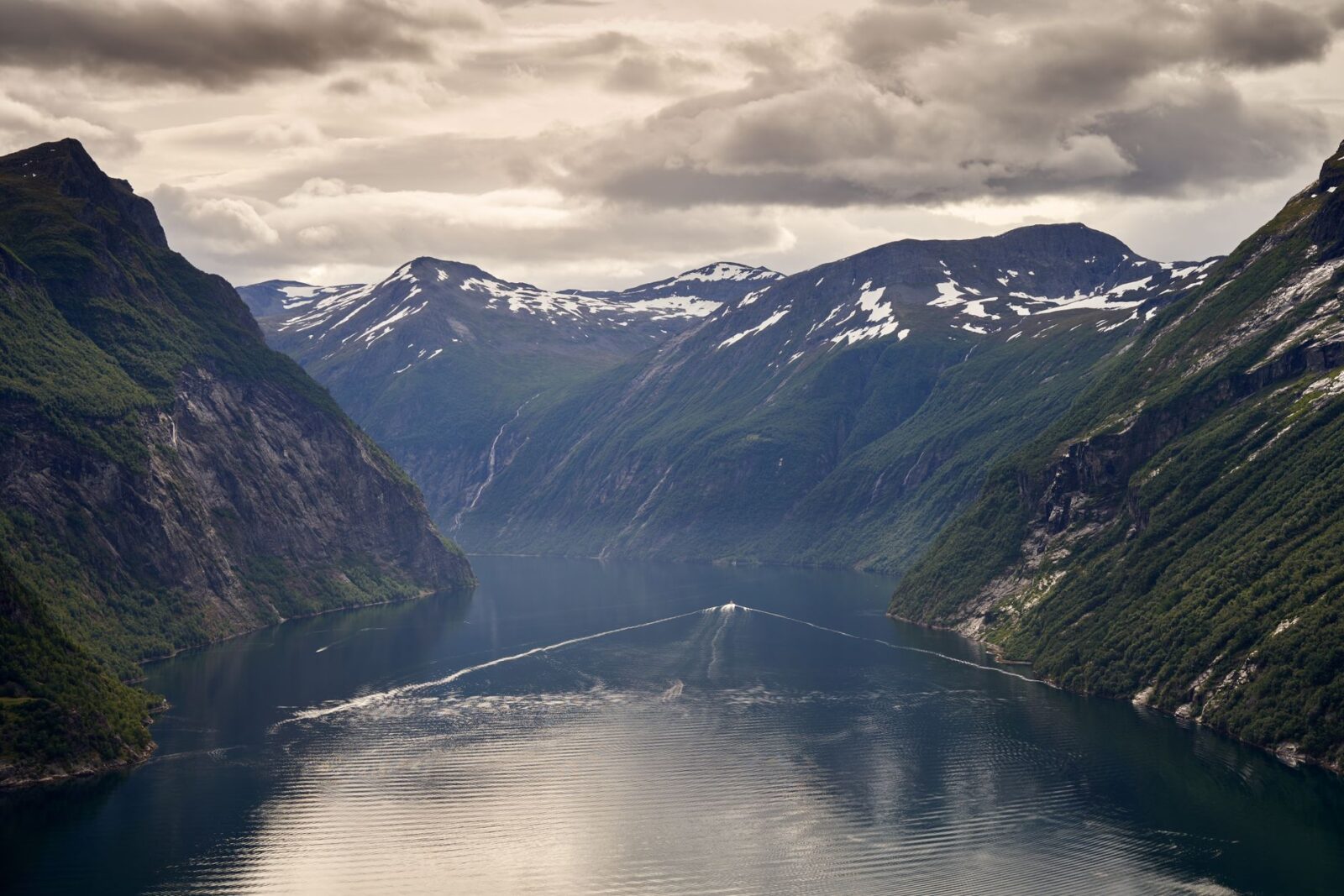
Norway’s reputation for stunning fjords, midnight sun and outdoor pursuits is now being bolstered by its reliably cool summer climate. In July 2026, average temperatures in Bergen hovered around 16 °C, while Oslo stayed near 18 °C—far lower than the scorching heat gripping southern Europe. This climatic advantage is translating into tangible tourism growth.
Fjord cruises remain a flagship product, with operators such as Hurtigruten reporting a 10 % rise in bookings for summer 2026 itineraries that include Geirangerfjord, Nærøyfjord and Sognefjord. Travelers praise the opportunity to witness towering waterfalls, glaciers and charming fishing villages without sweating through layers of clothing. The Norwegian Travel Association notes that activity‑based holidays—kayaking, glacier hiking and cycling along the Rallarvegen—are experiencing double‑digit growth.
Cities like Bergen and Trondheim are also benefiting. Bergen’s historic Bryggen wharf, a UNESCO site, saw visitor numbers increase by 8 % year‑on‑end, while Trondheim’s Nidaros Cathedral and vibrant student culture attracted a younger demographic seeking both culture and comfort. The combination of urban amenities and easy access to nature makes Norway an appealing all‑in‑one coolcation destination.
Denmark’s Bike‑Friendly Cities Attract Urban Coolcation Fans
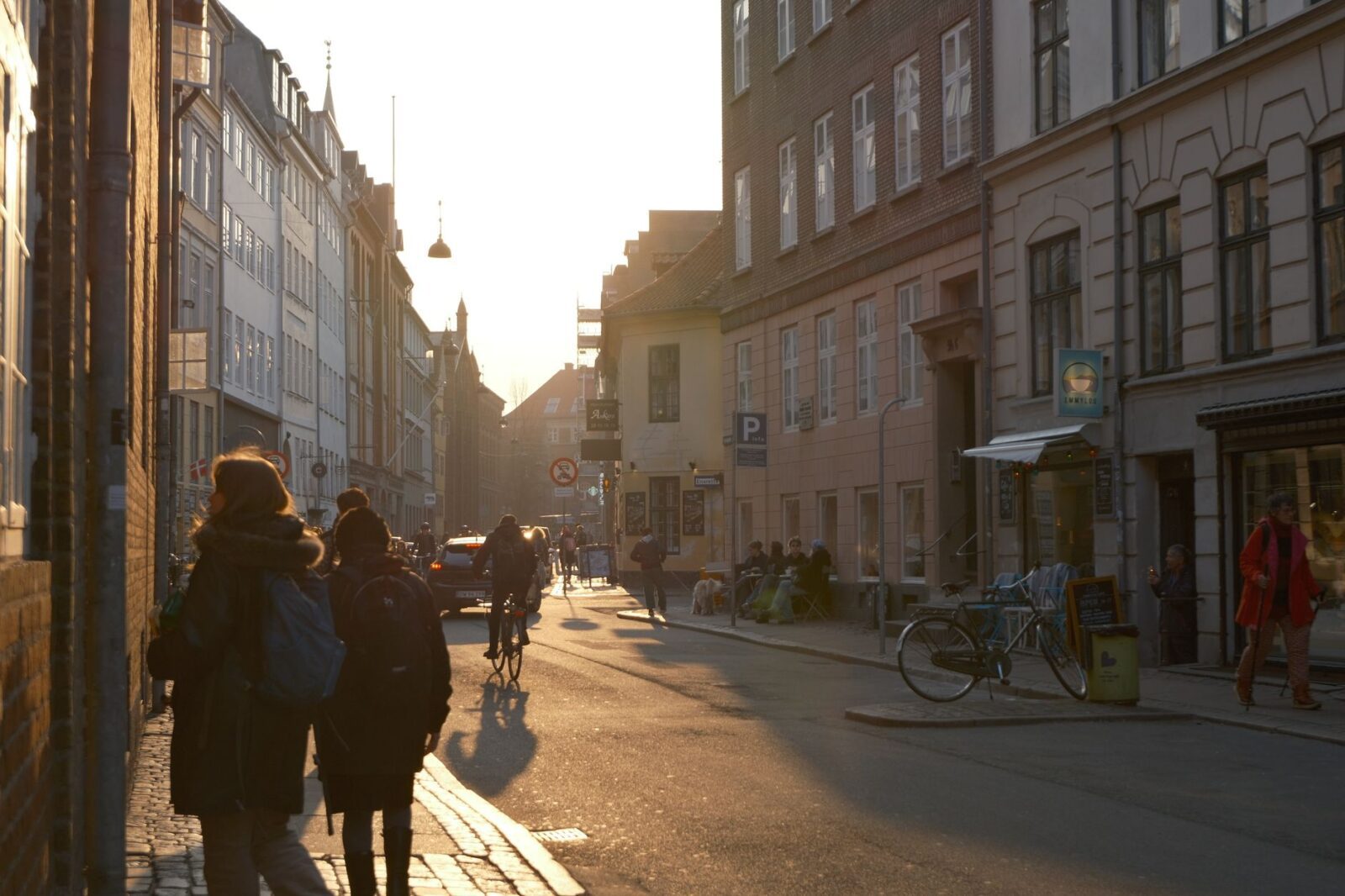
Denmark may be smaller and flatter than its northern neighbours, but its capital Copenhagen and cities like Aarhus are emerging as hot spots for travelers who want a cool urban experience paired with easy access to countryside. Average summer temperatures in Copenhagen sit around 19‑20 °C, making it ideal for exploring on foot or by bicycle.
The city’s extensive network of bike lanes—over 400 km of dedicated paths—has encouraged a surge in cycle tourism. Rental companies such as Bycyklen report a 18 % increase in summer 2026 usage, with many tourists opting for multi‑day bike tours that trace the coastline, visit historic castles like Kronborg and explore the scenic islands of the Danish archipelago. The Copenhagen Card, which offers free public transport and museum entry, saw a 12 % rise in sales compared with 2025.
Aarhus, Denmark’s second‑largest city, is drawing visitors with its open‑air museum Den Gamle By, the modern ARoS art gallery and a lively food scene centred on smørrebrød and New Nordic cuisine. The city’s average July high of 20 °C allows tourists to enjoy outdoor festivals, harbour baths and bike rides through the surrounding forests without overheating. Tourism officials note that the coolcation appeal is helping to spread visitor numbers beyond the traditional peak season, reducing pressure on popular attractions.
How Flight Bookings and Prices Are Shifting in Response
The coolcation wave is not only changing where people go but also how much they pay to get there. Data from major online travel agencies show that average round‑trip fares from London to Edinburgh in July 2026 are approximately £85 (about $110 USD), which is roughly 10 % lower than the average fare to Palma de Mallorca for the same period. Similarly, flights from New York to Oslo average around $420 USD, a modest decrease compared with summer 2025 levels, while fares to Rome have risen by about 8 % due to heightened demand for cooler alternatives.
These price shifts are influenced by several factors. Increased flight frequencies—such as new direct routes from Edinburgh to Chicago and from Copenhagen to Toronto—have boosted competition and kept fares in check. At the same time, airlines are adjusting capacity to match the evolving demand profile, adding more seats to northern routes and reducing some flights to southern hubs. Travelers who book at least six weeks in advance can often secure the best rates, while last‑minute bookings remain pricier due to limited availability.
Accommodation costs are also reflecting the trend. In Edinburgh, the average nightly rate for a three‑star hotel in July 2026 is about $130 USD, compared with $150 USD in Barcelona. In Oslo, comparable lodging averages $140 USD, while Copenhagen sits at $135 USD. These differences, while not massive, add up over a week‑long stay and can make a coolcation a more budget‑friendly option for families and solo travelers alike.
Practical Tips for Planning a Coolcation Trip in 2026‑2027
If you are considering a coolcation for the upcoming summer, a few practical steps can help you maximize comfort, enjoyment and value. First, monitor weather forecasts closely a week before departure; while northern climates are generally mild, occasional rain showers are common, especially in Scotland and Norway. Packing a lightweight waterproof jacket, layers and sturdy walking shoes will keep you prepared for changing conditions.
Second, consider purchasing a regional travel pass that bundles transport and attractions. In Scotland, the Explorer Pass offers unlimited rail travel across the country for a set number of days, while Norway’s Norway in a Nutshell package combines train, ferry and bus travel for a seamless fjord experience. Denmark’s Copenhagen Card provides free public transport and entry to over 80 museums and attractions. These passes often save travelers 15‑25 % compared with buying tickets individually.
Third, book popular activities well in advance. Hiking permits for popular trails like the West Highland Way or the Trolltunga trek in Norway can fill up quickly, especially during July and August. Similarly, fjord cruise cabins and guided glacier walks have limited capacity. Securing your spots early ensures you won’t miss out on the experiences that drew you north in the first place.
Finally, embrace the local culture by trying regional specialties and engaging with community events. In Scotland, sample a bowl of Cullen skink (a smoky fish soup) and visit a Highland games gathering if your travel dates align. In Norway, enjoy fresh salmon, reindeer stew and a visit to a stave church. In Denmark, indulge in open‑face sandwiches, try a craft beer from a local microbrewery and join a summer street festival. These authentic touches enrich your coolcation and create lasting memories.
What Experts Predict for the Future of Europe’s Summer Travel Map
Industry analysts believe the coolcation trend is more than a fleeting reaction to a single hot summer; it reflects a deeper shift in traveler priorities. A recent survey by the European Travel Commission found that 62 % of respondents rated ‘comfortable climate’ as a top factor when choosing a summer destination, up from 48 % just two years ago. This suggests that the demand for milder weather will persist even if occasional heat waves subside.
Looking ahead, experts anticipate that destinations currently benefiting from the coolcation wave will invest further in infrastructure to sustain growth. Scotland’s government has announced a £20 million fund to improve broadband and mobile coverage in remote Highlands areas, making it easier for visitors to stay connected while exploring. Norway is expanding electric ferry services along its fjord corridor, aiming to reduce emissions and attract eco‑conscious travelers. Denmark continues to expand its network of super‑bike highways, linking cities and countryside with safe, high‑speed cycling routes.
At the same time, traditional Mediterranean hotspots are adapting to the new reality. Many are promoting shoulder‑season travel (late spring and early autumn) when temperatures are milder, and they are highlighting cultural festivals, wine tours and culinary experiences that do not rely on beach tourism. Some regions are also investing in urban cooling measures, such as increased tree planting and shaded public spaces, to make city centres more comfortable during peak summer.
Overall, the coolcation phenomenon is likely to lead to a more balanced distribution of tourists across Europe, reducing overcrowding in popular southern venues while bringing economic benefits to northern communities. Travelers who embrace this shift can expect a wider variety of options, from rugged highland adventures to serene fjord cruises and bike‑friendly city explorations, all under pleasant summer skies.
FAQ: Your Coolcation Questions Answered
- What exactly is a ‘coolcation’?
A coolcation is a summer holiday chosen primarily for its comfortably cool or mild weather, allowing travelers to enjoy outdoor activities, sightseeing and cultural experiences without the discomfort of extreme heat. The term has gained popularity as heat waves make traditional beach holidays less appealing for many visitors. - How much cooler are Scotland, Norway and Denmark compared with Mediterranean destinations?
In July 2026, average daytime highs in Edinburgh, Oslo and Copenhagen ranged from 18 °C to 20 °C, while cities like Barcelona, Rome and Athens regularly exceeded 30 °C, often reaching 38‑40 °C. This 10‑20 °C difference makes northern destinations far more comfortable for hiking, cycling and city touring. - Are coolcation trips more expensive than traditional beach holidays?
Not necessarily. Flight fares to northern Europe can be comparable or slightly lower than those to southern hubs, especially when booked early. Accommodation prices in cities like Edinburgh, Oslo and Copenhagen are often similar to or slightly less than those in popular Mediterranean cities. Overall, a well‑planned coolcation can be budget‑friendly, particularly when you take advantage of regional travel passes and book activities in advance. - What types of activities are best suited for a coolcation?
Coolcation destinations excel at nature‑based and cultural activities that benefit from mild temperatures. Popular options include hiking in the Highlands or fjord regions, cycling through scenic countryside, kayaking on lochs or fjords, exploring historic cities on foot, visiting museums and galleries, and enjoying local food and drink festivals. The comfortable climate also makes it easier to participate in multi‑day adventures such as long‑distance trails or multi‑city bike tours. - Will the coolcation trend continue after 2026?
Indicators suggest it will. Surveys show a lasting preference for comfortable weather, and tourism authorities in Scotland, Norway and Denmark are investing in infrastructure to support year‑round visitation. While occasional hot summers may still drive some travelers south, the overall shift toward experience‑led, climate‑conscious travel appears to be shaping Europe’s summer holiday landscape for the coming years.
Stay informed with the latest travel news, visa updates, and destination guides. Follow HimalayanCrest.com for weekly travel intelligence delivered by our editorial team.