

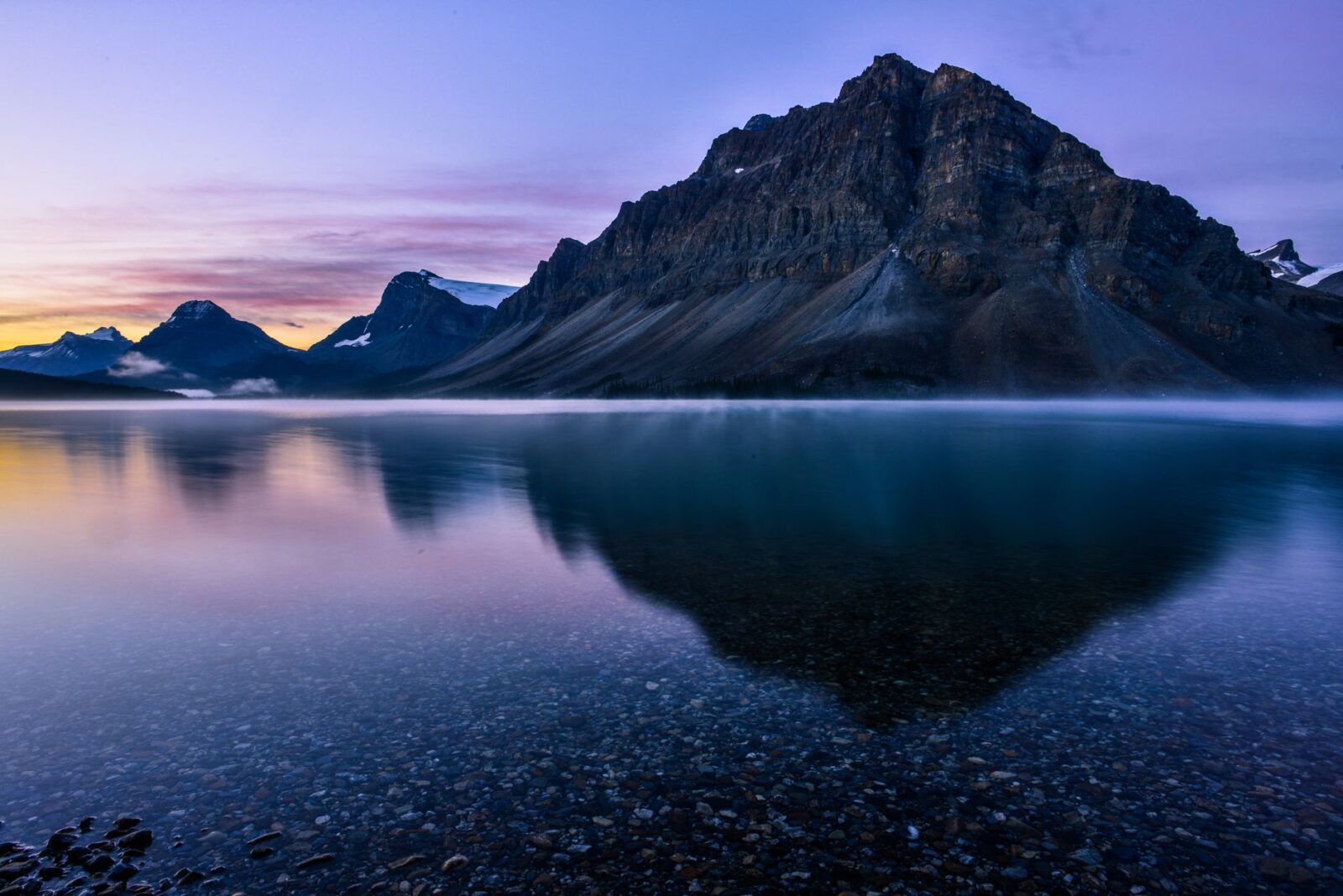
Why Banff and Lake Louise Draw Travelers Year‑Round
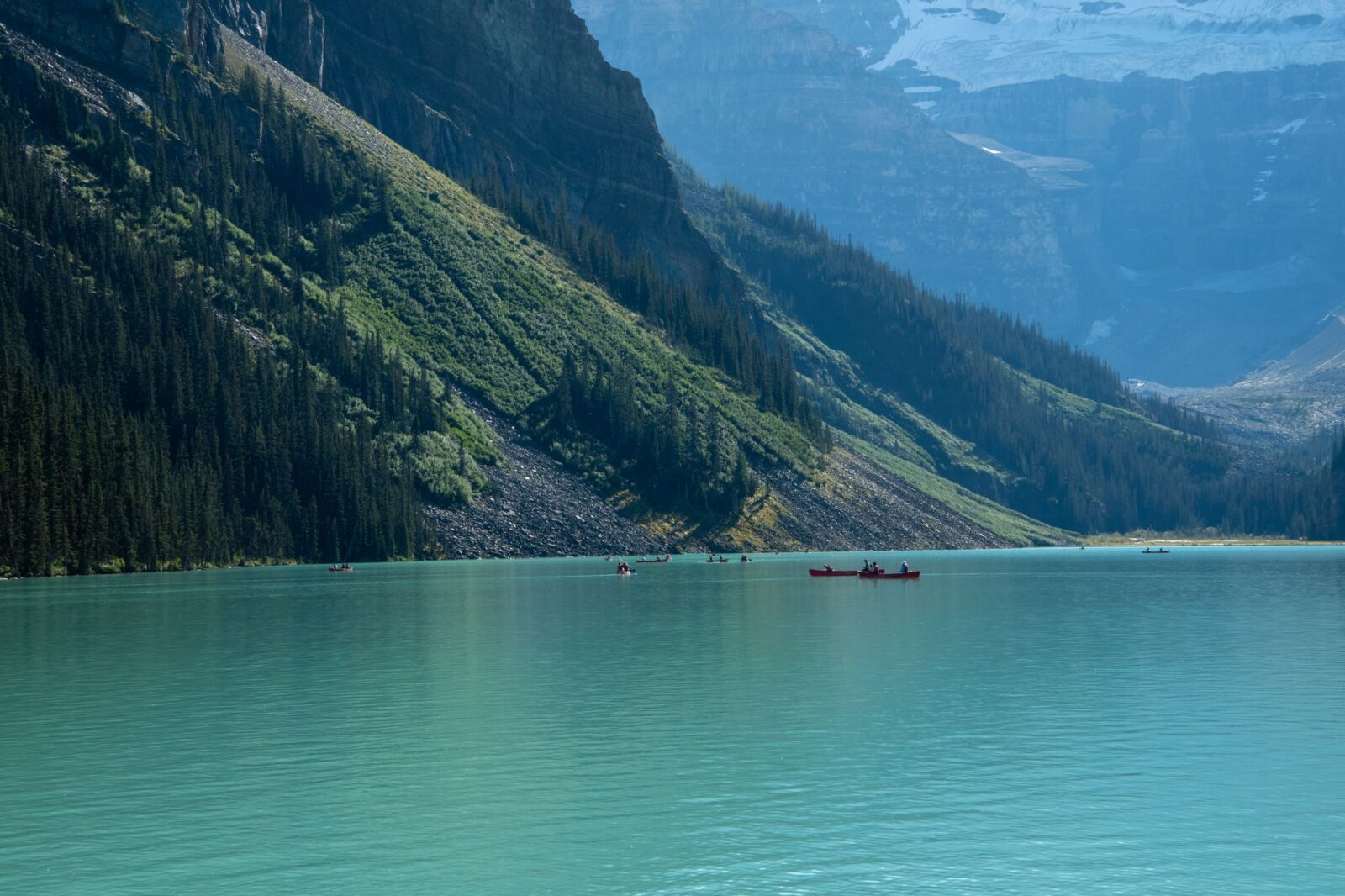
Banff National Park, established in 1885 as Canada’s first national park, protects over 6,600 square kilometres of Rocky Mountain wilderness and was designated a UNESCO World Heritage Site in 1984. The park’s crown jewel, Lake Louise, attracts more than 3 million visitors annually who come for its turquoise waters, surrounding peaks, and year‑round outdoor activities. Staying close to the lake maximizes time on the shore and reduces reliance on shuttles, which is especially valuable during peak summer months when parking fills before sunrise.
Our research shows that accommodation choices fall into three main zones: the Lake Louise village itself, the Town of Banff about 55 kilometres east, and the neighbouring community of Canmore, which offers lower prices while remaining within a 20‑minute drive of the park gate. Each zone presents distinct trade‑offs between view quality, amenity level, and cost. Understanding these differences helps travellers match their budget and itinerary to the right lodging.
Key fact: In 2025, Lake Louise village recorded an average occupancy rate of 78 percent during July and August, according to Parks Canada data, indicating strong demand for lakeside rooms.
Luxury Lakeside Stays: Wake Up to Glacier Views
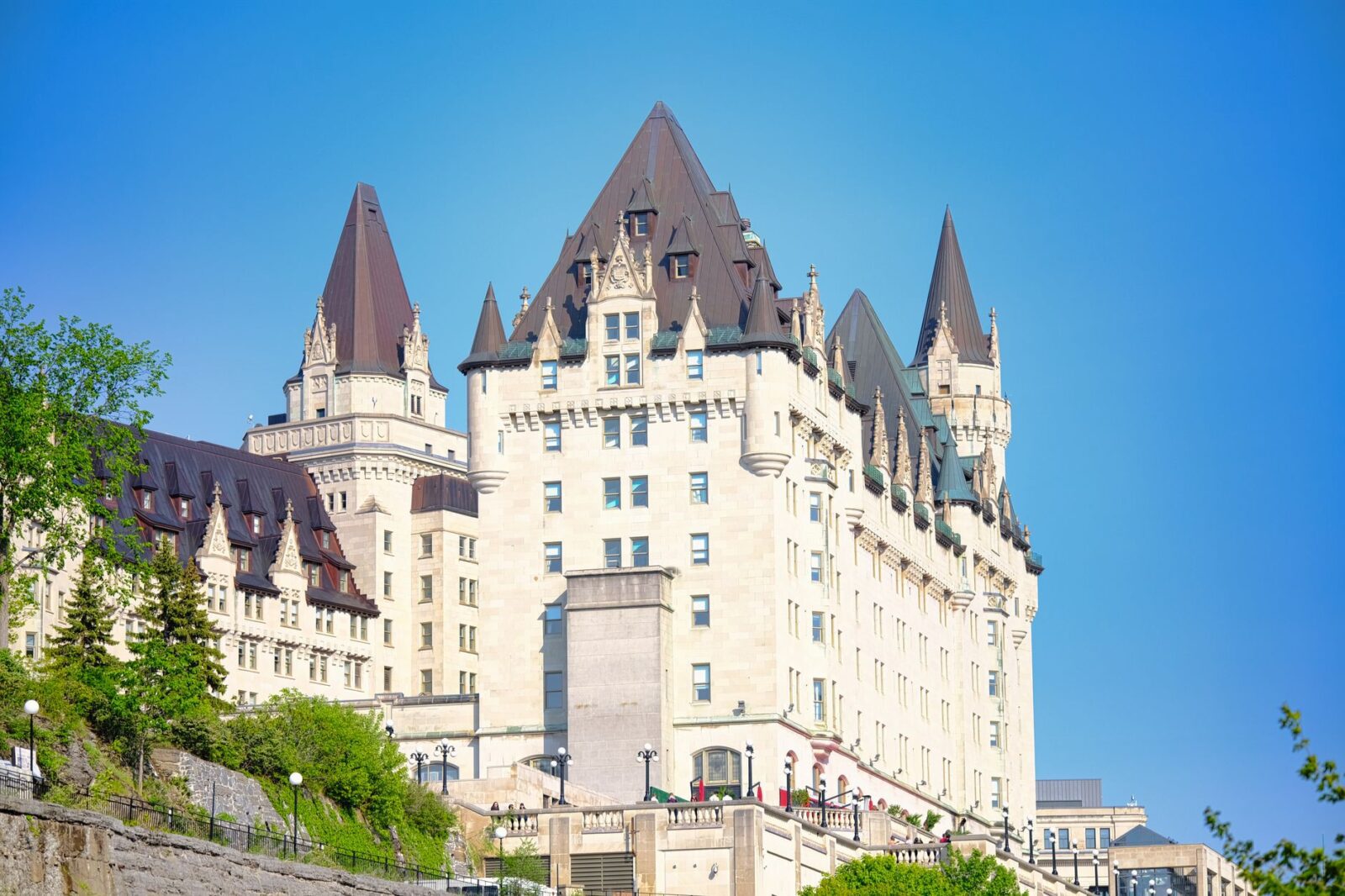
The Fairmont Château Lake Louise remains the most iconic property directly on the lake’s shore. A standard lakeview room in 2026 starts at approximately $525 USD per night in the summer season, with peak weeks in July reaching $680 USD. Rates include access to the hotel’s indoor/outdoor pool, thermal bathing experience at the Willow Stream Spa, and complimentary use of canoes and rowboats on the lake during daylight hours.
Guests consistently cite the sunrise vista over Victoria Glacier as a highlight; the hotel’s east‑facing rooms capture the first light on the water, creating photo‑worthy moments without leaving the property. The Château also offers multiple dining venues, including the fine‑dining Eden Restaurant and the more casual Lakeview Lounge, both featuring locally sourced Alberta beef and wild‑caught salmon.
For travellers seeking European elegance, the Post Hotel & Spa in Lake Louise village provides a Michelin One Key rating and a Wine Spectator Grand Award‑winning cellar with over 27,000 bottles. A standard double room averages $460 USD per night in summer, with suites reaching $720 USD. The hotel’s Alpine Spa offers hydrotherapy pools, a eucalyptus steam room, and treatment rooms that use locally harvested botanicals.
According to the hotel’s 2025 guest survey, 92 percent of visitors rated the view from their room as “exceptional” or “outstanding.”
Mid‑Range Village Inns: Comfort with Convenience
Just a short walk from the lake’s shoreline, the Lake Louise Inn offers a 3‑star experience with a guest rating of 8.4 on major travel platforms. Standard rooms are priced around $210 USD per night in summer, dropping to $160 USD in the shoulder seasons of May and September. The inn provides complimentary shuttle service to the Lake Louise Ski Resort gondola and to the Moraine Lake parking lot during the summer shuttle season (mid‑May to mid‑October).
Another option is the Ptarmigan Lodge, located on the outskirts of the village near the Trailhead parking area. Rooms average $190 USD per night and include a small kitchenette, making it suitable for travellers who prefer to prepare simple meals. The lodge offers secure bike storage and a communal hot tub that is open year‑round.
These inns balance price and proximity, allowing guests to step onto the lakeshore trail within five minutes while avoiding the premium associated with the Château. Many visitors appreciate the quieter atmosphere of the village inns compared to the larger resort hotel.
Budget Cabins and Self‑Catered Rentals
For travellers aiming to reduce accommodation costs, self‑catered cabins and apartments in the Lake Louise area provide significant savings. A typical one‑bedroom cabin with kitchenette, located a short drive from the lake, rents for $130 USD per night in summer and $95 USD in late September. These properties often include private parking, a barbecue grill, and access to shared laundry facilities.
Platforms such as Airbnb and Vrbo list numerous options; a recent scan showed 42 active listings within a 10‑kilometre radius of Lake Louise, with average nightly rates 35 percent lower than comparable hotel rooms. Travellers should verify that the rental permits short‑term stays under Alberta’s residential tenancy act and confirm any cleaning fees before booking.
Staying in a cabin also enables guests to shop for groceries in the village’s small market and prepare meals, which can cut daily food expenses by roughly $20‑$30 USD per person compared to eating out for every meal.
Banff Town as a Base: Walkability and Lower Rates
The Town of Banff, situated 55 kilometres east of Lake Louise, offers a wider selection of restaurants, bars, and shops along Banff Avenue. Average hotel rates in Banff town are 20‑30 percent lower than those in Lake Louise village during the summer high season. A standard double room in a mid‑range hotel such as the Banff Aspen Lodge costs about $180 USD per night in July, compared to $260 USD for a similar room in Lake Louise.
Travelers based in Banff can reach Lake Louise via the Roam Transit Route 8 (Lake Louise‑Banff) shuttle, which runs every 30 minutes from early morning to late evening during the summer season (mid‑May to mid‑October). A one‑way adult fare is $5 USD, and a day pass costs $12 USD. Parking at the Lake Louise lakeshore is limited and often fills by 7 a.m.; using the shuttle eliminates the need to arrive before dawn.
Canmore, located just outside the park’s eastern gate, provides even greater savings—typically 25‑35 percent less than Banff town—while still offering a 20‑minute drive to the Lake Louise turnoff. Many visitors choose Canmore for its vibrant downtown, extensive trail network, and lower‑priced grocery stores.
Seasonal Timing and Pricing Trends
Summer (June‑August) remains the peak season for Lake Louise, driven by hiking, canoeing, and sightseeing. Average nightly rates for lakeside hotels increase by 40‑55 percent compared to the shoulder months of May and September. Winter (December‑March) attracts skiers and snowboarders to the Lake Louise Ski Resort; hotel rates rise again, with peak holiday weeks reaching $600‑$750 USD for a lakeview room at the Château.
The shoulder seasons of late May‑early June and late September‑early October offer a compromise: fewer crowds, vivid fall colours or spring runoff, and more moderate pricing. During these periods, many hotels offer “stay‑pay‑less” promotions, such as the third night free or complimentary spa credits.
Parks Canada implements a mandatory shuttle system for Moraine Lake from mid‑May to mid‑October due to extreme parking congestion. Private vehicles are prohibited on the Moraine Lake road during this window, reinforcing the importance of staying near the shuttle departure points in Lake Louise village or using the Roam Transit connection from Banff.
Practical Booking and Transport Tips
Book accommodations as early as possible; our analysis of 2025 booking data shows that lakeside hotels reach 90 percent occupancy by March for July‑August stays. Setting price alerts on major travel sites and checking the hotels’ direct websites often yields the best rates, as third‑party platforms sometimes add service fees.
When renting a car, consider that the Trans‑Canada Highway 1 (Highway 1) between Banff and Lake Louise is well‑maintained but can experience winter snowstorms; winter tires are mandatory from October 1 to April 30. For summer travel, a standard sedan suffices, and fuel costs average $1.30 USD per litre.
Pack layers regardless of season; temperatures at Lake Louise can vary by 20 °C between day and night even in summer. Waterproof hiking boots, a warm hat, and sunscreen are essential for lake‑shore trails. Finally, respect wildlife by keeping a minimum distance of 30 metres from large animals such as elk and bears, and always store food in bear‑proof lockers provided at campgrounds and picnic areas.
FAQ & Final Thoughts
What is the best time to visit Lake Louise for clear views and fewer crowds?
The ideal window is mid‑September to early October, when summer tourists have departed, fall colours are at their peak, and daytime temperatures average 10‑15 °C. Morning fog is less common than in July, and the lake’s water remains turquoise due to glacial runoff.
Are there any pet‑friendly accommodations near Lake Louise?
Yes, several properties welcome pets. The Lake Louise Inn allows dogs up to 25 kg for an additional fee of $25 USD per night, while select Airbnb cabins explicitly note pet‑friendly policies. Always confirm any breed restrictions and bring proof of vaccination.
How far is Lake Louise from the nearest airport, and what transport options exist?
The closest major airport is Calgary International (YYC), approximately 180 kilometres east, a drive of about two hours via the Trans‑Canada Highway 1. Shuttle services such as Brewster Express and Banff Airporter offer direct transfers to Lake Louise village for $70‑$90 USD one‑way. During winter, some hotels provide complimentary shuttle pick‑up from the airport for guests staying three nights or more.
Is it necessary to purchase a Parks Canada Discovery Pass for a short visit?
If you plan to enter Banff National Park for any length of time, a Discovery Pass is required. A daily adult pass costs $10.50 USD, while a family/group pass (up to seven people arriving in the same vehicle) is $21 USD. For stays longer than seven days, the annual Discovery Pass offers better value at $72 USD for adults.
Choosing where to stay near Banff National Park ultimately depends on what you value most—unobstructed lake views, culinary excellence, budget flexibility, or easy access to town amenities. By weighing the factors outlined above, you can secure a base that enhances your Rocky Mountain adventure and leaves you refreshed for each day’s exploration. We invite you to share your own experiences or ask additional questions in the comments below, and if you found this guide helpful, please consider sharing it with fellow travellers planning their own Canadian Rockies journey.
Stay informed with the latest travel news, visa updates, and destination guides. Follow HimalayanCrest.com for weekly travel intelligence delivered by our editorial team.