

Why Cruises Are Trending in Mid‑2026
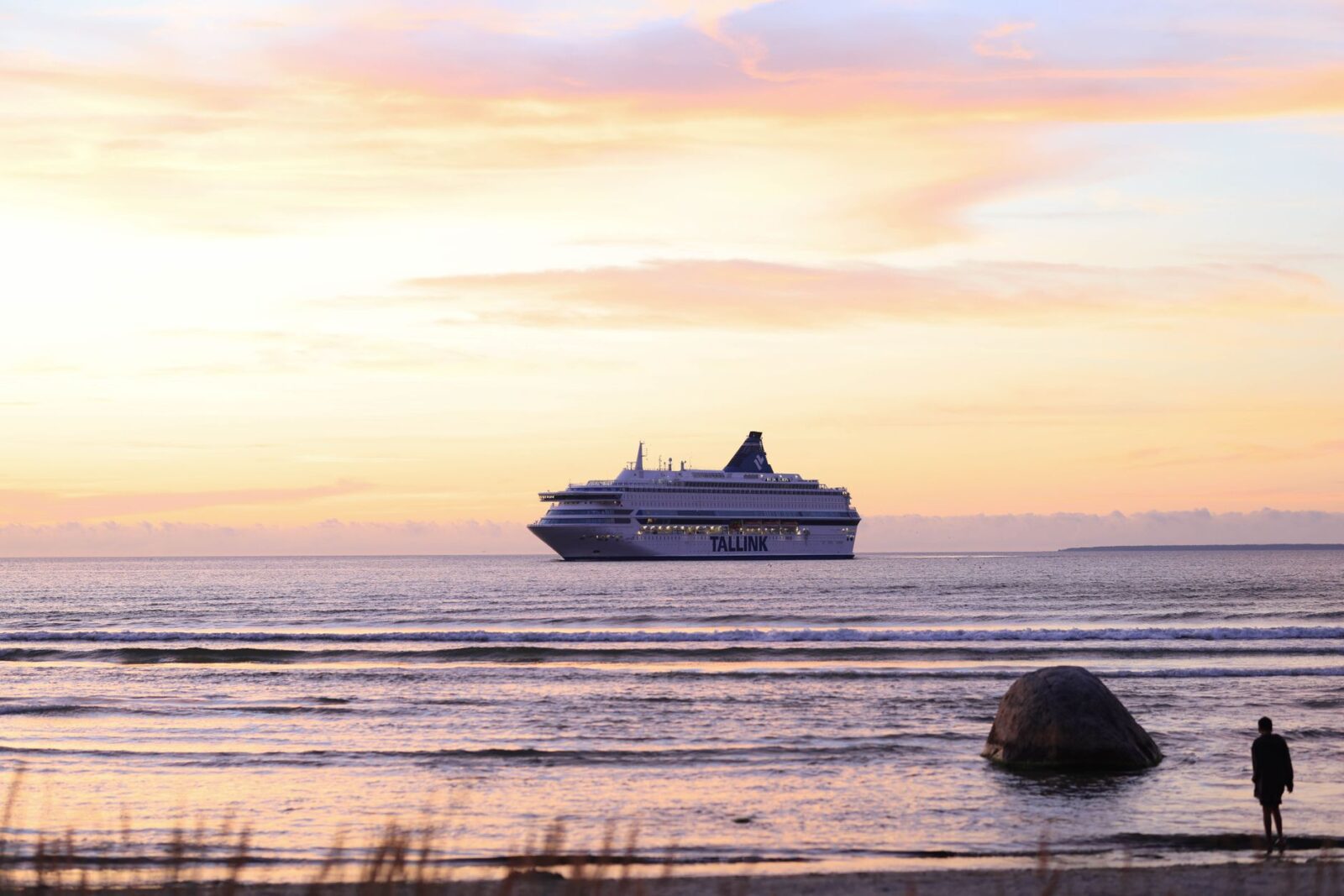
The cruise industry is experiencing a noticeable rebound in 2026, driven by renewed travel confidence and significant infrastructure investments at key home ports. In August 2026, Fitch Ratings upgraded the credit rating of Galveston Wharves, citing steady growth in cruise passenger volumes and the port’s expanded terminal capacity. This upgrade reflects broader optimism among analysts who see cruising as a resilient segment of the global tourism market. For travelers, the trend means more ship options, competitive pricing, and enhanced shore‑side facilities in popular embarkation cities.
At the same time, major cruise lines are deploying newer vessels to high‑growth regions. MSC Bellissima began its third consecutive year as a homeport ship at Shanghai Wusongkou International Cruise Terminal on August 1, 2026, launching the line’s 2026 Shanghai summer season with itineraries to Japan, Korea and Southeast Asia. Meanwhile, the cruise ship Aroya Manara arrived in Taranto, Italy on August 18, 2026, to support preparations for the Mediterranean Games, illustrating how cruise traffic is being leveraged for regional events. These developments signal that cruising is not only rebounding but also adapting to new demand patterns.
The State of the Cruise Industry: Growth and Upgrades
According to data released by Cruise Lines International Association (CLIA) in early 2026, global cruise passenger numbers are projected to reach 32 million for the year, a 9 % increase over 2025 figures. The rebound is strongest in North America and Europe, where home‑port expansions have added over 1.2 million berths of capacity since 2023. In Asia, the Shanghai and Singapore terminals have each reported double‑digit year‑on‑year growth in embarkations, fueled by itineraries that combine regional culture with onboard luxury.
Investments in port infrastructure are paying off. The Galveston Wharves upgrade, announced on August 22, 2026, moved the port’s rating from BBB‑ to BBB, reflecting stronger cash flow from cruise operations and a new $150 million terminal expansion slated for completion in 2028. Similar upgrades are underway at Miami’s Port Everglades and Barcelona’s Moll Adossat, where new gangways and improved customs facilities aim to reduce turnaround times to under six hours. These improvements directly benefit passengers by cutting wait times and expanding the range of shore excursions available on embarkation day.
Top Destinations for 2026 Cruises
Caribbean itineraries remain the most booked, with Western Caribbean routes (Cozumel, Grand Cayman, Jamaica) accounting for roughly 38 % of all Caribbean sailings in the first half of 2026. A 7‑night Eastern Caribbean cruise aboard Carnival Horizon, departing Miami on November 5, 2026, starts at $649 per person for an interior cabin and $949 for a balcony, based on fares published on the Carnival website as of August 24, 2026. Meanwhile, luxury lines such as Regent Seven Seas offer comparable itineraries with all‑inclusive fares beginning at $2,400 per person, covering drinks, gratuities and shore excursions.
Alaska continues to draw adventure seekers. The 2026 Alaska season, running from May through September, features a new class of ice‑strengthened vessels from Norwegian Cruise Line that can access tighter fjords. A 7‑night Inside Passage cruise departing Seattle on July 12, 2026, is listed at $1,099 for an interior cabin and $1,599 for a balcony on Norwegian Bliss. For travelers seeking a more immersive experience, expedition cruises with Silversea start at $3,200 per person for a 10‑night voyage that includes guided hikes, kayaking and wildlife lectures.
European river cruises are gaining traction among travelers who prefer cultural immersion over ocean crossings. In 2026, Viking River Cruises reports a 12 % increase in bookings for its Danube itineraries, which run from Passau to Budapest. A 8‑night Danube cruise departing on October 3, 2026, costs $1,850 per person for a standard stateroom, with upgrades to French balconies available for $2,300. The Mediterranean remains popular for larger ships; a 10‑night Western Mediterranean cruise aboard Princess Cruises’ Majestic Princess, departing Civitavecchia on September 15, 2026, begins at $1,349 for an interior and $1,849 for a balcony.
Asia‑focused cruises are expanding rapidly. MSC Bellissima’s Shanghai homeport offers a series of 7‑night Japan‑Korea voyages that depart every Saturday from May to October. The inaugural sailing on May 4, 2026, lists interior fares at $1,120 and balcony fares at $1,620. Additional Asia routes from Singapore include Vietnam‑Cambodia‑Thailand itineraries on Celebrity Cruises’ Millennium, with fares starting at $980 for an interior cabin.
Choosing the Right Cruise Line: Luxury, Family, Adventure
Luxury travelers often gravitate toward lines that bundle amenities into the fare. Regent Seven Seas, Seabourn and Silversea include unlimited Wi‑Fi, fine dining, shore excursions and gratuities in their base price. For example, a 7‑night Caribbean cruise on Seabourn Ovation departing Fort Lauderdale on December 1, 2026, is priced at $2,950 per person for a veranda suite, which covers all meals at specialty restaurants and a complimentary massage.
Families with children frequently choose lines that offer extensive youth programming and water parks. Disney Cruise Line’s Dream class ships feature the AquaDuck water coaster and themed kids’ clubs tied to Disney franchises. A 4‑night Bahamas cruise aboard Disney Fantasy departing Port Canaveral on October 10, 2026, starts at $1,299 per adult and $649 per child (ages 3‑12) for an interior cabin. Carnival Cruise Line also markets itself as family‑friendly with its Camp Ocean program; a 5‑night Western Caribbean cruise on Carnival Vista departing Galveston on November 20, 2026, begins at $549 per adult and $274 per child for an interior cabin.
Adventure‑oriented passengers may prefer expedition or small‑ship lines that prioritize access to remote locales. Hurtigruten’s Norway coastal voyages combine daily port stops with optional activities such as glacier hiking and dog sledding. A 7‑day Bergen‑Kirkenes voyage departing August 30, 2026, is priced at $1,850 per person for a polar outside cabin. For tropical adventure, Lindblad Expeditions offers Galápagos itineraries aboard the National Geographic Endeavour II, with 10‑night fares beginning at $5,900, which include naturalist guides, snorkel gear and park fees.
Budgeting Your Cruise: Real Costs and Saving Tips
When planning a cruise budget, consider three main expense categories: the base fare, onboard extras, and shore‑excursion costs. Based on fares collected from Princess Cruises, Carnival and MSC in August 2026, the average base fare for a 7‑night Caribbean interior cabin is $680, while a balcony averages $1,020. Onboard extras such as specialty dining, alcoholic beverages and spa treatments can add $150‑$300 per person for a moderate spender, or exceed $600 for those who indulge in multiple premium experiences.
To keep costs under control, many seasoned travelers recommend booking a cruise during the “wave season” (January‑March) when lines release early‑bird discounts and onboard credit promotions. For example, a booking made in February 2026 for a November Caribbean sailing on Carnival Glory secured a $100 onboard credit and reduced the interior fare to $599. Additionally, selecting a guaranteed interior cabin (where the line assigns your room after booking) often yields the lowest price, with savings of 10‑15 % compared to selecting a specific cabin number.
Another effective strategy is to pre‑pay for beverage and dining packages if you know you will use them. On Royal Caribbean, the Deluxe Beverage Package costs $63 per person per day when purchased onboard, but drops to $52 per day when bought in advance through the cruise planner. Similarly, specialty dining packages on Celebrity Cruises offer a 15 % discount when reserved before embarkation. Finally, consider using a travel rewards credit card that offers bonus points on travel purchases; many cards provide 2‑3 x points on cruise line spending, which can be redeemed for future flights or hotel stays.
Planning Checklist: Visas, Packing, Excursions
Before you sail, verify entry requirements for each port of call. For U.S. citizens embarking on a Caribbean cruise that returns to the same U.S. port, a passport is not required for closed‑loop voyages, but a government‑issued photo ID and proof of citizenship (such as a birth certificate) are still needed. However, if the itinerary includes a foreign embarkation or disembarkation point—such as a Miami‑to‑Europe transatlantic crossing—a valid passport with at least six months’ remaining validity is mandatory. Always check the embassy website of the destination country for the most current visa rules; for example, travelers to Brazil need an e‑visa obtained online prior to arrival, while those visiting Schengen ports can stay up to 90 days visa‑free.
Packing efficiently makes embarkation day smoother. Most cruise lines recommend bringing a carry‑on bag with travel documents, medications, a change of clothes, swimwear and essential electronics, as checked luggage may not be delivered to your cabin until several hours after departure. A typical packing list for a 7‑night warm‑weather cruise includes two swimsuits, one set of casual evening attire (such as a polo shirt and chinos for men, a sundress for women), a light jacket for air‑conditioned venues, comfortable walking shoes, reef‑safe sunscreen, and a dry bag for shore excursions. For Alaska or Northern Europe itineraries, add insulated layers, a waterproof shell, gloves and a hat.
When booking shore excursions, weigh the convenience of line‑sponsored tours against independent options. Ship‑organized excursions guarantee timely return to the vessel and often include skip‑the‑line access, but they can be 20‑30 % more expensive than booking directly with local operators. For example, a guided snorkel trip to Stingray City in Grand Cayman costs $89 through Carnival’s excursion desk, whereas the same tour booked with a licensed local vendor averages $65. If you choose an independent operator, confirm that they are licensed, have good reviews, and provide a clear return time to avoid missing the ship’s departure.
Insider Tips: Shore Excursions, Onboard Secrets, Timing
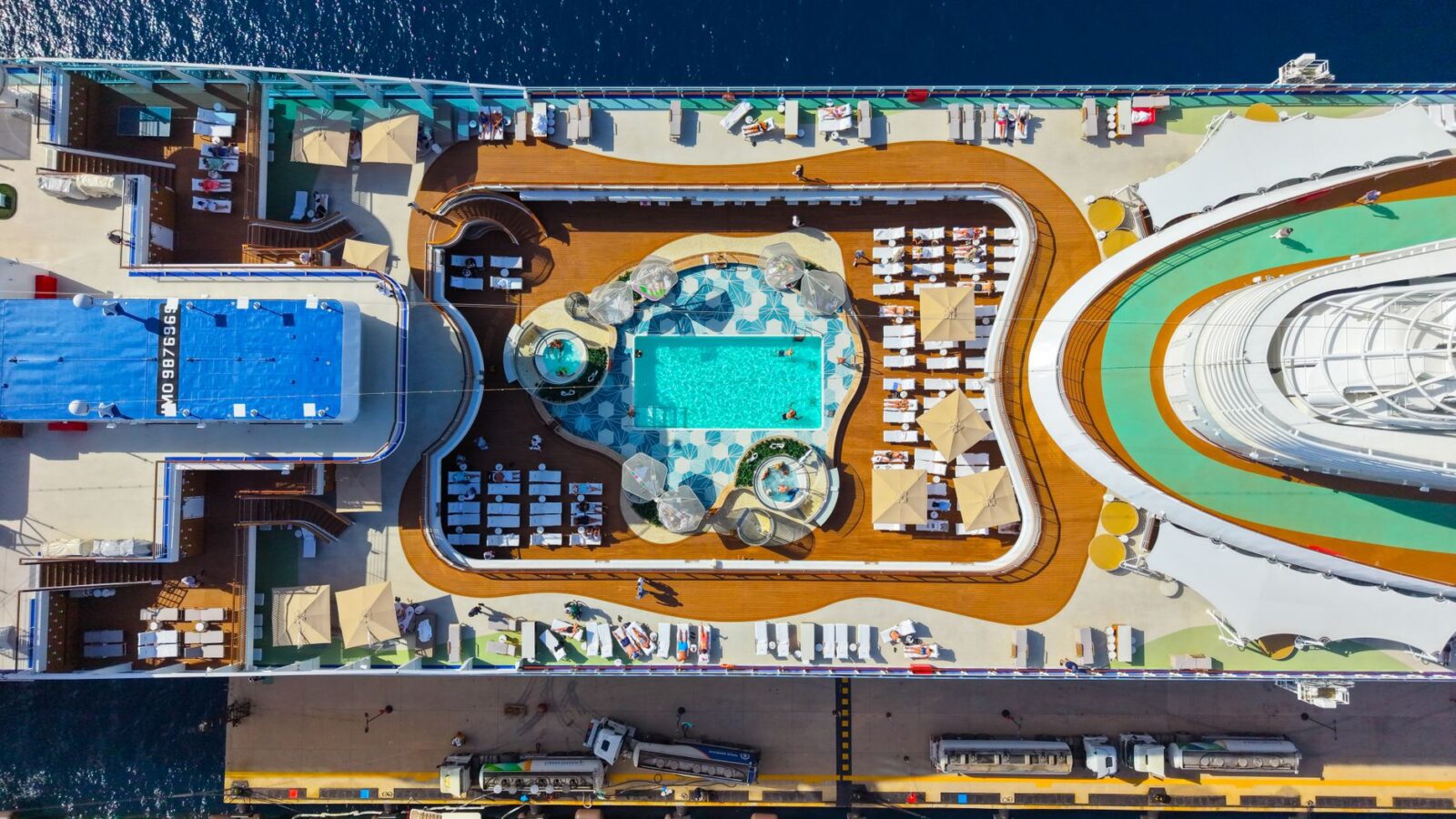
Seasoned cruisers know that the best time to enjoy popular onboard venues is during off‑peak hours. The main pool tends to be busiest between 11 a.m. and 3 p.m.; arriving early (before 10 a.m.) or late (after 4 p.m.) often means shorter lines for loungers and a quieter atmosphere for swimming. Similarly, the buffet restaurant experiences its peak rush right after the morning disembarkation period (around 9 a.m.) and again before dinner (around 6 p.m.). Dining during the intermediate windows—10:30 a.m. to 12 p.m. or 4:30 p.m. to 6 p.m.—usually yields quicker service and a more relaxed setting.
For shore excursions, consider the “half‑day” option when you want to explore a port without committing to a full day. Many Caribbean islands offer half‑day beach breaks or city tours that return you to the ship by early afternoon, leaving ample time to enjoy onboard activities or simply relax on deck. In Cozumel, a half‑day snorkel trip to Palancar Reef costs $55 through the ship’s desk and returns by 1:00 p.m., giving you the afternoon to enjoy the ship’s water slide or a spa treatment.
Another insider trick involves using the ship’s mobile app to track real‑time wait times for popular attractions such as the FlowRider surf simulator or the zip line. On Royal Caribbean’s Quantum class ships, the app updates every five minutes, allowing you to jump on an activity the moment a line shortens. Finally, if you celebrate a special occasion onboard—such as a birthday or anniversary—notify the maître d’ at embarkation; most lines will provide a complimentary dessert, a celebratory bottle of sparkling wine, or a decorative cabin door sign at no extra charge.
Alternatives to Traditional Cruises: River, Expedition, Theme Cruises
If the idea of a massive ocean liner feels overwhelming, river cruises offer a more intimate scale with a focus on cultural immersion. Companies such as AmaWaterways and Uniworld operate vessels that carry fewer than 200 passengers and dock in the heart of historic cities. A 7‑night Rhine cruise departing Amsterdam on April 15, 2026, aboard AmaWaterways’ AmaSerena costs $2,150 per person for a balcony stateroom and includes daily guided tours, unlimited wine and beer with meals, and airport transfers.
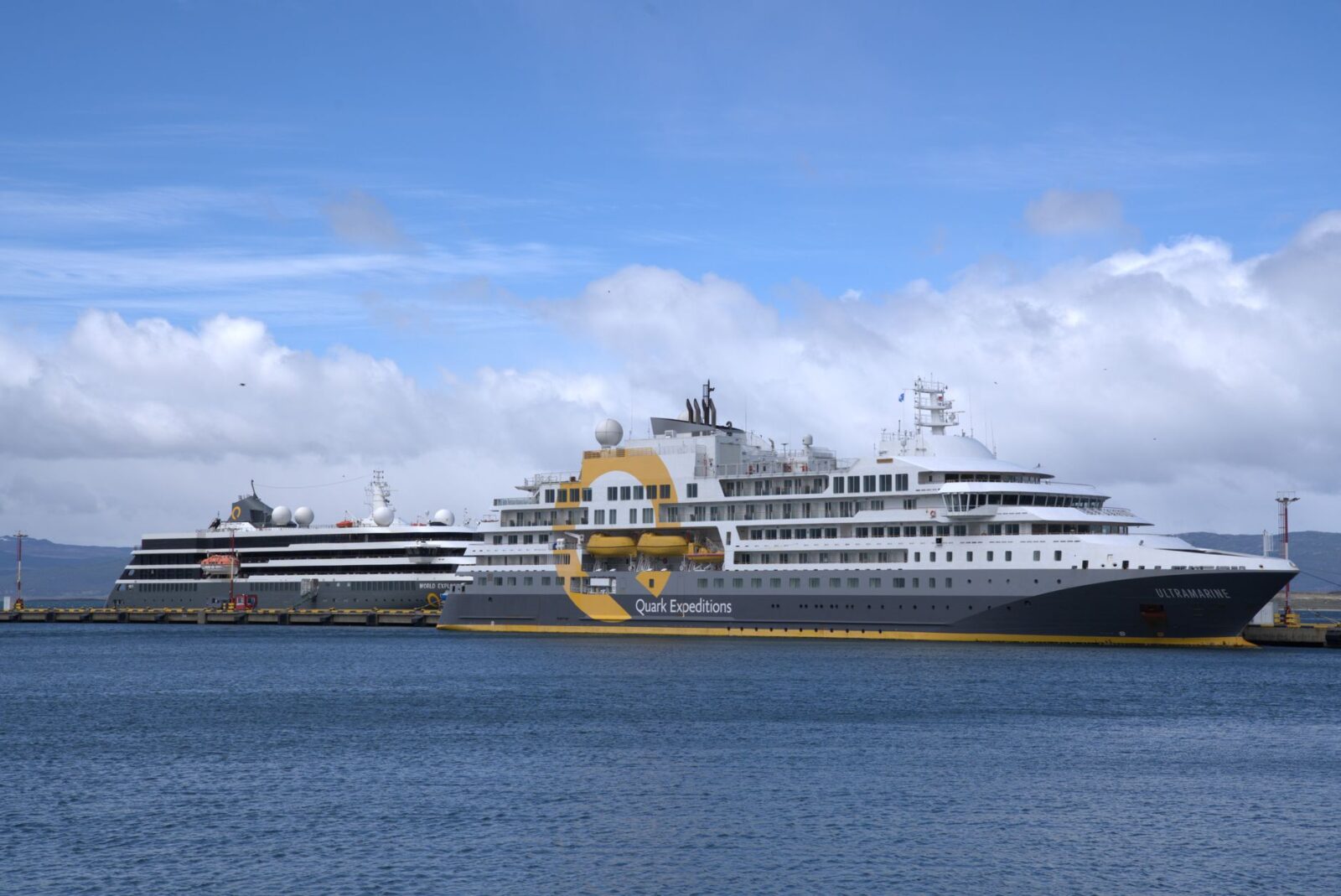
Expedition cruises cater to travelers interested in wildlife, photography and rugged landscapes. Hurtigruten’s MS Fridtjof Nansen, which sails the Norwegian coast and occasional Svalbard voyages, features a science center onboard where guests can attend lectures on climate change and glaciology. A 10‑night Svalbard expedition departing Longyearbyen on June 5, 2026, is priced at $4,200 per person for a polar outside cabin and includes Zodiac landings, kayaking and mandatory polar gear rental.
Theme cruises have also grown in popularity, combining sailing with specific interests such as wellness, music or culinary arts. In 2026, Virgin Voyages launched a “Wellness at Sea” series on its Scarlet Lady, featuring sunrise yoga sessions, guided meditation workshops and spa‑focused shore excursions. A 5‑night Western Caribbean wellness cruise departing Miami on November 2, 2026, starts at $1,399 per person for an interior cabin and includes complimentary access to all fitness classes and a personalized wellness consultation.
Conclusion: Setting Sail with Confidence
The cruise landscape in 2026 offers more variety, better value and improved infrastructure than ever before. Whether you are drawn to the sun‑kissed beaches of the Caribbean, the dramatic fjords of Alaska, the historic rivers of Europe or the vibrant ports of Asia, there is a sailing that matches your interests, budget and travel style. By leveraging early‑booking discounts, understanding visa requirements and using insider timing tricks, you can maximize both enjoyment and savings.
We encourage you to share your own cruise experiences and tips in the comments below. If you found this guide useful, consider sharing it with friends who are planning their next voyage—happy sailing!
Stay informed with the latest travel news, visa updates, and destination guides. Follow HimalayanCrest.com for weekly travel intelligence delivered by our editorial team.