

Why Scotland Is Trending in 2026
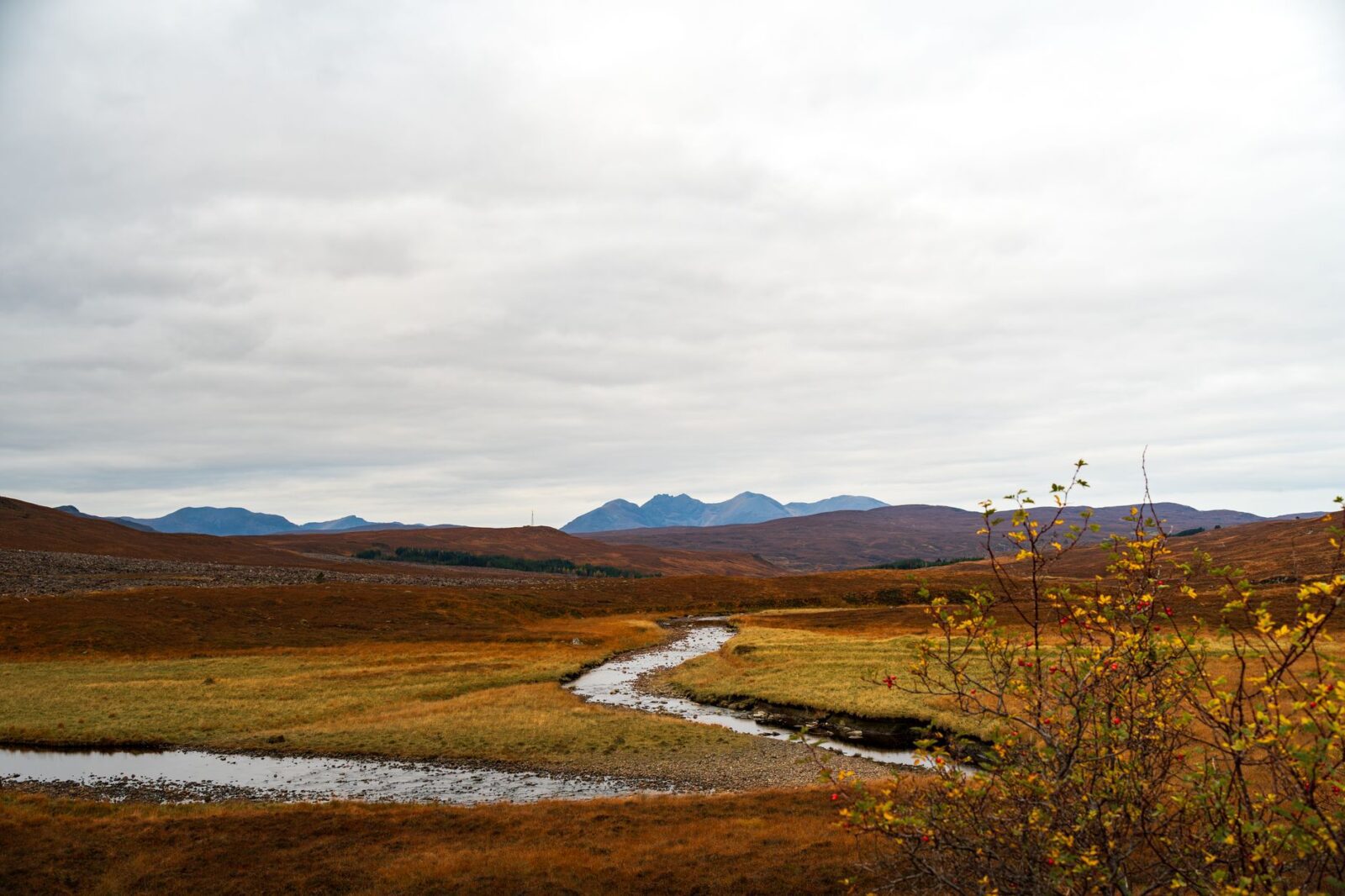
Scotland continues to capture global attention as travelers seek destinations that blend deep history, dramatic scenery, and authentic cultural experiences. In 2026, the country benefits from a surge of interest in “stillcation” travel – trips focused on peace, nature, and slow exploration – highlighted by Wester Ross being crowned the “stillest” region in Scotland by Euronews. This recognition arrives alongside new openings such as the Dundreggan Rewilding Centre and a nationwide campaign called “How To See Things Differently in Britain 2026,” which promotes fresh perspectives on familiar sites. Together, these developments make Scotland a top choice for anyone looking to escape the crowds while still enjoying world‑class attractions.
Beyond the buzz, Scotland offers practical advantages for international visitors. The United Kingdom’s visa policy allows citizens from the United States, Canada, Australia, Japan, and most European nations to enter visa‑free for up to six months, provided they hold a valid passport. The country’s compact size means you can experience ancient castles, misty lochs, and vibrant cities without spending excessive time on long transfers. With a well‑developed rail network, scenic driving routes, and a growing emphasis on sustainable tourism, planning a Scottish adventure in 2026 is both accessible and rewarding.
Iconic Cities and Historic Towns
Edinburgh remains the cultural heart of Scotland, where medieval architecture sits alongside a thriving arts scene. The city’s Old and New Towns are UNESCO World Heritage Sites, and the imposing Edinburgh Castle dominates the skyline, offering panoramic views and a deep dive into Scotland’s royal past. Visitors can also explore the free National Museum of Scotland, the National Gallery of Scotland, and the lively Riverside Museum, all of which showcase everything from prehistoric fossils to cutting‑edge design.
Just an hour west by train, Glasgow presents a contrasting vibe with its renowned music venues, cutting‑edge architecture, and world‑class shopping. The city’s Kelvingrove Art Gallery and Museum houses one of Europe’s finest civic collections, while the Merchant City district buzzes with bars, restaurants, and live performances. For golf enthusiasts, a short trip to St Andrews delivers the legendary Old Course, the birthplace of the sport, alongside a charming university town filled with historic stone buildings and sandy beaches.
Smaller towns also deserve a place on any itinerary. Oban, known as the “Gateway to the Isles,” offers fresh seafood, a bustling harbor, and easy ferry access to the Hebrides. Pitlochry, nestled in the heart of Perthshire, is famous for its whisky distilleries, the enchanting Enchanted Forest light show (seasonal), and convenient access to the Cairngorms National Park. Linlithgow, just west of Edinburgh, boasts the stunning Linlithgow Palace, the birthplace of Mary, Queen of Scots, and a picturesque loch that invites leisurely walks.
The Majestic Highlands and Islands
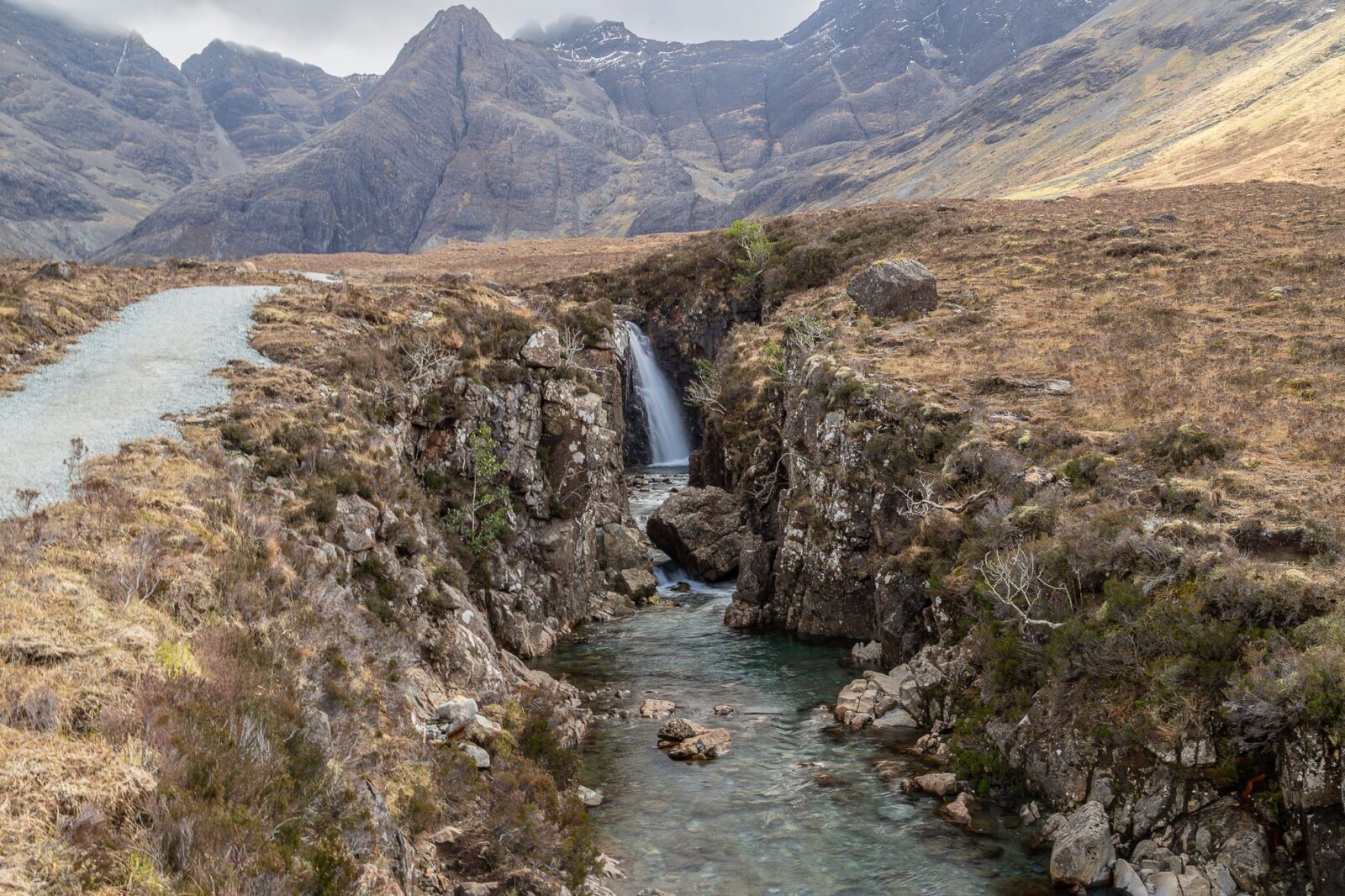
The Scottish Highlands deliver some of the most breathtaking scenery in Europe, defined by rugged mountains, deep glens, and shimmering lochs. The Isle of Skye, perhaps the most famous island, draws visitors to its iconic landmarks: the Old Man of Storr, the Quiraing, and the Fairy Pools. Travelers often recommend arriving early in the morning to experience these sites with fewer crowds and softer light for photography.
Beyond Skye, the Outer Hebrides offer a quieter, more authentic island experience. Lewis and Harris are home to the ancient Callanish Standing Stones, a prehistoric ritual site that predates Stonehenge, and the stunning white‑sand beaches of Luskentyre, frequently praised in travel guides for its Caribbean‑like turquoise waters. Further north, the Orkney Islands boast Neolithic treasures such as Skara Brae and the Ring of Brodgar, while Shetland showcases a vibrant Viking heritage, lively music festivals, and dramatic sea cliffs that host puffins, guillemots, and seals.
Wester Ross, located on the mainland’s western fringe, has earned a reputation as Scotland’s “stillest” area, a designation based on low light pollution, minimal traffic noise, and expansive views of mountain peaks and sea lochs. This region is ideal for travelers seeking tranquility, whether they wish to hike the Beinn Eighe massif, kayak along Loch Maree, or simply sit by the water and watch the sunset over the Atlantic.
Legendary Lochs and Glens
No visit to Scotland is complete without experiencing its famous lochs and glens. Loch Ness, stretching 23 miles southwest of Inverness, is world‑renowned not only for the elusive Nessie legend but also for its deep, dark waters and surrounding hills that offer excellent walking and cycling routes. The nearby ruins of Urquhart Castle provide a striking foreground for photos, especially at sunrise.
Loch Lomond, part of Scotland’s first national park, offers a more accessible adventure hub located just a short drive from Glasgow. Visitors can enjoy boat cruises, watersports, and scenic walks along the West Highland Way, which skirts the loch’s eastern shore. The area is also a gateway to the rugged peaks of the Ben Lomond range, popular with hikers of all abilities.
Glencoe, often described as the “glen of weeping,” is famed for its dramatic, steep‑sided valleys that have served as backdrops for numerous films. The landscape tells a story of both natural beauty and historical tragedy, recalling the 1692 massacre of the MacDonald clan. Today, visitors can explore well‑marked trails, stop at the Glencoe Visitor Centre for exhibits on local flora and fauna, and enjoy traditional Scottish fare at the welcoming Clachaig Inn.
The North Coast 500 Road Trip
For those who love the freedom of the open road, the North Coast 500 (NC500) offers a 516‑mile scenic loop that circles the northern Highlands, starting and ending in Inverness. The route passes through some of Scotland’s most diverse landscapes, ranging from the rugged cliffs of Cape Wrath to the serene beaches of Achmelvich and the historic castles of Dunrobin and Eilean Donan. Travelers often complete the journey in five to seven days, allowing ample time to explore side attractions such as the whisky distilleries of the Malt Whisky Trail and the pristine sands of Sandwood Bay.
Driving the NC500 requires preparation, as single‑track roads with passing places are common, and weather can change rapidly. It is advisable to rent a vehicle with good ground clearance and to carry a paper map or offline GPS, as mobile signal can be unreliable in remote sections. Many travelers choose to travel clockwise to keep the ocean on their left, providing continual views of the Atlantic and minimizing glare from the sun.
Along the route, charming villages such as Ullapool, Tongue, and John o’ Groats offer welcoming accommodations, locally sourced seafood, and opportunities to meet artisans crafting Harris tweed, pottery, and jewelry. Camping is popular, with numerous well‑maintained sites providing basic amenities; however, advance booking during the peak summer months (June‑August) is strongly recommended.
Wildlife and Unique Experiences
Scotland’s commitment to conservation and rewilding creates unique opportunities for travelers interested in nature and animal welfare. The Five Sisters Zoo, located near Edinburgh, is home to over 150 species, including rescued circus bears and lions, as well as monkeys, otters, and crocodiles. The zoo emphasizes education and rehabilitation, making it a worthwhile stop for families.
Over 150 species call Five Sisters Zoo home, ranging from big cats to reptiles and primates.
Further north, the Dundreggan Rewilding Centre near Loch Ness represents a pioneering effort to restore native pinewood forests and reintroduce species such as the red squirrel and pine marten. As the first of its kind in the world, Dundreggan offers guided walks, volunteer programs, and educational talks that connect visitors with centuries of Gaelic history and the evolving landscape of the Highlands.
Birdwatchers flock to the Isle of May, a small island in the Firth of Forth that serves as one of the best places in the UK to observe Atlantic puffins during their breeding season from April to early August. The island is managed as a nature reserve, and day trips are available from Anstruther or North Berwick, allowing visitors to walk the cliffs and witness thousands of puffins nesting in their burrows.
Beyond these highlights, Scotland offers countless wildlife encounters: red deer stags rutting in the Highlands during autumn, golden eagles soaring above the Cairngorms, and playful bottlenose dolphins riding the waves near Moray Firth. Responsible tour operators emphasize keeping a respectful distance and minimizing disturbance to ensure these experiences remain sustainable for future generations.
Practical Guide: When to Go, How to Get Around, and Budget Tips
The best time to visit Scotland largely depends on what you hope to experience. Late spring (May‑June) and early autumn (September‑October) provide mild temperatures, longer daylight hours, and fewer crowds than the peak summer months. Summer (July‑August) brings the warmest weather and the full schedule of festivals, but also higher accommodation prices and increased midge activity in western regions. Winter (November‑March) offers the chance to see the Northern Lights, enjoy peaceful snowy landscapes, and partake in seasonal traditions such as Hogmanay celebrations, though daylight is limited and some remote attractions may have reduced hours.
Getting to Scotland is straightforward, with major international airports in Edinburgh, Glasgow, and Aberdeen offering direct flights from North America, Europe, and the Middle East. Domestic flights connect the mainland to islands such as Benbecula, Barra, and Kirkwall, while an extensive rail network operated by ScotRail links cities and towns efficiently. For travelers seeking flexibility, renting a car provides access to remote glens, coastal routes, and the NC500; however, drivers should be comfortable with narrow roads and variable weather.
Budgeting for a Scottish trip can vary widely based on travel style. Hostels and budget hotels typically range from $30 to $60 USD per night, while mid‑range accommodations average $80 to $150 USD per night. Meals at pubs and casual eateries cost roughly $12 to $20 USD per dish, with a three‑course dinner at a nicer restaurant ranging from $30 to $50 USD. Many of Scotland’s top attractions, including the National Museum of Scotland and the National Gallery of Scotland, are free to enter, while ticketed sites such as Edinburgh Castle ($25 USD approx.) and Stirling Castle ($20 USD approx.) charge admission fees that help support preservation efforts. Purchasing a ScotRail Spirit of Scotland pass can offer savings for those planning multiple train journeys, and booking accommodations and popular tours well in advance often secures better rates.
Insider Tips, Local Flavors, and Alternatives
To make the most of your Scottish adventure, consider a few insider strategies that go beyond the usual guidebook advice. First, always pack layers and a reliable waterproof jacket, as weather can shift from sunshine to rain within minutes, even in summer. Second, when visiting popular sites like the Isle of Skye’s Fairy Pools or the Jacobite Steam Train (the “Harry Potter” route), aim to arrive either before 8 a.m. or after 4 p.m. to avoid the largest crowds and enjoy a more peaceful experience.
Food is a gateway to Scottish culture, and sampling local specialties will enrich your trip. Try a hearty bowl of Cullen skink (a smoky haddock and potato soup) in a coastal town, savor fresh haggis with neeps and tatties (turnips and potatoes) at a traditional pub, and treat yourself to a dessert of cranachan – whipped cream, raspberries, toasted oats, and whisky. Whisky enthusiasts should explore the Speyside region, home to over half of Scotland’s distilleries, where guided tours and tastings reveal the nuances of single malt production.
If you love the vibrant energy of Edinburgh but want a different urban experience, head west to Glasgow for its cutting‑edge music scene, innovative architecture, and friendly locals. For those enchanted by the Isle of Skye’s drama but seeking fewer tourists, the Isle of Mull offers comparable scenery with colorful towns like Tobermory, abundant wildlife (including white‑tailed eagles), and the chance to visit the historic Duart Castle. Travelers who enjoy the tranquility of Loch Lomond might also appreciate the quieter waters of Loch Tay, surrounded by mountains and dotted with charming villages perfect for kayaking or fishing.
Finally, embrace the spirit of “stillcation” by deliberately slowing down. Choose one base – perhaps a charming bed‑and‑breakfast in Perthshire or a seaside cottage in Wester Ross – and spend several days exploring the immediate surroundings on foot, by bike, or via local bus routes. This approach not only reduces travel fatigue but also allows deeper connections with the people, stories, and landscapes that make Scotland truly unforgettable.
Frequently Asked Questions
- Do I need a visa to visit Scotland as a U.S. citizen?
No. U.S. citizens can enter the United Kingdom visa‑free for tourism stays of up to six months, provided they have a valid passport that remains valid for the duration of their stay. It is advisable to check the latest entry requirements on the UK government’s official website before traveling.
- What is the best way to see the Isle of Skye without dealing with heavy crowds?
Travelers recommend visiting the Isle of Skye during the shoulder seasons of May‑June or September‑October, when daylight is long but visitor numbers are lower. Additionally, arriving at major attractions such as the Old Man of Storr, the Quiraing, or the Fairy Pools before 8 a.m. or after 4 p.m. significantly reduces crowds and offers better lighting for photography.
- Are midges a real problem, and how can I protect myself?
Yes, the Highland biting midge can be noticeable, especially in calm, damp conditions from May through September, particularly in western coastal areas. Effective protection includes using insect repellent containing DEET or picaridin, wearing long sleeves and trousers during peak activity (dawn and dusk), and considering a midge‑proof head net for extended outdoor stays.
- Can I rely on public transportation to explore the Highlands and Islands?
Public transport is reliable for reaching major towns and cities, with ScotRail trains connecting Edinburgh, Glasgow, Inverness, and Aberdeen, and extensive bus routes serving many rural areas. However, to access remote glens, certain islands, or to fully enjoy the North Coast 500 route, renting a car provides the greatest flexibility and allows you to set your own pace.
- What unique experiences should I not miss in 2026?
In 2026, be sure to visit the newly opened Dundreggan Rewilding Centre near Loch Ness for guided forest walks and conservation talks. Take advantage of the “How To See Things Differently in Britain 2026” initiative, which offers special exhibitions, guided tours, and cultural events across Scotland’s museums and historic sites. Additionally, plan a trip to the Isle of May between April and early August to witness the Atlantic puffin colony at its peak.
Conclusion
Scotland in 2026 presents a rare blend of timeless legend and modern invitation to slow down, explore deeply, and travel responsibly. From the bustling streets of Edinburgh to the silent shores of Wester Ross, every region offers a story waiting to be discovered. We hope this guide has equipped you with the practical knowledge, inspiration, and insider tips needed to craft a journey that resonates long after you’ve returned home. If you found this article useful, please share it with fellow travelers and leave a comment below with your own Scottish highlights or questions – we love hearing from our community.
Stay informed with the latest travel news, visa updates, and destination guides. Follow HimalayanCrest.com for weekly travel intelligence delivered by our editorial team.