

A New Museum, Cruise Haute Couture, and Gorgeous Glassware: Design Lovers Have Much to Journey For
Travelers with a passion for design are finding fresh reasons to pack their bags in late 2026 and early 2027. A recently opened museum on Bahrain’s historic Pearling Path celebrates the island’s pearling heritage through architecture and artifacts. At the same time, a French luxury cruise line is weaving Italy’s most celebrated fashion houses into a sea‑based itinerary that launches in September 2027. Together, these developments signal a broader shift toward experiential travel where craft, couture, and glass art intersect.
The Siyadi Pearl Museum: Bahrain’s Fresh Tribute to a Vanishing Trade
Nestled in the coastal city of Muharraq, the Siyadi Pearl Museum occupies a restored merchant home that once belonged to a wealthy pearl‑trading family. The space opened two years ago, making it a recent addition to the Pearling Path, a two‑mile trail that links 17 significant sites related to Bahrain’s pearling era. Visitors walk along terrazzo lampposts topped by pearl‑shaped light bulbs that serve as subtle way‑finding markers along the route.
Inside the museum, exhibits contrast the opulence of merchant living quarters with the humble tools used by pearl divers. Displays include nose clips, stone weights, and leather finger covers that divers relied on during grueling months aboard traditional dhows. Narrative panels recount tales of wealth generated by the pearl trade as well as the hardships faced by those who harvested the gems from the sea.
The museum’s location is intentional: Muharraq’s shoreline has receded due to modern development, and the Pearling Path project seeks to reconnect the community with its maritime past. By preserving both grand residences and modest workspaces, the site offers a balanced view of an industry that once powered Bahrain’s economy.
Ponant’s Haute Couture Voyage: Fashion Houses Set Sail
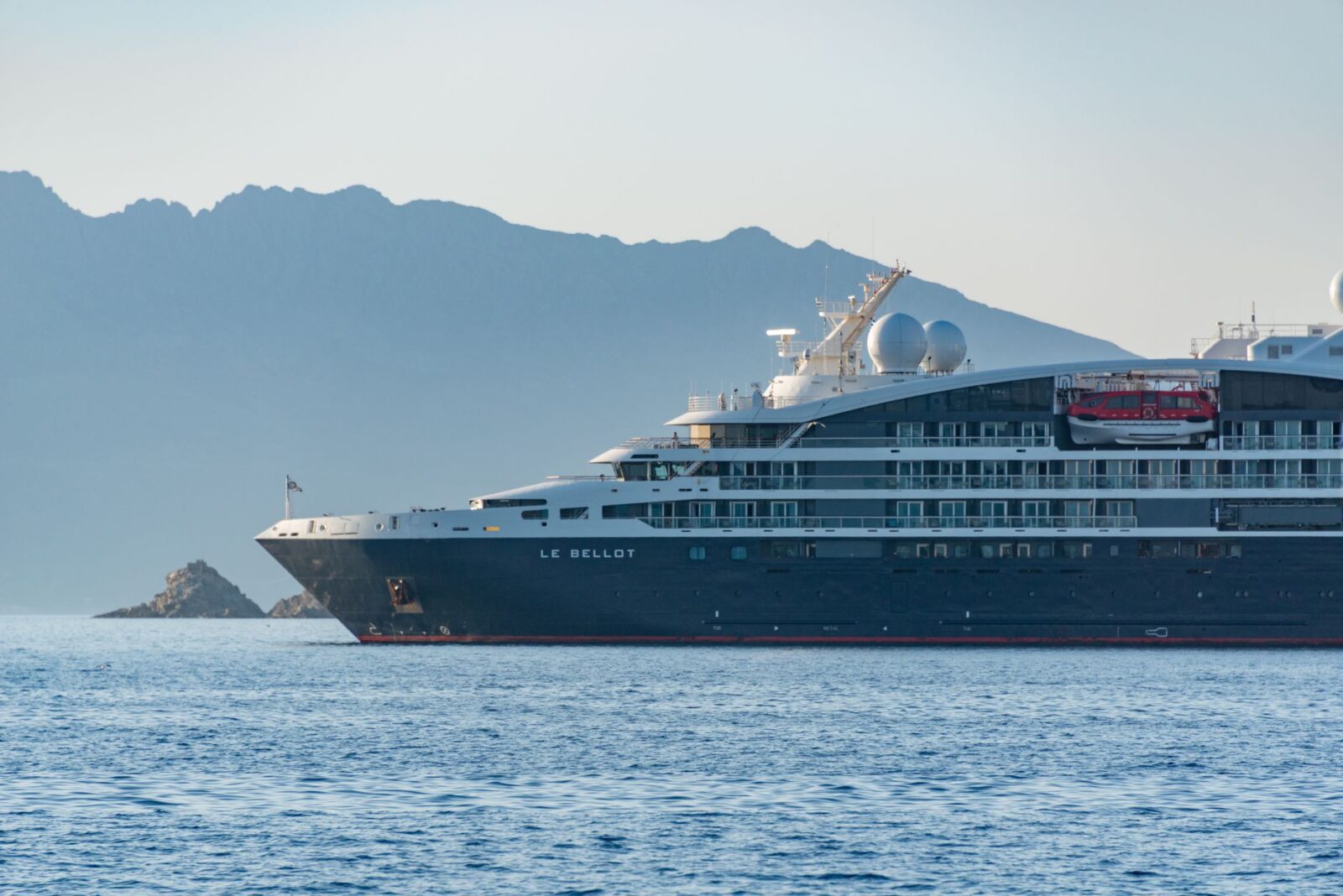
In September 2027, the French expedition cruise line Ponant will launch a special itinerary aboard the intimate vessel Le Boréal. The cruise will sail along Italy’s coastline, beginning in Tuscany and concluding in Venice, with a focus on bringing the country’s fashion maisons directly to passengers. Over the course of the voyage, guests will engage with five major luxury labels.
Activities scheduled onboard include a private consultation with a Brioni tailor who demonstrates the art of suit alterations, a demonstration by a master gem‑cutter at the iconic jeweler Pomellato, and guided tours of two Florentine sites tied to Gucci’s heritage—the Palazzo Gucci and the 15th‑century Palazzo Settimanni. The program is designed to give travelers an insider’s view of the craftsmanship that defines Italian haute couture.
Ponant describes the experience as a “floating atelier” where the sea becomes a backdrop for conversations with designers, artisans, and historians. The line emphasizes small‑group sizes to ensure personalized interaction, reinforcing its reputation for intimate, expedition‑style cruising.
Why Museums, Couture, and Glassware Are Shaping 2026‑2027 Travel
These announcements reflect a larger trend in which travelers seek deep, story‑driven encounters rather than passive sightseeing. Museums that interpret local industries—such as Bahrain’s pearling past—offer context that enriches a destination’s cultural landscape. Similarly, cruise itineraries that integrate fashion workshops transform a voyage into a moving classroom of design.
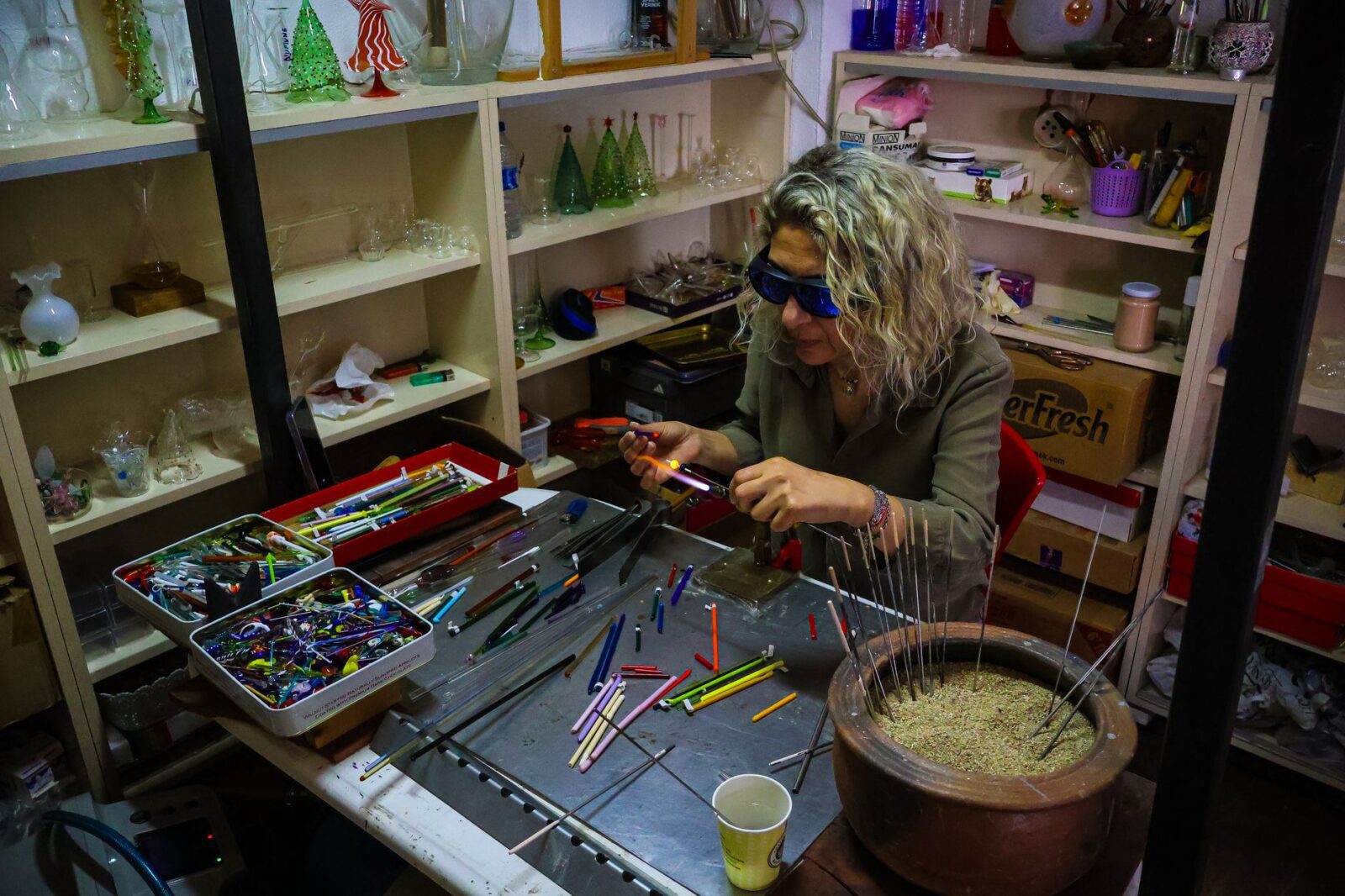
Glassware, while not detailed in the source brief, naturally complements this narrative. The Venetian island of Murano, a short hop from the cruise’s Venice terminus, remains synonymous with blown‑glass artistry. Many luxury cruise operators already offer optional excursions to Murano’s historic furnaces, allowing guests to watch maestros shape molten silica into vases, chandeliers, and sculptures.
Together, these experiences cater to a growing segment of affluent, culturally curious travelers who prioritize learning, craftsmanship, and authentic interaction over conventional leisure pursuits. Industry observers note that such thematic travel often yields higher satisfaction scores and stronger word‑of‑mouth promotion.
Planning Your Design‑Focused Itinerary: Bahrain, Tuscany‑Venice, and Murano Glass
For those inspired to combine these highlights, a logical routing begins in the Gulf. Bahrain’s capital, Manama, is well‑connected via major hubs such as Doha, Dubai, and Istanbul, with flight times typically ranging from two to five hours. Visitors can base themselves in Muharraq for easy access to the Siyadi Pearl Museum and the Pearling Path, allocating at least half a day to explore the trail and museum exhibits.
After soaking in Bahrain’s maritime history, travelers can shift westward to Europe for the Ponant cruise. Embarkation points for Le Boréal are typically in Livorno (near Tuscany) or Civitavecchia (near Rome), depending on the exact routing released closer to the 2027 departure date. Pre‑cruise stays in Florence or Siena allow guests to acclimate to Italian culture and visit the Gucci‑related sites before boarding.
Upon arrival in Venice, a half‑day excursion to Murano offers a natural glassware complement. Many local operators provide guided tours of active furnaces, hands‑on bead‑making workshops, and visits to the Glass Museum (Museo del Vetro). Booking these experiences in advance is advisable, especially during the summer months when demand peaks.
Cost Breakdown: What to Budget for Museum Tickets, Cruise Fares, and Glass Workshops
Understanding the financial commitment helps travelers plan effectively. Entry to the Siyadi Pearl Museum is modest; adult tickets are priced at approximately 2 Bahraini dinars (around USD 5), with discounted rates for students and seniors. The Pearling Path itself is free to walk, though guided heritage tours offered by local cultural agencies typically cost between USD 15 and USD 25 per person.
Ponant’s luxury cruise fares vary by cabin category and departure date. Based on the line’s recent pricing for similar Mediterranean itineraries, a seven‑day voyage in a deluxe balcony suite starts near USD 4,500 per person, double occupancy. Suite categories with private terraces or spa access can exceed USD 8,000. These rates generally include most meals, selected beverages, onboard lectures, and shore excursions, though specialty experiences such as private tailor consultations may carry supplemental fees.
Glass‑focused add‑ons in Murano range from USD 30 for a basic furnace tour to USD 120 for a hands‑on workshop where participants create their own small glass object under expert guidance. Private guided tours of the Glass Museum with a curator start at approximately USD 90. When combined, a comprehensive design‑focused trip encompassing Bahrain, the Ponant cruise, and Murano glasswork can be budgeted between USD 5,500 and USD 10,000 per traveler, excluding international airfare.
Expert Outlook: What’s Next for Design‑Centric Travel
Industry analysts anticipate that the success of niche offerings like Bahrain’s pearl museum and Ponant’s fashion cruise will inspire similar projects worldwide. Emerging markets with rich artisanal traditions—such as textile centers in West Africa or ceramic hubs in Southeast Asia—are already exploring museum‑trail concepts that pair heritage preservation with visitor engagement.
On the cruise front, the concept of “theme‑based voyages” is expected to expand beyond fashion to include culinary arts, music, and sustainable design. Expedition lines are investing in onboard studios where guests can collaborate with resident artists, creating tangible souvenirs that reflect the journey itself. This shift aligns with broader consumer preferences for travel that yields personal enrichment and shareable stories.
For travelers, the takeaway is clear: aligning trips with specific design interests not only deepens cultural understanding but also supports local craftspeople and preservation efforts. As more destinations recognize the economic value of creative tourism, opportunities to explore museums, ateliers, and workshops will likely multiply, making the world a more inspiring place for design lovers.
Frequently Asked Questions
What is the best time of year to visit Bahrain’s Pearling Path and Siyadi Pearl Museum?
The Pearling Path is an outdoor trail, so the cooler months from November to March offer the most comfortable walking conditions, with average daytime temperatures ranging from 20°C to 26°C (68°F to 79°F). The museum is climate‑controlled and open year‑round, but visiting during the mild season allows travelers to comfortably explore both the indoor exhibits and the outdoor monuments without excessive heat.
Do I need a visa to travel to Bahrain for a short museum visit?
Many nationalities can obtain an e‑visa or visa on arrival for stays up to two weeks. Travelers should consult the official Bahraini government portal (https://www.moi.gov.bh) for the latest entry requirements based on their passport. It is advisable to apply for an e‑visa at least five business days before departure to avoid delays at immigration.
How far in advance should I book the Ponant haute couture cruise for September 2027?
Luxury expedition cruises often sell out quickly, especially for themed departures. Ponant typically opens bookings 12 to 18 months ahead of the sail date. For the September 2027 voyage, securing a cabin by early 2026 is recommended to ensure choice of cabin category and to lock in the current fare before any potential price adjustments.
Are the fashion‑focused activities on the Ponant cruise included in the base fare?
The core program—such as the Brioni tailoring session, Pomellato gem‑cutting demonstration, and guided visits to the Gucci‑related Florentine sites—is included in the cruise fare. However, optional private consultations, bespoke garment fittings, or exclusive after‑hours access to ateliers may involve additional charges. Travelers should review the detailed itinerary provided at the time of booking to clarify what is covered.
Is it feasible to combine the Bahrain museum visit with the Ponant cruise in a single trip?
Yes, though it requires careful planning due to the geographic distance. A practical approach is to fly from Bahrain to a European hub (such as Rome or Milan) after completing the museum visit, spend a night or two in Florence or Siena to explore the Gucci sites, then embark on the Ponant cruise from Livorno or Civitavecchia. Allowing at least one full day for travel and rest between the two legs helps avoid fatigue and ensures a enjoyable experience.
If you found this overview useful, consider sharing it with fellow design enthusiasts or leaving a comment below with your own travel plans. Your insights help our community discover the next inspiring journey.
Stay informed with the latest travel news, visa updates, and destination guides. Follow HimalayanCrest.com for weekly travel intelligence delivered by our editorial team.